
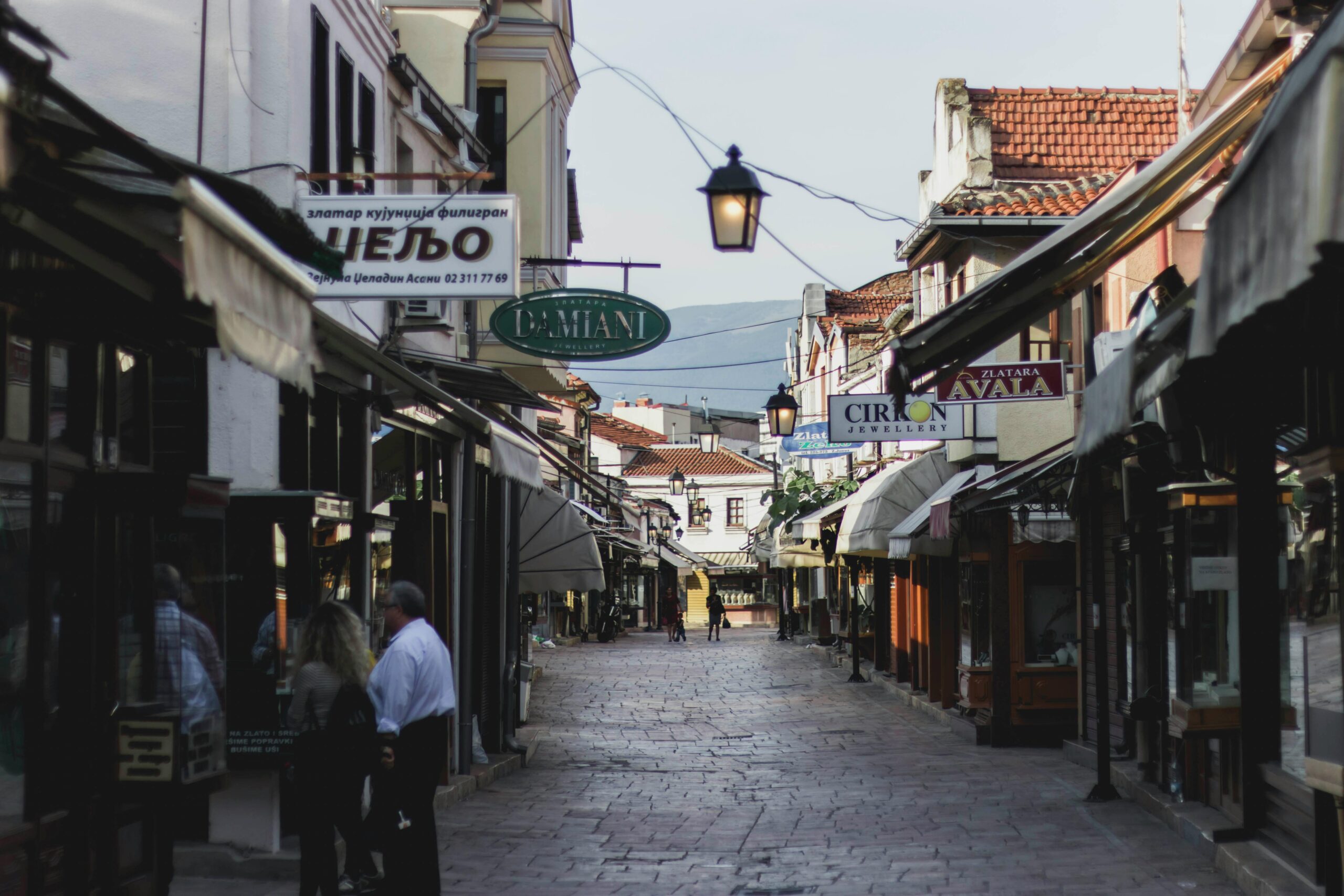
While much of Southern Europe faces record-breaking crowds, soaring hotel prices, and jam-packed waterfronts, North Macedonia has emerged as a rare exception — a beautifully preserved, culturally rich, naturally stunning country that somehow remains blissfully uncrowded.
Bordered by Greece, Albania, Bulgaria, Serbia, and Kosovo, North Macedonia sits at the crossroads of Balkan, Mediterranean, and Eastern European traditions. Yet unlike its neighbors, it remains largely untouched by mass tourism. Travelers who make the journey discover a country with marble lakes, ancient monasteries, world-class wine, hearty cuisine, Ottoman-era bazaars, and warm, welcoming locals — often at a fraction of Western European prices.
Here’s a deeper look at why North Macedonia is suddenly catching the world’s attention, why it stayed under the radar for so long, and what makes it one of Europe’s best-kept travel secrets.
Why North Macedonia Is So Special — And Still Crowd-Free
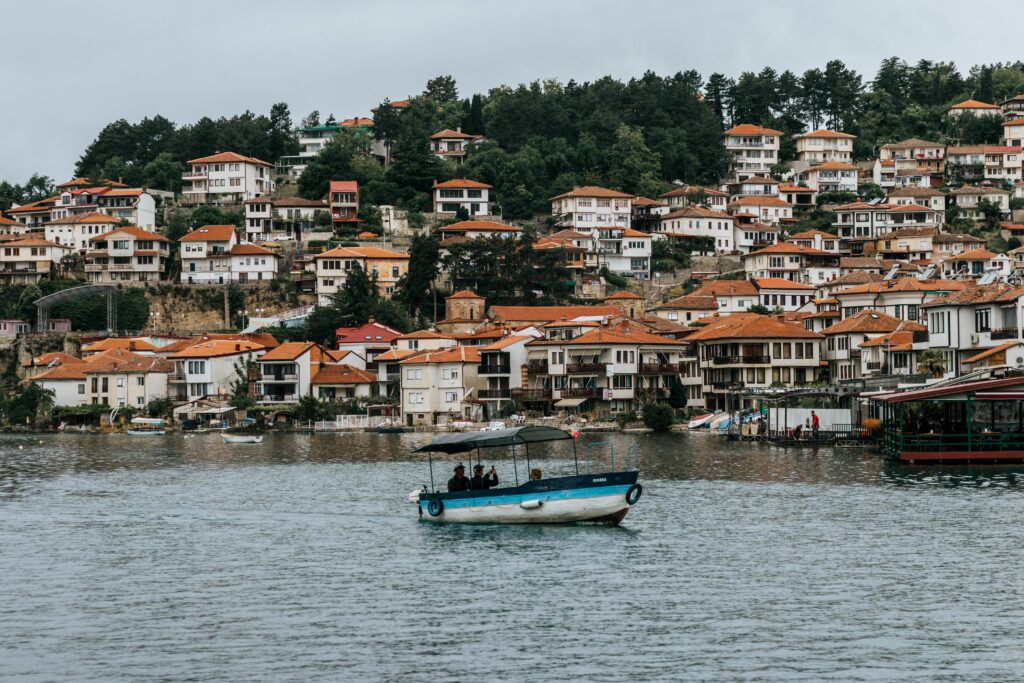
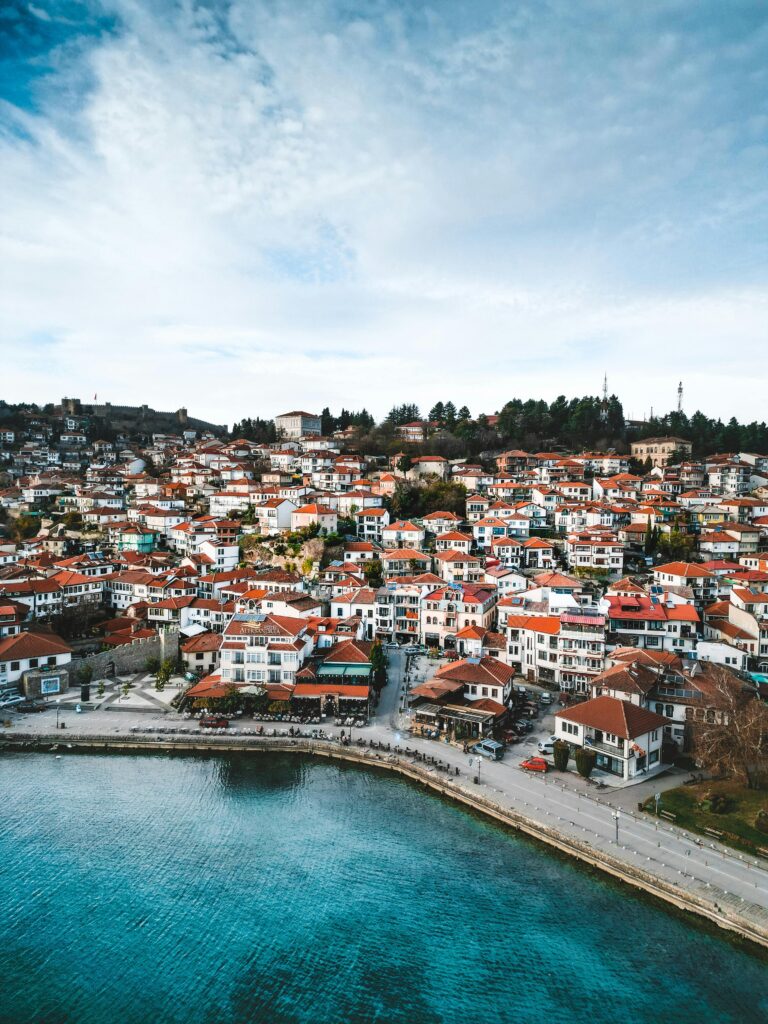
1. Lake Ohrid: One of Europe’s Oldest and Clearest Lakes
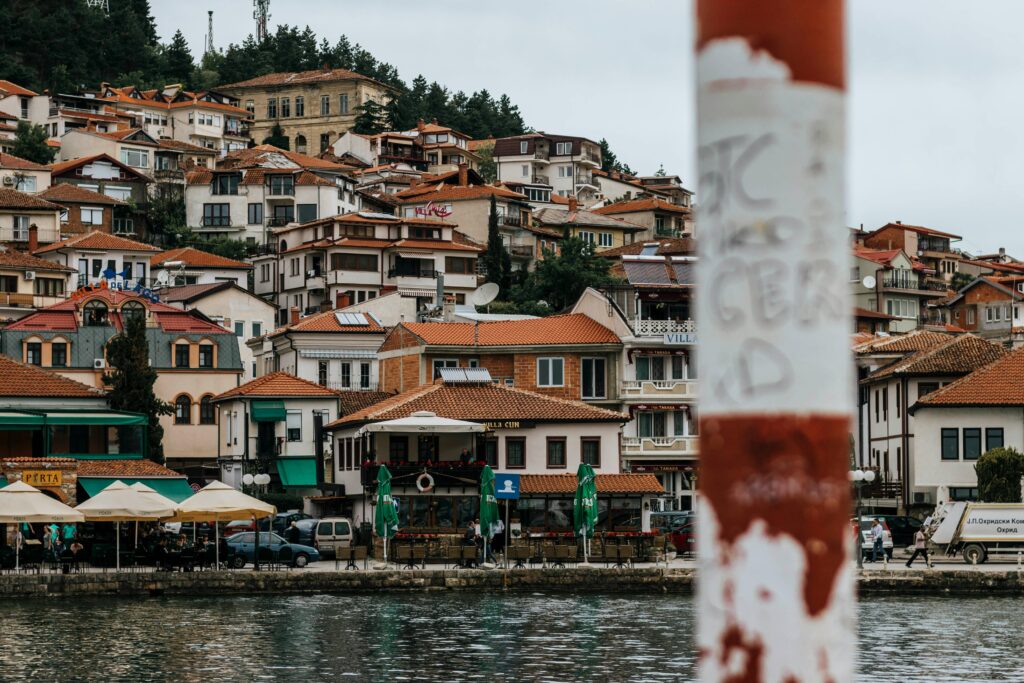
Often compared to Switzerland’s lakes for its clarity and beauty, Lake Ohrid is a UNESCO World Heritage Site shared with Albania. Visitors find:
- serene beaches
- historic churches perched on cliffs
- traditional fishing villages
- walking trails with spectacular views
Despite its magic, it remains much quieter than Croatia’s coast or Italy’s lakes.
2. A Capital City With Layers of History: Skopje
Skopje is a city unlike any other in Europe. Its skyline blends:
- Ottoman-era stone bridges
- modernist Yugoslav-era blocks
- neoclassical facades
- quirky statues
- bustling markets
The Old Bazaar, one of the oldest and largest in the Balkans, feels like stepping back through centuries.
3. Wine That Rivals Western Europe — But Costs Far Less
North Macedonia’s wine culture dates back over 4,000 years. The Vardar River Valley produces extraordinary reds and whites, most famously the rich, bold Vranec variety.
Wine tourism here is:
- affordable
- intimate
- authentic
- grounded in family-owned wineries
Pair that with rustic meals and mountain views, and it becomes an unforgettable experience.
4. Traditional cuisine that blends Mediterranean comfort with Balkan heartiness
Visitors rave about dishes like:
- tavče gravče (spiced baked beans)
- ajvar (roasted red pepper spread)
- shopska salad
- slow-cooked lamb and veal
- burek (buttery pastry with cheese or meat)
Meals are generous, flavorful, and shockingly affordable.
5. Vast untouched landscapes for adventure travelers
North Macedonia is a paradise for:
- hikers
- cyclists
- paragliders
- mountaineers
- nature photographers
Top locations include:
- Mavrovo National Park
- Pelister National Park
- Shar Mountain range
- Matka Canyon, perfect for kayaking and cave exploration
Unlike the Alps or Dolomites, trails here are quiet and peaceful.
6. Affordability — a major draw for travelers seeking value
North Macedonia is currently one of the best-value destinations in Europe. Travelers typically spend far less on:
- accommodation
- dining
- transportation
- tours
- wine experiences
While prices may rise as tourism grows, today the country offers exceptional quality at low cost.
Why Has North Macedonia Stayed Under the Radar?
Limited international marketing
Unlike Greece or Croatia, the country has not heavily invested in global tourism campaigns.
Lack of major beach resorts
North Macedonia is landlocked — though Lake Ohrid easily compensates for this with its crystalline, Mediterranean-like beauty.
Political changes and name confusion
A long dispute with Greece over the country’s name led to global uncertainty. The 2019 renaming to North Macedonia helped stabilize branding.
Fewer direct international flights
This is changing slowly, but limited routes have kept the country from mass tourism surges.
What the Earlier Coverage Didn’t Fully Explore
Religious and cultural depth
North Macedonia is home to some of Europe’s oldest churches and monasteries, including frescoes dating back 1,000 years.
A growing urban creative scene
Skopje’s cafés, design shops, craft breweries, and emerging art scene make it an exciting destination for younger travelers.
Warm, welcoming hospitality
Visitors consistently highlight how friendly and open locals are, often inviting travelers for homemade meals or wine.
A safe, relaxed atmosphere
The country ranks as one of the safer and more peaceful in the Balkans.
Future tourism growth is coming
Word is spreading, and tourism experts believe North Macedonia may soon experience a boom similar to Croatia’s 2000s surge.
Frequently Asked Questions
Q: Is North Macedonia safe for tourists?
Yes. It is considered one of the safer Balkan countries, with very low rates of violent crime and a welcoming atmosphere for foreigners.
Q: What is the best time to visit?
Spring (April–June) and fall (September–October) offer mild weather, fewer crowds, and great hiking conditions. Summer is ideal for Lake Ohrid.
Q: Is the country expensive?
No — it is one of Europe’s most affordable destinations, especially for food, wine, and accommodation.
Q: How do you get around?
Visitors typically use:
- buses
- rental cars
- taxis
- organized tours
Road infrastructure is improving, and distances between major attractions are short.
Q: Do people speak English?
In tourist areas, many do. Younger generations especially speak English well, while older residents may speak German or Italian.
Q: What food should I try?
Don’t miss:
- tavče gravče
- ajvar
- burek
- grilled meats
- Vranec wine
- Ohrid trout (ethically sourced alternatives encouraged due to conservation concerns)
Q: Why isn’t North Macedonia more popular?
A mix of limited marketing, fewer flights, and historical political complexities. Its low tourism numbers are part of its charm.
Q: How many days do you need?
A 5–7 day trip allows time for:
- Skopje
- Matka Canyon
- Lake Ohrid
- a vineyard tour
- at least one national park
Q: Do you need a visa?
Most Western travelers do not, but visa policies vary by nationality.
Q: Will tourism grow in the future?
Almost certainly — and many travelers are trying to visit before it becomes the “next Croatia.”
Sources CNN

