
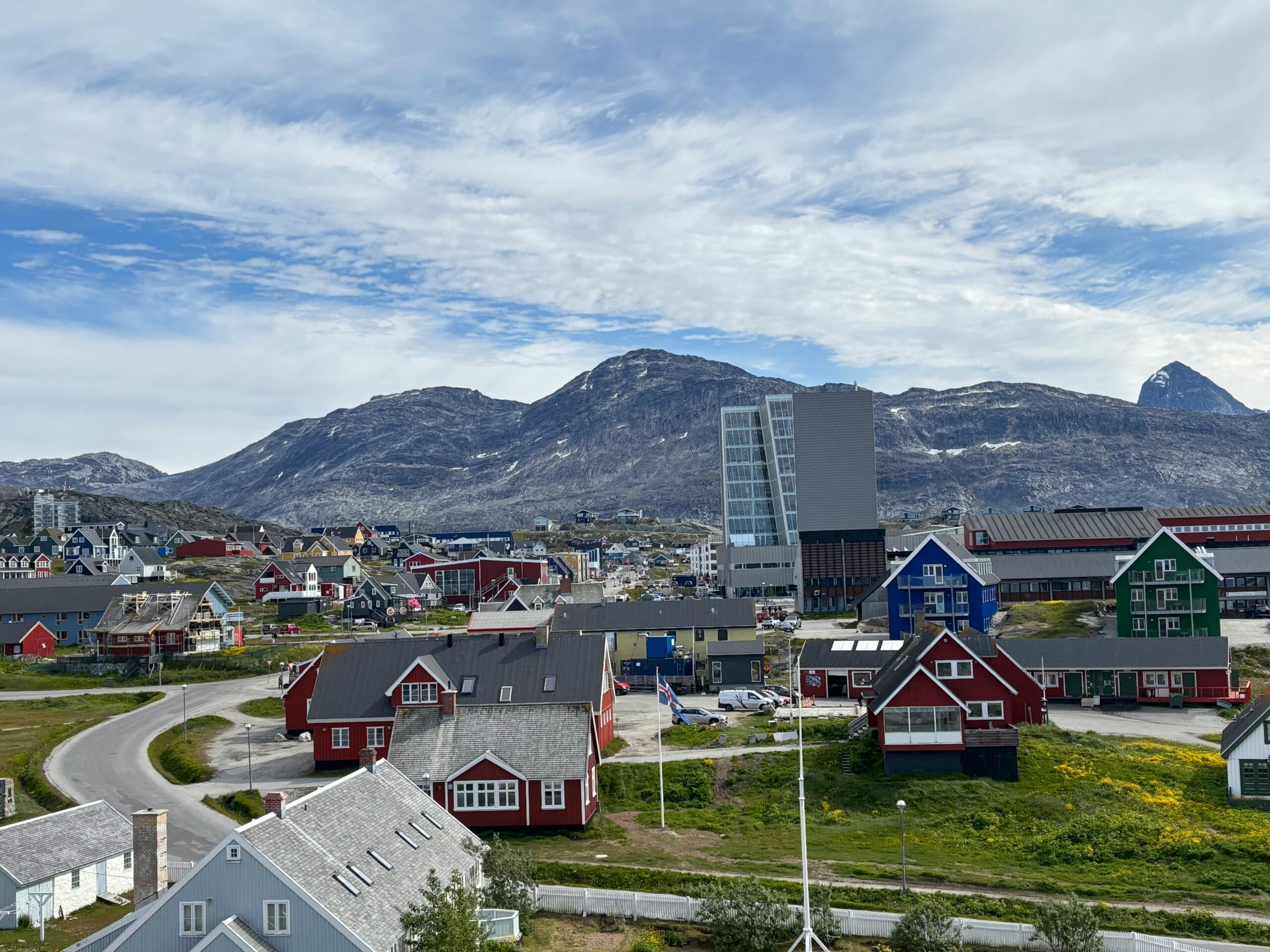
Greenland has spent years carefully cultivating a global image as a destination defined by icebergs, Indigenous culture, remote adventure, and fragile beauty. But renewed international attention—sparked in part by former U.S. President Donald Trump’s continued interest in the island—has introduced a new variable into Greenland’s tourism equation: political uncertainty.
For a small Arctic nation navigating climate change, infrastructure limits, and global curiosity, the intersection of geopolitics and tourism is both a risk and an opportunity.
Why Greenland’s Tourism Matters
A Small Industry With Big Importance
Tourism plays an outsized role in Greenland’s economy by:
- Creating jobs in remote communities
- Supporting small Indigenous-owned businesses
- Diversifying an economy historically dependent on fishing
While visitor numbers remain modest compared with other destinations, tourism is one of Greenland’s fastest-growing sectors.
A Carefully Managed Growth Strategy
Greenland has deliberately avoided mass tourism, emphasizing:
- Low-volume, high-value travel
- Cultural respect
- Environmental protection
This cautious approach reflects the island’s limited infrastructure and fragile ecosystems.
Trump’s Interest: Why It Still Resonates
A Proposal That Put Greenland on the Map
When Donald Trump publicly floated the idea of the U.S. acquiring Greenland, it:
- Sparked global headlines
- Turned Greenland into a geopolitical talking point
- Raised awareness among travelers who previously knew little about the island
For tourism, the attention was sudden—and largely uncontrollable.
From Curiosity to Concern
While some tourism operators saw increased interest, others worried that:
- Greenland would be reduced to a political symbol
- Visitors might arrive with misconceptions
- International narratives would overshadow local voices
Visibility does not always translate into healthy tourism.
Uncertainty as a Tourism Challenge
Mixed Signals for Travelers
Political rhetoric can create confusion:
- Is Greenland stable and welcoming?
- Is it becoming a strategic hotspot?
- Could geopolitical tensions affect access or safety?
For long-haul, high-cost travel, uncertainty can delay or deter bookings.
Investor and Industry Hesitation
Tourism development requires long-term planning. Unclear geopolitical signals may:
- Slow investment in hotels and infrastructure
- Complicate partnerships with foreign operators
- Increase perceived risk for insurers and lenders
Even symbolic politics can have practical consequences.
Indigenous Perspectives Often Overlooked
Kalaallit Voices and Self-Determination
Greenland’s Indigenous Inuit population has emphasized:
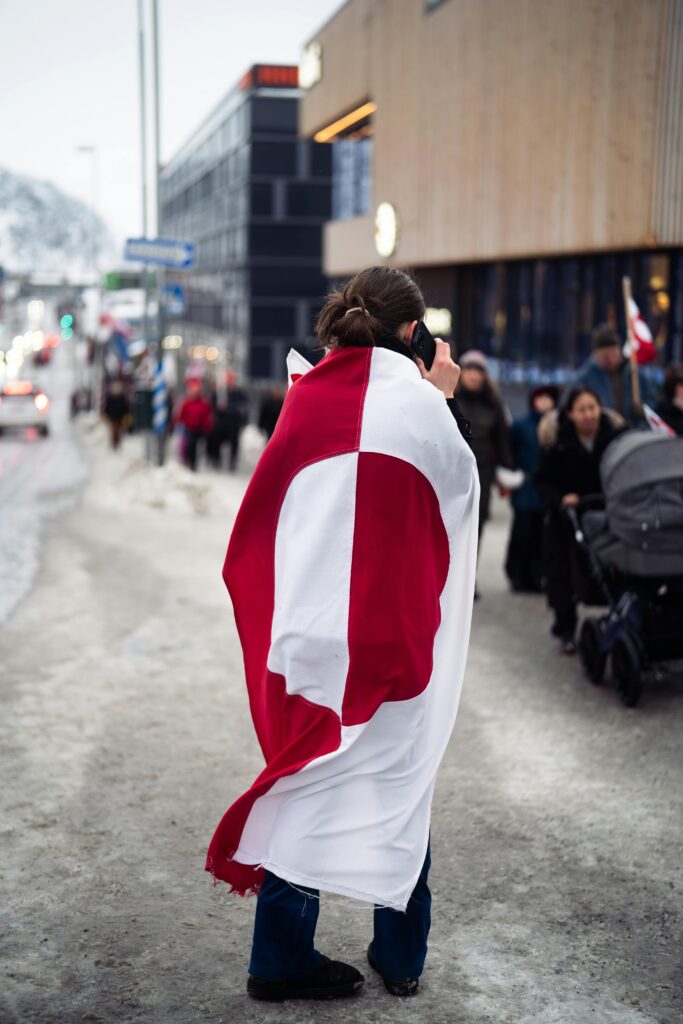
- That Greenland is not “for sale”
- The importance of political autonomy
- The need for tourism that respects culture and land
Tourism narratives driven by outsiders risk marginalizing local priorities.
Cultural Tourism at Risk
Greenland’s tourism appeal rests heavily on:
- Living Inuit culture
- Traditional knowledge
- Community-led experiences
Over-politicization can distort or commodify these elements.
Environmental Stakes in the Arctic
Tourism Meets Climate Reality
Greenland is on the front lines of climate change, with:
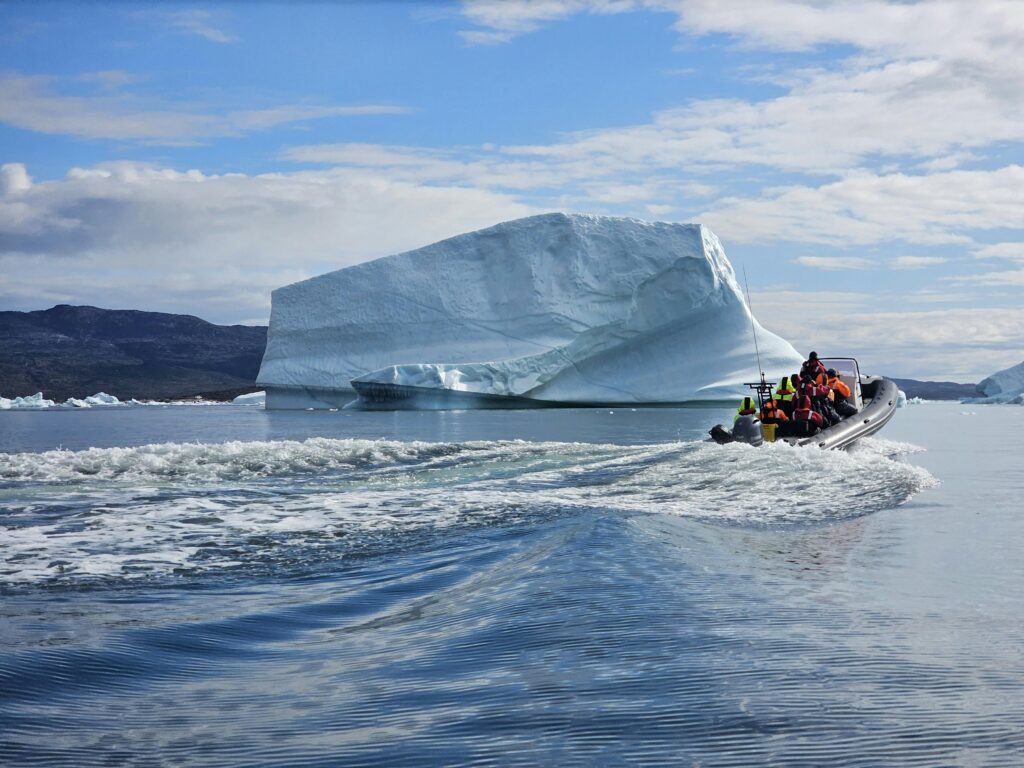
- Rapid ice melt
- Changing ecosystems
- Increased global scientific and political interest
Tourism must navigate these realities carefully to avoid adding pressure to vulnerable environments.
Infrastructure Limits
More attention does not equal more capacity. Greenland faces:
- Limited airports and ports
- High transportation costs
- Short tourism seasons
Sudden spikes in interest can overwhelm systems not designed for scale.
Is Increased Attention Always Bad for Tourism?
Potential Upsides
Some benefits of heightened awareness include:
- Greater international curiosity
- Increased demand for expedition travel
- Opportunities for cultural storytelling on Greenland’s terms
Handled carefully, attention can be channeled into sustainable growth.
The Risk of Losing Control
The central concern for Greenland’s tourism sector is agency:
- Who controls the narrative?
- Who benefits economically?
- Who decides how growth happens?
External political interest can undermine local decision-making.
Greenland’s Tourism Industry Response
Reasserting the Narrative
Tourism authorities and operators are emphasizing:
- Greenland’s autonomy
- Cultural depth beyond geopolitics
- Responsible, small-scale travel
Marketing increasingly centers Greenlanders—not headlines.
Doubling Down on Sustainability
Policies and messaging continue to stress:
- Environmental stewardship
- Community involvement
- Slow, respectful travel
Uncertainty reinforces the case for caution, not expansion.
What This Means for Arctic Tourism Globally
Greenland’s experience highlights broader trends:
- Arctic destinations are becoming geopolitical as well as touristic
- Climate change attracts both travelers and strategists
- Tourism planning must now account for global politics
The Arctic is no longer peripheral—it is central to global attention.
Frequently Asked Questions (FAQs)
Why does Trump’s interest affect Greenland tourism?
Because political attention shapes global perceptions, investment confidence, and traveler sentiment.
Did tourism increase because of the attention?
Interest rose, but uncertainty also made some travelers hesitant.
Is Greenland safe for tourists?
Yes. Greenland remains politically stable and welcoming, with tourism carefully managed.
Do Greenlanders want more tourists?
They generally support tourism that is sustainable, community-led, and culturally respectful.
Could geopolitics change access to Greenland?
Currently no, but political narratives can influence long-term planning and perception.
What kind of tourism does Greenland want?
Low-impact, high-value tourism that benefits local communities and protects nature.
Will Greenland become a mass tourism destination?
Unlikely, due to infrastructure limits and deliberate policy choices.
Conclusion
For Greenland, tourism has always been about balance—between openness and protection, curiosity and respect. Trump-era attention has amplified that challenge, injecting geopolitical uncertainty into an industry built on stability and trust.
Whether this moment becomes a footnote or a turning point depends on Greenland’s ability to maintain control over its story. If it succeeds, tourism can continue to grow not as a byproduct of global politics, but as an expression of Greenland’s own identity, values, and future.
Sources The New York Times

