
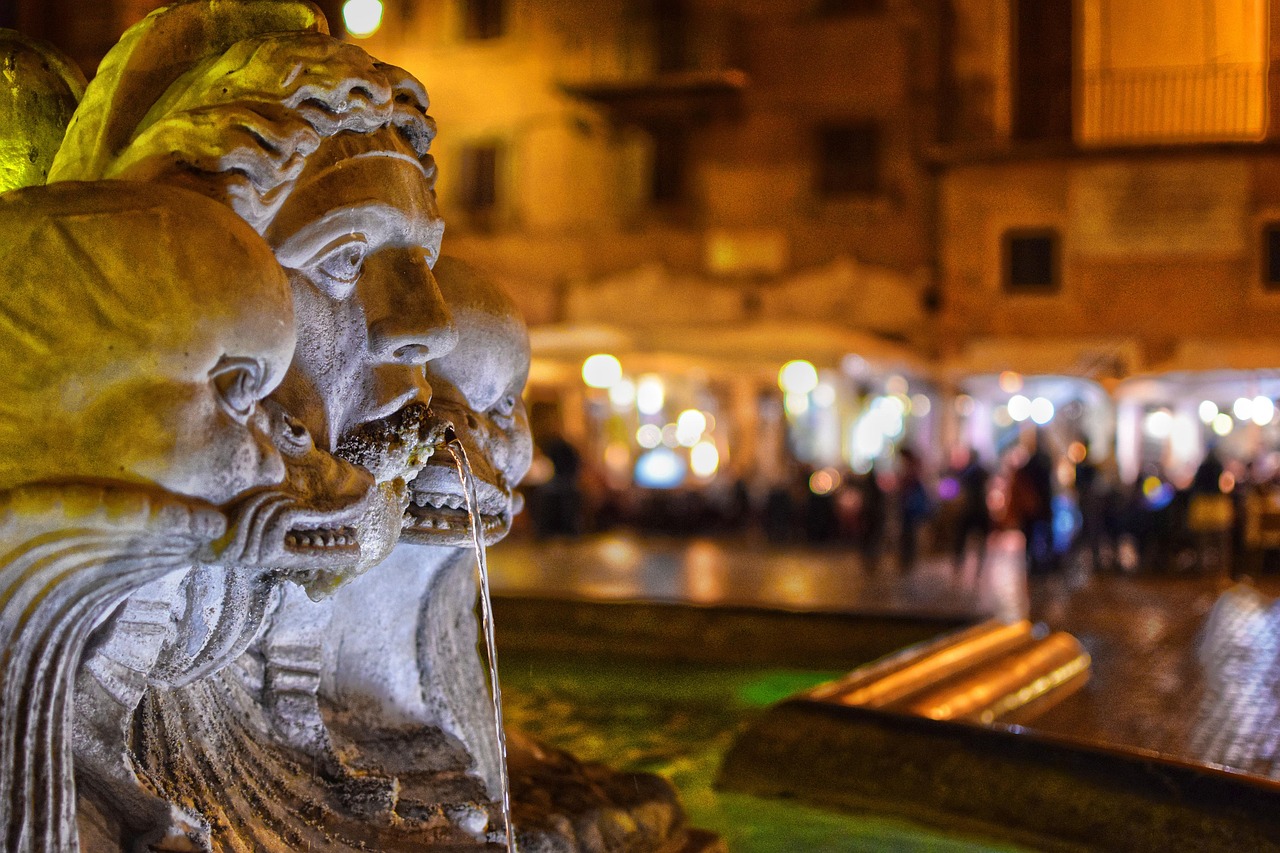
For centuries, the Trevi Fountain has been free, open, and irresistible. Tossing a coin over one’s shoulder into its shimmering basin is among the most enduring rituals in global tourism. But as visitor numbers surge beyond what Rome’s historic core can comfortably handle, the city is drawing a line—literally.
Under new measures, tourists must now pay or reserve access to get up close to the Trevi Fountain during peak hours, a move that has sparked debate about fairness, preservation, and the future of travel in overburdened heritage cities.
This is not just about one fountain. It’s about how cities adapt when global popularity threatens local survival.

1. Why Rome decided to act now
The Trevi Fountain attracts tens of thousands of visitors per day, especially during peak tourist seasons. What was once a steady flow has become near-constant congestion.
Problems that prompted action include:
- Severe overcrowding that limits movement
- Safety concerns in tight spaces
- Physical wear to surrounding stonework
- Difficulty enforcing rules against sitting, climbing, or vandalism
- Diminished experience for both tourists and locals
Rome’s authorities concluded that unmanaged access was no longer sustainable.
2. What the new access rules actually mean
The policy does not close the Trevi Fountain or charge for viewing it entirely.
Instead:
- General viewing remains free
- Close-up access during busy daylight hours requires payment or reservation
- Visitor numbers are capped in the immediate fountain area
- Evening and off-peak access may remain unrestricted
The goal is not exclusion, but control—reducing density without eliminating access.
3. Why daylight hours matter most
Crowding peaks during daylight for several reasons:
- Tour groups operate primarily during daytime
- Cruise and coach schedules align with daylight visits
- Travelers prioritize landmark sightseeing early in trips
At night, crowds thin naturally, making restrictions less necessary. The policy targets the pressure points rather than imposing blanket fees.
4. The economics of preservation
Rome spends millions annually maintaining historic monuments exposed to:
- Foot traffic
- Pollution
- Weathering
- Vandalism
Revenue from controlled access can be used for:
- Conservation and cleaning
- Security and staffing
- Crowd management infrastructure
- Restoration projects
In this sense, the fee is less about profit and more about self-funding preservation.
5. Is this fair to travelers?
Critics argue that iconic public spaces should remain free and accessible to all. Supporters counter that unlimited access already favors those with time, money, and mobility.
Charging for close access:
- Encourages planning rather than pushing
- Reduces the incentive to overcrowd
- Improves the experience for those who choose to enter
The debate reflects a broader shift: tourism is moving from spontaneity to managed access.
6. How locals view the change
For residents, the Trevi Fountain is not just a postcard—it’s part of daily life.
Local concerns include:
- Difficulty passing through their own neighborhood
- Noise and congestion
- Loss of public space to tourism
Many residents support measures that restore balance, even if they change long-standing traditions.

7. Rome is not alone: a European trend
Rome’s decision mirrors actions taken across Europe:
- Venice limits entry and charges day-trippers
- Paris restricts access at major museums
- Barcelona regulates tourist flows in historic districts
- Amsterdam discourages mass tourism in city centers
The Trevi Fountain policy fits into a continental shift toward quality over quantity.
8. Does paying actually improve the experience?
Evidence from other sites suggests it can.
Controlled access often results in:
- Less pushing and crowding
- Better photo opportunities
- More time to appreciate details
- Greater respect for the space
When access feels intentional rather than chaotic, visitors tend to behave differently.
9. What happens to the famous coin tradition?
The tradition of tossing a coin—said to ensure a return to Rome—continues.
Coins collected from the fountain:
- Total over a million euros annually
- Are donated to charitable causes
Managed access does not eliminate the ritual; it protects the setting that makes it meaningful.
10. Is this the future of iconic landmarks?
As global travel continues to grow, cities face hard choices.
Charging for proximity—rather than entry—may become a compromise:
- Public visibility remains free
- Intimate access is regulated
- Preservation is funded sustainably
The Trevi Fountain may be a test case for how cities protect beauty without walling it off.
Conclusion: A price on closeness, not on wonder
Rome’s decision to charge for close access to the Trevi Fountain is not about commodifying history—it’s about preventing its erosion.
The fountain remains a shared symbol. But in a world of mass travel, sharing sometimes requires limits. Paying to get closer may feel like a loss of spontaneity, but it may also be the price of keeping Rome’s most beloved landmarks intact for generations to come.
Frequently Asked Questions (FAQ)
1. Is the Trevi Fountain now fully ticketed?
No. Viewing the fountain remains free; only close-up access during peak hours is regulated.
2. How much does it cost to get close?
Prices may vary depending on time and demand, with details set by local authorities.
3. Can I still toss a coin?
Yes. The tradition continues within managed access zones.
4. Why target daylight hours?
Because that’s when crowding is most severe.
5. Is this just a money grab?
City officials say funds are directed toward preservation and crowd management.
6. Are locals required to pay?
Local access rules may differ, especially for residents passing through.
7. Does this reduce overcrowding?
Early evidence from similar policies suggests it does.
8. Are other Rome landmarks next?
Possibly. Authorities are evaluating crowd control at other popular sites.
9. Is this common in Europe?
Yes. Many cities now regulate access to iconic locations.
10. Will this discourage tourism?
Unlikely. Rome remains one of the world’s most visited cities, but the experience may become calmer and more intentional.

Sources KOMO

