
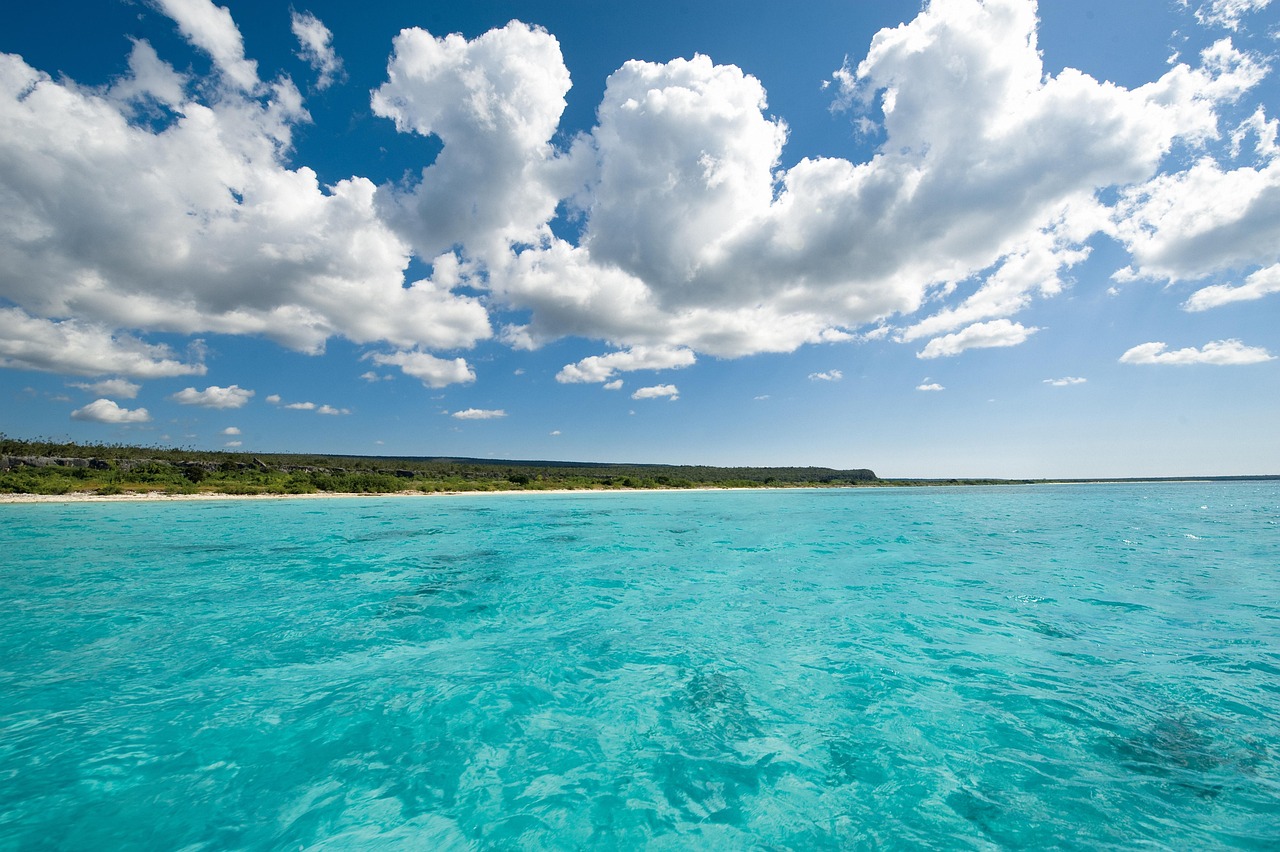
Pedernales–Cabo Rojo is quickly rising from relative obscurity to become one of the most talked-about new destinations in the Caribbean. Positioned on the remote southwestern coast of the Dominican Republic, bordering Haiti, this region has long been admired for its natural beauty but has lacked big infrastructure and tourism development—until now. A confluence of government initiative, private investment, environmental focus, and its untapped landscapes are shaping a vision of a luxury, eco-friendly tourist destination. Below is what is known, what’s being built, what’s at stake, and what travelers can expect in the near future.
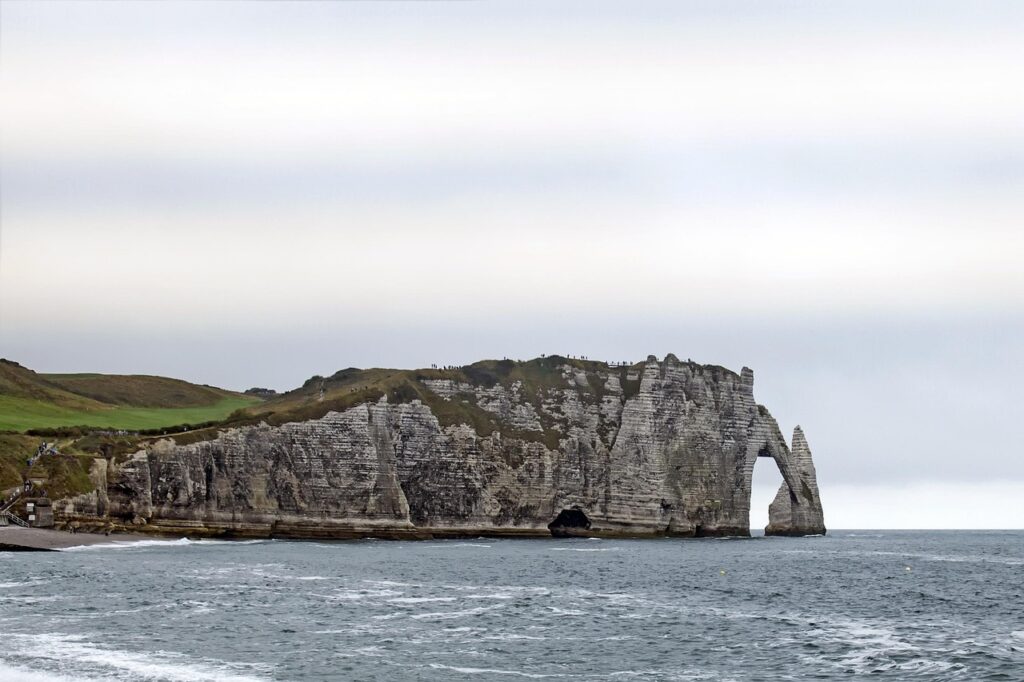
What It Looks Like Now
Natural Landscape & Key Attractions
- Pristine beaches: Cabo Rojo Beach offers powder-white sand and turquoise waters. Nearby, Bahía de las Águilas is often cited as one of the most stunning, unspoiled beaches in the Caribbean.
- Biodiversity: The area includes parts of the Jaragua‑Bahoruco‑Enriquillo Biosphere Reserve, which contains mangroves, lagoons, coral reefs, and wildlife such as juvenile hawksbill turtles and Antillean manatees.
- Port & Coastal Scenery: The Cabo Rojo cruise terminal is built on what was formerly a bauxite mining depot, with remnants of mining structures still visible. It acts as a gateway for cruise travelers and part of broader port-based attraction offerings.
Infrastructure, Projects, & Development
- Hotels and Resorts: In its first phase, multiple hotels are under construction, including a 580‑room Iberostar, and resorts under the “Inclusive Collection” by Hyatt (such as Dreams and Secrets).
- Cruise port: The port opened in 2024 and has already started receiving cruise ships.
- Airport: Plans exist for a new international airport in Pedernales. The domestic airstrip (Aeropuerto Doméstico de Cabo Rojo) exists, but as of mid‑2025 it does not have regular commercial international traffic.
- Road & Utility Upgrades: There are major infrastructure works including a four‑lane highway, improvements to access roads, water and electric utilities, wastewater treatment plants, and plans for aqueducts.
- Legal / Institutional Framework: The government has passed legislation to create a tourism corporation under government oversight to help manage development. Also, public‑private partnership structures are being used to fund and oversee the project.
Scale & Investment
- The total investment for the Cabo Rojo project is estimated at approximately USD 2.245 billion.
- Overall target: 12,000 hotel rooms over about 10 years. The first phase includes around 4,700 rooms.
- Thousands of direct and indirect jobs are being created—related to construction, hospitality, and service industries.
What’s in the Plan: Vision, Sustainability & Constraints
The Pedernales‑Cabo Rojo project is being explicitly framed around sustainability and environmental protection. Some of the stated initiatives include:
- Use of eco‑friendly hotel design with conservation of water and energy, plastic reduction, and minimal environmental footprint.
- Involvement of environmental institutions and local communities through conservation nurseries and endemic plant reintegration.
- Protected areas such as Bahía de las Águilas have been designated off-limits for hotel construction.
However, there are challenges:
- Many roads are still under construction, and some access points remain underdeveloped.
- Environmental risks remain high, including potential harm to sensitive ecosystems.
- Ensuring meaningful local community inclusion is a work in progress, especially regarding employment and cultural preservation.
Where Things Stand as of Late 2025
Here is what visitors, investors, and the general public can expect in this near‑term timeframe:
- The cruise port is operational and receiving ships.
- Several hotels are under construction and expected to open by 2025.
- Infrastructure is improving but remains inconsistent in some areas.
- Environmental efforts are active but will require continuous oversight.
- Programs for job creation and training are being rolled out, especially for the local population.
What to Expect (And What to Watch For)
Pedernales–Cabo Rojo may soon offer:
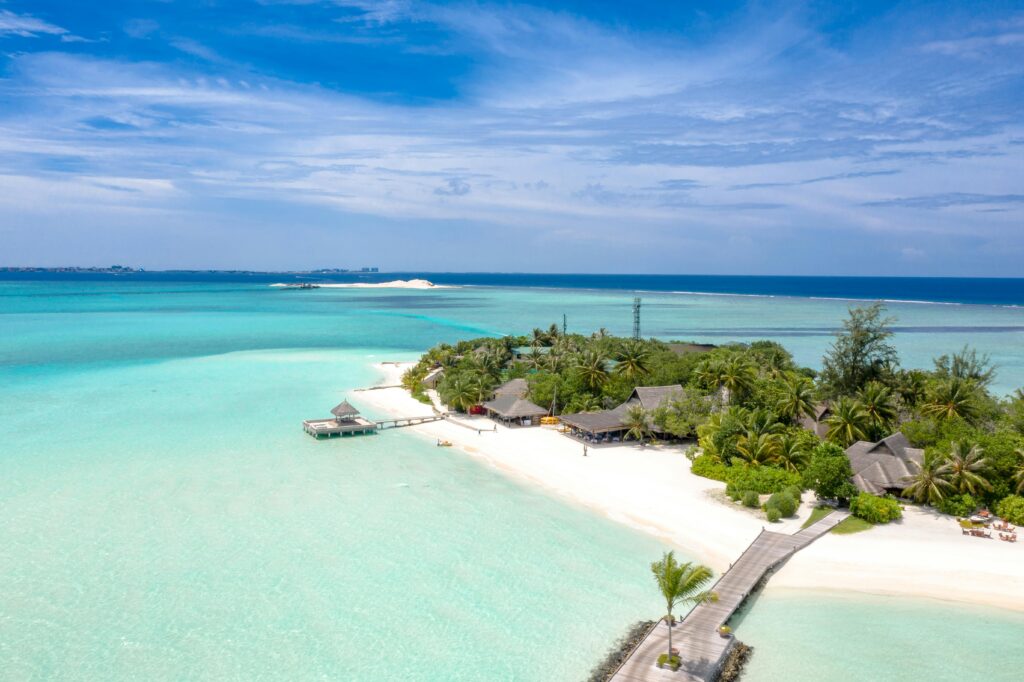
- Luxury resorts paired with eco‑tourism and low‑density natural areas.
- Access to pristine beaches and protected marine environments for snorkeling, diving, and wildlife exploration.
- Enhanced accessibility via a new airport and improved highways.
- Cultural tourism experiences through locally-led excursions, cuisine, and small businesses.
- Infrastructure designed for sustainability and resilience.
Success will depend on managing environmental impact, maintaining development quality, and including local communities in the growth process.
Frequently Asked Questions
| Question | Answer |
|---|---|
| How do I get there? | Currently, travelers reach the area by road from Santo Domingo or Barahona. A domestic airport exists but has no regular international flights yet. A new international airport is planned. |
| When will the hotels open? | Initial hotels, including those under Iberostar and Hyatt’s Inclusive Collection, are expected to open by late 2025. Full buildout will continue over the next decade. |
| Is it safe and accessible? | The region is remote, with developing infrastructure. Safety concerns are minimal for tourists, but planning ahead for transport and accommodations is advisable. |
| Will it become overdeveloped like other Caribbean resorts? | The government emphasizes sustainable and low-impact tourism. However, this depends on how closely the development adheres to environmental regulations. |
| What kind of lodging is available? | Early stages favor upscale resorts and all-inclusives. Smaller guesthouses and eco-lodges are expected to grow alongside major hotel chains. |
| Are there environmental concerns? | Yes. There are risks to marine and terrestrial ecosystems, but conservation measures are in place. Long-term success depends on enforcement and monitoring. |
| How will locals benefit? | Development plans include job training, employment programs, and support for local entrepreneurship. Time will tell how equitable the distribution of benefits is. |
| When is the best time to visit? | The dry season (late fall through early spring) offers the best weather. Earlier visits provide a quieter experience but with fewer available amenities. |
| What should I plan for when visiting? | Travelers should plan ahead, especially with transportation and accommodations. Essentials like sun protection, insect repellent, and backup power sources are recommended in remote areas. |
Conclusion
Pedernales–Cabo Rojo is a bold new chapter for Caribbean tourism—one that aspires to balance luxury with ecology, development with preservation, and global travel with local empowerment. With pristine beaches, unique biodiversity, and significant government backing, this destination has the potential to be one of the Dominican Republic’s most valuable tourism frontiers.
Time—and responsible management—will determine whether it becomes a model for sustainable development or falls into the pitfalls of over-commercialization. For now, it remains a beautiful place to watch, visit, and invest in, as it transforms into a Caribbean icon.

Sources Bloomberg

