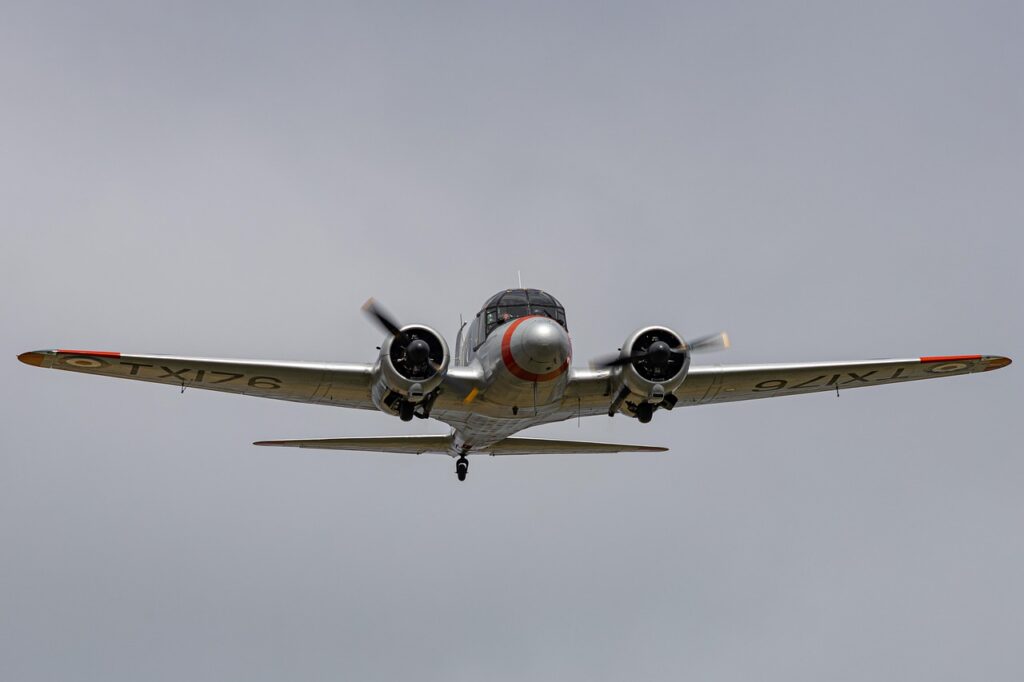
A sightseeing flight over one of Peru’s most famous archaeological wonders ended in tragedy after a small aircraft carrying visitors crashed near the Nazca Lines, killing 13 people, according to police authorities. The accident has shocked Peru’s tourism industry and renewed attention on the safety challenges surrounding aerial tours of ancient landmarks.
The Nazca Lines, a collection of enormous geoglyphs carved into the desert more than 1,500 years ago, are among South America’s most recognizable cultural attractions. Thousands of visitors travel to the region every year to view the mysterious designs from small aircraft, making aviation safety a critical part of the tourism experience.
The crash has prompted questions about aircraft maintenance, pilot training, operational standards, and emergency procedures for sightseeing flights that operate in demanding desert environments.
The Nazca Lines: A Global Tourism Icon
Located in southern Peru, the Nazca Lines consist of hundreds of large-scale drawings created by the ancient Nazca civilization between approximately 200 BC and 600 AD.
The designs include:
- Animals
- Plants
- Geometric shapes
- Human-like figures
- Long straight lines stretching across the desert
Because many of the figures can only be fully appreciated from the air, small aircraft tours have become one of the region’s most popular tourist activities.
What Happened During the Flight
According to authorities, the aircraft was carrying passengers on a sightseeing trip when it crashed near the Nazca area. Emergency responders arrived after the incident, but all people aboard were reported killed.
Officials began investigations to determine:
- The cause of the crash
- Weather conditions at the time
- Aircraft condition
- Pilot performance
- Operational procedures
Investigations into aviation accidents often take weeks or months because authorities must examine physical evidence, flight records, maintenance history, and witness accounts.
Small Aircraft Tourism in Peru
Aerial sightseeing flights are common in Peru, especially around major attractions such as:
- The Nazca Lines
- Amazon rainforest regions
- Mountain landscapes
- Archaeological sites
These flights provide unique experiences but also involve challenges, including:
- Smaller aircraft
- Lower operating altitudes
- Frequent takeoffs and landings
- Weather sensitivity
- Limited emergency options
Why Sightseeing Flights Require Special Safety Measures
Tourist aircraft operations differ from traditional airline travel.
Operators must manage:
- Aircraft maintenance schedules
- Pilot qualifications
- Passenger safety briefings
- Weight distribution
- Fuel management
- Weather monitoring
- Emergency planning
Strong safety systems are essential because sightseeing flights often operate close to terrain and in areas with limited landing options.
Aviation Safety in Tourist Destinations
Around the world, aviation accidents involving tourism flights have raised similar concerns.
Common contributing factors in small aircraft accidents can include:
- Mechanical failures
- Pilot error
- Poor weather decisions
- Inadequate maintenance
- Communication problems
- Operational pressure
However, investigators must rely on evidence rather than assumptions when determining the cause of a specific crash.
Economic Impact on Local Tourism
The Nazca Lines are a major economic driver for nearby communities.
Tourism supports:
- Aircraft operators
- Hotels
- Restaurants
- Tour guides
- Transportation providers
- Local shops
- Cultural attractions
A serious accident can affect visitor confidence, especially among international travelers.
Balancing Tourism Growth and Safety
Tourism destinations often face the challenge of expanding visitor access while maintaining strict safety standards.
Authorities may consider:
- Stronger inspection requirements
- Improved pilot training
- Better aircraft monitoring
- Updated safety regulations
- Enhanced emergency response systems
Maintaining public confidence is essential for long-term tourism sustainability.
The Importance of Aviation Investigations
Following a crash, investigators typically examine:
- Aircraft wreckage
- Engine components
- Flight data
- Maintenance records
- Pilot history
- Weather information
- Communication records
The goal is not only to identify what happened but also to prevent similar accidents in the future.
Protecting Cultural Heritage Tourism
The Nazca Lines represent one of Peru’s most valuable cultural resources.
Tourism management must balance:
- Visitor access
- Archaeological preservation
- Environmental protection
- Economic benefits
- Safety requirements
Responsible tourism helps ensure that important heritage sites remain available for future generations.
Lessons for Travelers
Visitors participating in adventure or sightseeing activities should consider:
- Choosing licensed operators
- Checking safety records
- Following official travel guidance
- Understanding weather limitations
- Asking about emergency procedures
Tourism experiences involving aircraft, boats, mountains, or extreme environments require careful planning.
The Future of Nazca Tourism
Despite the tragedy, the Nazca Lines remain an important symbol of Peru’s cultural heritage.
Future tourism recovery will likely depend on:
- Investigation results
- Safety improvements
- Public confidence
- Transparent communication
- Stronger operational standards
Ensuring safe access to cultural attractions will remain a priority for Peru’s tourism sector.
The Bigger Picture
The crash near the Nazca Lines highlights the complex relationship between tourism, aviation, and cultural preservation. Attractions that offer unique experiences often depend on specialized transportation methods, whether aircraft, boats, mountain vehicles, or other forms of adventure travel. These experiences create economic opportunities and allow visitors to connect with remarkable places, but they also require careful management of risk.
For Peru, the incident represents both a human tragedy and a challenge for one of its most internationally recognized tourism destinations. Restoring confidence will require a thorough investigation, transparent communication, and a commitment to improving safety standards. While accidents involving small aircraft are relatively rare, each incident provides an opportunity to strengthen regulations and protect future travelers.
The Nazca Lines will continue to attract visitors from around the world because of their historical and cultural significance. The challenge ahead is ensuring that people can experience this extraordinary archaeological wonder through tourism systems that prioritize safety, responsibility, and long-term sustainability.
Frequently Asked Questions (FAQs)
1. What are the Nazca Lines?
The Nazca Lines are ancient geoglyphs located in Peru’s Nazca Desert. Created by the Nazca civilization more than 1,500 years ago, they depict animals, plants, geometric forms, and other large designs that are best viewed from the air.
2. Why do tourists use airplanes to see the Nazca Lines?
Many Nazca Lines figures are too large to understand fully from the ground. Small aircraft provide aerial views that allow visitors to see the complete shapes and patterns across the desert landscape.
3. What causes small sightseeing plane accidents?
Possible causes can include mechanical problems, weather conditions, pilot decisions, maintenance issues, or operational factors. Investigators must analyze evidence before determining the exact cause of a specific accident.
4. Is it still safe to visit the Nazca Lines?
Tourism authorities typically review and improve safety measures after aviation incidents. Travelers should check official updates, choose licensed operators, and follow safety recommendations when booking flights.
5. How will the crash affect Peru’s tourism industry?
The accident may temporarily affect visitor confidence, but long-term tourism recovery depends on investigation results, safety improvements, transparent communication, and continued promotion of Peru’s cultural heritage.
Sources Aljazeera