
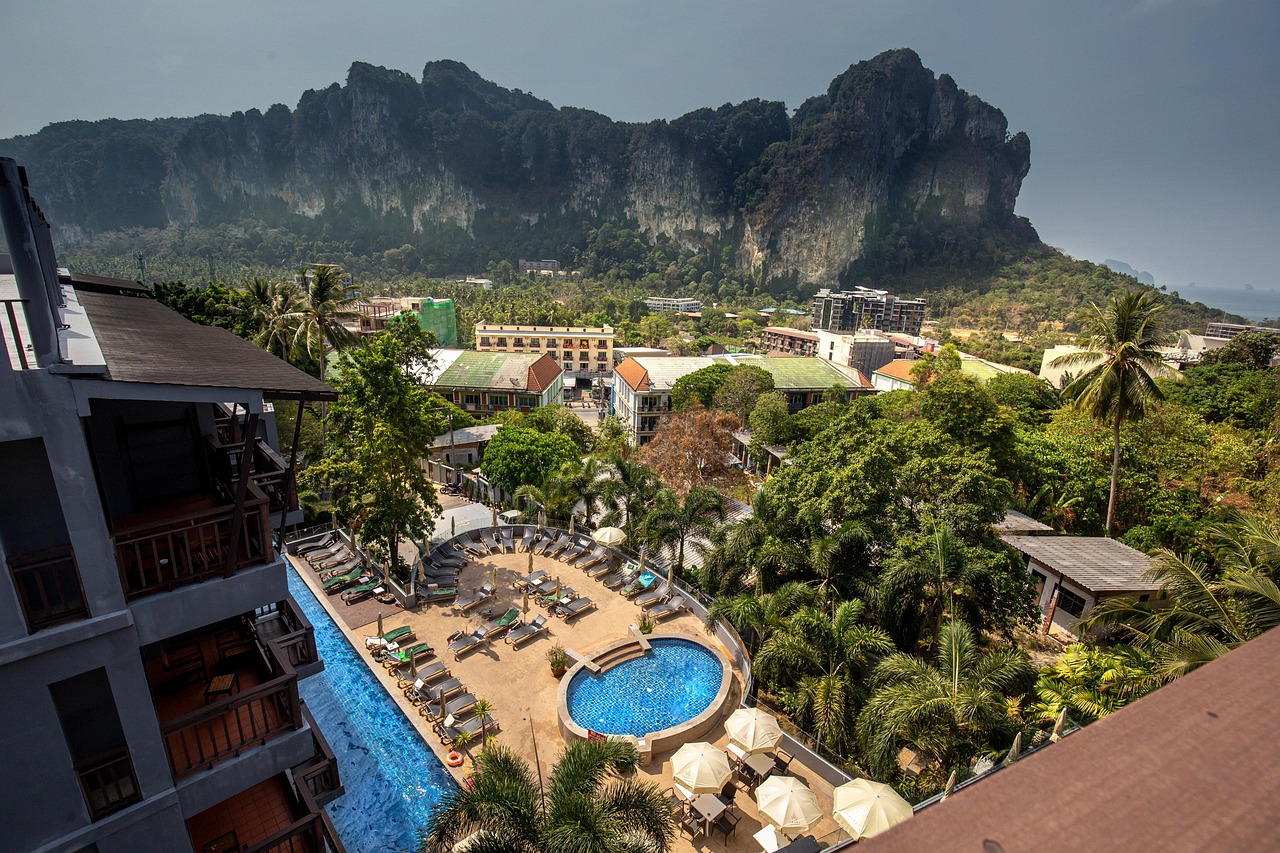
Phuket, long known for its beaches, luxury resorts, and vibrant nightlife, is redefining its global identity through art. The Phuket Biennale, part of Thailand’s growing investment in cultural tourism, is transforming the island into an international hub for contemporary art—where installations, performances, and exhibitions blend seamlessly with tropical landscapes.
Far more than a traditional art exhibition, the biennale represents a broader shift in how destinations use creative industries to diversify tourism, engage local communities, and elevate cultural identity. As global travelers increasingly seek meaningful and immersive experiences, events like the Phuket Biennale are positioning art as a central pillar of modern travel.

What Is the Phuket Biennale?
The Phuket Biennale is a large-scale international contemporary art event that brings together artists from around the world to create site-specific works across the island.
Unlike traditional museum exhibitions, the biennale is spread across multiple locations, including:
- Beaches and coastal areas
- Historic buildings and temples
- Public parks and urban spaces
- Hotels and cultural venues
This decentralized format encourages visitors to explore Phuket beyond typical tourist hotspots.
Art Meets Landscape: A Unique Exhibition Model
One of the defining features of the Phuket Biennale is its integration with the natural and cultural environment.
Artists often create works that respond directly to:
- The island’s coastal geography
- Tropical ecosystems
- Local traditions and folklore
- Environmental challenges
For example, installations may be placed along shorelines, in forests, or within heritage buildings, creating a dialogue between art and place.
This approach transforms the island itself into an open-air gallery.
Cultural Tourism and Economic Diversification
Thailand has been actively working to expand its tourism offerings beyond mass beach tourism.
Cultural events like the Phuket Biennale serve several strategic goals:
Attracting New Audiences
Art-focused tourism draws:
- International collectors
- Curators and critics
- Culturally engaged travelers
- Younger audiences interested in creative experiences
Extending Visitor Stays
Travelers attending cultural events are more likely to stay longer and explore multiple locations.
Supporting Local Economies
The biennale generates economic activity for:
- Hotels and restaurants
- Transportation services
- Local artisans and vendors
- Cultural institutions
By diversifying tourism, Phuket reduces reliance on seasonal beach tourism alone.
The Role of Local Communities
A key aspect of the Phuket Biennale is its engagement with local communities.
Projects often involve:
- Collaboration with local artists
- Community workshops and educational programs
- Participation from schools and cultural groups
This helps ensure that the event is not just for international visitors but also meaningful for residents.
However, balancing global art perspectives with local cultural authenticity remains an ongoing challenge.
Environmental Themes in Contemporary Art
Many works featured in the biennale address environmental issues—particularly those relevant to island ecosystems.
Common themes include:
- Climate change and rising sea levels
- Marine conservation
- Tourism’s environmental impact
- Sustainability and resource use
By placing art in natural settings, the biennale encourages visitors to reflect on the relationship between tourism and environmental preservation.

Phuket’s Transformation into a Cultural Destination
Phuket’s identity is evolving from a purely leisure destination to a multi-dimensional cultural hub.
This transformation aligns with broader global trends in tourism:
- Travelers seeking experiences beyond relaxation
- Increased interest in art, culture, and heritage
- Demand for unique, Instagram-worthy locations
Events like the biennale help reposition Phuket within the global tourism market.
Challenges and Criticism
Despite its success, the Phuket Biennale faces several challenges.
Accessibility
Because installations are spread across the island, visitors may need transportation to reach different sites.
Balancing Tourism and Culture
There is ongoing debate about whether large-scale art events risk becoming more about tourism promotion than artistic integrity.
Environmental Impact
Hosting international events in sensitive ecosystems requires careful planning to minimize environmental harm.
Inclusivity
Ensuring that local communities benefit from and feel represented in the event is crucial.
The Global Rise of Art Biennales
The Phuket Biennale is part of a global network of art biennales, including:
- Venice Biennale (Italy)
- Art Basel (Switzerland and global editions)
- Sydney Biennale (Australia)
- Sharjah Biennial (UAE)
These events have become important platforms for:
- Showcasing contemporary art
- Encouraging cultural exchange
- Boosting tourism economies
Phuket’s participation in this network signals its growing cultural significance.
The Future of Art and Tourism in Phuket
Looking ahead, the Phuket Biennale may continue to evolve through:
- Greater integration of digital and interactive art
- Expanded community participation
- Stronger sustainability initiatives
- Partnerships with international cultural institutions
As the lines between tourism, culture, and experience continue to blur, events like this are likely to play a larger role in destination branding.
Frequently Asked Questions
What is the Phuket Biennale?
It is an international contemporary art exhibition held across multiple locations in Phuket, Thailand.
Where are the artworks located?
Installations are spread across beaches, parks, temples, hotels, and public spaces throughout the island.
Why is Phuket hosting an art biennale?
The event helps diversify tourism, attract cultural travelers, and promote Thailand’s creative industries.
Is the biennale free to visit?
Many outdoor installations are accessible to the public, though some venues may charge entry fees.
What themes are explored in the artworks?
Common themes include environmental issues, cultural identity, and the impact of tourism.
How does the event benefit local communities?
It creates economic opportunities, supports local artists, and offers educational programs.
Can tourists combine the biennale with a regular vacation?
Yes. The event is designed to complement traditional tourism experiences in Phuket.
Conclusion
The Phuket Biennale represents a powerful intersection of art, tourism, and cultural identity. By transforming the island into a living gallery, the event offers visitors a new way to experience Phuket—one that goes beyond beaches and resorts to engage with creativity, community, and global dialogue.
As destinations worldwide seek to redefine tourism for a more experience-driven era, Phuket’s approach highlights the potential of art to not only attract visitors but also inspire reflection, connection, and cultural exchange.
In this evolving landscape, the Phuket Biennale stands as a vivid example of how travel can become not just a journey through places—but through ideas.

Sources The New York Times

