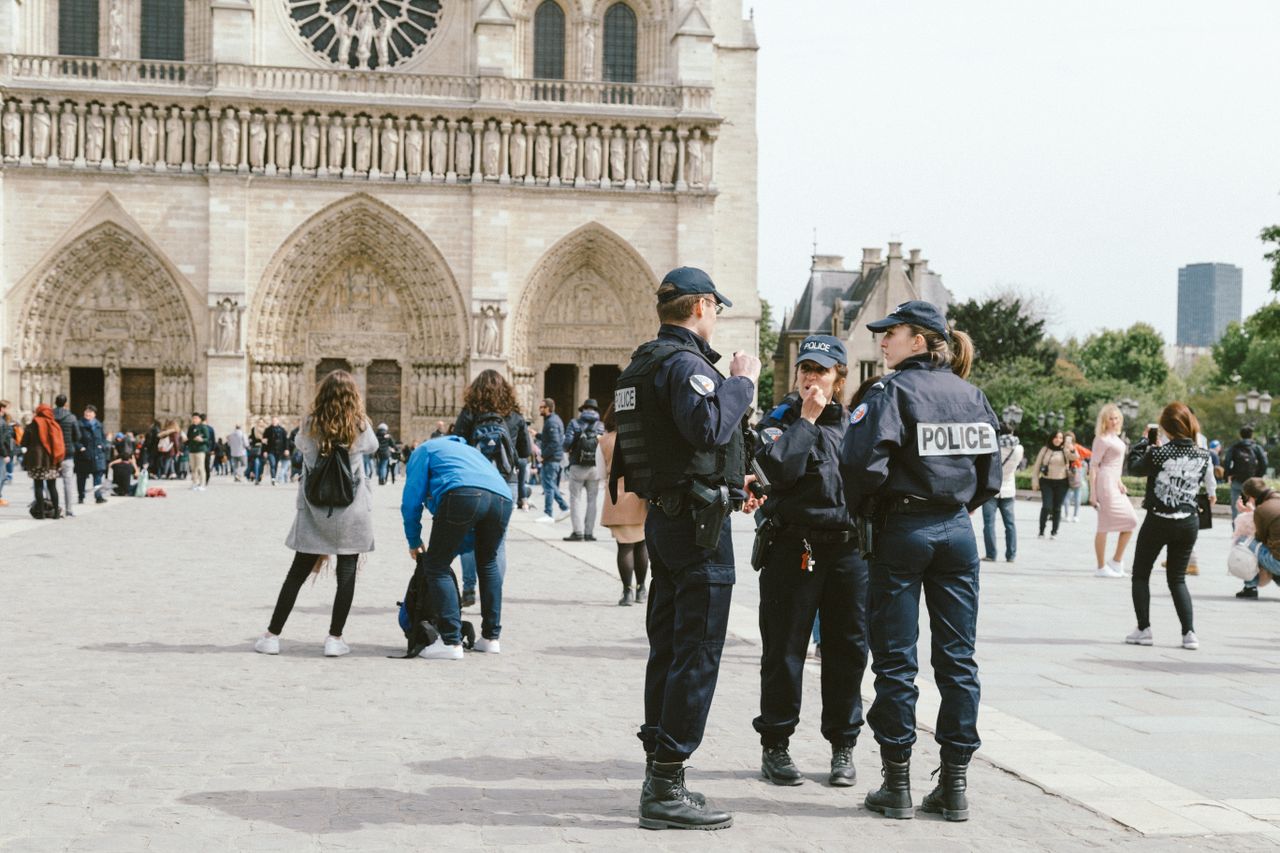
A destination can be famous for its beaches, history, culture, and hospitality—but a surge in crime or security threats can quickly change how international travelers view it.
A renewed travel warning issued by the United States government for a popular tourist destination has highlighted a growing challenge facing the global tourism industry: balancing the economic benefits of tourism with concerns over public safety, organized crime, terrorism risks, and traveler awareness.
Travel advisories are not travel bans. Instead, they are designed to help visitors make informed decisions by explaining potential risks and recommending precautions. However, even when a destination remains open and welcoming, official warnings can influence tourism patterns, business confidence, and international perceptions.
The issue reflects a broader global trend. As international travel rebounds, governments are paying closer attention to security threats that could affect millions of visitors each year.

Why Travel Warnings Matter
Travel advisories are issued by governments to provide guidance about safety conditions abroad.
The U.S. Department of State evaluates factors such as:
- Crime levels
- Terrorism threats
- Civil unrest
- Political instability
- Health risks
- Natural disasters
- Local law enforcement conditions
Advisories generally use risk levels to communicate concerns:
- Level 1: Exercise normal precautions
- Level 2: Exercise increased caution
- Level 3: Reconsider travel
- Level 4: Do not travel
A renewed warning does not necessarily mean an entire country or city is unsafe. Often, risks are concentrated in specific areas or involve particular situations.
The Growing Concern: Crime and Tourism
Crime is one of the most common factors affecting travel perceptions.
Tourist destinations can face unique security challenges because visitors often:
- Carry valuables
- Are unfamiliar with local areas
- Use public transportation
- Visit crowded attractions
- Spend time in nightlife districts
Common crimes affecting tourists include:
- Pickpocketing
- Phone theft
- Scams
- Robbery
- Credit card fraud
- Taxi-related scams
While many incidents are nonviolent, they can significantly affect travelers’ experiences and a destination’s reputation.
Why Tourist Areas Can Attract Criminal Activity
Popular destinations often create opportunities for criminals because they concentrate large numbers of visitors in small areas.
Tourism hotspots typically have:
- Crowded streets
- Busy transportation hubs
- International visitors unfamiliar with local customs
- Expensive hotels and restaurants
Criminal groups may specifically target tourist zones because visitors are perceived as easier targets.
Authorities in many countries respond with:
- Increased police presence
- Tourist police units
- Surveillance systems
- Public awareness campaigns
- Improved emergency response
Terrorism Concerns and International Travel
Terrorism remains another factor considered in travel advisories.
Modern security threats can include:
- Extremist attacks
- Lone-actor violence
- Political violence
- Attacks on public gatherings
Major tourist locations can become symbolic targets because they attract international attention.
However, governments generally emphasize that travelers should remain alert without assuming danger is unavoidable.
Recommended precautions often include:
- Monitoring local news
- Avoiding demonstrations
- Staying aware of surroundings
- Following official safety instructions
The Economic Impact of Security Concerns
Tourism is highly sensitive to public perception.
A travel warning can affect:
Visitor Numbers
Some travelers may:
- Cancel trips
- Choose alternative destinations
- Delay bookings
Even a small decline can affect tourism-dependent economies.
Local Businesses
Businesses that depend on visitors may experience:
- Lower restaurant traffic
- Reduced hotel occupancy
- Fewer tour bookings
- Declining retail sales
Small businesses are often among the first affected.
Destination Reputation
Tourism relies heavily on trust.
A destination’s image can be shaped by:
- News reports
- Government warnings
- Social media discussions
- Traveler reviews
Recovering from negative perceptions can take years.

Why Travelers Should Avoid Panic
Travel advisories are designed to inform, not create unnecessary fear.
Millions of people travel internationally every year without experiencing serious problems.
A warning may reflect:
- Specific neighborhoods
- Certain types of crime
- Temporary conditions
- Ongoing investigations
Responsible travelers can reduce risks through preparation.
Practical Safety Tips for Visitors
Travel experts commonly recommend several precautions.
Research Before Traveling
Before departure, travelers should understand:
- Local laws
- Common scams
- Transportation options
- Emergency numbers
- Areas to avoid
Protect Personal Belongings
Visitors should:
- Avoid displaying expensive electronics
- Use hotel safes
- Keep copies of important documents
- Be cautious in crowded areas
Stay Connected
Travelers should:
- Share itineraries with family
- Keep emergency contacts available
- Maintain access to communication
- Register with official travel notification programs when available
Be Careful at Night
Nightlife areas can create additional risks.
Visitors should:
- Use licensed transportation
- Stay with trusted companions
- Avoid isolated areas
- Watch drinks and personal belongings
How Destinations Respond to Travel Warnings
Tourism authorities often work to reduce security concerns through:
Increased Police Presence
Many tourist cities deploy additional officers in:
- Historic districts
- Airports
- Train stations
- Major attractions
Visitor Education
Destinations increasingly provide information about:
- Common scams
- Emergency procedures
- Local safety practices
Technology Solutions
Cities use:
- Surveillance systems
- Emergency communication platforms
- Digital mapping tools
- Crime data analysis
Technology allows authorities to identify problem areas and respond faster.
The Challenge of Balancing Security and Tourism
Governments face a difficult balance.
Too little security can put visitors at risk.
Too much visible security can create the impression of danger.
Successful tourism destinations aim to create environments where travelers feel:
- Safe
- Welcome
- Comfortable
- Respected
Security measures must protect visitors while preserving the atmosphere that attracts them.
Travel Advisories in the Post-Pandemic Era
The global tourism recovery has changed how travelers think about safety.
Visitors now pay greater attention to:
- Health systems
- Political stability
- Climate risks
- Crime levels
- Emergency preparedness
Safety has become a major factor in destination selection.
The Future of Safe Tourism
The future of tourism security will likely involve:
- Artificial intelligence crime analysis
- Smart city technology
- Better international cooperation
- Improved emergency communication
- More transparent safety information
Travelers are not looking for risk-free destinations—such places rarely exist. They want destinations that manage risks effectively.
Conclusion: Awareness Is the Key to Safer Travel
A renewed travel warning does not automatically mean travelers should avoid a destination. Instead, it highlights the importance of informed decision-making.
Tourism thrives when visitors feel confident and communities remain prepared.
For travelers, the best approach is:
- Stay informed
- Prepare carefully
- Respect local conditions
- Follow official guidance
For destinations, maintaining safety is essential not only for protecting visitors but also for preserving the economic and cultural benefits that tourism brings.
In a connected world, safety and tourism success are increasingly inseparable.
Frequently Asked Questions (FAQs)
1. Does a U.S. travel warning mean I should cancel my trip?
Not necessarily. Travel warnings provide risk information, but travelers should evaluate the specific concerns, locations affected, and their own comfort level before making decisions.
2. What are the most common safety problems tourists face?
The most common issues include pickpocketing, scams, theft, transportation problems, and occasional violent crime.
3. How can tourists stay safe in destinations with security concerns?
Travelers can reduce risks by researching destinations, protecting valuables, staying aware of surroundings, avoiding risky areas, and following official guidance.
4. Do travel warnings hurt tourism economies?
Yes. Even temporary warnings can influence visitor confidence, hotel bookings, local businesses, and destination reputation.
5. Are popular tourist destinations generally safe?
Many popular destinations remain safe despite having some security challenges. Millions of visitors travel successfully each year by taking normal precautions and staying informed.

Sources Fox News