
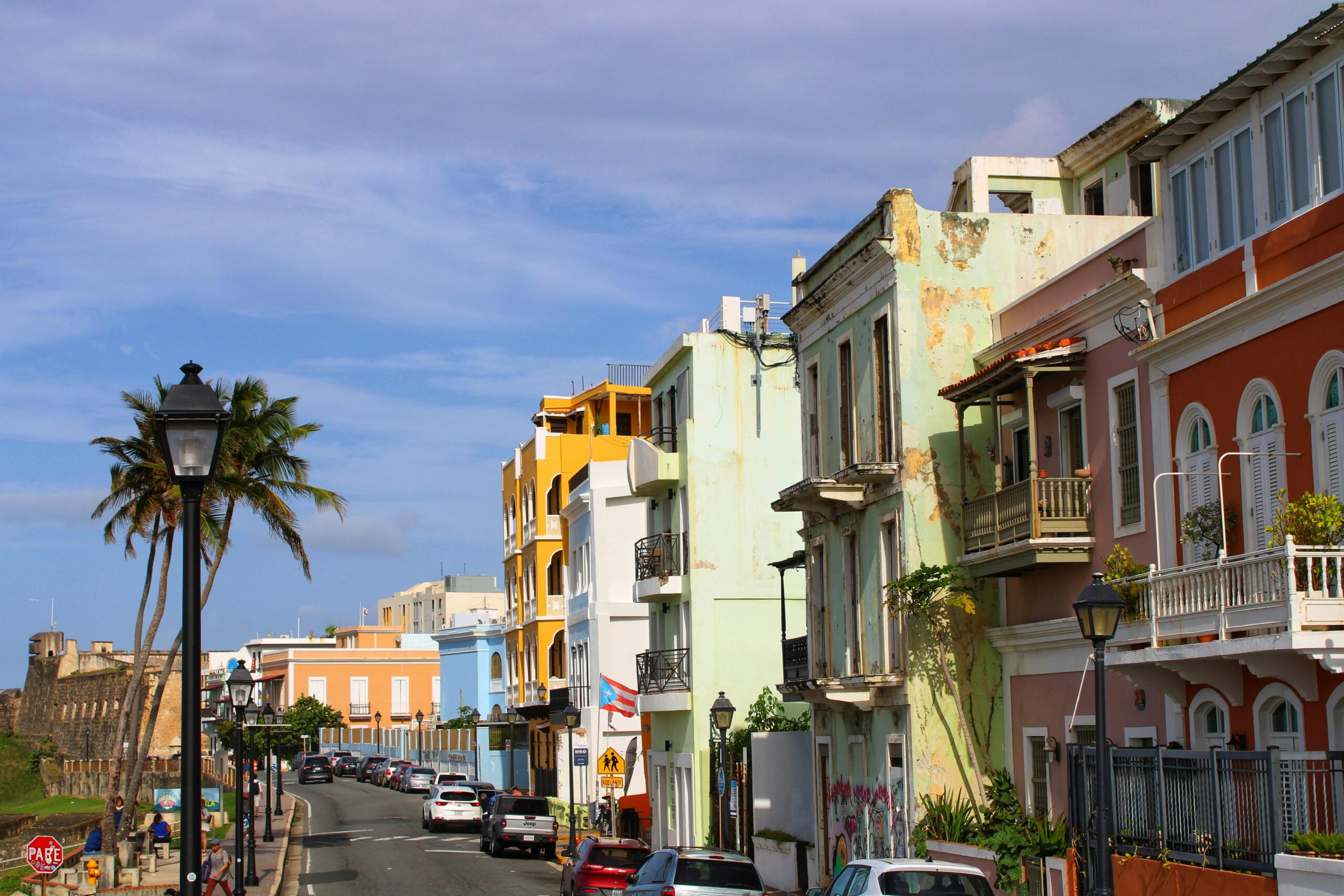
Puerto Rico has always drawn travelers with its blend of Caribbean beaches, Spanish colonial history, and vibrant culture. But in 2026, tourism to the island feels different. It is not just rebounding—it is evolving.
Visitor numbers are climbing, new air routes are opening, and San Juan is once again buzzing with cruise passengers and convention-goers. Yet beneath the surface of this renewed interest lies a more complex story: one of resilience, reinvention, and a growing insistence that tourism must work with communities, not over them.
Puerto Rico is welcoming travelers—but on more thoughtful terms.
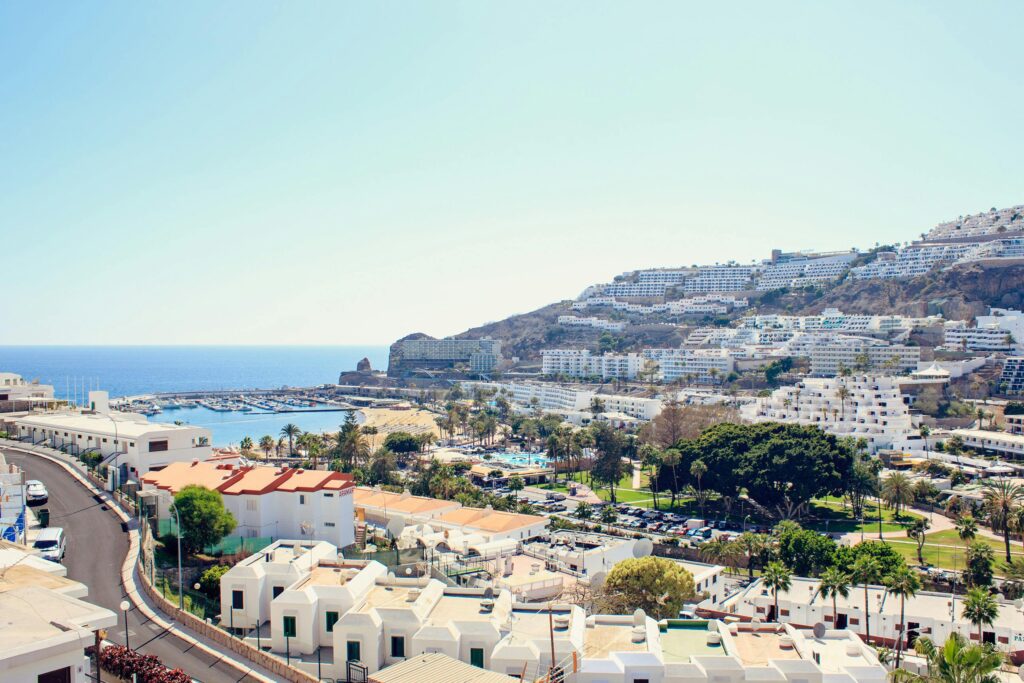
1. Why Puerto Rico travel is surging again
Several forces are driving renewed interest in Puerto Rico:
- Improved air connectivity from major U.S. cities
- Increased visibility through food, music, and pop culture
- Strong marketing positioning Puerto Rico as both familiar and distinct
- No passport requirement for U.S. travelers
- Growing appeal of domestic destinations amid global uncertainty
Unlike many Caribbean islands, Puerto Rico offers an international feel without international logistics—making it especially attractive to American travelers.
2. A destination shaped by resilience
Tourism in Puerto Rico cannot be separated from its recent history.
Hurricanes, earthquakes, economic crisis, and the pandemic deeply affected the island. In response, communities rebuilt not just infrastructure, but identity.
Today’s tourism narrative increasingly emphasizes:
- Local ownership and entrepreneurship
- Cultural pride rather than resort isolation
- Storytelling rooted in survival and creativity
Travelers aren’t just visiting beaches—they’re encountering a place that has fought hard to define itself on its own terms.
3. Beyond San Juan: rediscovering the whole island
While San Juan remains the main gateway, tourism is spreading more evenly.
Emerging destinations include:
- Rincón and the west coast for surfing and sunsets
- The central mountains for coffee, hiking, and agro-tourism
- Southern coastal towns rebuilding post-earthquake
- Vieques and Culebra for low-impact, nature-focused travel
This diversification reduces pressure on San Juan while bringing income to smaller communities.
4. The balance between growth and strain
Tourism brings jobs and revenue—but also challenges.
Ongoing concerns include:
- Housing pressure from short-term rentals
- Rising costs of living in popular areas
- Infrastructure stress during peak seasons
- Environmental impacts on beaches and reefs
Puerto Rico’s leaders increasingly stress that growth without guardrails risks repeating past mistakes.
5. Cultural tourism takes center stage
One of the most significant shifts is toward culture-first travel.
Visitors are engaging with:
- Afro-Caribbean history and music
- Indigenous Taíno heritage
- Local festivals and street food
- Contemporary art and design
Tourism is moving away from passive consumption and toward participation—learning, listening, and respecting context.
6. Sustainability and the environment
Puerto Rico’s natural beauty is both an asset and a responsibility.
Efforts are expanding to:
- Protect coral reefs and mangroves
- Promote responsible whale-watching and bioluminescent bay tours
- Encourage low-impact transportation
- Support eco-lodges and conservation tourism
Climate change looms large, making sustainable tourism not optional, but essential.
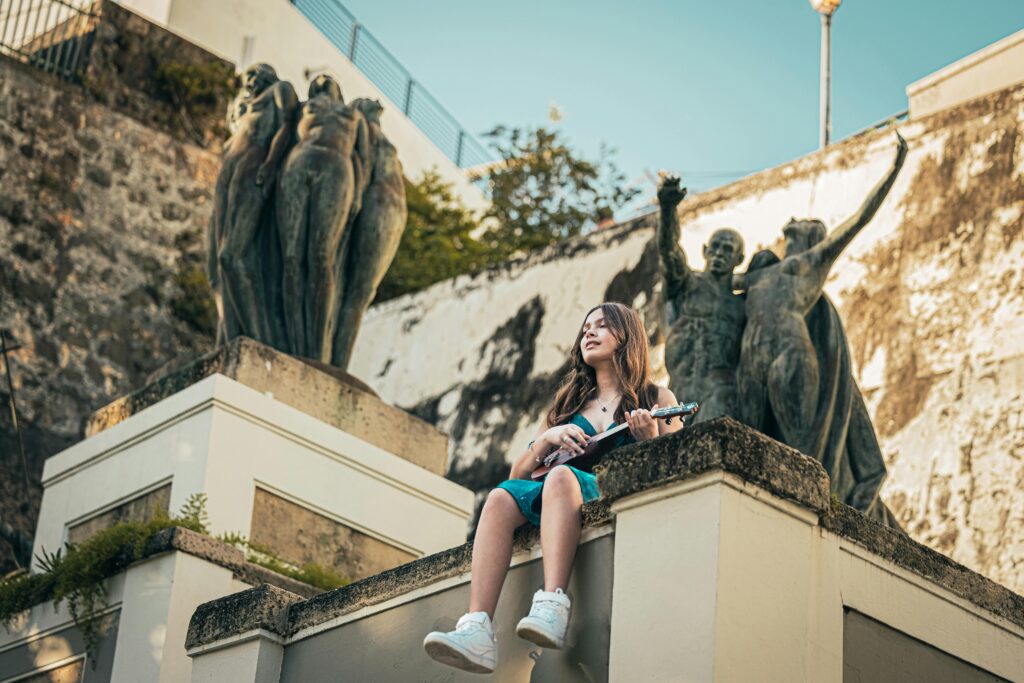
7. The role of the diaspora
Puerto Rico’s global diaspora plays a unique role in tourism.
Diaspora travelers:
- Visit family while supporting local businesses
- Bring first-time visitors with them
- Advocate for ethical travel practices
This “return tourism” blurs the line between visitor and resident—adding emotional depth to the industry.
8. Cruise tourism: opportunity and controversy
Cruise traffic has rebounded strongly, especially in San Juan.
Benefits include:
- High visitor volume
- Exposure for local vendors
Concerns remain:
- Limited economic spillover
- Environmental impact
- Crowding in historic districts
Balancing cruise tourism with long-stay travel remains a policy challenge.
9. What Puerto Rico wants visitors to know
The island’s message to travelers is evolving:
- Come curious, not entitled
- Support local businesses
- Learn a few words of Spanish
- Respect nature and neighborhoods
- Understand Puerto Rico beyond stereotypes
Tourism is welcome—but mindfulness matters.
10. What the future of tourism looks like on the island
Puerto Rico is betting on:
- Quality over quantity
- Community-based tourism
- Cultural authenticity
- Environmental protection
- Long-term resilience rather than short-term volume
The goal is not to become the busiest Caribbean destination—but one of the most meaningful.
Conclusion: Puerto Rico is open — and redefining the invitation
Puerto Rico’s tourism revival is not about erasing hardship or selling a fantasy. It’s about inviting travelers into a living, evolving culture shaped by struggle, joy, and creativity.
For visitors willing to go beyond the postcard, the island offers something rare: beauty with depth, warmth with honesty, and travel that feels like a relationship—not a transaction.
Frequently Asked Questions (FAQ)
1. Is Puerto Rico safe to visit in 2026?
Yes. Most tourist areas are safe, though travelers should exercise normal precautions.
2. Do U.S. citizens need a passport?
No. Puerto Rico is a U.S. territory.
3. When is the best time to visit?
Late spring and fall offer fewer crowds; winter is peak season.
4. Is tourism helping the local economy?
Yes, but there are ongoing debates about housing and sustainability.
5. Should travelers speak Spanish?
English is widely spoken, but basic Spanish is appreciated.
6. Are short-term rentals controversial?
Yes. They contribute to housing pressure in some areas.
7. Is Puerto Rico expensive?
Costs vary. Some areas rival U.S. cities, others remain affordable.
8. What kind of tourism is growing fastest?
Cultural, eco, and experiential tourism.
9. Are cruise visits recommended?
They offer a quick introduction but less economic benefit than longer stays.
10. How can travelers be responsible visitors?
Support local businesses, respect communities, and minimize environmental impact.
Sources USA Today

