
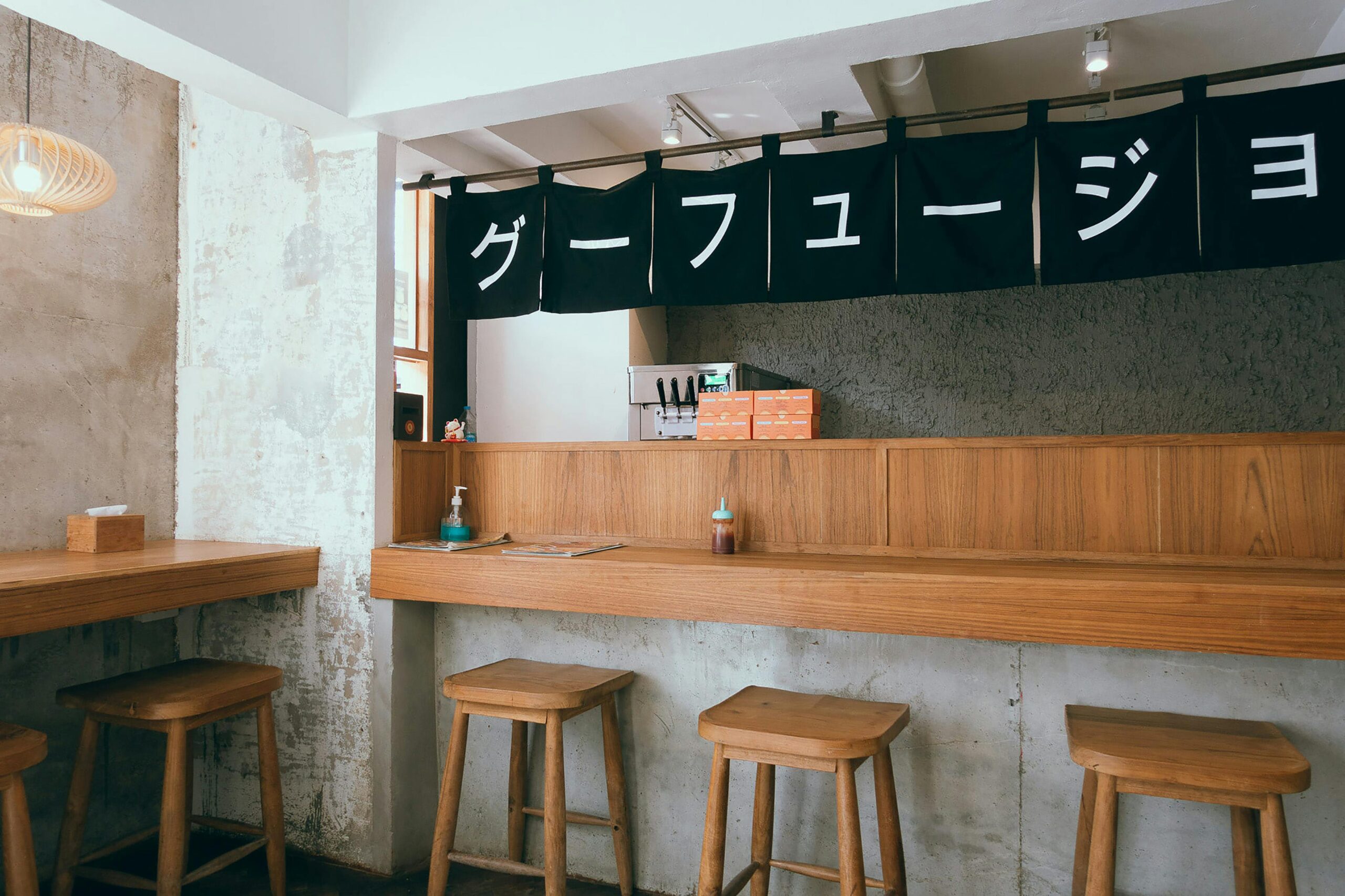
In Japan, communication often extends far beyond spoken words. While language is an essential tool for interaction, many aspects of Japanese culture rely on subtle cues, shared understanding, and unspoken social awareness. One concept that captures this approach to communication is “reading the air,” known in Japanese as kuuki wo yomu.
This phrase describes the ability to sense the mood of a situation and adjust one’s behavior accordingly—without needing explicit instructions or direct communication. In cities like Osaka, known for its lively culture and strong sense of community, this unspoken social skill plays an important role in daily interactions.
For visitors unfamiliar with Japanese communication styles, the idea of “reading the air” may seem mysterious. However, understanding this concept offers valuable insights into Japanese society, interpersonal relationships, and the broader philosophy of harmony that shapes many aspects of life in Japan.

Understanding the Meaning of “Reading the Air”
“Reading the air” refers to interpreting social cues, emotional signals, and situational context without needing direct explanation. Rather than relying solely on explicit language, individuals pay close attention to:
- Tone of voice
- Facial expressions
- Body language
- Silence or pauses in conversation
- The behavior of others in a group
By observing these cues, people can adjust their behavior to maintain harmony and avoid creating tension.
In Japanese culture, the ability to read the air is often seen as a sign of emotional intelligence and social maturity.
The Cultural Roots of Harmony in Japan
The concept of social harmony, or “wa,” has deep roots in Japanese history and philosophy. For centuries, Japanese society has emphasized cooperation, respect, and group cohesion.
Several cultural influences helped shape this mindset:
Confucian Values
Confucian philosophy, which influenced many East Asian societies, stresses respect for hierarchy, social order, and harmonious relationships.
Agricultural Communities
Historically, rice farming required cooperation among villagers. Maintaining peaceful relationships was essential for managing irrigation systems and shared labor.
Social Etiquette Traditions
Japanese etiquette emphasizes politeness, humility, and consideration for others.
These influences contributed to a communication style where maintaining harmony often takes priority over expressing individual opinions directly.
Osaka’s Unique Cultural Character
While the idea of reading the air exists across Japan, Osaka provides a particularly interesting context for observing it.
Osaka is known for being more outgoing, humorous, and informal compared with cities like Tokyo or Kyoto. Residents often pride themselves on their lively personalities and quick wit.
Despite this more expressive culture, social awareness and sensitivity to group dynamics remain essential.
For example, in Osaka’s bustling restaurants, markets, and public spaces, people constantly adjust their behavior based on subtle social signals. This helps maintain smooth interactions in crowded environments.
Silence as Communication
In many Western cultures, silence during a conversation can feel uncomfortable or awkward. In Japan, however, silence can carry meaningful information.
Silence may indicate:
- Respect for another person’s perspective
- Disagreement expressed politely
- Time taken to reflect before responding
- A signal that the topic should change
Understanding these subtle meanings can help avoid misunderstandings in cross-cultural interactions.
Indirect Communication Styles
Japanese communication often favors indirect expression rather than direct confrontation.
For example, instead of saying “no” outright, someone may respond with phrases such as:
- “That might be difficult.”
- “We will consider it.”
- “Perhaps another time.”
These responses allow people to decline requests while preserving social harmony.
For visitors unfamiliar with these expressions, the intended meaning may not always be immediately clear.
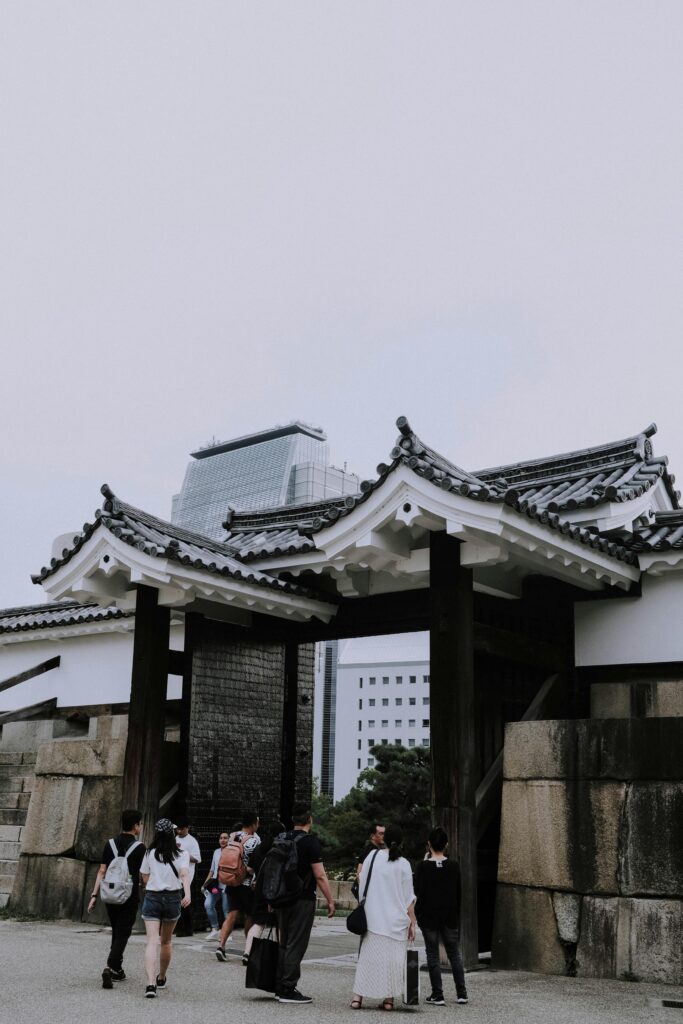
Nonverbal Signals in Everyday Life
Many aspects of daily life in Japan rely on nonverbal communication.
Examples include:
Bowing
Bowing is used to greet people, express gratitude, apologize, or show respect.
Body Language
Subtle gestures—such as nodding slightly or avoiding prolonged eye contact—help communicate politeness.
Personal Space
Maintaining appropriate distance in public spaces reflects respect for others.
These behaviors contribute to a shared social language that does not rely entirely on words.
Reading the Air in the Workplace
In Japanese workplaces, understanding unspoken expectations can be especially important.
Employees often observe their colleagues and supervisors carefully to determine appropriate behavior. For example, workers may stay late at the office not because they are explicitly asked to, but because they sense it is expected.
Similarly, meetings may involve careful listening and subtle feedback rather than direct disagreement.
While this approach can promote cooperation, it can also create challenges for newcomers who are unfamiliar with these cultural norms.
Challenges for International Visitors
For travelers or expatriates, the concept of reading the air may require adjustment.
Visitors may encounter situations where people appear reluctant to express opinions directly. Understanding the cultural context behind this behavior can help avoid frustration or confusion.
Common misunderstandings include:
- Interpreting politeness as uncertainty
- Missing indirect refusals or suggestions
- Expecting immediate verbal responses in conversations
Learning to observe nonverbal cues and situational context can greatly improve cross-cultural communication.
Cultural Exchange and Globalization
As Japan becomes increasingly connected to the global community, communication styles are gradually evolving.
Younger generations, international businesses, and global tourism have introduced more direct forms of interaction in some settings.
However, the cultural value placed on harmony and empathy remains deeply embedded in Japanese society.
Rather than disappearing, the skill of reading the air is adapting to modern environments.
Lessons for Cross-Cultural Communication
The concept of reading the air offers valuable lessons beyond Japan.
In many situations, effective communication depends not only on what is said but also on how it is said—or not said at all.
Developing awareness of nonverbal signals can improve interactions in multicultural environments, workplaces, and international travel experiences.
In a world where communication often happens quickly through digital messages and social media, the ability to sense emotional context remains an important human skill.
Frequently Asked Questions (FAQs)
1. What does “reading the air” mean in Japanese culture?
It refers to understanding unspoken social cues and adjusting behavior to maintain harmony in a group setting.
2. Why is indirect communication common in Japan?
Indirect communication helps avoid conflict and preserves social harmony.
3. Is silence considered rude in Japan?
No. Silence can signal respect, thoughtfulness, or disagreement expressed politely.
4. What role does body language play in Japanese communication?
Body language such as bowing, facial expressions, and subtle gestures helps convey meaning without words.
5. Is Osaka different from other Japanese cities culturally?
Osaka is often considered more outgoing and humorous than cities like Tokyo, but social harmony remains important.
6. Why can reading the air be difficult for foreigners?
People unfamiliar with Japanese social cues may find it challenging to interpret indirect communication or silence.
7. Is the concept of reading the air disappearing?
While globalization influences communication styles, the value of social awareness and harmony remains strong in Japan.
8. Can people learn to read the air?
Yes. With observation, cultural awareness, and experience, individuals can develop a better understanding of social cues.
Conclusion
The concept of reading the air reveals a deeper dimension of Japanese communication—one that prioritizes empathy, awareness, and harmony. In cities like Osaka, where lively culture meets centuries-old traditions, these subtle social skills continue to shape everyday interactions.
For visitors and observers alike, understanding this unspoken language provides more than just cultural insight. It offers a reminder that communication is not only about words but also about sensitivity to the emotions and perspectives of others.
In an increasingly interconnected world, the ability to read the air may be one of the most valuable communication skills anyone can learn.
Sources Maui Now

