
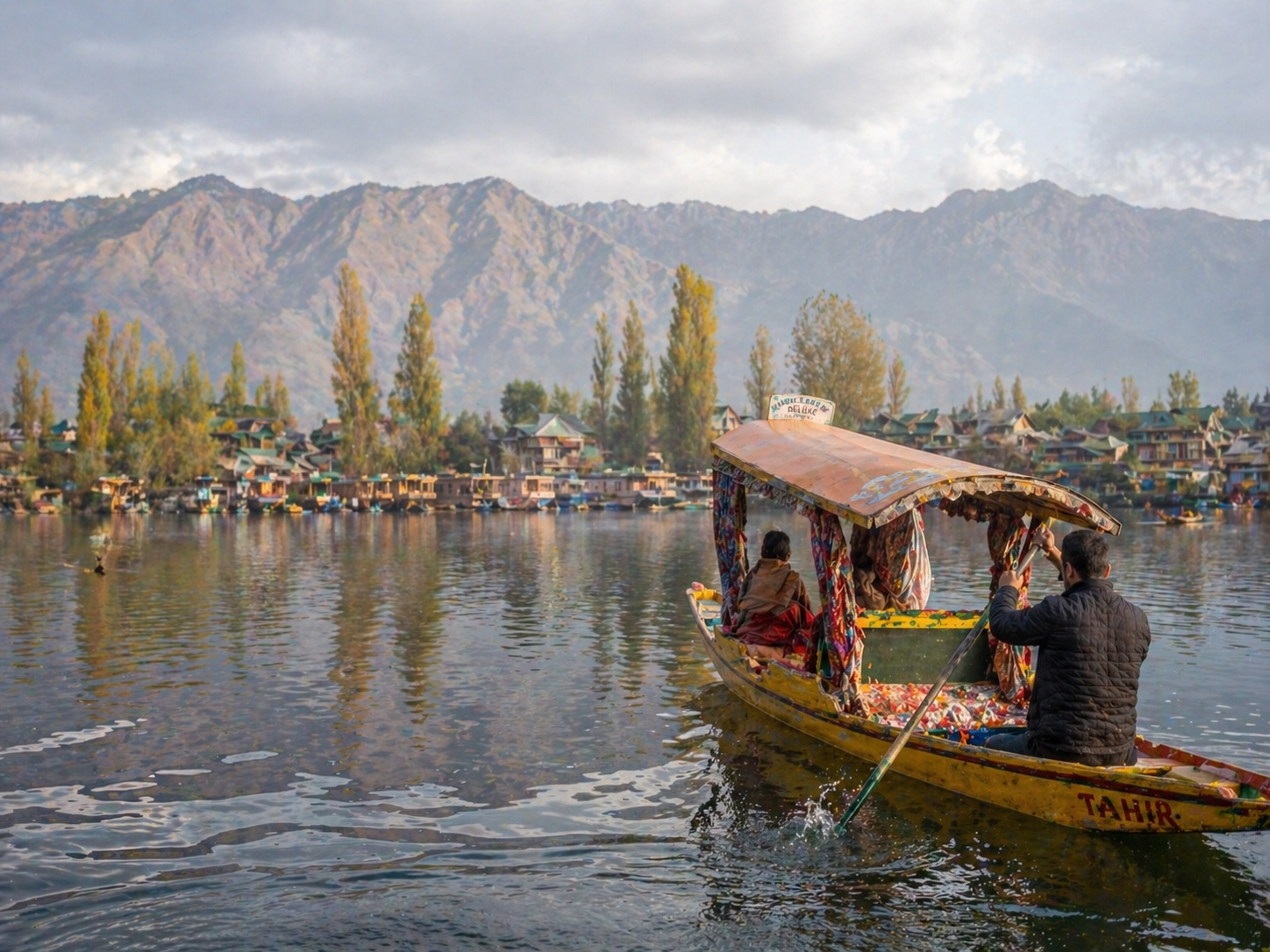
Tourism is often the lifeblood of scenic destinations—but what happens when a single tragic shakes traveler confidence overnight?
In one picturesque town in Kashmir, known for its breathtaking landscapes and warm hospitality, a deadly attack has left deep scars—not only emotionally, but economically. Now, the community faces a difficult challenge: how to rebuild trust and bring visitors back while healing from loss.
A Region Defined by Beauty—and Complexity
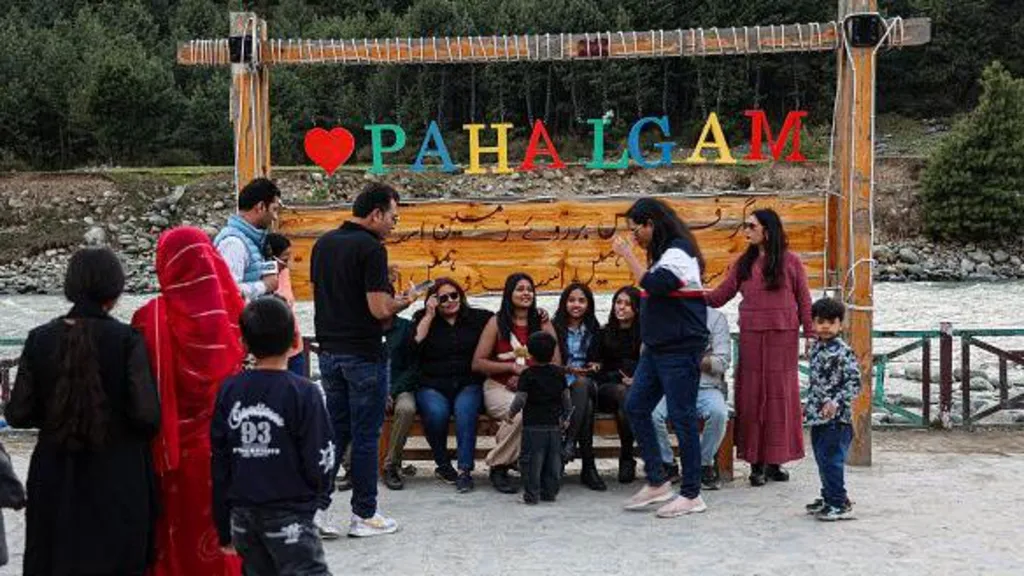
Kashmir has long been celebrated for its:
- Snow-capped mountains
- Serene lakes
- Lush valleys and gardens
Often referred to as “paradise on Earth,” it attracts both domestic and international tourists seeking natural beauty and cultural richness.
However, the region has also experienced periods of political tension and security concerns, which have historically influenced tourism patterns.
The Impact of a Single Incident
The recent deadly attack has had an immediate and far-reaching effect.
Immediate consequences:
- Tourists canceling bookings
- Travel advisories being reconsidered
- Empty hotels and quiet markets
For a town heavily dependent on tourism, the effects are felt quickly:
- Loss of income for hotel owners
- Reduced business for guides, drivers, and vendors
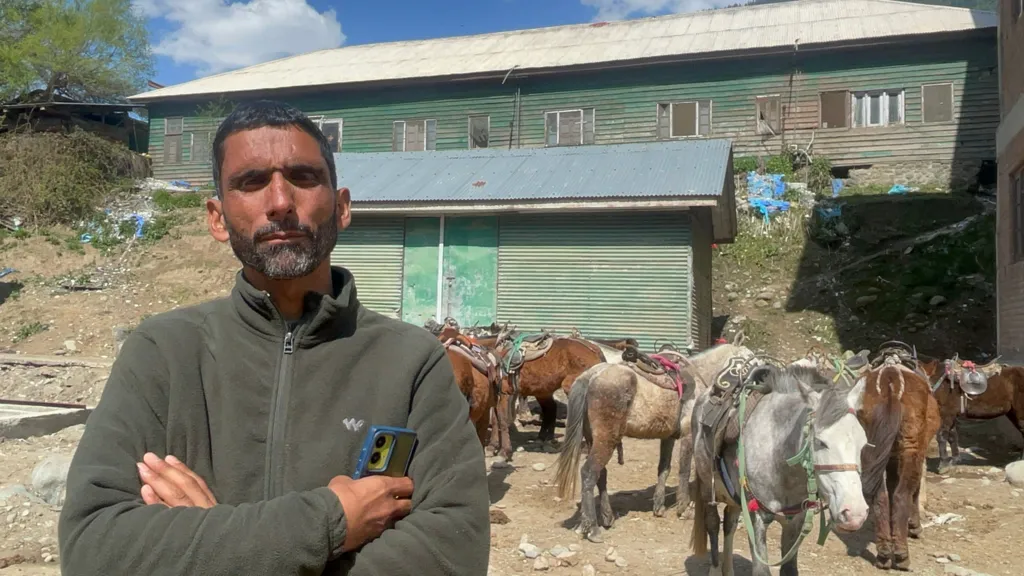
- Uncertainty for families relying on seasonal tourism
Even isolated incidents can reshape global perceptions, making recovery a complex process.
The Human Cost Behind the Headlines
Beyond economic impact, the emotional toll on the community is profound.
Residents face:
- Grief and trauma from the incident
- Fear of future instability
- Concern for their livelihoods
Yet, many locals remain determined to move forward, emphasizing resilience and unity.
Efforts to Restore Confidence
Local authorities, businesses, and residents are working together to revive tourism.
1. Strengthening Security Measures
Authorities are increasing:
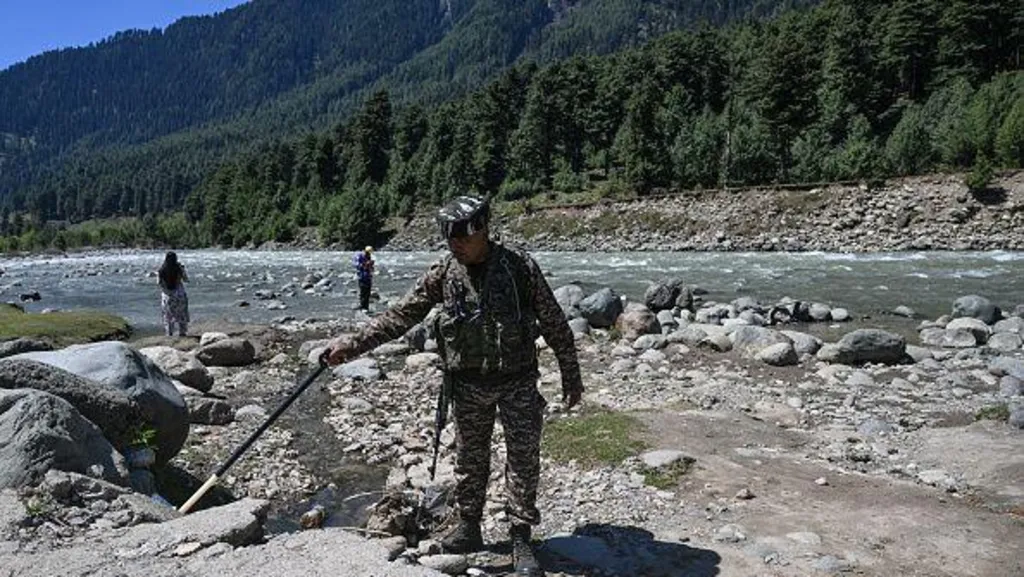
- Visible security presence
- Surveillance systems
- Coordination between local and national forces
The goal is to reassure both residents and visitors.
2. Promoting Positive Narratives
Tourism boards and local businesses are:
- Highlighting the region’s safety improvements
- Sharing positive visitor experiences
- Using social media to reshape perceptions
3. Supporting Local Businesses
Efforts include:
- Financial assistance programs
- Discounts and promotional packages
- Encouraging domestic tourism
Domestic travelers often return faster than international tourists, helping kickstart recovery.
4. Community-Led Initiatives
Local residents are playing an active role by:
- Welcoming visitors personally
- Offering authentic cultural experiences
- Demonstrating hospitality and resilience
The Role of Perception in Tourism Recovery
Tourism is not just about reality—it’s about perception.
Key challenges:
- Media coverage amplifying fear
- Travelers associating the entire region with one incident
- Slow rebuilding of trust
What helps recovery:
- Consistent safety improvements
- Positive word-of-mouth from visitors
- Transparent communication from authorities
Lessons from Other Destinations
Kashmir is not alone in facing such challenges. Around the world, destinations have recovered from similar.
Examples show:
- Recovery is possible with time and effort
- Strong branding and communication are crucial
- Community involvement accelerates rebuilding
What the Original Coverage Didn’t Fully Explore
1. The Economic Ripple Effect
Tourism impacts more than hotels:
- Farmers supplying food to restaurants
- Artisans selling handicrafts
- Transport and logistics services
A decline affects the entire local economy.
2. The Role of Digital Media
Social media can both harm and help:
- Negative news spreads quickly
- Positive travel experiences can rebuild trust just as fast
3. Psychological Barriers for Travelers
Even when safety improves, travelers may:
- Feel hesitant to return
- Choose alternative destinations
- Wait for reassurance from others
4. Long-Term Tourism Strategy
Recovery isn’t just about returning to normal—it’s about building resilience.
Future-focused strategies may include:
- Diversifying tourism offerings
- Promoting off-season travel
- Enhancing infrastructure and safety systems
Tips for Travelers Considering Visiting Kashmir
Do:
- Stay updated on official travel advisories
- Choose reputable accommodations and guides
- Respect local customs and culture
Don’t:
- Rely solely on outdated information
- Ignore safety guidelines
- Make assumptions based on isolated incidents
Frequently Asked Questions (FAQs)
1. Is Kashmir safe for tourists right now?
Safety can vary by location and time. It’s important to check current travel advisories and local updates before planning a trip.
2. Why did tourism decline after the attack?
Incidents like this can affect perceptions of safety, leading to cancellations and reduced visitor numbers.
3. What is being done to improve safety?
Authorities are increasing security presence, surveillance, and coordination to protect both residents and tourists.
4. How long does it take for tourism to recover?
Recovery can take months or years, depending on the situation and efforts to rebuild trust.
5. Should travelers avoid the region entirely?
Not necessarily. Many areas may remain safe, but informed decision-making is essential.
6. How can tourists support local communities?
By visiting responsibly, supporting local businesses, and respecting cultural practices.
7. What makes Kashmir worth visiting despite challenges?
Its natural beauty, rich culture, and the warmth of its people continue to attract travelers from around the world.
Final Thoughts
The story of this Kashmir town is not just about tragedy—it’s about resilience.
Rebuilding tourism after such an requires more than marketing campaigns. It demands trust, transparency, and a collective effort from communities, authorities, and travelers alike.
For visitors, it’s a reminder that behind every destination are real people whose lives depend on tourism. And sometimes, choosing to visit responsibly can be a powerful act of support.
In time, with patience and persistence, even the most shaken destinations can rediscover their rhythm—and welcome the world once again.
Sources BBC

