

As the global tourism industry grapples with climate change, biodiversity loss, and overtourism, a new model is emerging that goes beyond sustainability. Red Sea Global (RSG), the developer behind Saudi Arabia’s flagship Red Sea tourism projects, has introduced what it describes as a scalable model for regenerative tourism — an approach designed not merely to minimize harm, but to actively restore ecosystems and uplift local communities.
This vision aligns with Saudi Arabia’s broader Vision 2030 strategy, which seeks to diversify the economy beyond oil by investing in tourism, renewable energy, and environmental innovation. But what makes regenerative tourism different from traditional sustainable tourism — and can it truly reshape the global travel industry?

From Sustainable to Regenerative: What’s the Difference?
For decades, “sustainable tourism” has aimed to reduce negative environmental impacts. This includes lowering emissions, reducing waste, and conserving natural habitats.
Regenerative tourism, however, goes further. Its core principles include:
- Restoring degraded ecosystems
- Enhancing biodiversity
- Creating net-positive environmental impact
- Empowering local communities economically and socially
- Designing infrastructure that works with, not against, nature
In essence, regenerative tourism seeks to leave destinations better than they were before development.
The Red Sea Project: A Living Laboratory
Red Sea Global’s developments along Saudi Arabia’s western coastline — including The Red Sea destination and AMAALA — are positioned as large-scale examples of this philosophy in action.
1. Environmental Protection and Restoration
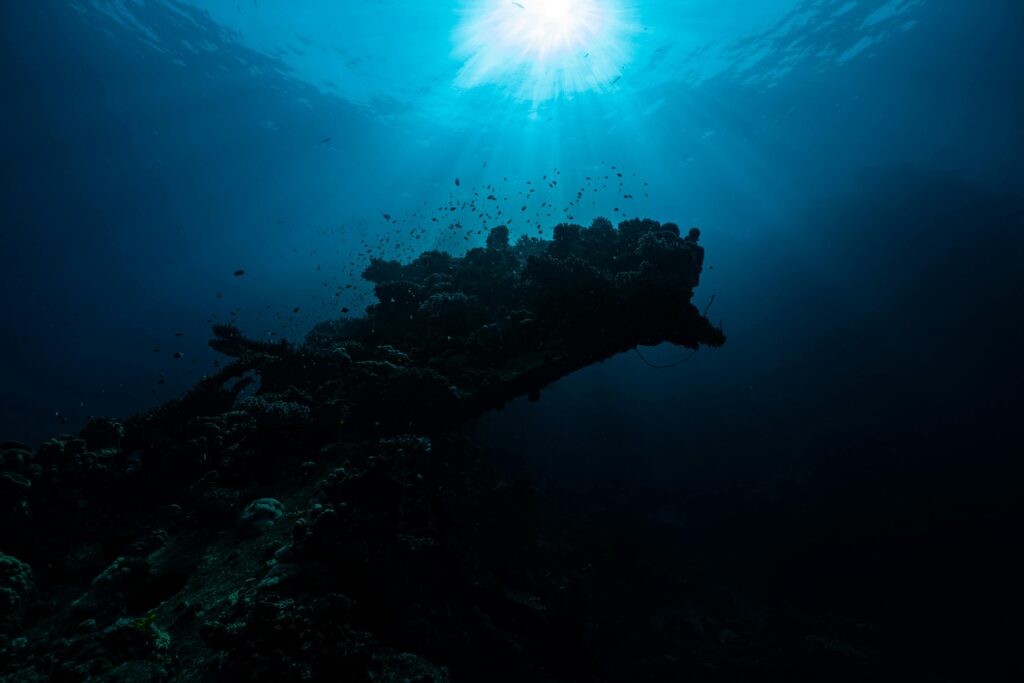
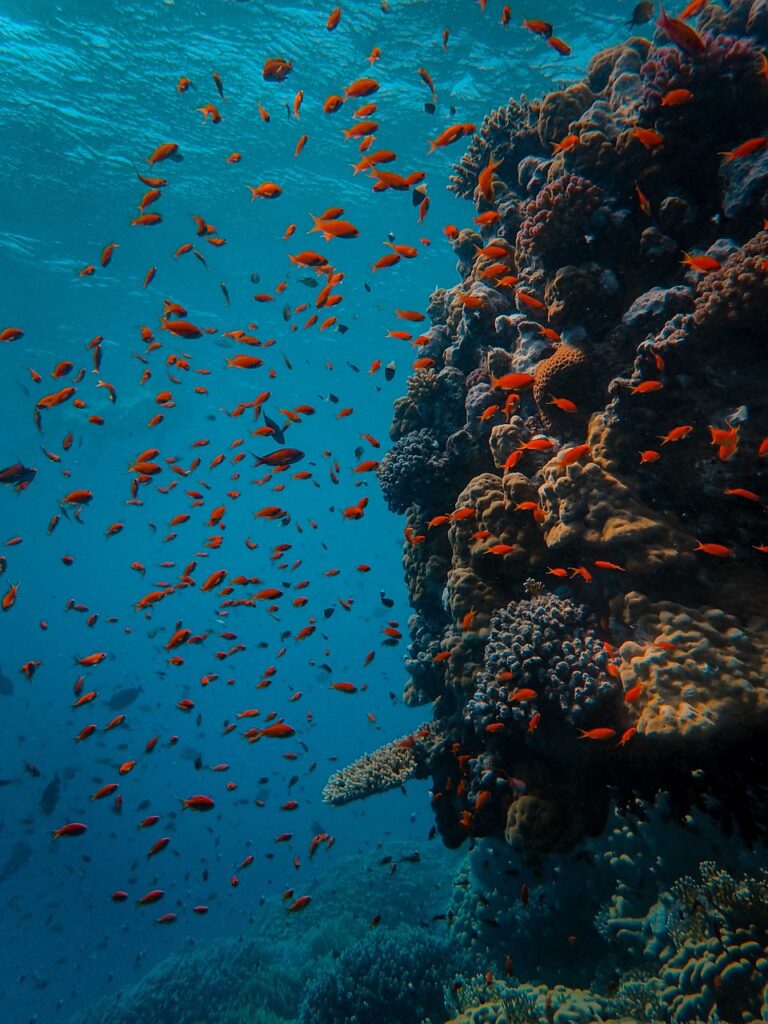
The Red Sea region is home to pristine coral reefs, mangroves, and marine biodiversity. RSG has pledged to:
- Designate large areas as conservation zones
- Achieve a net conservation benefit of up to 30% by 2040
- Restore mangrove habitats
- Protect coral reefs and marine ecosystems
- Limit visitor numbers to prevent overtourism
Environmental impact assessments have been conducted before construction, with infrastructure designed to avoid ecologically sensitive zones.
2. Renewable Energy Integration
RSG has committed to powering its destinations with renewable energy. This includes:
- Large-scale solar farms
- Battery storage systems
- Elimination of reliance on traditional fossil-fuel grids within project zones
The aim is to create destinations that operate off-grid while maintaining luxury standards.
3. Water and Waste Innovation
Water scarcity is a major challenge in arid environments. RSG has introduced:
- Advanced desalination powered by renewable energy
- Zero-waste-to-landfill strategies
- Wastewater recycling systems
- Sustainable building materials
These systems aim to minimize resource strain while maintaining high-end tourism facilities.
Economic and Community Impact
A key pillar of regenerative tourism is community benefit.
RSG has outlined goals to:
- Create thousands of jobs for Saudi nationals
- Provide training programs in hospitality and environmental management
- Support local suppliers and entrepreneurs
- Preserve cultural heritage
By integrating workforce development and education, the project aims to ensure long-term economic resilience.
Luxury Meets Conservation
One of the most striking aspects of the Red Sea initiative is its blend of ultra-luxury hospitality with environmental ambition.
High-end resorts, private villas, and wellness retreats are being developed with strict environmental guidelines, including:
- Low-density construction
- Architecture inspired by natural landscapes
- Minimal light pollution
- Smart mobility solutions, including electric transport
The model challenges the assumption that luxury tourism and environmental stewardship are incompatible.
Can the Model Be Replicated Globally?
Red Sea Global presents its framework as adaptable to other regions. However, replication depends on several factors:
- Political will and long-term planning
- Significant capital investment
- Strong regulatory oversight
- Scientific research partnerships
- Community engagement
Not all destinations have the same financial or governance capacity to implement such ambitious projects.
Criticisms and Challenges
Despite its bold ambitions, regenerative tourism initiatives face scrutiny.
Environmental Concerns
Large-scale construction in ecologically sensitive areas carries inherent risks. Critics question whether development can truly avoid long-term environmental degradation.
Carbon Footprint of Travel
Even if resorts operate on renewable energy, international air travel remains carbon-intensive. Regenerative tourism projects must address transportation emissions to fully align with climate goals.
Economic Equity
Ensuring that local communities benefit equitably — rather than being displaced or marginalized — remains a global challenge in tourism development.
The Broader Context: Tourism at a Crossroads
The global tourism sector accounts for a significant share of global GDP but also contributes to carbon emissions and environmental strain.
The pandemic prompted many destinations to rethink mass tourism models. Regenerative tourism represents one possible evolution — emphasizing quality over quantity, conservation over expansion, and long-term value over short-term profit.
Saudi Arabia’s investment signals a shift in how emerging tourism markets position themselves in an environmentally conscious era.
Frequently Asked Questions
What is regenerative tourism?
Regenerative tourism aims to restore ecosystems and communities, going beyond minimizing harm to create net-positive environmental and social impact.
How is this different from sustainable tourism?
Sustainability focuses on reducing negative effects; regeneration focuses on actively improving environmental and social conditions.
What is Red Sea Global?
Red Sea Global is a Saudi developer leading major tourism projects along the Red Sea as part of Vision 2030.
Are these projects fully renewable-powered?
RSG has committed to operating on renewable energy within its project zones, primarily through solar power and battery storage.
How will local communities benefit?
Through job creation, training programs, support for local businesses, and preservation of cultural heritage.
Are there environmental risks?
Yes. Large-scale development always carries environmental risks, which require rigorous oversight and transparent monitoring.
Can regenerative tourism reduce global emissions?
It can reduce on-site emissions and enhance ecosystems, but aviation remains a major contributor to tourism-related carbon output.
Conclusion
Red Sea Global’s regenerative tourism model represents one of the most ambitious attempts to redefine how large-scale travel development interacts with nature. By integrating renewable energy, conservation, and community investment, it aims to shift tourism from extractive to restorative.
Whether this model becomes a global standard will depend on measurable outcomes, transparency, and the ability to balance growth with ecological integrity.
As the tourism industry searches for a more responsible future, regenerative models like this may signal the beginning of a new era — one where destinations are not only preserved, but actively improved for generations to come.
Sources Arab News

