
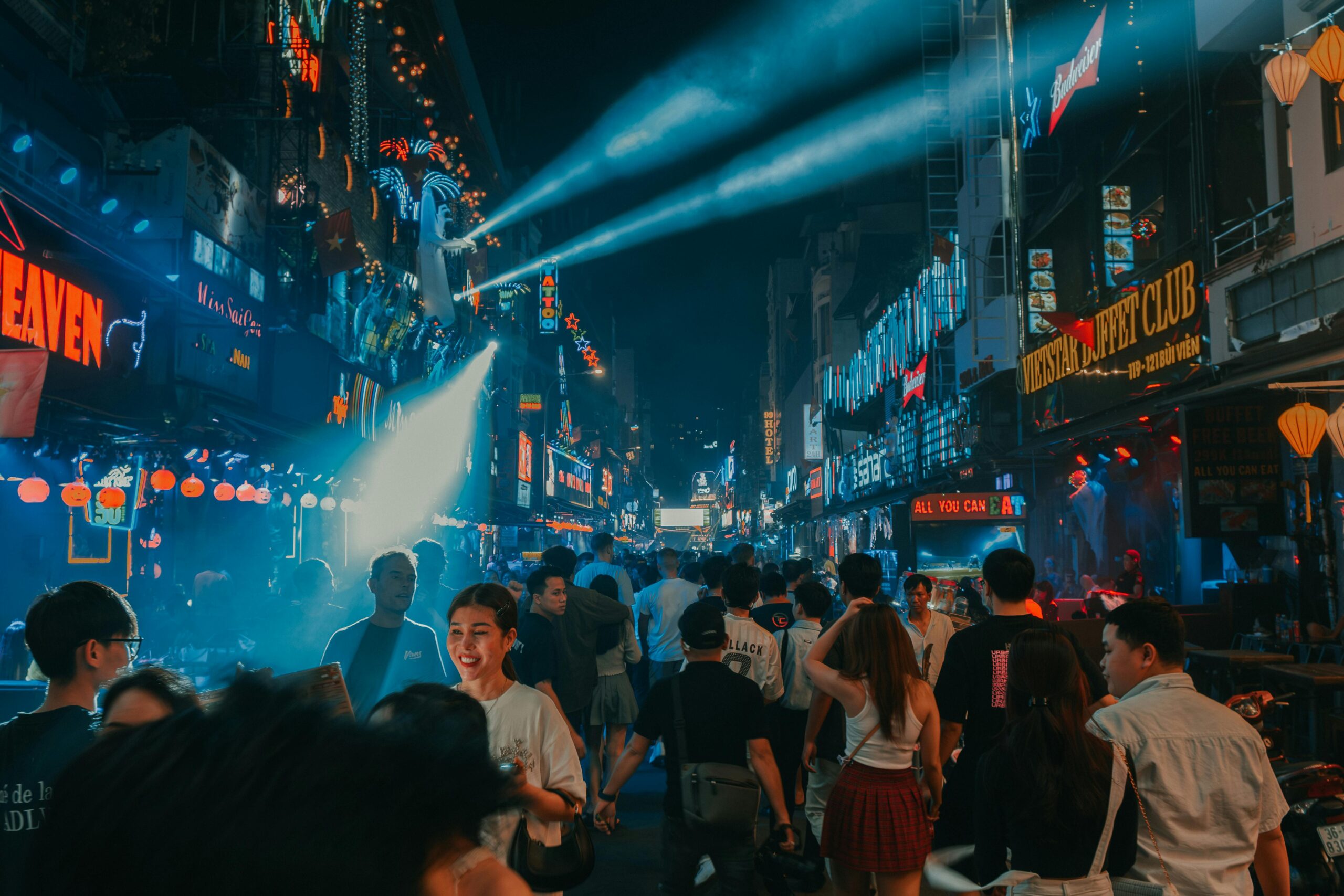
The global travel and tourism sector is nearing a pivotal moment. With projections suggesting it will reach 30 billion visits and contribute about US $16 trillion to global GDP by 2034, the industry’s growth promises opportunity—but also increasingly glaring tension points. These include resident-vs-visitor friction, workforce shortages, climate and ecosystem pressures, and unequal benefit distribution. A new report, titled Beyond Tourism: Coordinated Pathways to Inclusive Prosperity, argues that the traditional fragmented model is no longer up to the task—and that a deeper, ecosystem-wide coordination is needed.

What the Report Finds & Proposes
Tourism as an Interconnected Ecosystem
The report argues that travel & tourism shouldn’t be treated as a standalone industry but rather seen as a network of interconnected systems—visitors, residents, hospitality providers, transport, culture, nature, infrastructure, technology and governance all interacting. Because of this, changes (good or bad) in one part ripple across the system.
Five “Enabler” Pillars of Coordination
To make tourism a driver of inclusive growth, the report identifies five core enabler areas that must be aligned:
- People & Skills – building a workforce tuned for future demands, including local inclusion and job quality.
- Finance – mobilising investment for sustainable tourism infrastructure, smaller local enterprises and inclusive value chains.
- Infrastructure – ensuring transportation, digital connection, accommodations, utilities and community amenities support tourism and residents alike.
- Technology & Innovation – leveraging data, platforms, visitor-management tech, sustainable operations, but doing so responsibly.
- Policy & Governance – crafting regulations, institutions, destination-management frameworks that bring together public & private actors, and manage growth instead of letting it run unchecked.
Global Case Studies: Lessons in Action
The report draws on several destination examples where ecosystem coordination produced measurable results:
- In Portugal, national planning helped double tourism receipts while reducing overcrowding by diversifying visitor flows.
- In Tanzania (Chumbe Island), a privately-managed marine protected area tied tourism revenue to reef restoration and community education.
- In New Zealand, visitor-levy systems were used to generate over $290 million for conservation while maintaining resident support for tourism.
- In Costa Rica, tourism growth was aligned with reversing deforestation and building a US $4 billion+ annual tourism economy.
A Shift from “Volume” to “Value + Sustainability”
Rather than pursuing simply more visitors, the report emphasises value (spend, length of stay, local distribution of benefits), resilience (to shocks like pandemics/climate) and inclusion (residents themselves benefit, not just visitors or large corporations).
What the Report Doesn’t Fully Address (and Where the Gaps Are)
While the report provides a strong framework, there are important areas that deserve extra attention:
- Micro-level local enterprises & informal economy: The report references SMEs, but less so how informal tourism workers (guides, home-stays, local crafts) can be integrated structurally.
- Transition pathways for existing destinations: Many high-volume destinations have entrenched systems (tour-operators, accommodation chains, regulatory culture) that resist change. The report outlines frameworks, but fewer step-by-step guides for such transitions.
- Financing small-scale, community-led tourism: While finance is one of the enablers, how to de-risk small community tourism investment in underserved areas (vs major resort zones) is less developed.
- Measuring social equity: There is less detail on concrete metrics for “resident benefit” or “equity” in tourism growth—most benchmarks remain economic.
- Cultural & heritage dynamics beyond conservation: The report speaks to “championing culture,” but less to how power dynamics in heritage tourism or local culture extraction can be managed.
- Digital risks and data governance: Though “tech & innovation” appear as enablers, the report could elaborate more on digital-surveillance risks, privacy issues for local communities and algorithmic biases in tourism-data platforms.

Why This Matters Now
- Global tipping point: The scale of tourism growth—together with climate change, geopolitics and shifting consumer expectations—is pushing the industry beyond incremental change.
- Community resilience: Destinations need resilient models, not just growth models; this means planning for shocks, climate extremes, labour shifts, demographic change.
- Equity & inclusion: Tourism’s benefits haven’t always flowed evenly—residents may face housing pressure, environmental strain, cultural disruption. A coordinated ecosystem can help rebalance this.
- Regional diversification: Many countries rely on a few popular hotspots; spreading tourism across regions helps manage pressure, broaden benefit and reduce dependence.
- Brand & sustainability: The image of tourism is shifting: visitors increasingly expect sustainability, authenticity and social responsibility—so destinations that pre-emptively align will have competitive advantage.
Frequently Asked Questions (FAQs)
Q1: What is meant by “tourism ecosystem”?
It means tourism is not just hotels and flights. It includes local residents, transport, culture, nature, regulation, investment, technology and more—all connected. So policy must consider all parts, not just visitor numbers.
Q2: What does “inclusive prosperity” mean in tourism?
It means benefits from tourism (jobs, income, infrastructure, culture) must flow to residents and local businesses, not just large operators or external investors—and costs (like environmental degradation or housing price spikes) must be managed.
Q3: How can a destination balance visitor numbers and resident quality of life?
By aligning capacities (infrastructure, services) with demand, spreading visitor flows across regions and seasons, giving residents a say in tourism planning and ensuring that visitor benefits support local quality of life.
Q4: What kinds of infrastructure does the report say are needed?
Not just more hotels or airports—but sustainable mobility, digital connectivity, resilient utilities, community services (health care, housing) that serve both residents and visitors.
Q5: What role does technology play in this ecosystem model?
Tech (data analytics, visitor-management platforms, smart infrastructure, VR/AR tourism experiences) can help optimise flows, enhance visitor experience and reduce footprint—but must be implemented carefully, with local inclusion and data governance in mind.
Q6: Are there specific steps for local communities in tourism development?
Yes: engage communities early, build local entrepreneurship, link tourism investment to skills training and local hiring, structure revenue-sharing mechanisms and partner with public/private stakeholders rather than leaving tourism growth purely market-driven.
Q7: How can destinations move from volume to value?
By targeting higher-spend, longer-stay, off-peak visitors; designing quality experiences tied to local culture and nature; investing in diversity of regions (not just the headline hotspots) and measuring beyond visitor numbers (income, jobs, resident satisfaction).
Q8: Will tourism always grow?
Not automatically. Growth depends on demand, infrastructure, sustainability, workforce, geopolitical stability and environmental resilience. Without proper planning, growth can stagnate or reverse.
Q9: What is the biggest risk if the ecosystem approach isn’t adopted?
Destinations risk over-tourism, resident push-back, environmental degradation, loss of cultural authenticity, uneven economic benefit and vulnerability to shocks (pandemics, climate events, demand shifts).
Q10: Where should operators or destination managers begin?
Start by mapping the full ecosystem: who are the stakeholders (residents, local businesses, environment, transport), what are the pressures, what data exists, and then design coordinated planning across infrastructure, skills, investment and governance rather than working in siloes.
In sum, Beyond Tourism presents a timely and necessary shift: from treating tourism as a growth industry to treating it as a system needing alignment, stewardship and shared value. For destinations, businesses and communities, the challenge is no longer only “get more visitors” but “ensure tourism works better—for people, place and planet.”

Sources World Economic Forum

