
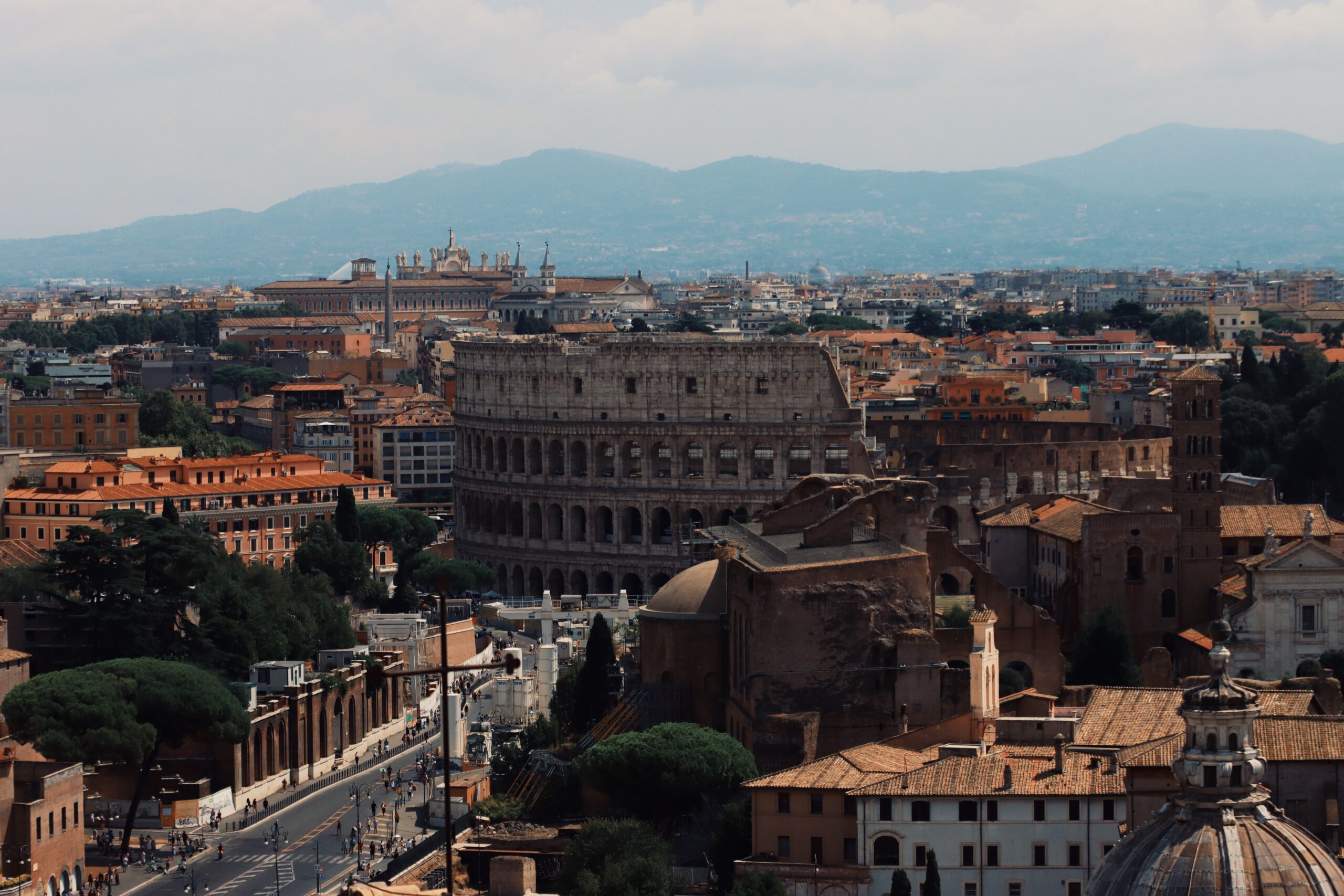
Rome has captivated travelers for more than two thousand years. Its ancient ruins, Renaissance masterpieces, charming piazzas, and world-famous cuisine attract millions of visitors annually, making it one of the most visited cities in Europe.
But with immense popularity comes an unfortunate reality: tourist traps.
In recent years, Rome has stepped up efforts to protect visitors and preserve its reputation. A new warning sign and increased public awareness campaigns highlight a growing concern—not every business or attraction operating near famous landmarks offers fair value or authentic experiences. While most restaurants, shops, and tour operators in Rome are legitimate, some exploit tourists through inflated prices, misleading advertising, or low-quality services.
Understanding how these tourist traps work is the best way to enjoy Rome confidently while supporting businesses that genuinely contribute to the city’s cultural heritage.

What Is a Tourist Trap?
A tourist trap is any attraction, restaurant, shop, or service that primarily targets visitors by charging excessive prices, offering poor-quality products, or using misleading marketing tactics.
Tourist traps often rely on one advantage:
Location.
Businesses situated near world-famous landmarks know many visitors may never return and are unfamiliar with local prices, making them more vulnerable to overpaying.
However, not every business near a tourist attraction is a scam. Many family-owned restaurants, artisan shops, and licensed guides operate honestly and provide excellent experiences.
The key is knowing how to distinguish genuine businesses from those focused solely on quick profits.
Why Rome Is Especially Vulnerable
Rome welcomes millions of domestic and international visitors every year.
Popular attractions include:
- The Colosseum
- Trevi Fountain
- Pantheon
- Roman Forum
- Vatican Museums
- St. Peter’s Basilica
- Piazza Navona
- Spanish Steps
These iconic sites create concentrated areas where tourists may:
- Be unfamiliar with local customs
- Feel pressured by limited time
- Make spontaneous purchases
- Be less likely to compare prices
Such conditions create opportunities for unethical practices.
Common Tourist Traps in Rome
1. Overpriced Restaurants Near Major Attractions
Restaurants located directly beside famous landmarks often charge significantly higher prices.
Warning signs include:
- No visible menu outside
- Missing prices
- Aggressive staff inviting customers inside
- Poor online reviews
- Frozen or mass-produced food marketed as authentic Italian cuisine
Many excellent local restaurants can be found just a few streets away at considerably lower prices.
2. Hidden Service Charges
Italian restaurants may legally charge a coperto (cover charge) or a service fee, but these should be clearly displayed on the menu.
Travelers should always review the bill carefully before paying.
Unexpected fees may include:
- Bread charges
- Table service
- Water
- Seating surcharges in premium locations
Transparency is the important factor—not merely the existence of these charges.
3. Fake “Authentic” Souvenirs
Some souvenir shops advertise products as handmade Italian crafts when they are mass-produced elsewhere.
Authentic artisan workshops often provide information about where products are made and may even allow customers to observe the craftsmanship.
4. Unauthorized Tour Guides
Licensed tour guides in Italy generally carry official credentials.
Unlicensed operators may provide inaccurate historical information or disappear after collecting deposits.
Booking through reputable companies or official tourism channels reduces this risk.
5. Transportation Scams
Visitors occasionally encounter:
- Unofficial taxis
- Drivers refusing to use meters
- Excessively expensive airport transfers
- Misleading “private shuttle” offers
Using licensed taxis, official ride-booking services where permitted, or public transportation helps avoid unnecessary costs.
Rome’s Response to Tourist Traps
Local authorities increasingly recognize that protecting visitors also protects Rome’s reputation.
Measures include:
- Public awareness campaigns
- Improved tourist information
- Greater enforcement against unauthorized businesses
- Consumer protection initiatives
- Clearer visitor guidance in busy tourist areas
The goal is not simply to punish dishonest operators but to encourage a tourism economy built on transparency and quality.

The Rise of Digital Tourist Traps
Modern tourist traps are no longer limited to physical streets.
Online visitors now face:
- Fake review manipulation
- Misleading travel influencers
- Counterfeit ticket websites
- Fraudulent accommodation listings
- Social media promotions hiding sponsored content
Travelers should verify bookings through official websites or trusted travel platforms whenever possible.
Technology Is Helping Travelers Stay Safe
Modern technology can reduce the chances of being scammed.
Helpful tools include:
- Digital maps with verified business listings
- Translation apps for reading menus
- Restaurant review platforms
- Official museum booking websites
- Mobile payment records
- Price comparison tools
Artificial intelligence is also improving fraud detection by identifying suspicious booking websites and fake reviews.
However, technology should complement—not replace—common sense.
Supporting Local Businesses Matters
Every purchasing decision influences Rome’s local economy.
Choosing independent restaurants, artisan workshops, family-owned cafés, and licensed tour operators helps preserve the city’s cultural identity.
Local businesses often:
- Employ neighborhood residents
- Preserve traditional recipes
- Support historic craftsmanship
- Maintain community character
Responsible tourism benefits both visitors and residents.

Beyond Tourist Hotspots
Many visitors spend nearly all their time around Rome’s most famous monuments.
Yet some of the city’s most rewarding experiences lie beyond the busiest areas.
Exploring quieter neighborhoods allows travelers to discover:
- Local markets
- Independent bookstores
- Traditional bakeries
- Neighborhood trattorias
- Community festivals
- Historic churches with fewer crowds
Venturing beyond the main attractions often results in more authentic experiences and better value.
Tips for Avoiding Tourist Traps in Rome
Before making a purchase or booking, consider these practical tips:
- Compare restaurant menus before choosing where to eat.
- Check recent customer reviews from multiple sources.
- Avoid businesses that pressure you to enter.
- Confirm prices before ordering or booking.
- Purchase attraction tickets from official websites whenever possible.
- Use licensed transportation services.
- Be cautious of deals that seem unusually cheap or unusually expensive.
- Walk a few streets away from major landmarks before dining.
- Keep digital copies of receipts for expensive purchases.
Small precautions can significantly improve your travel experience.
Sustainable Tourism Starts With Smart Choices
Avoiding tourist traps isn’t just about saving money.
It also encourages ethical businesses to thrive while discouraging dishonest practices.
When visitors support transparent pricing, authentic craftsmanship, and responsible operators, they help preserve Rome’s cultural heritage for future generations.
Smart tourism creates a better experience for everyone.
The Future of Tourism in Rome
As international tourism continues to grow, Rome faces the challenge of balancing visitor demand with cultural preservation.
Future initiatives may include:
- More digital visitor information
- Stronger consumer protection laws
- Better regulation of online travel services
- Expanded visitor education campaigns
- Increased monitoring of fraudulent businesses
Cities worldwide are increasingly recognizing that visitor satisfaction depends not only on famous landmarks but also on trust, fairness, and authenticity.
Rome’s evolving approach reflects a broader shift toward higher-quality tourism rather than simply attracting larger numbers of visitors.
Frequently Asked Questions (FAQs)
1. What is a tourist trap?
A tourist trap is a business, attraction, or service that targets visitors by charging inflated prices, offering poor-quality products, or using misleading sales tactics, often in areas with heavy tourist traffic.
2. Are all restaurants near Rome’s famous attractions tourist traps?
No. Many restaurants near major landmarks are reputable and serve excellent food. Travelers should look for transparent pricing, authentic menus, positive recent reviews, and avoid establishments that rely on aggressive sales tactics.
3. How can I tell if a tour guide is legitimate?
Choose licensed guides or book through reputable travel agencies and official tourism websites. Avoid paying deposits to unofficial street vendors or operators who cannot provide credentials.
4. Is it safe to use taxis in Rome?
Yes, provided you use licensed taxis or reputable transportation services. Avoid unofficial drivers who approach travelers outside airports, train stations, or major tourist attractions.
5. What’s the best way to avoid tourist traps?
Research before your trip, compare prices, verify online bookings through official sources, explore neighborhoods beyond the main attractions, and support local businesses with transparent pricing and strong customer reviews.
By combining preparation with curiosity, visitors can experience the authentic charm of Rome while avoiding the common pitfalls that affect many popular tourist destinations.

Sources The Washington Post

