
For more than a century, the towering spires of Barcelona’s Sagrada Família have symbolized architectural ambition, religious devotion, and artistic genius. Designed by the legendary Catalan architect Antoni Gaudí, the basilica has been under construction since 1882 and has become one of the world’s most recognizable landmarks.
Now, after 144 years of work, the monument is approaching a historic milestone. In June 2026, the completion of the central Tower of Jesus Christ brought the basilica to its maximum planned height of 172.5 meters (566 feet), making it the tallest church in the world. The achievement coincided with the 100th anniversary of Gaudí’s death and was marked by a visit from Pope Leo XIV.
Yet what should be a moment of celebration has become intertwined with one of Barcelona’s most contentious issues: overtourism.
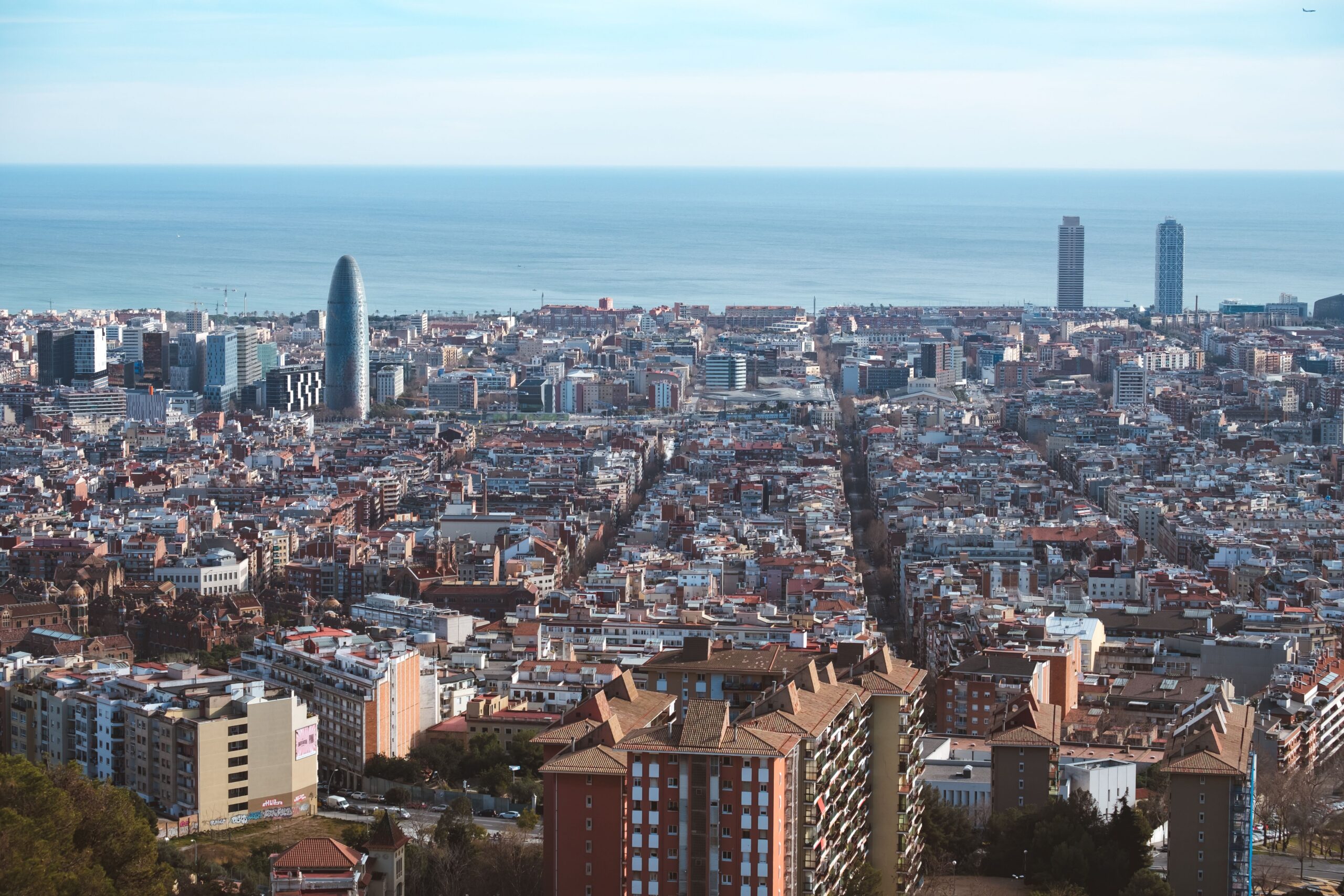
For many residents, the near-completion of the Sagrada Família represents more than an architectural triumph. It symbolizes the growing tension between preserving local quality of life and accommodating millions of visitors who flock to the city each year.
The Cathedral That Defied Time
Construction of the Sagrada Família began in 1882, but it was Gaudí who transformed the project into one of the most ambitious architectural undertakings in history.
Unlike traditional Gothic cathedrals, the basilica incorporates:
- Nature-inspired geometry
- Branching columns resembling forests
- Hyperboloid vaults
- Organic forms rarely seen in architecture
- Extensive religious symbolism
Gaudí devoted the final four decades of his life almost exclusively to the project. When he died in 1926 after being struck by a tram, less than a quarter of the basilica had been completed.
The project survived:
- Political instability
- The Spanish Civil War
- Funding shortages
- Technological limitations
- The COVID-19 pandemic
Each generation of architects and craftsmen added new layers while attempting to remain faithful to Gaudí’s vision.
Why Completion Took So Long
One reason for the extraordinary timeline is funding.
Unlike many major cathedrals, the Sagrada Família was largely financed through private donations and visitor revenue rather than government funding.
Millions of tourists purchasing tickets effectively became the project’s investors.
This funding model created a unique relationship between tourism and construction.
Without visitors, progress would have slowed dramatically. During the pandemic, visitor numbers collapsed and construction was delayed once again.
Ironically, the very tourists who now contribute to local frustrations helped make completion possible.
The New Tower That Changed Barcelona’s Skyline
The completion of the Tower of Jesus Christ marks one of the most significant moments in the basilica’s history.
At 172.5 meters tall, it now exceeds all other church structures worldwide. The tower’s completion was celebrated in June 2026 during ceremonies attended by religious leaders, Spanish officials, and tens of thousands of visitors.
Yet despite headlines proclaiming the church “finished,” the reality is more complicated.
Major elements remain incomplete, including:
- Portions of the Glory Façade
- Decorative sculptural work
- Interior finishing
- The controversial monumental entrance stairway
Current projections suggest some work may continue into the 2030s.
Barcelona’s Overtourism Problem
The Sagrada Família attracts approximately five million ticketed visitors annually, making it Spain’s most visited monument. Millions more gather outside simply to photograph the structure.
For local residents, the consequences are increasingly visible:
Congested Streets
Sidewalks surrounding the basilica frequently become overcrowded.
Noise Pollution
Large tour groups and constant visitor traffic affect daily life.
Housing Pressures
Barcelona’s broader tourism boom has contributed to rising housing costs and growing concern over short-term rentals.
Commercial Transformation
Traditional neighborhood businesses are increasingly replaced by tourism-oriented shops and services.
The result is a growing sense among some residents that their neighborhood has become an extension of a tourist attraction.
The Staircase Controversy
Perhaps the most divisive issue involves Gaudí’s original vision for a monumental entrance stairway leading to the Glory Façade.
The proposed staircase would dramatically improve views of the basilica and fulfill a key component of Gaudí’s master plan.
However, implementing it could require the demolition of nearby residential and commercial buildings. Estimates vary, but thousands of residents and businesses could potentially be affected.
Supporters argue:
- It completes Gaudí’s vision.
- It improves visitor circulation.
- It enhances the monument’s global significance.
Opponents argue:
- Residents should not be displaced.
- Community interests should take precedence.
- Historical plans should not override modern realities.
This debate has become a symbol of broader concerns regarding tourism’s impact on urban life.
Tourism: Blessing or Burden?
Barcelona’s economy benefits enormously from tourism.
Tourism generates:
- Jobs
- Tax revenue
- Infrastructure investment
- International visibility
The Sagrada Família alone contributes substantial economic activity to the city. Visitor spending supports hotels, restaurants, transportation services, guides, retailers, and cultural institutions.
However, critics argue that economic gains are unevenly distributed while residents bear many social costs.
This tension is increasingly common across Europe.
Cities such as:
- Venice
- Amsterdam
- Dubrovnik
- Lisbon
have all experienced similar debates about balancing tourism growth with local quality of life.
How Barcelona Is Trying to Manage Crowds
City authorities and basilica administrators have introduced several measures:
Timed Entry Systems
Visitors book specific entry times to reduce overcrowding.
Visitor Caps
Limits help manage daily attendance.
Prayer Hours
Certain periods prioritize worship rather than tourism.
New Visitor Infrastructure
Barcelona has even explored dedicated areas where tourists can gather and take photographs without blocking traffic or disrupting residents.
These efforts reflect a broader shift toward tourism management rather than simply maximizing visitor numbers.
The Engineering Marvel Behind the Monument
Beyond tourism debates, the Sagrada Família remains one of humanity’s greatest engineering achievements.
Modern construction teams have combined:
- Traditional stone craftsmanship
- Computer modeling
- Parametric design
- Advanced structural engineering
to realize forms that Gaudí could only sketch using physical models and geometric experiments.
Many experts consider the basilica one of the most ambitious architectural projects ever completed.
Its blend of art, mathematics, religion, and engineering continues to inspire architects worldwide.
What Happens After Completion?
A fascinating question remains:
What happens when the world’s most famous unfinished building is finally finished?
For generations, the unfinished nature of the Sagrada Família has been part of its identity.
Many visitors viewed the construction process itself as part of the attraction.
Some urban planners wonder whether completion could:
- Increase tourism further
- Create new pilgrimage traffic
- Intensify crowd-management challenges
- Alter Barcelona’s cultural identity
In other words, finishing the basilica may not end the debate—it may simply begin a new chapter.
Conclusion
The near-completion of the Sagrada Família represents one of the most remarkable architectural milestones of the modern era. After 144 years, Antoni Gaudí’s vision is closer than ever to realization.
Yet the basilica now stands at the center of a different challenge—one involving tourism, housing, urban planning, and community identity.
For some, the monument embodies Barcelona’s global success. For others, it highlights the costs of becoming one of the world’s most visited cities.
As the final stages of construction continue, the Sagrada Família remains what it has always been: far more than a building. It is a reflection of the aspirations, tensions, and transformations of the city around it.
Frequently Asked Questions (FAQ)
1. Is the Sagrada Família finally finished?
Not completely. The central Tower of Jesus Christ has been completed, bringing the basilica to its maximum height, but work on the Glory Façade, decorative elements, and other features is expected to continue into the 2030s.
2. Why did construction take more than 140 years?
The project faced numerous challenges, including funding limitations, the Spanish Civil War, technological constraints, and pandemic-related disruptions. Construction has largely depended on donations and visitor revenue.
3. Why are some Barcelona residents unhappy about the Sagrada Família?
Many residents are concerned about overcrowding, rising housing costs, neighborhood disruption, and plans that could potentially displace local residents to complete portions of Gaudí’s original design.
4. How many people visit the Sagrada Família each year?
Approximately five million people enter the basilica annually, with millions more visiting the surrounding area to view and photograph the structure.
5. Why is the Sagrada Família considered so important?
The basilica is regarded as Antoni Gaudí’s masterpiece and one of the most innovative architectural works ever created. Its unique combination of religious symbolism, natural forms, engineering innovation, and artistic vision has made it a global cultural icon.
Sources The Wall Street Journal

