
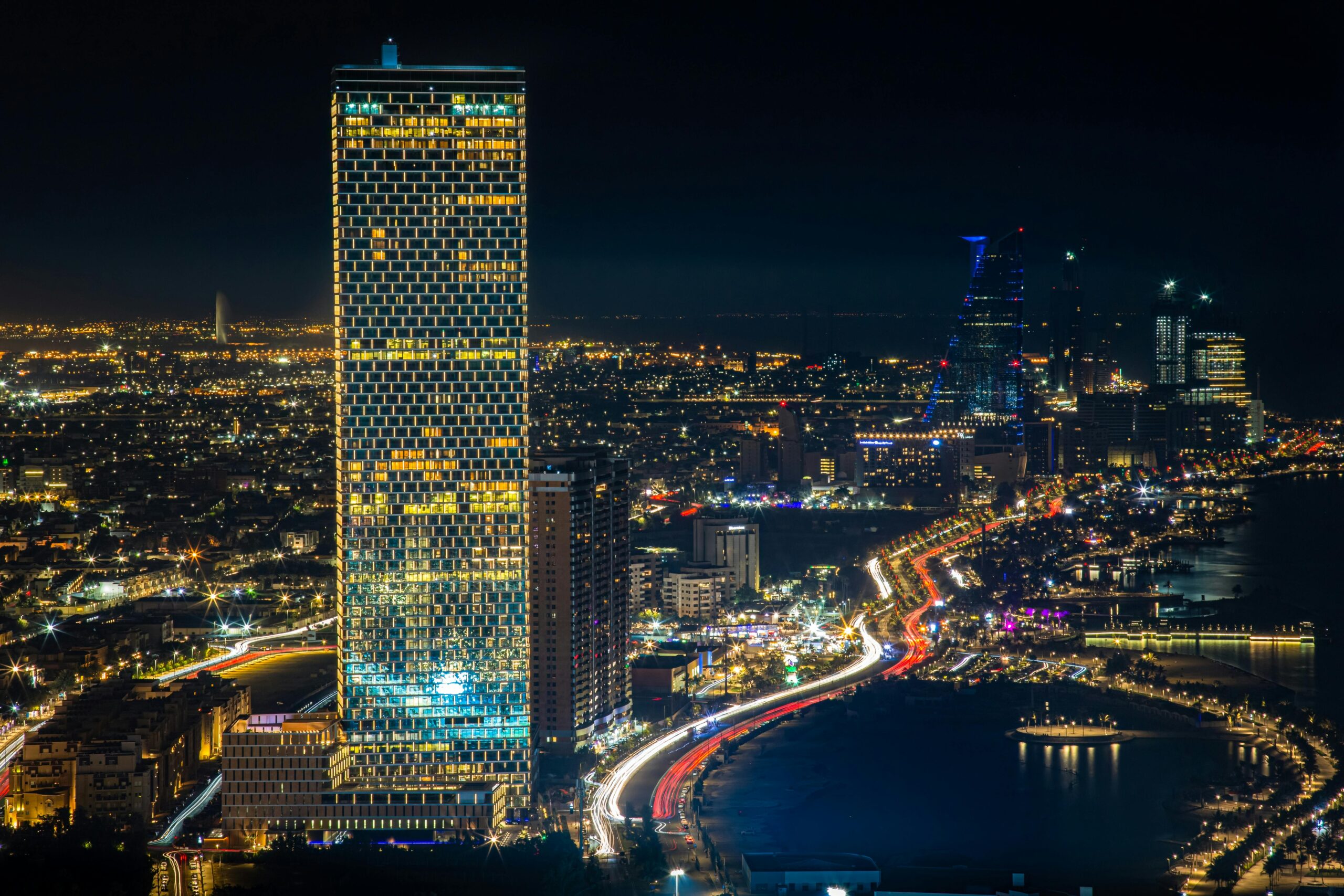
Saudi Arabia is undergoing one of the fastest tourism evolutions in the world. After years of positioning itself as a playground for ultra-wealthy travelers — complete with futuristic megaprojects, billion-dollar resorts, and hyper-luxury experiences — the Kingdom is now pivoting toward a broader, mass-market tourism model.
This shift marks a significant change in tone and strategy for Vision 2030, the country’s sweeping economic diversification plan led by Crown Prince Mohammed bin Salman. While early efforts focused on attracting high-spending elite visitors, Saudi Arabia is now opening its doors to mainstream travelers, budget holidaymakers, and regional tourists in far greater numbers.
The referenced reporting outlines this pivot, but the full story includes economic pressures, global competition, social reforms, and market realities that the original coverage did not fully explore. This expanded article offers a deeper look at why Saudi Arabia is shifting strategies — and what it means for the Kingdom, the region, and global tourism.
1. Why Saudi Arabia Targeted Luxury Tourism First
When the Kingdom launched Vision 2030, it aimed to:
- reshape its global image
- attract billionaire investors and wealthy tourists
- create iconic destinations on par with Dubai, Maldives, and the French Riviera
- diversify its oil-dependent economy
Projects like NEOM, The Line, Trojena, and Red Sea Global embodied this ultra-luxury ambition.
Luxury was a symbolic starting point.
It signaled modernity, innovation, and a break from Saudi Arabia’s traditionally closed tourism model.
But luxury alone could not satisfy the scale of growth Saudi Arabia needed.
2. Why the Kingdom Is Pivoting Toward Mass Tourism Now
Multiple forces are driving the shift toward mainstream travel.
A. The Numbers Don’t Add Up Without Mass Tourism
Saudi Arabia wants 150 million annual visitors by 2030 — a figure impossible to achieve through luxury tourism alone. Mass tourism brings:
- higher volumes
- more recurring visits
- expanded regional tourism
- greater economic ripple effects
The ambition requires scale, not exclusivity.
B. Mega-Projects Are Expensive, and Timelines Are Tight
Many futuristic luxury developments face:
- construction delays
- rising costs
- infrastructure complexity
- environmental concerns
Saudi Arabia needs tourism revenue now — not only after 2030 — making mass tourism a practical economic bridge.
C. Global Competition Is Fierce
Luxury travelers already have established preferences:
- Dubai
- Maldives
- Seychelles
- Switzerland
- Capri
- Singapore
Saudi Arabia needed a more accessible offering to broaden its appeal.
D. The Rise of Budget and Middle-Income Travelers
The fastest-growing segments of global tourism include:
- budget travelers
- digital nomads
- regional weekend tourists
- millennial families
- experiential travelers
Saudi Arabia is now tailoring products to these groups.
E. Social Reforms Make the Country More Accessible
With:
- relaxed visa rules
- women no longer required to travel with a male guardian
- entertainment events
- mixed-gender venues
- expanding hospitality sector
Saudi Arabia is now far more welcoming to everyday travelers than just a decade ago.
3. What Mass Tourism Looks Like in Saudi Arabia
The Kingdom is developing new offerings that appeal to a wide range of budgets.
1. Budget-friendly hotels and mid-range resorts
International chains like Holiday Inn, Hilton Garden Inn, and Novotel are expanding aggressively.
2. Heritage and cultural tourism
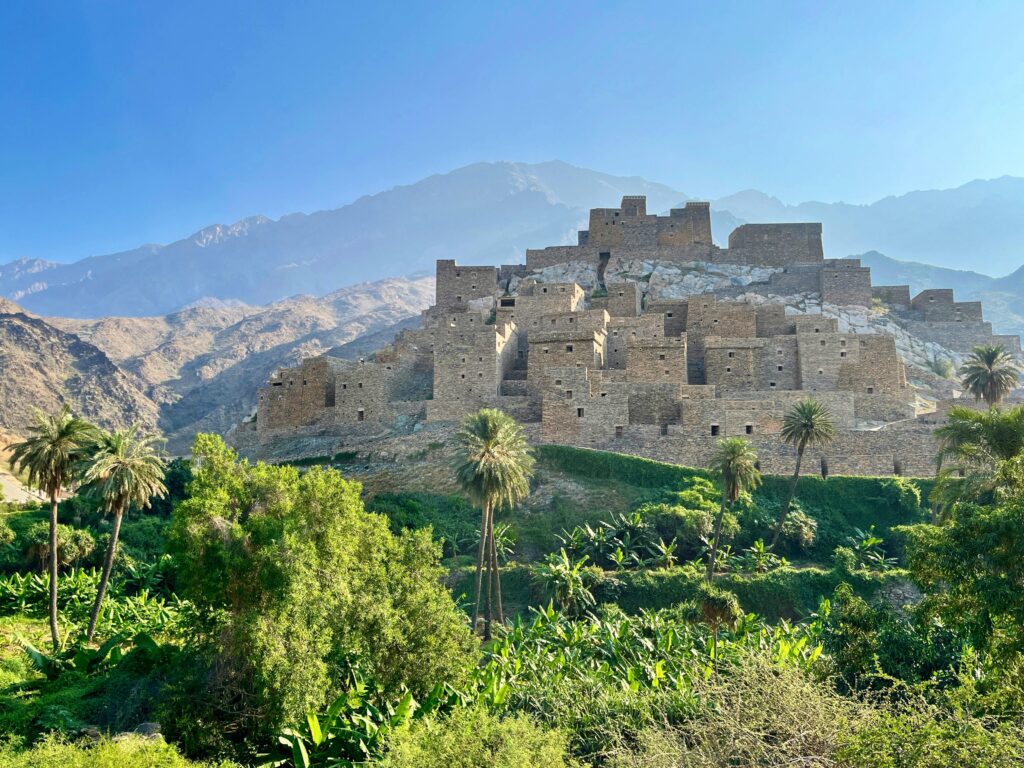
Sites like AlUla, Diriyah, and UNESCO heritage villages are being packaged for wider audiences.
3. Beaches and coastal leisure
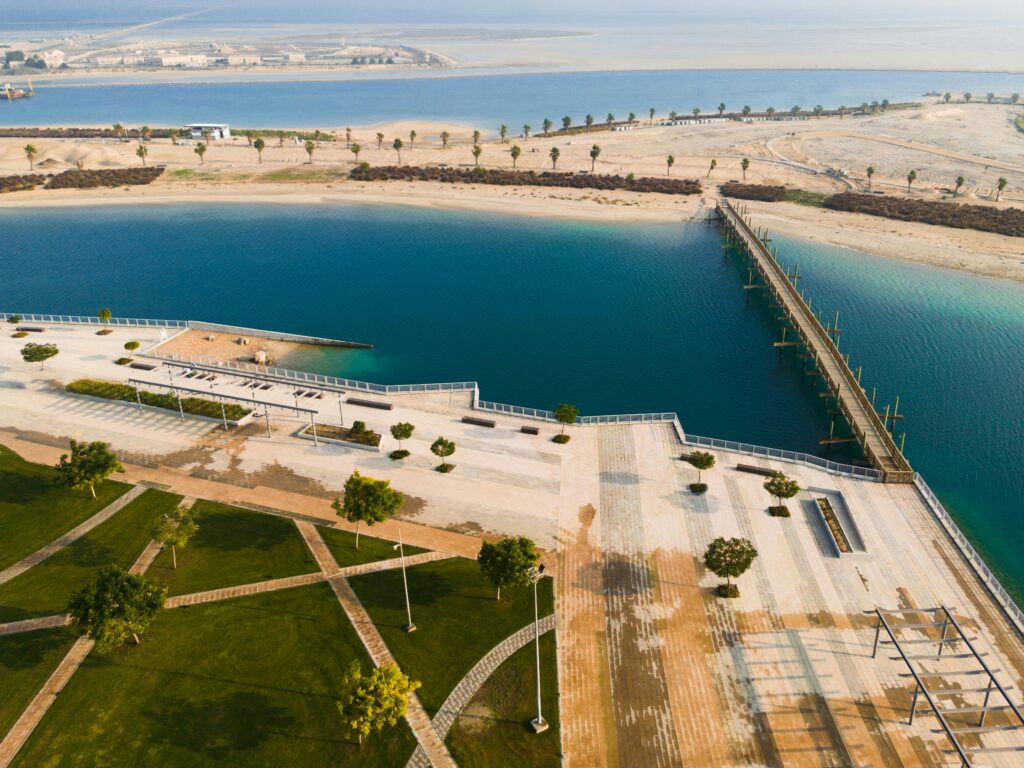
Public-access beach developments are emerging alongside premium Red Sea resorts.
4. Entertainment and mega-events
Concerts, film festivals, sports championships, and theme parks aim to attract families and youth.
5. Adventure tourism
Hiking, rock climbing, desert camping, stargazing, and mountain experiences in Abha and Al Baha.
6. Religious tourism
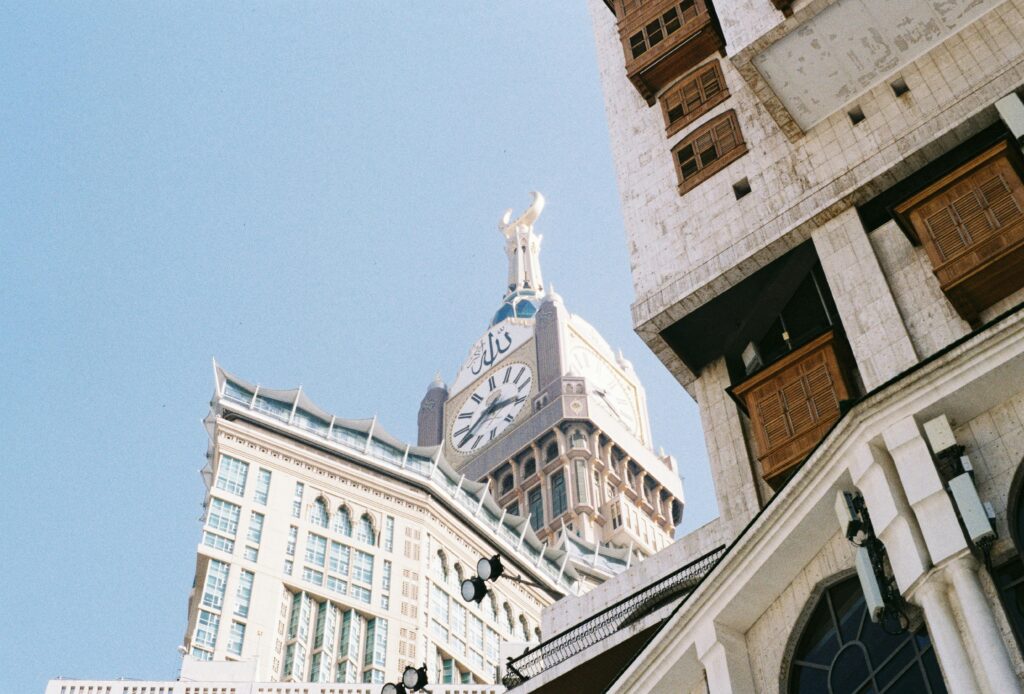
Hajj and Umrah visitors form the backbone of Saudi Arabia’s mass tourism strategy, with major upgrades to hotels and transport.
4. What the Original Coverage Didn’t Fully Explain
This shift is part of a larger economic strategy.
A. Saudi Arabia Wants to Become the Middle East’s Top Tourism Hub
Competing with Dubai, Qatar, Oman, and Bahrain requires diverse offerings, not just the ultra-luxury tier.
B. Domestic Tourism Is a Huge Priority
Saudi Arabia has a young population — and the government wants them to vacation locally rather than in:
- Dubai
- Bahrain
- Egypt
- Europe
Affordable domestic options keep spending inside the Kingdom.
C. The Kingdom Is Facing Early Signs of “Overbuilding Risk”
With so many projects under development, not all will attract enough luxury travelers to remain profitable. Mass tourism reduces this financial risk.
D. Airline Expansion Is Essential
Saudia, Flynas, and Riyadh Air (launching soon) aim to turn Riyadh into a global aviation hub, similar to Emirates’ role for Dubai. Large-scale tourism requires flight volume, not exclusivity.
E. Climate and Environmental Pressures Are Growing
Summer heat limits luxury outdoor tourism, but mass tourism can shift toward cooler regions like:
- the Asir mountains
- Taif
- AlUla in winter
5. Challenges Ahead for Saudi Arabia’s Tourism Transformation
The pivot is ambitious, but not without obstacles:
- cultural adaptation to large numbers of international visitors
- sustainability concerns around water, heat, and construction
- training a massive hospitality workforce
- balancing luxury identity with affordability
- geopolitical risks affecting global perceptions
Saudi Arabia’s tourism evolution will require careful management to avoid overcrowding, cultural tensions, or environmental stress.
Frequently Asked Questions
Q1: Why is Saudi Arabia shifting from luxury tourism to mass tourism?
To meet aggressive visitor targets and accelerate economic diversification. Luxury alone cannot deliver the volume needed.
Q2: Does this mean luxury projects like NEOM are ending?
No — luxury projects continue, but they will operate alongside mid-range and budget tourism.
Q3: What types of affordable tourism will be available?
Guesthouses, mid-tier hotels, cultural tours, beach developments, entertainment events, and adventure tourism.
Q4: Is Saudi Arabia becoming more accessible for international visitors?
Yes — the e-visa system now allows tourists from dozens of countries to visit easily.
Q5: Will mass tourism change Saudi culture?
Some cultural adaptation will occur, but the government aims to balance openness with tradition.
Q6: Is Saudi Arabia safe for tourists?
Yes — it remains one of the safest countries in the Middle East, with strong infrastructure and security.
Q7: Are religious tourism and general tourism connected?
Indirectly. Upgrades for Hajj and Umrah facilities support broader tourism growth.
Q8: Will Saudi Arabia compete directly with Dubai?
Yes — especially in entertainment, hospitality, aviation, and mass tourism offerings.
Q9: What is the biggest risk to Saudi Arabia’s tourism megaprojects?
Economic overextension and climate-related constraints.
Final Thoughts
Saudi Arabia’s pivot from ultra-luxury to mass tourism marks a major turning point in the Kingdom’s global identity. What began as a high-profile push for exclusive mega-resorts is now evolving into a broader, more inclusive tourism strategy designed to attract millions of visitors from every income level.
If executed well, this shift could transform Saudi Arabia into one of the world’s most diverse — and most visited — travel destinations by 2030. But success will depend on sustainable development, cultural openness, and the ability to deliver meaningful experiences at every price point.
The future of Saudi tourism won’t just glitter.
It will grow, diversify, and — for the first time — become accessible to everyone.
Sources Yahoo News

