
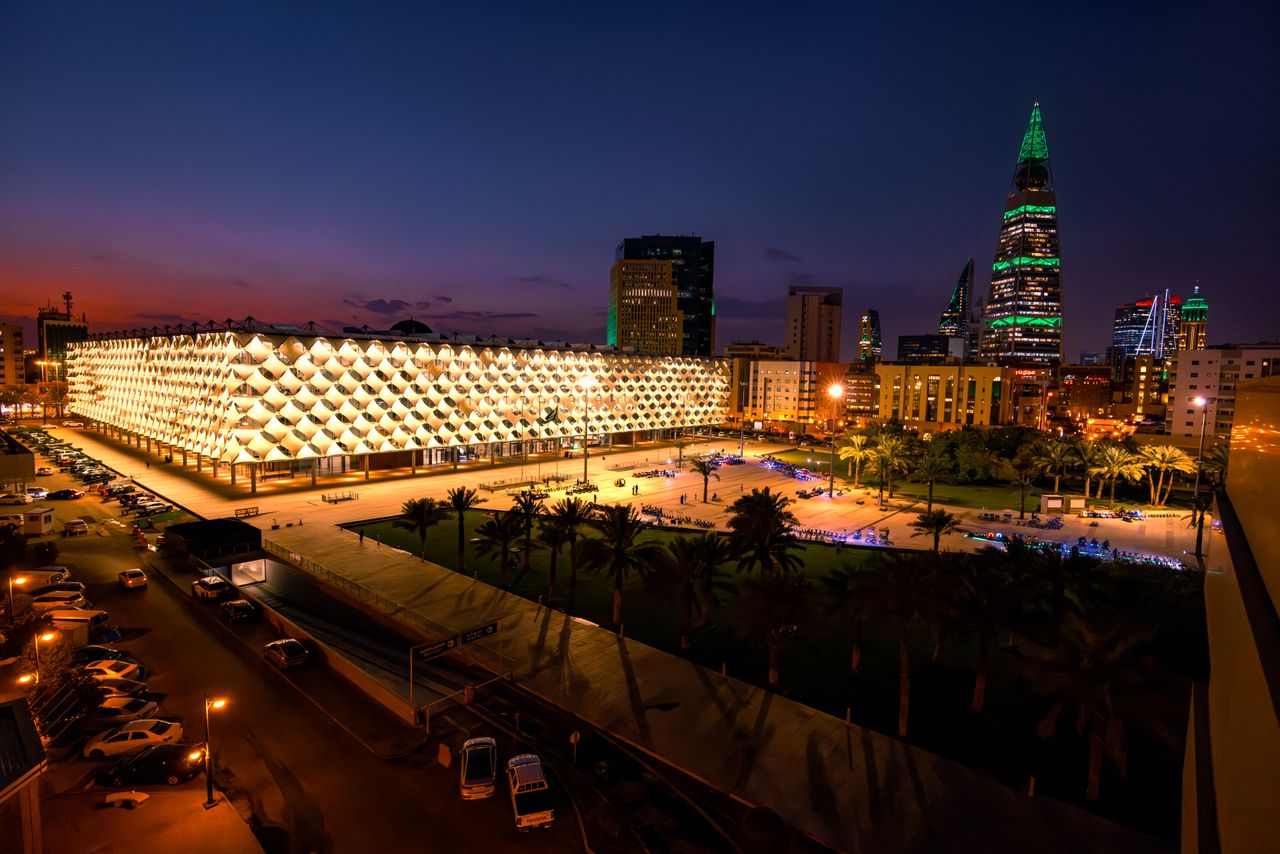
The expansion of international hotel brands is closely connected to Saudi Arabia’s Vision 2030 economic transformation programme.
For decades, the Kingdom’s international image was strongly associated with its oil industry and religious tourism. Makkah and Madinah attracted millions of Muslim pilgrims, while business travel and domestic holidays supported established hotels in major cities.
Vision 2030 seeks to broaden that economic and tourism base. The government wants to develop entertainment, culture, heritage, sports, leisure and international business tourism while reducing the economy’s dependence on oil revenues.
Tourism has consequently become a major investment priority.
According to Saudi Arabia’s Ministry of Tourism, more than $120 billion in tourism investment is supporting a development pipeline expected to deliver over 200,000 additional hotel keys by 2030. More than 50 international hospitality brands are expanding their presence in the Kingdom.
The private sector is expected to deliver approximately half of the planned new hotel capacity, highlighting the importance of international investors, hotel operators and local development companies.
The visitor target has also increased. Saudi Arabia originally aimed to attract 100 million annual visitors by 2030, but after exceeding that target ahead of schedule, it raised its ambition to 150 million.
The Kingdom welcomed approximately 123 million domestic and international tourists in 2025, while tourism spending reached a record SR304 billion, according to figures reported by the Saudi authorities.
These numbers help explain why global hotel companies increasingly regard Saudi Arabia as a strategic growth market rather than simply another location for an international hotel franchise.
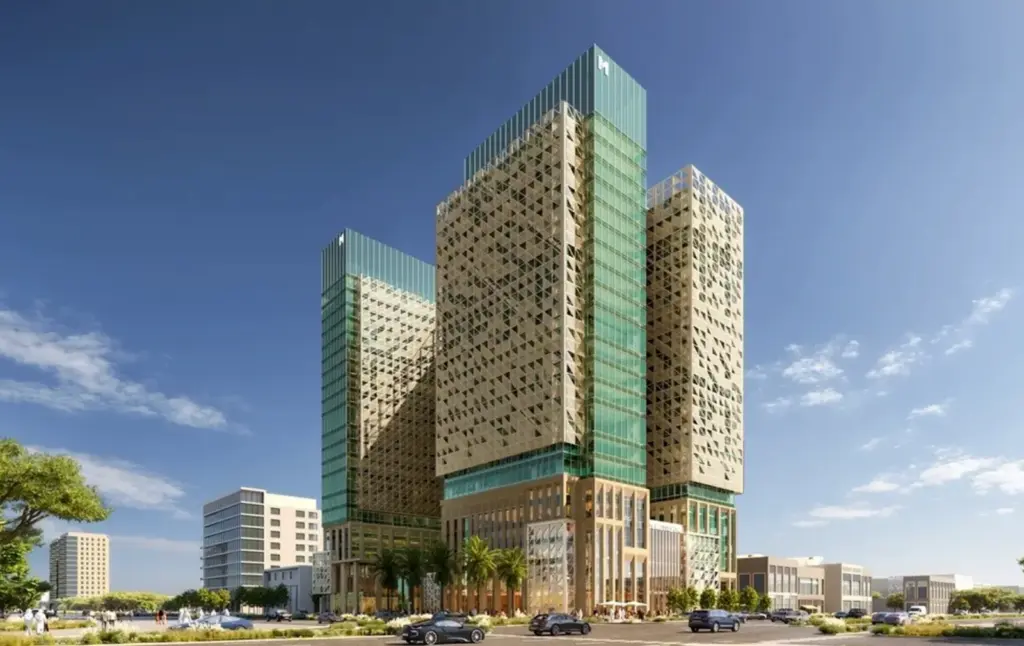
Marriott’s Partnership With Blacksand Shows the Scale of Opportunity
One of the most notable developments highlighted by Arab News is the partnership between international hospitality company Marriott International and Saudi real estate investment and development firm Blacksand.
The companies signed an agreement worth approximately SR5 billion ($1.33 billion) in June 2026.
The partnership covers 10 hotels with more than 1,300 rooms, expected to be developed over the following four years.
The project is also expected to create almost 11,000 jobs across construction and hotel operations. More than 6,000 full-time positions are targeted, with approximately 60 percent intended for Saudi nationals.
The partnership illustrates an important feature of Saudi Arabia’s hotel expansion: international brands are not necessarily financing and constructing every property themselves.
Instead, local developers may own or develop the assets while international hotel groups provide the operating expertise, brand identity, distribution networks and service standards.
This arrangement can be attractive to both sides.
For local developers, working with a recognised hotel brand can improve access to international customers, established reservation systems and global loyalty programmes.
For Marriott, the partnership provides an opportunity to expand its presence without taking responsibility for every aspect of property development and ownership.
Marriott operates a broad portfolio of hotel brands, ranging from premium luxury properties to more affordable business and select-service accommodation.
Its ability to offer different brands for different customer groups is particularly valuable in a market where demand is expected to come from business travellers, families, international tourists and domestic holidaymakers.
Blacksand’s chief executive, Omar Al-Abdullatif, emphasised that choosing a hotel operator early in the development process is important because the operator influences the hotel’s concept, guest experience and operating model.
This is a crucial point. A hotel is not simply a building that needs a brand name after construction. Its room configuration, restaurants, facilities, staffing requirements and target customers should be considered from the beginning.
Why Saudi Arabia Is Attracting Luxury Hotel Brands
One of the most important attractions for luxury hospitality groups is Saudi Arabia’s combination of historical heritage, dramatic landscapes and relatively new international tourism opportunities.
For companies specialising in high-end travel, the Kingdom offers something that established destinations such as Paris, London, Dubai and the Maldives cannot easily replicate: access to distinctive cultural and natural locations that are still developing their international tourism identities.
Aman Group is one of the luxury operators attracted by this opportunity.
The company is known for high-end hotels and resorts in destinations selected for their natural beauty, privacy, cultural importance and architectural character.
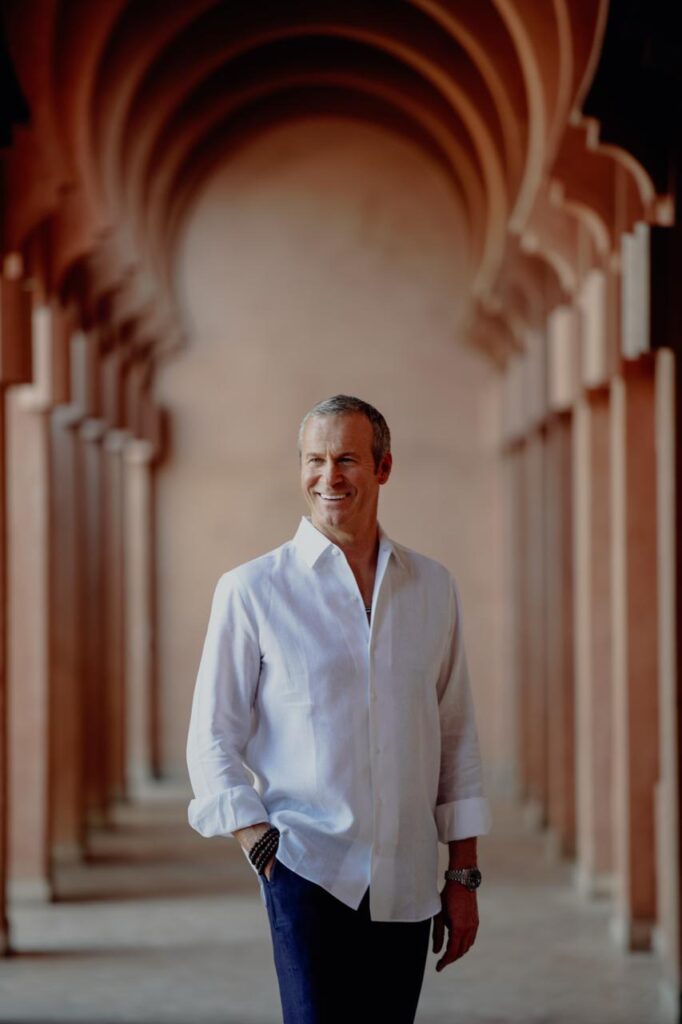
Aman chairman and chief executive Vlad Doronin told Arab News that Saudi Arabia’s heritage locations make the country a natural fit for the group’s destination-led strategy.
Two projects are particularly significant.
Aman at Hegra, AlUla
AlUla is one of Saudi Arabia’s most important emerging tourism destinations.
Located in the northwestern part of the country, the region contains desert landscapes, sandstone formations, ancient settlements and archaeological sites.
Its most internationally recognised attraction is Hegra, Saudi Arabia’s first UNESCO World Heritage Site.
Hegra was an important Nabataean city and contains monumental tombs carved into sandstone formations. The site offers a distinctive historical experience that complements the better-known archaeological attractions of Petra in Jordan.
Aman plans to develop a luxury property in the Hegra area, bringing its hospitality concept to a destination where heritage preservation and carefully managed tourism are particularly important.
Such projects could attract travellers interested in archaeology, architecture, desert experiences and exclusive accommodation.
However, development around a World Heritage Site requires careful planning. Construction, visitor numbers, transportation and infrastructure must be managed to protect the historical and environmental value that makes the destination attractive in the first place.
Amansamar in Wadi Safar
Another major project is Amansamar, planned for Wadi Safar near Diriyah and the UNESCO-listed At-Turaif district.
Diriyah is historically significant as the original home of the Saudi state. Its mud-brick architecture and cultural heritage form a major part of the country’s efforts to promote its history internationally.
The wider Wadi Safar development is intended to become a cultural and lifestyle destination, with luxury hospitality and branded residences.
Branded residences are an important part of the global luxury property market. They combine private residential ownership with services and facilities associated with an international hotel brand.
For developers, this model can create additional revenue opportunities beyond conventional hotel rooms. For buyers, it offers the appeal of owning a property connected to a recognised hospitality operator.
Saudi Arabia’s cultural identity is therefore becoming a commercial asset for international hotel groups.
Rather than competing only through room prices and facilities, luxury brands can offer experiences linked to history, architecture, nature and local culture.
Hyatt Is Expanding Across Luxury, Wellness and Business Travel
Hyatt is another major international group strengthening its position in Saudi Arabia.
The company sees the Kingdom as an important growth market within its Europe, Africa and Middle East operations.
According to Nizar Weshah, Hyatt’s area vice president for Saudi Arabia, the Kingdom offers opportunities across several hospitality categories, including business hotels, luxury accommodation, lifestyle properties and wellness resorts.
This strategy reflects the changing structure of Saudi tourism.
Not every visitor wants an expensive resort. A business traveller attending meetings in Riyadh may need convenient accommodation near commercial districts, while a family visiting Jeddah may prefer a full-service hotel with restaurants and recreational facilities.
A wellness traveller heading to the Red Sea, meanwhile, may be more interested in privacy, spa facilities and nature-based activities.
Hyatt’s development pipeline demonstrates how international hotel companies are attempting to serve these different markets.
Miraval The Red Sea
Miraval The Red Sea represents the expansion of Hyatt’s wellness-focused hospitality concept beyond the United States.
The brand specialises in experiences designed around relaxation, wellbeing, mindfulness and personal development.
The Red Sea location gives the company an opportunity to combine wellness services with a coastal environment.
This is particularly relevant because wellness tourism has become an important segment of the international travel industry.
Travellers increasingly seek holidays that combine accommodation with activities such as yoga, spa treatments, fitness programmes, healthy food and nature experiences.
Saudi Arabia’s coastal landscapes could support this market, provided developments maintain high environmental standards and deliver the quality expected by international luxury travellers.
Grand Hyatt The Red Sea
Grand Hyatt The Red Sea is planned for Shura Island, one of the central destinations within the wider Red Sea development.
The project is intended to serve several customer groups, including leisure travellers, destination weddings, meetings and events.
This combination is commercially important.
A resort that depends entirely on holidaymakers may experience significant seasonal fluctuations. Meetings, conferences, weddings and corporate events can provide additional demand throughout the year.
Hyatt Place AlUla
Hyatt Place AlUla is another planned addition to the company’s Saudi portfolio.
Its expected opening will help expand accommodation options in a destination that is increasingly marketed for heritage, nature and cultural tourism.
The Hyatt Place brand generally targets travellers looking for comfortable, practical accommodation rather than the highly personalised services of a luxury resort.
This illustrates why hotel groups are developing multiple brands within the same country.
Saudi Arabia’s tourism market is too diverse to be served effectively by luxury resorts alone.
The Red Sea, AlUla and Diriyah: Saudi Arabia’s New Tourism Geography
<PRIVATE_PERSON>The hospitality investment boom is closely connected to the development of new tourism destinations across the Kingdom.
Several major projects are reshaping the country’s tourism geography.
1. The Red Sea
The Red Sea development is one of Saudi Arabia’s most ambitious tourism projects.
It focuses on coastal resorts, islands, marine environments and luxury accommodation along the Kingdom’s western coastline.
The destination is being developed around the idea of combining high-end hospitality with nature-based experiences.
Potential attractions include:
- Snorkelling and scuba diving
- Coral reef exploration
- Sailing and boating
- Beach holidays
- Wellness retreats
- Nature-based excursions
- Luxury resort experiences
The region’s marine ecosystems are a major attraction, but they also create environmental responsibilities.
Coral reefs are vulnerable to pollution, physical damage, coastal construction and poorly managed tourism.
Developers must therefore ensure that infrastructure, waste management, water use and visitor activities do not undermine the natural environment that gives the destination its appeal.
2. AlUla
AlUla is positioned as a major cultural and heritage destination.
Its attractions include Hegra, Elephant Rock, ancient settlements, sandstone valleys and archaeological landscapes.
The destination can appeal to travellers who want more than conventional beach holidays.
Potential visitor experiences include:
- Archaeological tours
- Desert exploration
- Cultural festivals
- Heritage accommodation
- Art exhibitions
- Adventure activities
- Luxury desert retreats
The challenge is balancing tourism development with the protection of archaeological sites and fragile desert ecosystems.
3. Diriyah
Diriyah offers a different tourism proposition.
Rather than relying on coastal landscapes or desert adventure, it focuses on Saudi history, architecture, culture and national identity.
The At-Turaif district is a UNESCO World Heritage Site and an important historical centre.
The wider development is intended to include hospitality, restaurants, cultural attractions, shopping and public spaces.
For international hotel brands, Diriyah offers an opportunity to connect luxury accommodation with an authentic historical setting.
4. Riyadh
Riyadh is central to the Kingdom’s business and events tourism strategy.
As the capital and main administrative centre, it attracts government delegations, corporate executives, investors and conference participants.
The city is also expanding its entertainment, dining, cultural and retail offerings.
International hotel groups can benefit from demand generated by business travel, exhibitions, major sporting events and government-related activities.
Riyadh’s hotel market is therefore likely to require a broad range of accommodation, from luxury properties to midscale business hotels.
5. Makkah and Madinah
Religious tourism remains one of Saudi Arabia’s most established and important visitor markets.
Makkah and Madinah attract Muslim pilgrims throughout the year, with particularly intense demand during Hajj and Ramadan.
The hospitality industry must accommodate large visitor flows, often involving families, tour groups and travellers with different budgets.
This creates opportunities for international hotel brands, local operators and serviced accommodation providers.
Unlike some leisure destinations that depend heavily on holiday seasons, religious tourism creates a distinctive and recurring source of demand.
However, capacity planning, transport coordination, crowd management and affordable accommodation remain essential.
Why International Hotel Brands Want to Enter Now
Saudi Arabia’s attractiveness to global hotel groups is based on several overlapping factors.
A rapidly expanding tourism market
The increase in visitor numbers gives hotel investors a reason to expect stronger demand.
Saudi Arabia recorded approximately 123 million domestic and international tourists in 2025, according to official figures reported by the Kingdom.
The 150 million target for 2030 suggests that the government expects continued growth.
More visitors generally create opportunities for accommodation, restaurants, transportation, entertainment and other hospitality services.
However, visitor numbers alone do not guarantee hotel profitability. Investors must understand how long visitors stay, how much they spend and which destinations they choose.
Government-backed investment and infrastructure
Large tourism developments require infrastructure that individual hotel companies cannot provide independently.
Roads, airports, utilities, public transport, digital connectivity and destination management are all essential.
Saudi Arabia’s government-led development strategy is intended to coordinate these investments and encourage private-sector participation.
The Ministry of Tourism and Ministry of Investment have also introduced programmes designed to improve the investment environment and make selected hospitality projects more commercially viable.
In October 2026, authorities announced 19 approved hospitality projects worth approximately SR6.7 billion ($1.78 billion), expected to add more than 3,000 hotel rooms and create over 17,000 jobs.
The projects cover destinations including Al-Baha, Al-Ahsa, Jeddah, Asir and the Eastern Province.
This is significant because it demonstrates that investment is not limited to the most publicised mega-projects. Smaller and emerging destinations are also being included in the tourism expansion.
A growing domestic travel market
International visitors are only part of the opportunity.
Saudi residents increasingly have access to a wider range of domestic leisure and entertainment experiences.
Families may travel for weekend breaks, cultural festivals, coastal holidays and seasonal events.
Business travellers also generate demand for accommodation within major cities.
A hotel that can attract both domestic and international customers may have a more diversified revenue base than one relying on a single international visitor market.
Global hotel distribution and loyalty programmes
International brands bring established reservation networks, corporate relationships and customer loyalty systems.
For travellers, this can make it easier to book accommodation and use familiar loyalty benefits.
For hotel owners, international distribution can provide access to customers who might not otherwise discover a new property.
This advantage is particularly important for destinations that are still building their global recognition.
Expo 2030 and FIFA World Cup 2034 Could Accelerate Hotel Demand
Saudi Arabia’s hospitality expansion is also linked to major international events.
Riyadh is preparing to host Expo 2030, a major international exhibition expected to attract visitors, businesses, government representatives and exhibitors from around the world.
The event is likely to generate demand for hotels, serviced apartments, restaurants, transport and conference facilities.
Saudi Arabia is also scheduled to host the FIFA World Cup 2034.
The tournament will require substantial accommodation and transport capacity across host cities.
International sporting events can create significant short-term tourism demand, but their infrastructure benefits can extend beyond the event itself.
Hotels built for major events may continue serving business travellers, families, leisure tourists and other visitors afterwards.
However, investors must avoid assuming that temporary event demand will automatically support long-term hotel profitability.
The most successful properties will be those that remain attractive after the major events have ended.
Job Creation and the Development of Saudi Hospitality Talent
Hotel construction is only one part of the economic opportunity.
A growing hospitality industry requires trained employees across many occupations, including:
- Hotel management
- Front-desk operations
- Housekeeping
- Food and beverage services
- Culinary operations
- Guest relations
- Revenue management
- Digital marketing
- Event management
- Engineering and maintenance
The Marriott-Blacksand agreement’s target of allocating 60 percent of full-time roles to Saudi nationals highlights the importance of workforce localisation.
Saudi Arabia wants its tourism expansion to generate employment opportunities for citizens rather than relying entirely on imported expertise.
International hotel groups can contribute through training, professional development and exposure to global service standards.
Hyatt has also highlighted its participation in the Ministry of Tourism’s Hospitality Ambassadors Programme, which supports Saudi talent in developing hospitality skills and gaining international experience.
This is a critical issue because hotels depend heavily on service quality.
A beautiful resort with impressive architecture may attract visitors initially, but its long-term reputation depends on the quality of the guest experience.
Training, staff retention and career development will therefore influence whether Saudi Arabia can build a globally competitive hospitality workforce.
The Risks Behind Saudi Arabia’s Hotel Investment Boom
Although the investment opportunity is considerable, the Kingdom’s tourism expansion also faces challenges.
Building hundreds of thousands of hotel rooms does not guarantee that enough profitable demand will exist to fill them.
Several issues deserve close attention.
1. The risk of oversupply
Saudi Arabia’s planned hotel pipeline is exceptionally large.
If too many rooms enter the market before visitor demand matures, hotels could face lower occupancy, discounting and weaker returns.
This risk is especially relevant in destinations where several major developments are scheduled to open within similar periods.
Developers must evaluate local demand rather than assume that national visitor growth will benefit every hotel equally.
A business hotel in Riyadh, a luxury resort on the Red Sea and a heritage property in AlUla serve different customer markets.
Their occupancy patterns, operating costs and pricing strategies will also differ.
2. Delivering projects on schedule
Large developments often face construction, procurement, financing and infrastructure challenges.
Projects may require specialised materials, international contractors, skilled workers and complex approvals.
Delays can increase costs and affect the commercial viability of hotels that depend on surrounding infrastructure or attractions becoming operational at the same time.
International hotel brands must therefore work closely with developers throughout the planning and construction process.
3. Environmental sustainability
Saudi Arabia’s natural attractions are central to its tourism ambitions.
The Red Sea depends on healthy marine ecosystems, while AlUla’s appeal is connected to its archaeological and desert landscapes.
Large-scale tourism can create pressure on water supplies, energy systems, waste management and sensitive natural environments.
Hotels in desert and coastal locations need to consider:
- Efficient water use
- Renewable energy where practical
- Waste reduction and recycling
- Responsible construction
- Protection of wildlife and marine habitats
- Sustainable transport
- Limits on visitor pressure in sensitive locations
Sustainability should not be treated as a marketing slogan. It needs to be reflected in the way properties are designed, constructed and operated.
4. Developing enough skilled workers
Rapid hotel expansion can create demand for employees faster than the local labour market can supply experienced hospitality professionals.
Training programmes need to develop not only entry-level workers but also supervisors, department heads and senior managers.
The industry must also make hospitality careers attractive through professional development, competitive working conditions and opportunities for advancement.
5. International competition
Saudi Arabia is not entering an empty tourism market.
The United Arab Emirates, Qatar, Oman, Bahrain, Egypt and other destinations are also investing heavily in hotels, attractions and transport infrastructure.
Dubai already has a strong international hospitality reputation, while Qatar has developed a major events and luxury tourism offering.
Saudi Arabia must therefore compete through distinctive experiences, service quality, accessibility and value rather than relying exclusively on large investment budgets.
6. Turning announcements into operating businesses
Hotel investment announcements attract attention, but the real test is successful delivery.
A completed hotel needs reliable transport connections, trained employees, suppliers, utilities, booking systems and consistent customer demand.
Investors will ultimately judge projects by operating performance rather than the size of the initial development announcement.
What Global Hotel Groups Need to Understand About Saudi Travellers
Saudi Arabia’s tourism market is not a single customer segment.
International visitors, domestic families, religious travellers, business executives and luxury holidaymakers have different expectations.
A successful hospitality strategy must understand these differences.
For example, a family travelling within Saudi Arabia may prioritise spacious rooms, dining options and recreational facilities.
A corporate visitor may value location, meeting facilities and fast business services.
A luxury international traveller may expect privacy, personalised experiences and high-end restaurants.
A religious visitor may prioritise proximity to holy sites, accessible transport and practical accommodation arrangements.
International brands that adapt their services to these needs may have a stronger competitive position than operators that simply reproduce a standard hotel concept.
Cultural understanding is also essential.
Hospitality companies need to develop services that respect local customs, religious practices and social expectations while meeting the needs of international visitors.
This balance will be particularly important as Saudi Arabia welcomes a more diverse mix of travellers.
Could Saudi Arabia Become One of the World’s Leading Luxury Tourism Markets?
The Kingdom has several ingredients that could support a major luxury tourism industry.
It has substantial investment resources, distinctive heritage destinations, extensive coastlines, desert landscapes and growing international connectivity.
The entry of brands such as Aman and the expansion of Hyatt’s luxury and wellness offerings indicate that global hospitality companies see opportunities beyond conventional city hotels.
However, luxury tourism is not defined only by expensive accommodation.
High-end travellers expect exceptional service, convenient transport, quality restaurants, distinctive experiences and dependable operations.
A luxury resort may look impressive in promotional photographs, but its reputation will ultimately depend on what guests experience during their stay.
Saudi Arabia will also need to develop complementary attractions, including cultural programmes, entertainment, shopping, dining and outdoor activities.
The Kingdom’s most compelling opportunity may lie in combining luxury hospitality with experiences that cannot easily be replicated elsewhere.
A stay near ancient Nabataean tombs, a wellness retreat beside the Red Sea or a heritage-focused visit to Diriyah can offer a distinctive proposition when delivered thoughtfully.
The Future of Saudi Arabia’s Hospitality Industry
Saudi Arabia’s hospitality transformation is entering a significant stage.
International hotel brands are expanding, local developers are forming partnerships with global operators, and government programmes are encouraging private investment across established and emerging destinations.
The scale of the opportunity is clear. More than $120 billion in tourism investment, over 50 international hospitality brands and a pipeline of more than 200,000 hotel keys demonstrate how seriously the Kingdom is pursuing its tourism ambitions.
Yet the next stage will be more demanding than announcing new developments.
The industry must convert investment into completed hotels, build a skilled workforce, attract repeat visitors, protect natural and cultural assets and ensure that new supply is supported by sustainable demand.
The 2030 visitor target and major events such as Expo 2030 will provide important milestones. But the long-term success of Saudi tourism will depend on what happens after those milestones have passed.
For Marriott, Hyatt, Aman and other international hospitality groups, Saudi Arabia represents an opportunity to participate in the creation of a new tourism market.
For the Kingdom, the challenge is bigger: to transform investment and ambition into a hospitality industry that delivers lasting economic benefits, memorable visitor experiences and a distinctive place in global tourism.
Saudi Arabia is no longer simply preparing to welcome more tourists. It is competing to shape what the next generation of international travel will look like.
Frequently Asked Questions (FAQs)
1. Why are international hotel brands investing in Saudi Arabia?
International hotel brands are attracted by Saudi Arabia’s growing tourism market, government-backed infrastructure investment, Vision 2030 economic diversification strategy and the opportunity to serve new customer segments. The Kingdom is developing luxury resorts, business hotels, wellness destinations and cultural tourism projects while targeting 150 million annual visitors by 2030.
2. How much is Saudi Arabia investing in tourism?
Saudi Arabia’s tourism investment pipeline exceeds $120 billion, according to the Ministry of Tourism. The investment supports a development programme expected to add more than 200,000 hotel keys by 2030. The private sector is expected to deliver approximately half of the planned new hotel capacity.
3. Which international hotel brands are expanding in Saudi Arabia?
Major international hospitality groups expanding in the Kingdom include Marriott International, Hyatt and Aman Group. Their strategies cover different segments, including luxury accommodation, business hotels, wellness resorts, branded residences and full-service properties.
4. What are the main tourism destinations attracting hotel investment in Saudi Arabia?
Major destinations include Riyadh, Jeddah, Makkah, Madinah, AlUla, Diriyah and the Red Sea development. These locations offer different tourism opportunities, ranging from business and religious travel to archaeological tourism, luxury coastal holidays and cultural experiences.
5. What challenges could affect Saudi Arabia’s hotel investment boom?
Major challenges include the risk of hotel oversupply, construction delays, environmental pressures, shortages of skilled hospitality workers and competition from established Middle Eastern tourism destinations. Long-term success will depend on delivering high-quality hotels, attracting sufficient visitor demand and protecting the natural and cultural attractions that make the Kingdom distinctive.
Sources Arab News