

As Greece emerges from pandemic travel lulls, Athens is once again a must-see capital—its ancient monuments, lively neighborhoods, and vibrant café culture beckoning millions. But this summer, soaring temperatures are forcing a rethink of how the city welcomes its guests. With daily highs now routinely touching 40 °C (104 °F), tour operators, local shops, and heritage sites are scrambling to adapt—deploying early-morning schedules, midday closures, and new cooling initiatives to keep visitors safe and experiences memorable.
The Heat Challenge Meets High Season
- Record Temperatures: Over the past decade, heatwaves have grown more frequent and intense. May and June 2025 saw a string of 38–42 °C days—shattering historical averages of 28–31 °C for that period.
- Tourism Boom: After 2024’s 31 million visitors, Athens expects 35 million arrivals in 2025. International flights are at 120% of 2019 levels, and hotels report weekend occupancies above 90%.
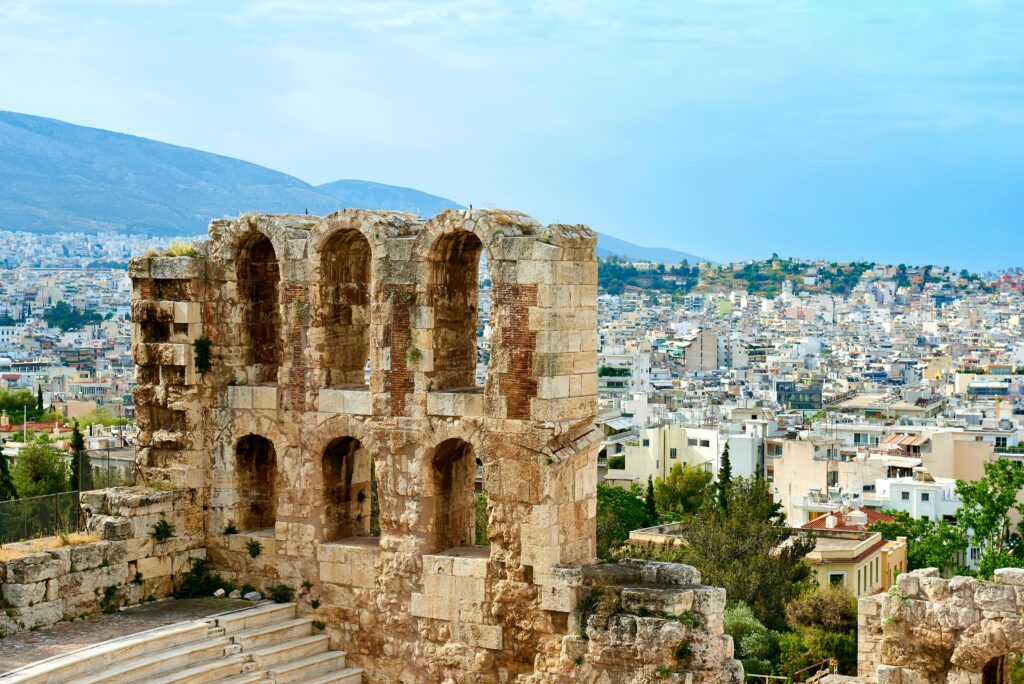
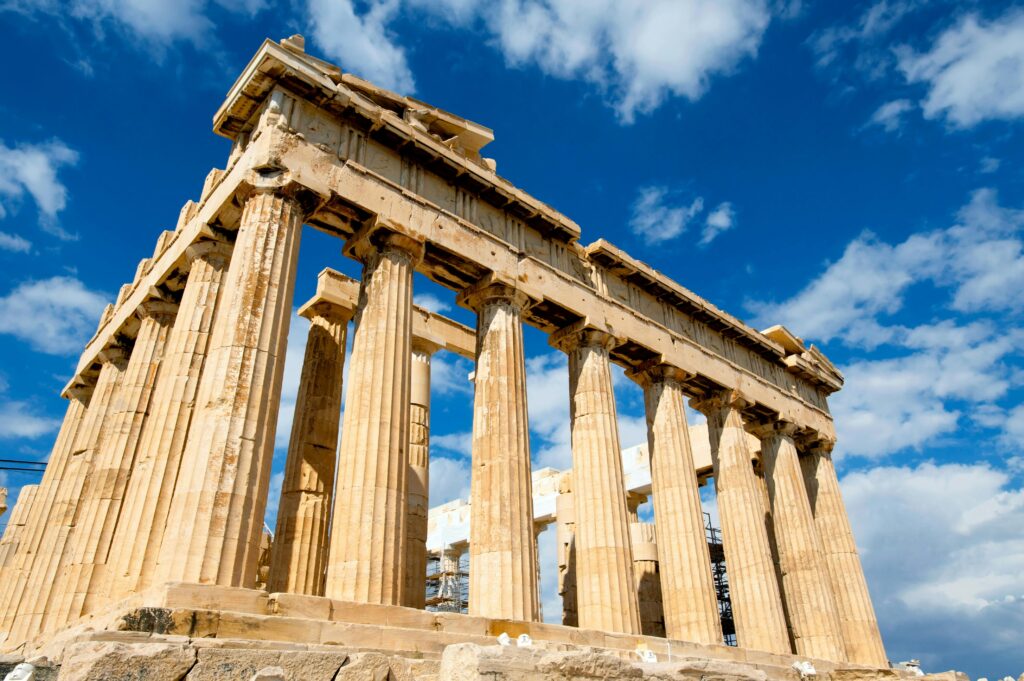
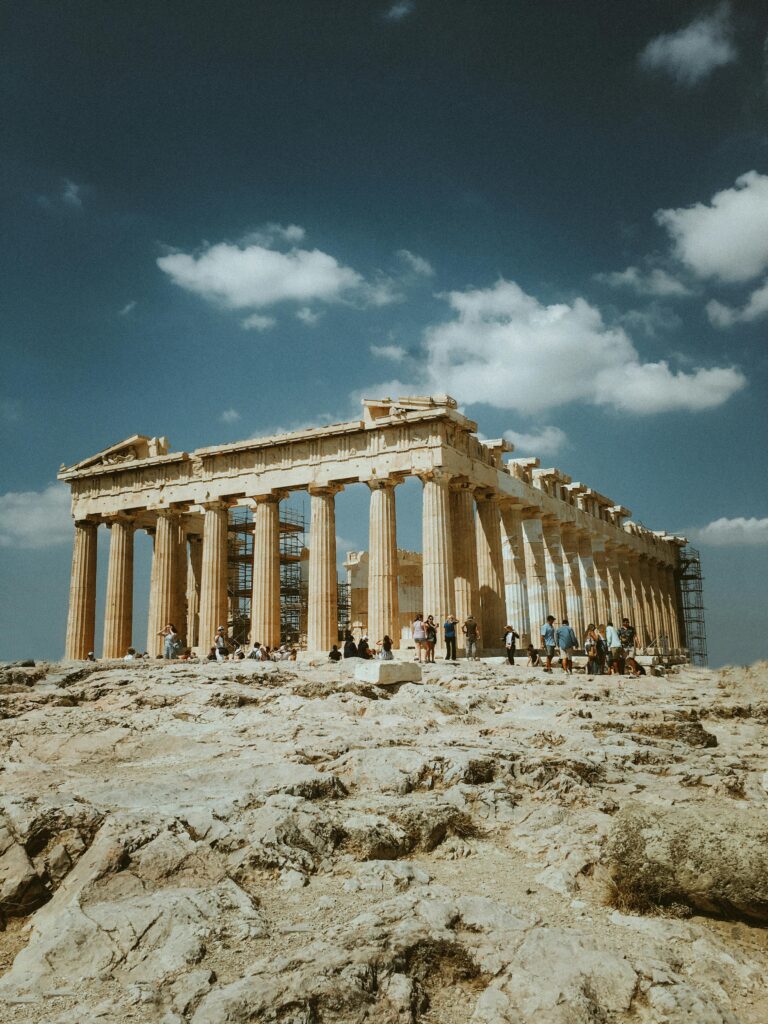
- Strained Heritage Sites: The Acropolis and its surrounding slopes, built of sun-baked limestone, absorb solar heat all day. Last year’s trials saw midday closures and shaded walkways installed—precursors to this summer’s tighter restrictions.
Innovations in a Melting Metropolis
- “Dawn Patrol” Tours: Many guided-walking companies now kick off between 6 AM and 8 AM, allowing guests to explore the Agora, Parthenon, and Plaka districts before temperatures peak.
- Midday Siestas & Cultural Hubs: From 12 PM to 4 PM, state-run sites shutter gates—while nearby museums and air-conditioned cafés stay open free of charge or at reduced rates for ticket holders.
- Mobile Cooling Stations: Municipal “cool buses” equipped with misting fans and water dispensers circulate around Syntagma Square, Monastiraki, and Thissio, giving relief and hydration points for sightseers.
- Extended Evenings: Rooftop bars, night-market food stalls, and al-fresco cinema screenings now operate past midnight, turning the city’s sultry nights into an asset for tourism.
Community and Sustainability Efforts
- Urban Greening: The Athens municipality has planted 5,000 new shade trees along pedestrian routes and launched a grant program for green roofs in historic neighborhoods.
- Water-Saving Conservation: Heritage site managers introduced recycled-water misting systems and mandated bottled-water-free zones—visitors carry reusable bottles filled at filtered-tap stations.
- Local Business Adaptation: Hotels offer “cool pods” with blackout drapes and personalized air-flow controls; street vendors now rotate shaded stands and sell electrolyte-rich snacks.
Beyond Cool Relief: Rethinking the Tourist Experience
Heat has spurred creative offerings:
- Virtual Reality Previews: To limit time on exposed hilltops, VR booths at the Acropolis Museum let visitors “visit” summit areas, reducing foot traffic and exposure.
- Culinary Heat Tours: Food-and-drink experiences shift focus to chilled Greek delights—freezing spoon sweets, iced frappé tastings, and guided meze crawls in breezy taverna courtyards.
- Wellness Integration: Yoga-at-sunrise sessions on the Philopappos Hill terraces merge sightseeing with gentle exercise and guided breathing—prioritizing well-being over marathon hikes.
Anticipating Future Summers
Athens planners view this season as a test bed for long-term resilience:
- Smart Shade Canopies: Prototypes of retractable fabric sails over the Acropolis ascent promises 30% shade coverage by 2026.
- Heat-Index Alerts: A citywide app now pushes real-time warnings and recommended detours to cooler zones, integrating with public-transport timetables.
- Climate-Adaptive Architecture: Renovations of historic buildings include passive-cooling enhancements—thicker shades, reflective surfaces, and natural-ventilation upgrades.
Frequently Asked Questions (FAQs)
Q1: Is it safe to visit Athens in summer?
Yes—by taking simple precautions like early-morning tours, staying hydrated, and using shaded routes, travelers can enjoy the city safely.
Q2: What are “dawn patrol” tours?
Guided excursions that start at daybreak (6–8 AM), offering cooler temps and fewer crowds at major sites.
Q3: Are the Acropolis and other sites closing midday?
Many historic sites now close from around 12 PM to 4 PM; visitors can use vouchers for free afternoon entry to air-conditioned museums.
Q4: How can I stay cool on the streets?
Follow mobile cooling-bus routes, refill at filtered water stations, and seek out shaded cafés or public “cool corners” marked on local maps.
Q5: Should I change my travel itinerary?
Plan outdoor activities for mornings or evenings, use mid-day breaks for cultural or culinary indoor experiences, and book walking tours that account for heat.
Q6: Will these measures affect ticket prices or availability?
Most adjustments are free or built into existing admission fees; however, early-morning and evening experiences may require advance booking due to limited slots.
Sources CNN

