

Recent data reveals that visitors from Seattle-area communities hold the impressive third-highest travel spending per capita in the U.S.—surpassed only by spending in New Jersey and Maryland. It’s a title earned through a blend of leisure, business, and increasing “bleisure” travel.
Let’s break down what’s fueling this trend and what it means for the region’s economy and future.

Seattle’s Tourism Boom in Numbers
- In 2024, Seattle and King County welcomed 40 million visitors, marking a 5.3% increase from the prior year. These travelers injected $8.8 billion into the local economy and contributed $839 million in state and local taxes. The tourism sector supported over 68,000 jobs—a nearly 5% rise over 2023.
- In 2023, visitors spent $8.2 billion, a 12.8% jump from 2022, with tourist-generated taxes reaching $787 million—equivalent to a $859 tax offset per King County household.
Why Seattle Ranks So High
1. High Per Capita Spending Power
Local travelers, especially affluent leisure and business visitors combining trips with tourism (“bleisure”), tend to spend more on hotels, dining, retail, and wellness services—solidifying Seattle’s top-tier ranking.
2. A Strong Business-Leisure Blend
Seattle’s thriving tech and events ecosystem adds a steady stream of business travelers who extend their stays to enjoy the city’s cultural offerings.
3. Events & Downtown Revival
Downtown Seattle is regaining momentum—foot traffic, hotel stays, and worker presence are climbing toward pre-pandemic levels. Key summer events and cruise season are bolstering tourism.
4. Iconic Local Attractions
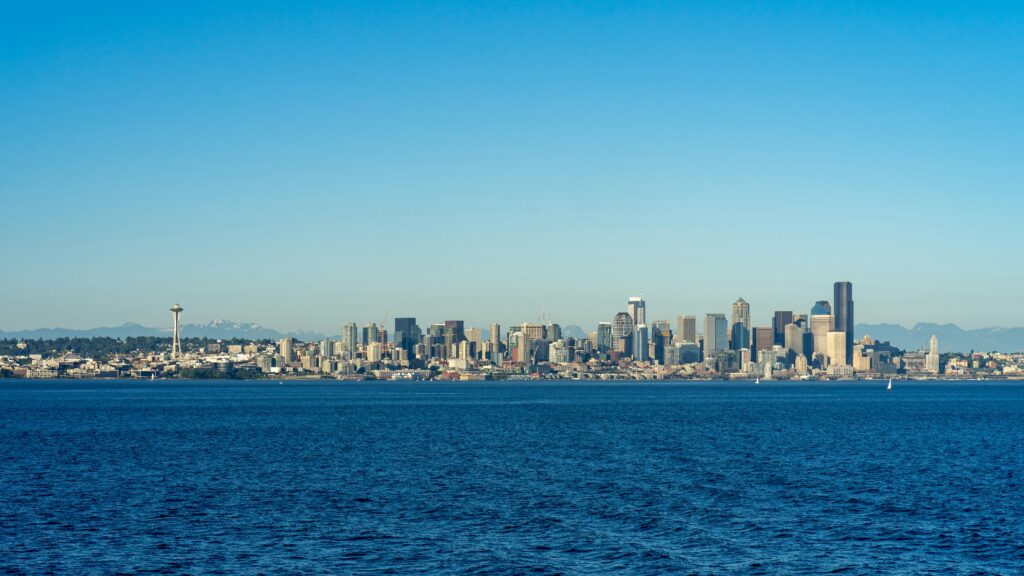
Must-sees like Pike Place Market (10 million annual visitors) and the Space Needle anchor tourism, while cruise departures to Alaska generate $900 million in economic activity.
5. Strategic Destination Marketing
Visit Seattle and King County have strengthened branding efforts, expanded convention facilities, and launched visitor research tools to drive growth.
Why It Matters for the Region
- Economic Resilience: Tourism helps sustain local businesses, from hospitality to retail, anchoring Seattle’s economic recovery.
- Job Creation: With tens of thousands employed, visitor spending is vital for job growth and income stability.
- Infrastructure Planning: Rising tourism calls for smart investments—from expanded transit to improved green spaces and cultural programming.
Frequently Asked Questions
Q: How did Seattle-area travelers end up ranking third in spending?
High per trip spend—especially from business mixed with leisure travel—as well as strong event calendars and cruise activity, have positioned the region near the top nationally.
Q: Is tourism fully recovered after the pandemic?
Visitor numbers and spending now align with or exceed pre-pandemic levels. In 2024, Seattle brought in 95% of its 2019 visitor volume, with spending up around 8%.
Q: What challenges remain for Seattle tourism?
International visitor numbers are still lagging, and rising costs are squeezing hotel profits.
Q: Could bleisure travel be shaping this trend?
Definitely. The growing tendency for business travelers to include leisure components in their trips boosts spending and local engagement.
Q: What are next steps for Seattle’s tourism strategy?
Broadening visitor demographics, sustaining downtown vibrancy, and investing in infrastructure to match evolving travel trends will be key to continued success.
Final Thought
Seattle’s high rank in per capita travel spending is no accident—it’s the result of a compelling mix: business, culture, nature, and smart local strategy all working in harmony.
As tourism surges back stronger than ever, the opportunity lies in managing it thoughtfully to ensure long-term vitality—for visitors and residents alike.

Sources The Seattle Times

