
An Unprecedented Drop in Foreign Visitors
In 2025, the United States is witnessing a marked downturn in international tourism—a decline not driven by global crises, but increasingly by domestic political decisions. Forecasts now predict an 8–9% decline in international arrivals, a reversal from earlier expectations of robust growth. One economic think tank projects an even steeper 16.3% drop in arrivals, potentially bringing total inbound visitors down to around 60.6 million, well below the pre-pandemic high of nearly 80 million. In parallel, international tourist spending in the U.S. is expected to shrink by $12.5 billion—making the U.S. unique among global destinations in experiencing a year-over-year decline. The ripple effects are severe: lost jobs, reduced revenue for hotels and restaurants, and weakened city economies.
Policy Moves That Are Driving Travelers Away
A confluence of political actions has created a stark shift in international perceptions:
- Visa and Entry Fee Hikes: Tourist visa fees have surged by hundreds of dollars. For many, the cost now approaches $400+ when combined with new “visa integrity” charges. Even the Electronic System for Travel Authorization (ESTA) has seen steep increases.
- Stricter Immigration Enforcement: Harsher screening, prolonged waits, reports of arbitrary detentions—especially at land borders—have all heightened unease among potential visitors.
- Tariff Wars and Rhetoric: Aggressive “America First” policies and antagonistic remarks towards allied countries—particularly Canada and Europe—have fueled boycotts and deterred travel.
- Cuts to Tourism Promotion: Funding for Brand USA—the government agency charged with marketing U.S. tourism—has been slashed. As a result, global advertising and goodwill-building efforts have weakened.
The Fallout: Economic and Regional Impacts
The economic toll is massive. Analysts estimate a potential reduction in U.S. GDP of up to $71 billion, equivalent to 0.1–0.3% of total output, driven by weakened tourism-related exports such as lodging, dining, and transportation.
Key tourism hubs are under duress:
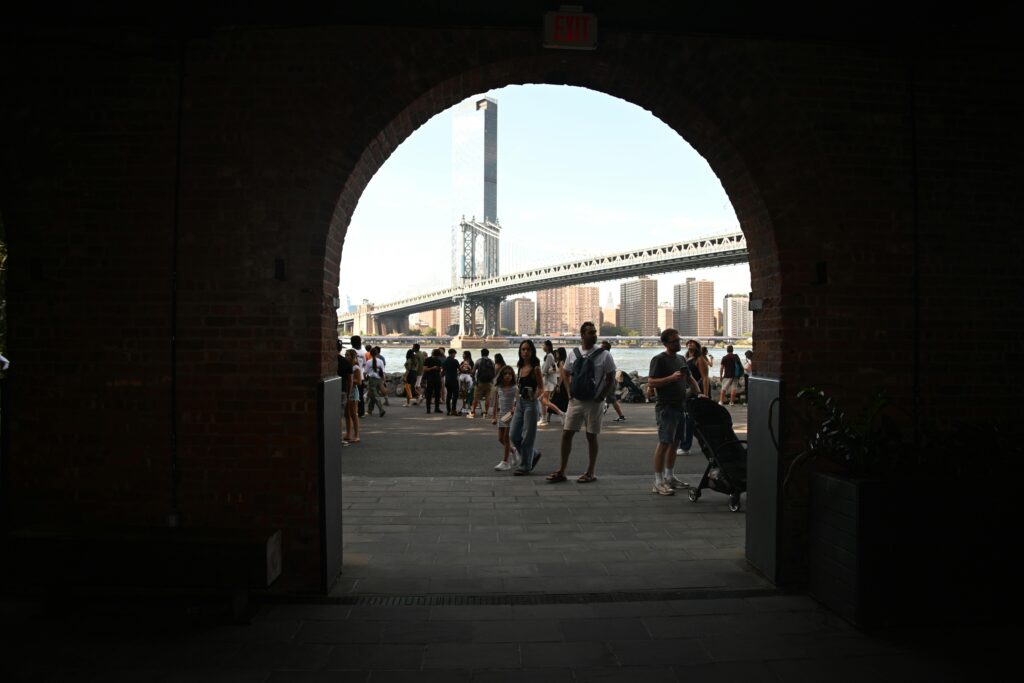
- New York City could lose up to 2 million international visitors, trimming visitor spending by $4 billion.
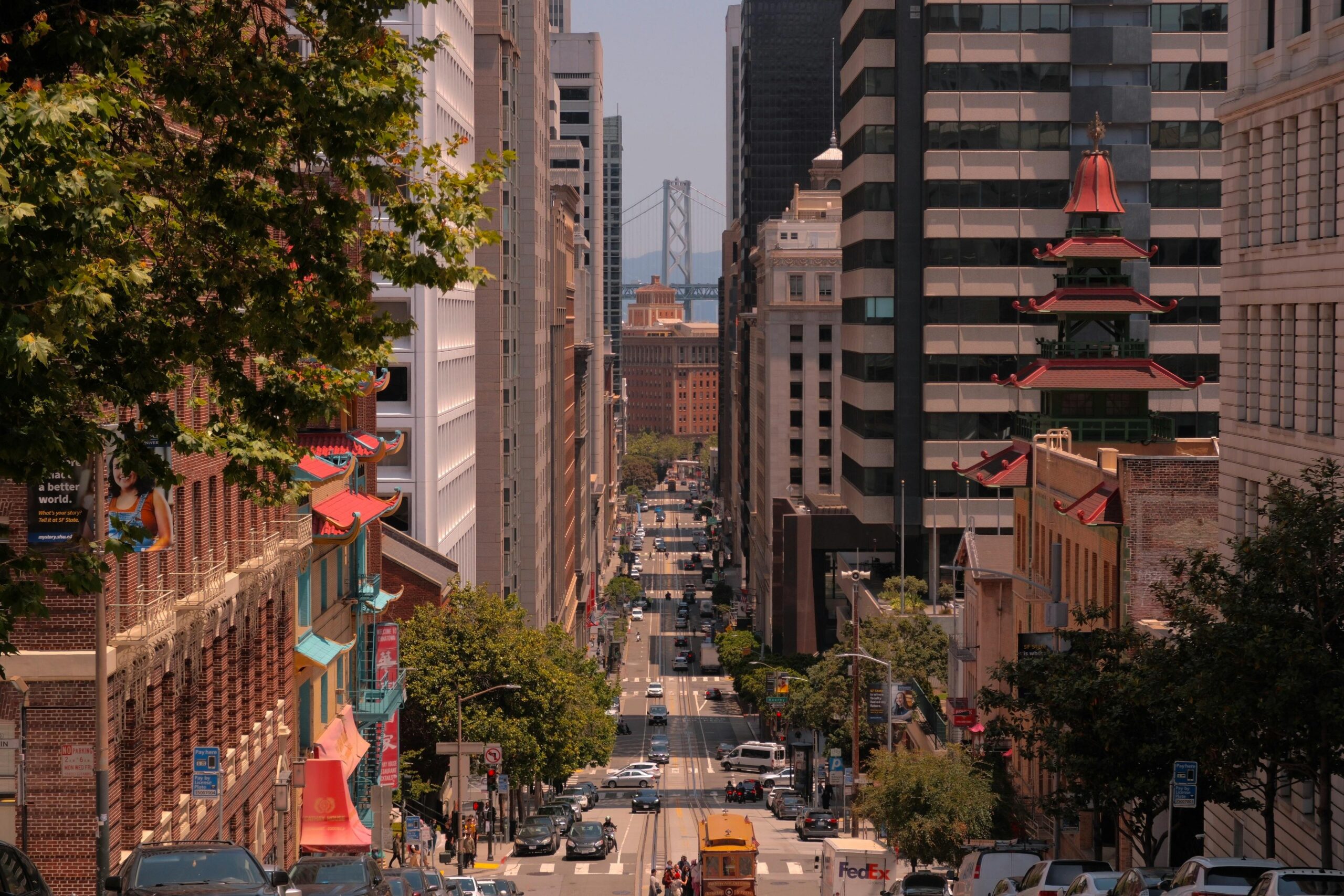
- California’s urban giants—Los Angeles and San Francisco—have seen 9% declines in foreign visitors, undercutting high-spending tourism cohorts from Asia and Europe.
- Border cities and regions, especially in the Pacific Northwest and Great Lakes areas, have reported double-digit drops, primarily due to collapsing Canadian cross-border traffic—down as much as 25% overall, with land crossings down 37% in July alone.
- Other destinations like Buffalo, Las Vegas, and Los Angeles are reporting occupancy and arrival figures well below expectations, leading to revenue declines across sectors.
The Global Response: Boycotts and Shifting Preferences
What began as political backlash quickly evolved into economic action. In Canada and parts of Europe, organized boycotts have emerged—encouraging reduced travel to the U.S. as well as avoidance of American goods and services. Some Canadians have cut U.S. trips by 70% during peak seasons. Surveys show a sharp rise in nationalistic consumer behavior—a deliberate “choose local” mindset replacing American purchases and trips.
Glimmers of Hope and the Road Ahead
Not all trends are negative. Travelers from countries like Argentina, Israel, and Italy have shown growth in visitation. And while tourism remains one of America’s largest service exports—fueling nearly $1.3 trillion in consumer spending and supporting 15 million jobs—the industry’s future hinges on policy shifts.
Moderation in rhetoric, restoration of visa programs, and renewed marketing could help. Major events like the 2026 FIFA World Cup, America’s Semiquincentennial (America250), and the 2028 Summer Olympics offer potential catalysts—but only if the U.S. appears open and welcoming again.
Frequently Asked Questions (FAQs)
1. How big is the decline in international tourism right now?
Estimates vary, but most projections show an 8–9% drop in 2025, with some forecasts as steep as 16.3%. Monthly declines of 3–6% have been recorded in recent data.
2. What’s causing this downturn?
The causes are largely policy-driven: visa fee hikes, travel restrictions, aggressive trade rhetoric, safety concerns at borders, and reduced tourism promotion.
3. Which countries are seeing the biggest declines in visitor numbers?
Canada and Western Europe are the most affected. Canadian visitors have dropped by around 25% overall, with land crossings down 37%. Countries like Germany, the U.K., Spain, and South Korea have seen substantial declines. Contrastingly, Argentina and Israel are reporting upticks.
4. What’s the economic impact?
Estimates suggest losses up to $12.5 billion in visitor spending, with GDP reductions ranging from $23 billion to $71 billion. Job losses in hospitality, travel, and services are also expected.
5. Will tourism recover?
Recovery is uncertain. Some think a bounce could happen as early as 2026, especially with the World Cup and other major international events on the horizon—but only if policies change.
6. How are cities coping with the slump?
Many are offering discounts, launching emergency marketing campaigns, and lobbying policymakers for relaxed visa measures and funding to revive international interest.

Sources CNN

