
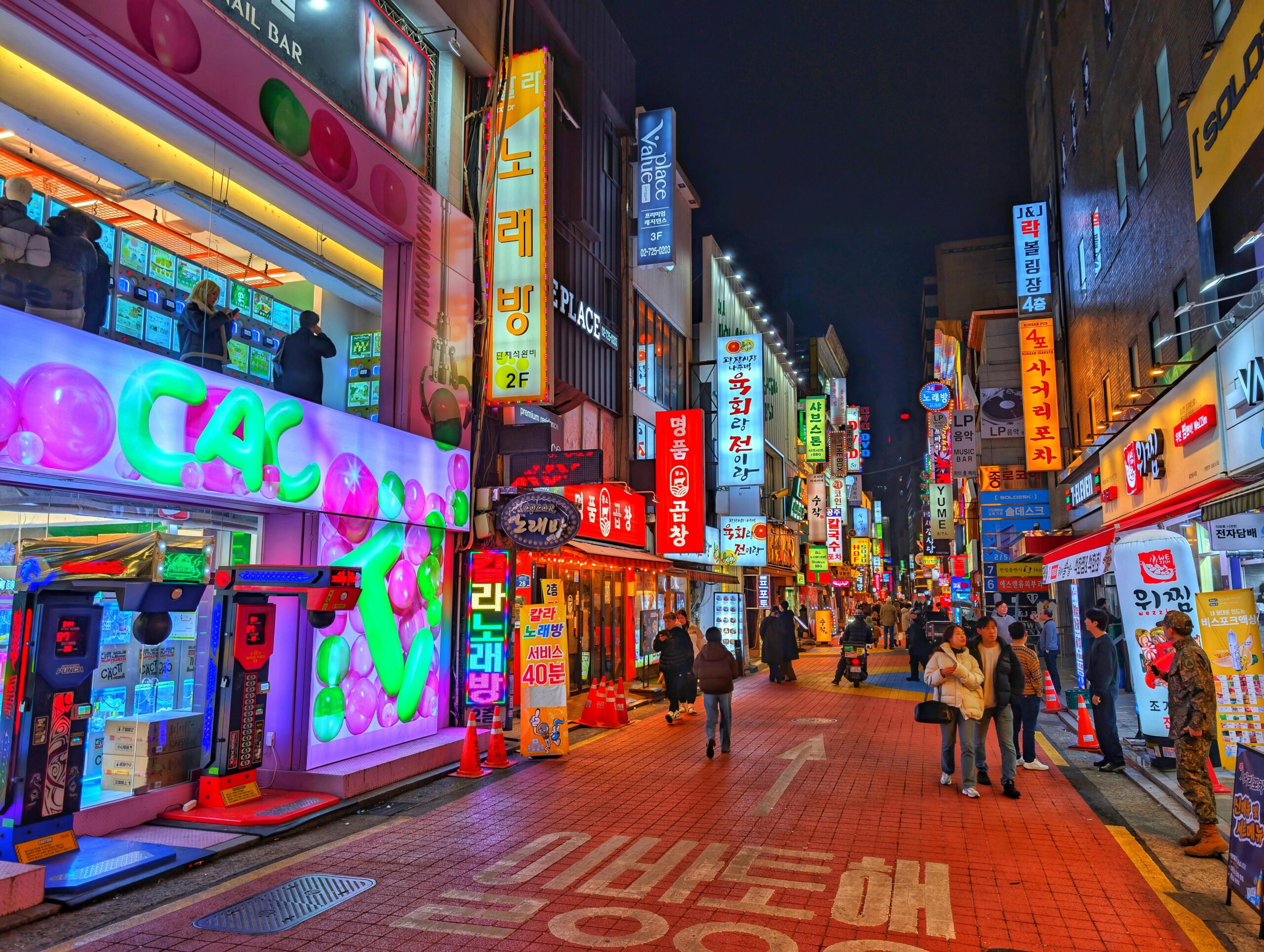
South Korea has long been a dynamic player in global tourism, but recent data نشان a remarkable milestone: record-breaking tourist arrivals in March, driven in part by the highly anticipated return of global K-pop sensation BTS. While the Reuters article highlights this spike, the broader story reveals a powerful convergence of cultural influence, strategic tourism policies, digital innovation, and global travel trends.
South Korea’s tourism boom is not a случайность—it is the result of years of investment in branding, infrastructure, and soft power. The BTS comeback may have acted as a catalyst, but the foundation for this growth runs much deeper.

The Numbers Behind the Surge
South Korea’s record arrivals signal:
- A strong rebound in international tourism
- Increased visitor confidence post-pandemic
- Growing global interest in Korean culture
This surge reflects both short-term excitement and long-term structural growth.
The “BTS Effect” and Cultural Tourism
1. K-Pop as a Tourism Driver
BTS is more than a music group—it is a global cultural phenomenon. Their influence extends to:
- Travel decisions of international fans
- Increased interest in filming locations and landmarks
- Merchandise, events, and fan experiences
2. Hallyu (Korean Wave)
BTS is part of the broader “Hallyu” wave, which includes:
- K-dramas (e.g., Netflix hits)
- Korean films and cinema
- Fashion and beauty trends
This cultural export has transformed South Korea into a must-visit destination.
3. Fan Tourism
Fans travel specifically to:
- Visit BTS-related sites
- Attend concerts or events
- Experience Korean culture firsthand
This creates a unique and highly engaged турист segment.
Government Strategy and Tourism Promotion
1. Targeted Marketing Campaigns
South Korea has invested in:
- Global tourism campaigns featuring K-pop stars
- Partnerships with entertainment companies
- Digital marketing strategies
2. Visa and Travel Facilitation
Efforts to attract tourists include:
- Simplified visa processes
- Expanded visa-free entry programs
- Improved airport and border efficiency
3. Infrastructure Development
South Korea offers:
- World-class transportation systems
- High-speed rail (KTX)
- Modern airports and urban transit
The Role of Digital Innovation
1. Smart Tourism Ecosystem
Travel in South Korea is highly digital:
- Mobile payments and apps
- Real-time navigation tools
- AI-driven travel recommendations
2. Social Media Influence
Platforms like TikTok and Instagram amplify:
- K-pop and K-drama content
- Travel inspiration
- Viral tourism trends

Economic Impact of the Tourism Boom
1. Revenue Growth
Tourism contributes to:
- Hospitality and retail sectors
- Entertainment and events industries
- Local economies
2. Job Creation
Increased tourism supports:
- Service industry employment
- Creative industries
- Transportation and logistics
3. Regional Development
Tourism growth is spreading beyond Seoul to:
- Busan (coastal attractions)
- Jeju Island (nature tourism)
- Smaller cities and cultural sites
Challenges Behind the Growth
1. Overtourism Risks
Popular areas may face:
- Crowding
- Environmental pressure
- Strain on local infrastructure
2. Dependence on Cultural Trends
Heavy reliance on K-pop and entertainment could:
- Create vulnerability to changing trends
- Require constant innovation
3. Global Competition
South Korea competes with:
- Japan
- Thailand
- China
for international tourists.
Expanding Beyond K-Pop
1. Culinary Tourism
Korean food is a major attraction:
- Street food culture
- Michelin-starred restaurants
- Global popularity of Korean cuisine
2. Medical and Wellness Tourism
South Korea is known for:
- Advanced healthcare
- Cosmetic procedures
- Wellness retreats
3. Nature and Adventure Tourism
Travelers are discovering:
- National parks
- Hiking trails
- Coastal landscapes
Future Outlook for South Korean Tourism
1. Continued Growth
Tourism is expected to:
- Expand further with global interest
- Benefit from cultural exports
2. Diversification Strategy
South Korea is working to:
- Broaden tourism offerings
- Reduce reliance on specific trends
3. Sustainable Development
Efforts include:
- Managing visitor flow
- Protecting cultural and natural assets
- Promoting responsible tourism
Frequently Asked Questions (FAQs)
1. Why did South Korea see a surge in tourists?
The increase is driven by post-pandemic recovery, strong cultural influence (especially BTS), and effective tourism strategies.
2. How does BTS influence tourism?
BTS attracts fans globally, encouraging travel to South Korea for concerts, cultural experiences, and fan-related tourism.
3. Is South Korea expensive to visit?
Costs vary, but it can be more affordable than some other developed destinations, especially with budget options available.
4. What are the main attractions in South Korea?
Popular attractions include Seoul, Jeju Island, Busan, cultural landmarks, food experiences, and entertainment-related sites.
5. Is the tourism growth sustainable?
It can be, if managed properly through infrastructure investment and environmental protection.
6. What role does technology play in tourism?
Technology enhances convenience through digital payments, apps, and smart travel solutions.
7. Will tourism remain strong after the BTS effect fades?
Likely yes, as South Korea continues to diversify its tourism offerings and build on its cultural appeal.
Conclusion
South Korea’s record-breaking tourism numbers reflect a powerful combination of cultural influence, strategic planning, and global travel trends. While the BTS comeback has amplified interest, the country’s success is rooted in a broader ecosystem that blends entertainment, technology, and accessibility.
As South Korea continues to evolve its tourism strategy, it stands as a compelling example of how soft power and innovation can transform a nation into a global travel powerhouse.

Sources Reuters

