
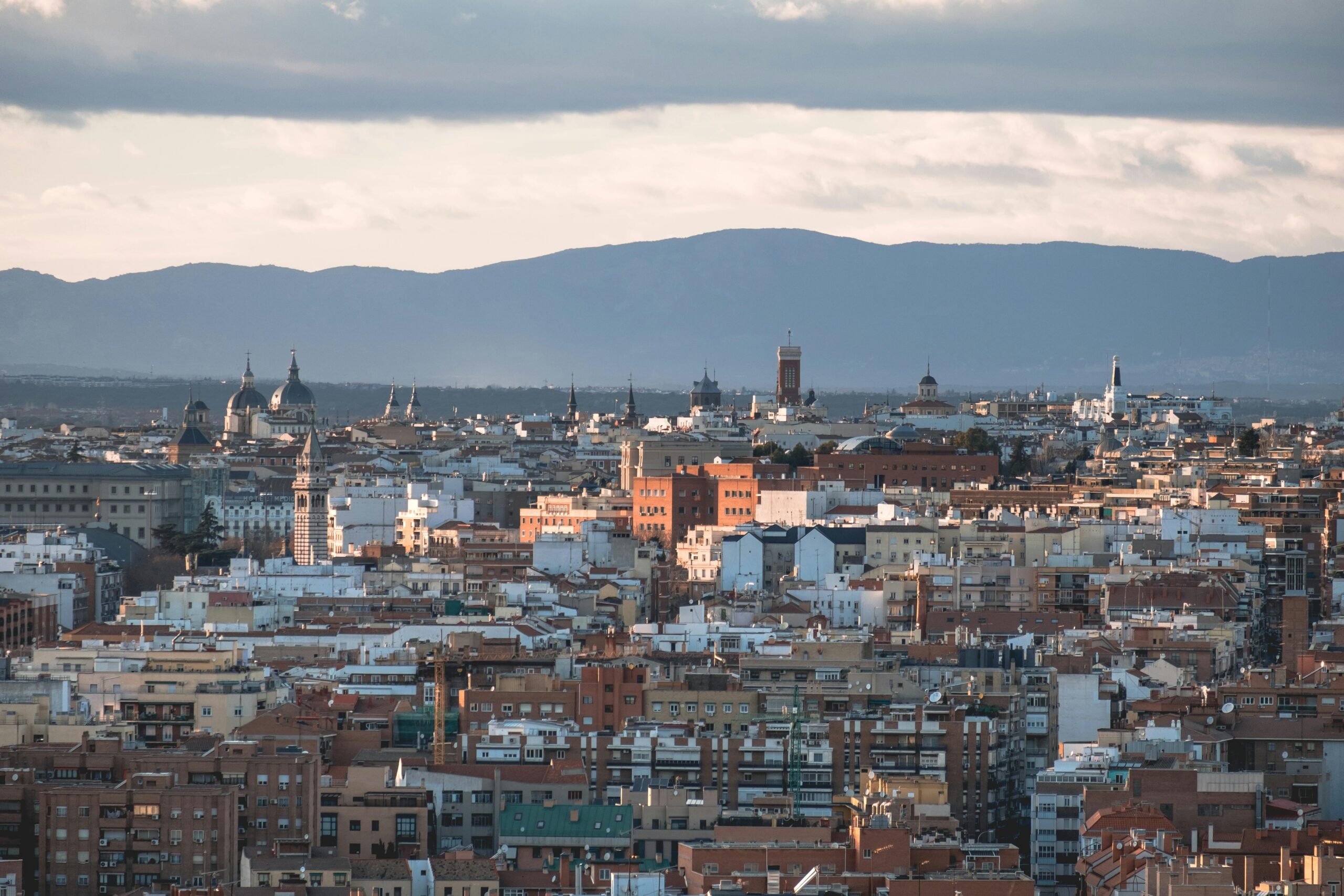
Spain’s tourism industry is experiencing another record-breaking year as millions of international travelers choose the country for their holidays. Recent figures show that Spain welcomed approximately 9.1 million international visitors in April 2026, the highest number ever recorded for that month, continuing a remarkable growth trend that began after the pandemic recovery and has accelerated due to geopolitical events affecting other destinations.
One major factor behind this surge is the redirection of tourist flows away from parts of the Middle East affected by conflict and instability. Travel industry data indicates that many European and international travelers have altered their holiday plans, opting for perceived safer destinations such as Spain and Portugal instead. Flight bookings and hotel searches for Spain have risen sharply as a result.
However, while the tourism boom is generating enormous economic benefits, it is also creating significant challenges for local communities, housing markets, infrastructure, and environmental sustainability.
Why Tourists Are Choosing Spain
Spain has long been one of the world’s most attractive tourism destinations, offering a combination of factors that few countries can match:
- Mediterranean beaches
- Historic cities
- Rich cultural heritage
- World-renowned cuisine
- Modern infrastructure
- Extensive air connectivity
- Competitive pricing compared to some European rivals
Beyond its traditional attractions, Spain has benefited from changing global travel patterns. Ongoing geopolitical tensions in parts of the Middle East have encouraged travelers to seek alternative destinations where they feel more secure and where flight routes face fewer disruptions.
Travel analysts have observed substantial increases in searches and bookings for Spanish destinations such as:
- Barcelona
- Madrid
- Málaga
- Alicante
- Valencia
- Palma de Mallorca
- Canary Islands resorts
Some travel industry estimates suggest that hundreds of thousands of additional visitors may choose Spain this year because of shifting travel preferences linked to international conflicts.
A Record-Breaking Tourism Economy
Spain’s tourism success is not only measured in visitor numbers.
The country has also achieved record tourism revenues. In 2025, Spain welcomed approximately 97 million foreign visitors, generating roughly €135 billion in tourism spending, both all-time highs. Visitor spending has been growing faster than arrival numbers, indicating that travelers are spending more per trip than in previous years.
Tourism now contributes a significant share of Spain’s economy and supports millions of jobs across:
- Hotels
- Restaurants
- Airlines
- Cruise operators
- Transportation services
- Retail businesses
- Entertainment venues
For many coastal regions, tourism remains the primary economic driver.
The Overtourism Challenge
While tourism generates wealth, many Spanish residents are increasingly concerned about its side effects.
Since 2024, protests have occurred in several major tourism destinations, including Barcelona, the Balearic Islands, the Canary Islands, and parts of the Mediterranean coast. Demonstrators argue that excessive tourism is pushing housing costs beyond the reach of local residents and placing pressure on public services and infrastructure.
A European survey found that Spain had one of the highest levels of public concern regarding tourism among major European destinations. Many residents believe current visitor growth rates are becoming unsustainable.
Common complaints include:
Rising Housing Costs
Short-term rental platforms have reduced long-term housing availability in some cities.
Crowded Public Spaces
Popular landmarks and beaches often become overwhelmed during peak seasons.
Infrastructure Strain
Public transportation, water systems, waste management, and healthcare services face increased pressure.
Seasonal Employment Issues
Many tourism jobs remain temporary and concentrated in peak travel months.
The Middle East Effect on Global Tourism
The shift of tourists toward Spain illustrates a broader pattern within global tourism.
Historically, geopolitical instability often causes travelers to redirect rather than cancel vacations. Countries perceived as safe and easily accessible frequently benefit from these changes.
Spain has previously gained visitor numbers during periods of instability elsewhere, including:
- Arab Spring disruptions
- Regional conflicts in North Africa
- Security concerns in parts of the eastern Mediterranean
The current situation appears to be producing a similar effect. Travel demand that might otherwise have gone to destinations connected to Middle Eastern travel hubs is increasingly flowing toward Southern Europe.

Why Airlines and Hotels Are Benefiting
The tourism surge is producing strong demand across the travel sector.
Airlines serving Spain have reported increased bookings, particularly for summer travel. Hotel operators are seeing higher occupancy rates and stronger pricing power due to growing demand. Digital travel platforms have recorded significant increases in both hotel searches and flight reservations.
This increased demand is particularly beneficial for:
- Budget airlines
- Luxury resorts
- Vacation rental operators
- Cruise companies
- Local tourism businesses
However, stronger demand can also contribute to rising travel costs, making some destinations less affordable over time.
Can Spain Sustain Continuous Tourism Growth?
One of the biggest questions facing policymakers is whether Spain can continue increasing visitor numbers without damaging the visitor experience or local quality of life.
Tourism experts increasingly advocate a shift from “more tourists” to “better tourism.”
This strategy focuses on:
- Higher-spending visitors
- Longer stays
- Sustainable tourism practices
- Year-round tourism activity
- Diversification beyond overcrowded destinations
Government officials have emphasized that future success should be measured not only by visitor numbers but also by tourism quality, economic value, and sustainability.
Emerging Tourism Trends Reshaping Spain
Several trends are expected to influence Spain’s tourism future.
Sustainable Tourism
Travelers increasingly seek environmentally responsible experiences.
Digital Nomad Travel
Spain has become popular among remote workers seeking long-term stays.
Cultural Tourism
Visitors increasingly explore historic towns, museums, and heritage sites beyond traditional beach resorts.
Rural Tourism
Less crowded inland regions are attracting travelers looking for authentic experiences.
Astrotourism
Dark-sky tourism and astronomy-focused travel are emerging niche sectors that could bring economic benefits to rural communities.
The Economic Balancing Act
Spain now faces a delicate balancing act.
On one side lies enormous economic opportunity. Tourism supports jobs, generates tax revenue, and strengthens regional economies.
On the other side are growing concerns about:
- Housing affordability
- Environmental sustainability
- Cultural preservation
- Infrastructure capacity
- Community well-being
The challenge for policymakers is ensuring that tourism growth remains beneficial for both visitors and residents.
If managed effectively, Spain could continue strengthening its position as one of the world’s leading tourism destinations. If not, growing local opposition may force stricter regulations and limits on future visitor growth.
Conclusion
Spain’s tourism industry is enjoying one of the strongest periods in its history. Record visitor numbers, increased spending, and changing global travel patterns have positioned the country as one of the biggest beneficiaries of shifting tourism demand.
The redirection of travelers away from conflict-affected regions has undoubtedly contributed to the surge, but Spain’s enduring appeal, modern infrastructure, and diverse attractions remain the foundation of its success.
The coming years will determine whether Spain can successfully balance continued growth with sustainability, affordability, and quality of life for its residents. If it succeeds, it may become the model for how mature tourism destinations can thrive in an increasingly complex and competitive global travel market.
Frequently Asked Questions (FAQ)
1. Why are more tourists visiting Spain in 2026?
Many travelers are choosing Spain due to its strong tourism infrastructure, favorable climate, cultural attractions, and concerns about instability in parts of the Middle East.
2. How many tourists visited Spain recently?
Spain recorded approximately 9.1 million international visitors in April 2026, the highest figure ever for that month.
3. What is overtourism?
Overtourism occurs when visitor numbers exceed a destination’s capacity, causing problems such as overcrowding, rising housing costs, environmental damage, and strain on public services.
4. Which Spanish destinations are most affected by tourism growth?
Barcelona, the Balearic Islands, the Canary Islands, Málaga, Alicante, and several Mediterranean coastal regions have experienced significant visitor growth.
5. How much does tourism contribute to Spain’s economy?
Tourism generates hundreds of billions of euros in economic activity and supports millions of jobs. Foreign visitors spent approximately €135 billion in Spain during 2025.
6. Could Spain limit tourist numbers in the future?
Some local governments are considering measures such as regulating short-term rentals, limiting cruise arrivals, or introducing sustainability-focused policies to manage visitor growth.
7. Will Spain remain a leading global tourism destination?
Most forecasts suggest continued growth due to Spain’s strong international reputation, transportation infrastructure, cultural attractions, and favorable climate, although sustainability challenges will increasingly shape future tourism policies.

Sources BBC

