
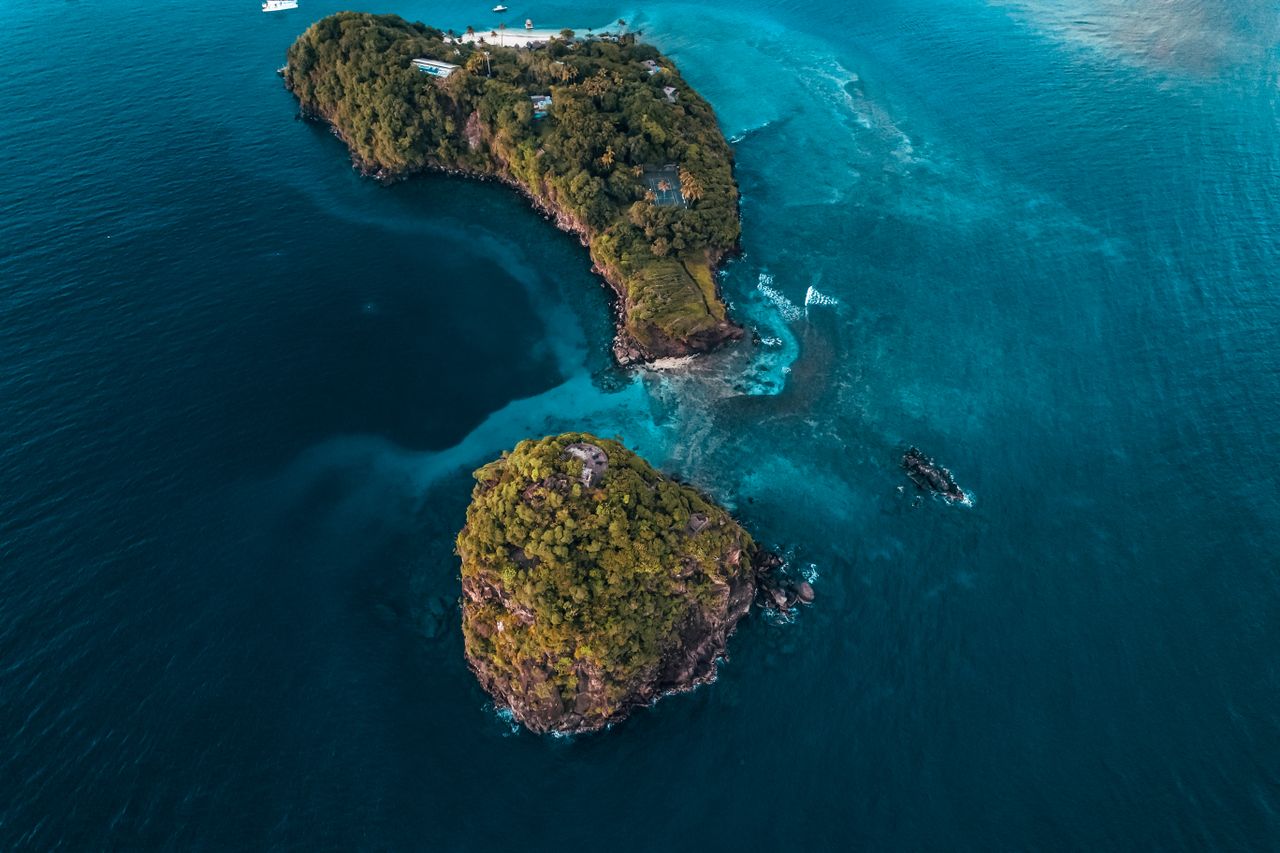
The Caribbean is famous for turquoise water, white-sand beaches and luxurious resorts. But St. Vincent and the Grenadines wants travellers to discover something more: rainforest trails climbing towards an active volcano, sailing routes connecting dozens of islands and cays, lively community festivals, and a culture shaped by generations of maritime life.
The country is putting that variety at the centre of a new international tourism identity: “Set Your Spirit Free.” Unveiled during its 2026 Independence celebrations, the brand is designed to give the destination a clearer and more unified story in the competitive Caribbean travel market.
Rather than selling the country simply as another tropical escape, the campaign presents three connected experiences: nature and adventure, marine paradise, and culture and celebration. The strategy is ambitious because it seeks not only to attract more visitors, but also to encourage them to explore beyond the best-known beaches and spend more time engaging with local communities.
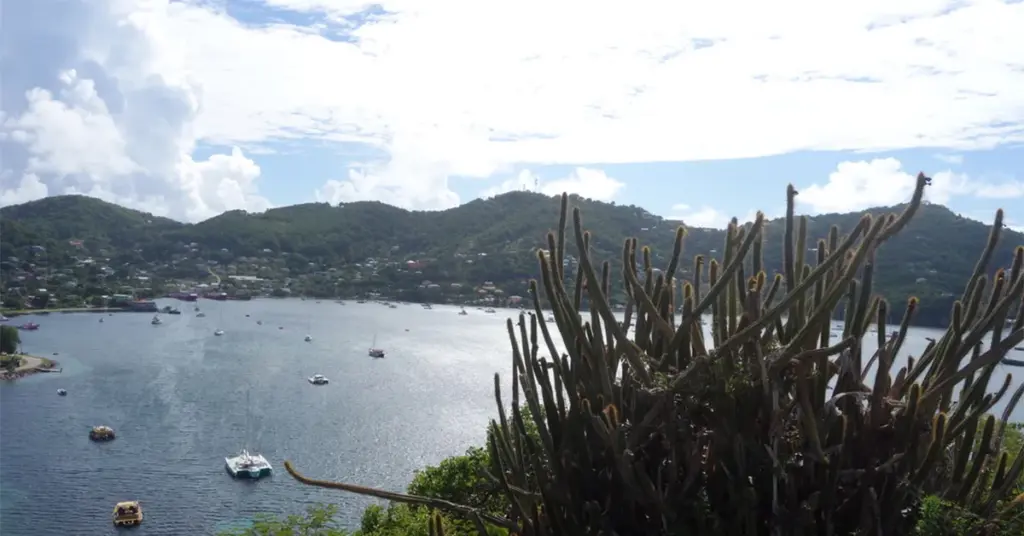
A New Tourism Identity for a Destination of Many Islands
The St. Vincent and the Grenadines Tourism Authority introduced its new brand identity in October 2026, with an international marketing rollout beginning shortly afterwards. The slogan, “Set Your Spirit Free,” is intended to capture the destination’s mix of outdoor adventure, seafaring traditions and cultural energy.
The new identity followed a collaborative development process involving more than 100 participants and local stakeholder input. It is intended to provide a consistent visual and promotional language for the country across international markets.
The logo itself is designed as a compact portrait of the country. Its imagery includes a mountain inspired by La Soufrière volcano, a waterfall and birds representing the natural environment, and a sailboat and island silhouettes reflecting the country’s relationship with the sea.
A smiling figure draws inspiration from Indigenous petroglyphs, connecting the brand to the islands’ early inhabitants and cultural heritage. Three diamond-shaped outlines reference the diamonds on the national flag and also evoke homes built on posts along the country’s hillsides.
Even the lettering has a local connection. The distinctive lowercase “n” references Kingstown, the capital, which is known as the City of Arches. The result is intended to make the brand feel rooted in Vincentian identity rather than interchangeable with other Caribbean tourism campaigns.
1. Nature and Adventure: Hiking an Active Volcano and Exploring Rainforest
One of the strongest elements of the new campaign is the opportunity to experience a Caribbean landscape that extends well beyond the coastline.
St. Vincent’s interior is mountainous, heavily forested and shaped by volcanic activity. Its most recognisable natural landmark is La Soufrière, a volcano rising to approximately 1,234 metres above sea level. The mountain dominates the northern part of the island and provides a dramatic setting for hiking and nature-based tourism.
The climb is a very different experience from a relaxed beach excursion. Visitors encounter steep terrain, changing weather, dense vegetation and views across the island and surrounding Caribbean Sea. The upper landscape reflects the volcano’s geological history, while lower sections pass through lush tropical forest.
La Soufrière is an active volcano. Its most recent major explosive eruption occurred in 2021, making it important for visitors to check current conditions and follow local authorities’ instructions before planning a hike. Guided excursions and up-to-date safety information are particularly important in volcanic terrain.
The campaign also highlights the island’s rainforest and Dark View Falls, one of its better-known natural attractions. The waterfalls descend through a green landscape, offering visitors an opportunity to experience the island’s tropical environment without undertaking a demanding mountain hike.
Other nature-focused activities can include birdwatching, exploring forest trails, visiting rivers and discovering smaller communities in the island’s interior. These experiences can help spread tourism spending to local guides, drivers, food vendors and accommodation providers outside the main coastal areas.
The broader message is that St. Vincent is not simply a place to arrive, check into a resort and remain beside a swimming pool. It is an island to explore.
2. Marine Paradise: Sailing Through the Grenadines
If St. Vincent’s mainland offers mountains and rainforest, the Grenadines provide the other half of the country’s tourism identity: a chain of islands and cays surrounded by attractive sailing waters.
The destination includes well-known islands such as Bequia, Mustique, Canouan, Mayreau and Union Island, as well as smaller cays and marine areas. The Tourism Authority’s marketing framework places sailing, yachting, diving, snorkelling and island-hopping at the heart of its marine tourism offer.
For visitors, the appeal is the ability to experience several islands during one trip. A sailing holiday can combine quiet anchorages, small settlements, beach stops and time on the water. Travellers can choose a private yacht charter, a crewed sailing holiday or locally operated boat excursions, depending on their budget and experience.
Bequia and its sailing traditions
Bequia is one of the most recognisable islands in the Grenadines and has a strong maritime identity. Its annual Bequia Easter Regatta is a major sailing event, bringing boats, competitors and spectators together.
The regatta gives the new tourism campaign a natural opportunity to promote the island beyond its beaches. It also connects visitors with the region’s sailing culture, local businesses and community celebrations.
The Tourism Authority has also highlighted a planned event called New Sailing Nation, intended to provide another platform for promoting Bequia and the wider Grenadines. Travellers should check official event announcements for confirmed dates and programme details.
Tobago Cays: A marine attraction worth protecting
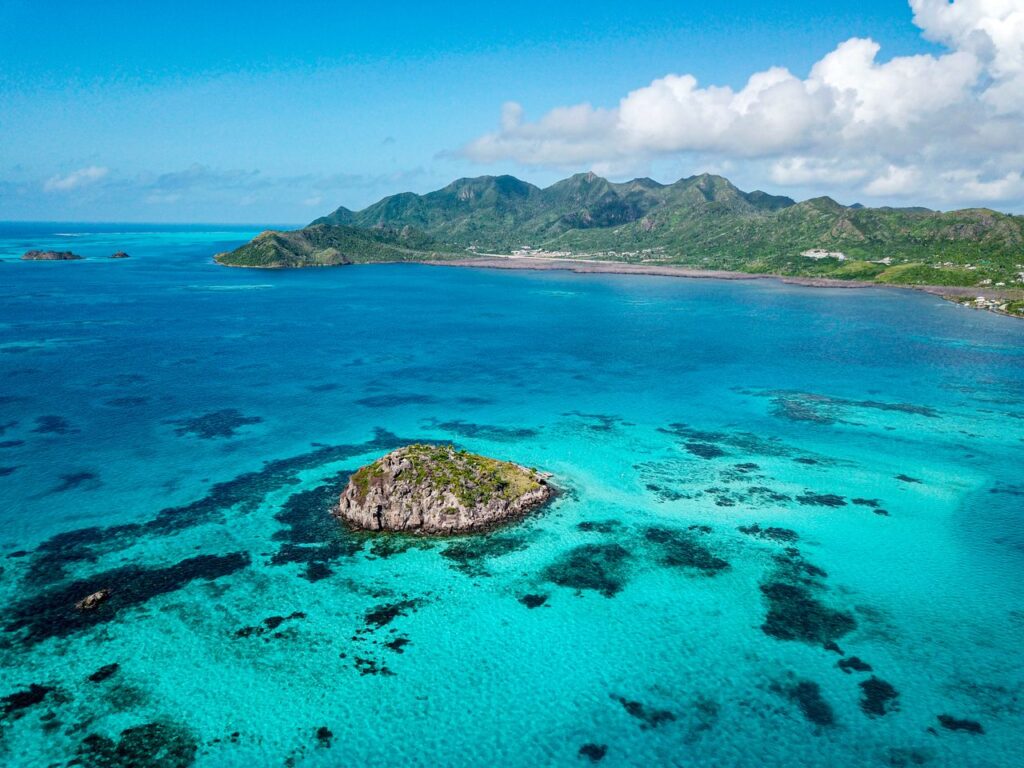
One of the region’s best-known marine destinations is Tobago Cays Marine Park, a collection of small islands and reefs that attracts sailors, snorkellers and divers.
The area is valued for its clear water, coral environments and opportunities to observe marine life. Visitors may encounter sea turtles and colourful reef fish, although sightings are never guaranteed.
Marine tourism also brings responsibility. Coral reefs are vulnerable to physical damage, pollution and rising ocean temperatures. Anchoring, waste disposal and wildlife interactions can all affect the health of the ecosystem.
Responsible visitors should use authorised operators, follow marine park rules, avoid touching coral and marine animals, and use reef-conscious practices. The long-term appeal of the Grenadines depends on protecting the natural environment that makes the islands special.
3. Culture and Celebration: Festivals, Food and Community Life
The third pillar of the campaign recognises that a destination is defined by more than its scenery. St. Vincent and the Grenadines has a lively cultural calendar, with music, food, craft traditions and celebrations that give visitors a chance to experience local life.
Two events receive particular attention in the new campaign: Nine Mornings and Vincy Mas.
Nine Mornings: Christmas celebrations before sunrise
Nine Mornings is one of the country’s distinctive Christmas traditions. Celebrations take place during the nine mornings leading up to Christmas Day, with communities gathering before sunrise for activities, music, entertainment and festive events.
The tradition creates a different kind of holiday atmosphere from the conventional Caribbean Christmas resort experience. It brings residents and visitors into public spaces at an unusual hour and highlights the importance of community participation.
For travellers visiting in December, Nine Mornings can provide an opportunity to experience the country through its local customs rather than through a purely resort-based itinerary.
Vincy Mas: The country’s carnival celebration
Vincy Mas is St. Vincent and the Grenadines’ major carnival celebration. It features music, costumes, performances, street events and competitions, with a strong role for calypso and soca.
Carnival is an important expression of Caribbean cultural identity. It brings together musicians, performers, designers, community organisations and audiences, while creating business opportunities for hotels, restaurants, transport operators and vendors.
Visitors interested in attending should plan ahead. Accommodation and transport demand can rise around major events, and event schedules may change from year to year.
Food, music and crafts
The campaign’s cultural focus also creates room to promote Vincentian cuisine and local creative industries.
Visitors can look for traditional dishes featuring fish, seafood, root vegetables, breadfruit and locally grown produce. The country’s food culture reflects its agricultural heritage, coastal communities and wider Caribbean influences.
Local music, handmade crafts and community events can add depth to a holiday. These experiences also provide opportunities for travellers to spend money directly with small businesses and cultural practitioners.
The Tourism Authority’s broader approach is intended to make local people more visible within the visitor experience, rather than treating culture as a decorative addition to a tourism advertisement.
A Bigger Strategy: Turning the Brand into Bookable Experiences
A new logo and slogan can attract attention, but the real test of a tourism campaign is whether it produces more visits, longer stays and stronger benefits for local businesses.
St. Vincent and the Grenadines appears to recognise this challenge. Its wider tourism programme includes the development of 32 signature experiences, designed to connect attractions with local guides, transport providers, food businesses and other services in coordinated, bookable offerings.
The intention is to make it easier for visitors to discover and purchase experiences while creating commercial opportunities for local entrepreneurs, farmers, artisans, tourism operators and cultural practitioners.
This approach could address a common weakness in destination marketing. A country may have beautiful scenery and compelling attractions, but visitors cannot easily experience them if transport, guides, opening arrangements and booking information are fragmented.
For example, a rainforest excursion could become a more complete product by connecting a local guide, transport provider, nearby food business and accommodation partner. A sailing itinerary could link boat operators with island restaurants, craft sellers and cultural activities.
If implemented well, this model could help distribute visitor spending more widely across the country.
Tourism Is Growing, but the Numbers Tell a More Complicated Story
The new brand arrives as St. Vincent and the Grenadines is experiencing growth in important parts of its tourism sector.
According to figures released by the Tourism Authority, the country welcomed 11,862 visitors in August 2026, an increase of 13.2 per cent compared with August 2025. Stayover visitors reached 9,712, up 11.5 per cent, while yacht arrivals rose 20.3 per cent to 2,115.
From January to August 2026, stayover arrivals reached 86,647, an increase of 8.4 per cent over the same period in 2025. Yacht arrivals also increased, while total visitor arrivals remained broadly stable at 276,088.
That difference matters. Total arrivals include different visitor categories, including cruise passengers, while stayover tourism measures visitors who remain in the destination. A rise in overnight visitors can have a different economic impact from a rise in short cruise calls because overnight guests generally use accommodation and may spend across a wider range of local services.
The World Bank has also reported that stayover arrivals rose 17.4 per cent in 2025 and increased another 12.8 per cent in the first three months of 2026. Tourism growth has supported activity in accommodation, food services and retail trade.
The new brand therefore arrives at a moment when the country has a stronger tourism platform to promote. The challenge is to convert that momentum into sustainable growth rather than relying on visitor totals alone.
Why St. Vincent and the Grenadines Could Stand Out in the Caribbean
The Caribbean is a highly competitive tourism region. Destinations compete for the same international visitors through beaches, all-inclusive resorts, cruise itineraries, luxury accommodation and airline connections.
St. Vincent and the Grenadines has a distinctive combination of attractions that could help it stand apart.
A combination of adventure and relaxation: Visitors can combine rainforest hiking and waterfalls on St. Vincent with sailing and beach time in the Grenadines.
A strong sailing identity: The islands are well suited to yacht holidays and multi-stop itineraries, appealing to travellers who want to explore rather than remain in one resort.
Cultural events with local character: Nine Mornings and Vincy Mas offer experiences that are closely connected to Vincentian community life.
A multi-island itinerary: The destination encourages visitors to explore beyond one island, potentially extending the length of a holiday and spreading spending across several communities.
Nature-based tourism: Volcanoes, forests, waterfalls and marine environments provide opportunities for guided excursions and specialist travel experiences.
The opportunity is to position the country as a destination for travellers who value variety, authenticity and active exploration.
The Challenges Behind the New Tourism Brand
A successful campaign must be supported by practical improvements. St. Vincent and the Grenadines faces several challenges that could influence how effectively the new identity translates into tourism growth.
Getting between islands
The country’s geography is part of its appeal, but moving between islands requires planning. Visitors may need a combination of international flights, domestic air services, ferries, water taxis or private boat transfers.
Schedules, weather and sea conditions can affect connections. Travellers planning multi-island holidays should confirm transfer arrangements with accommodation providers and operators rather than assuming that every connection runs frequently.
Air access and accommodation
International air connectivity is essential if the country wants to attract more long-haul visitors. Flight availability, prices and convenient connections can influence whether travellers choose St. Vincent and the Grenadines over competing destinations.
Accommodation capacity and service quality also matter. Growth in visitor numbers must be matched by reliable hospitality, transport, tour services and infrastructure.
Environmental protection
The country’s natural attractions are also vulnerable assets. Hiking trails, forests, reefs, beaches and marine parks require careful management as visitor numbers rise.
The 2024 passage of Hurricane Beryl also caused damage in parts of the Grenadines, including Mayreau and Union Island. Travellers should confirm the operating status of accommodation and services on smaller islands before booking.
Seasonal weather
The Atlantic hurricane season generally runs from June through November. This does not mean travel is impossible during those months, but visitors should monitor forecasts, understand cancellation policies and consider travel insurance that covers relevant disruptions.
Ensuring local communities benefit
The most important long-term question may be economic. A tourism campaign can generate international attention without guaranteeing that local residents receive a fair share of the benefits.
The proposed signature experiences offer one possible solution by connecting visitor spending with locally owned businesses. Their success will depend on practical implementation, fair commercial partnerships, training and consistent service standards.
When Is the Best Time to Visit?
The best time depends on the kind of holiday a traveller wants.
The drier months, broadly from December to May, are generally attractive for sailing, beach activities and outdoor exploration. December is particularly interesting for visitors who want to experience Nine Mornings and the Christmas season.
The Easter period can appeal to sailing enthusiasts interested in Bequia’s regatta. The timing of Vincy Mas varies, so visitors should check the official carnival calendar before arranging flights and accommodation.
The June-to-November period overlaps with the Caribbean hurricane season. Travellers can still find opportunities to visit, but should pay close attention to weather forecasts and local travel advice.
For hiking La Soufrière, weather and volcanic conditions are especially important. A clear day does not automatically mean a trail is safe, so visitors should follow local guidance and use qualified guides where appropriate.
What the New Brand Means for the Future of Tourism
“Set Your Spirit Free” is more than a new advertising slogan. It is an attempt to present St. Vincent and the Grenadines as a connected destination where natural landscapes, maritime heritage and community culture form one visitor experience.
Its three pillars give international audiences a straightforward way to understand the country’s appeal. The wider programme of signature experiences could make that promise more practical by connecting visitors with local operators and businesses.
But branding is only the beginning. The country will need accessible transport, reliable visitor services, environmental protection and strong community participation to turn marketing attention into lasting economic value.
If those elements develop together, St. Vincent and the Grenadines could strengthen its position as one of the Caribbean’s most interesting destinations for travellers seeking more than a traditional beach holiday.
For visitors, the invitation is clear: hike a volcano, explore a waterfall, sail between islands, taste local food and join a celebration that begins before sunrise. The country’s new tourism identity is asking travellers to experience the Caribbean at a different pace—and to discover more of the people and places that make it distinctive.
Frequently Asked Questions
1. What is the new tourism slogan for St. Vincent and the Grenadines?
The new tourism slogan is “Set Your Spirit Free.” It is part of a destination brand identity launched by the St. Vincent and the Grenadines Tourism Authority in October 2026. The campaign promotes nature and adventure, marine experiences, and culture and celebration.
2. What are the main attractions promoted by the new campaign?
The campaign highlights La Soufrière volcano, St. Vincent’s rainforest, Dark View Falls, sailing and island-hopping in the Grenadines, diving and snorkelling, the Bequia Easter Regatta, Nine Mornings and Vincy Mas.
3. Is St. Vincent and the Grenadines good for sailing holidays?
Yes. The Grenadines are known for sailing, yachting and island-hopping opportunities. Popular destinations include Bequia, Mustique, Canouan, Mayreau, Union Island and Tobago Cays. Travellers can explore through private charters, crewed sailing trips and local boat excursions.
4. When is the best time to visit St. Vincent and the Grenadines?
December to May is generally a popular period for outdoor activities and sailing, although conditions vary. December is appealing for Nine Mornings, while the Easter period is associated with Bequia’s sailing regatta. The Atlantic hurricane season runs from June to November, so visitors should monitor weather conditions and travel advice.
5. Is La Soufrière volcano safe to hike?
La Soufrière is an active volcano, so hiking conditions depend on current volcanic activity, weather and official safety guidance. Its last major explosive eruption was in 2021. Visitors should check the latest information from local authorities, follow any restrictions and use appropriate local guiding services rather than treating the hike as an ordinary walking trail.
Sources Caribbean Journal