
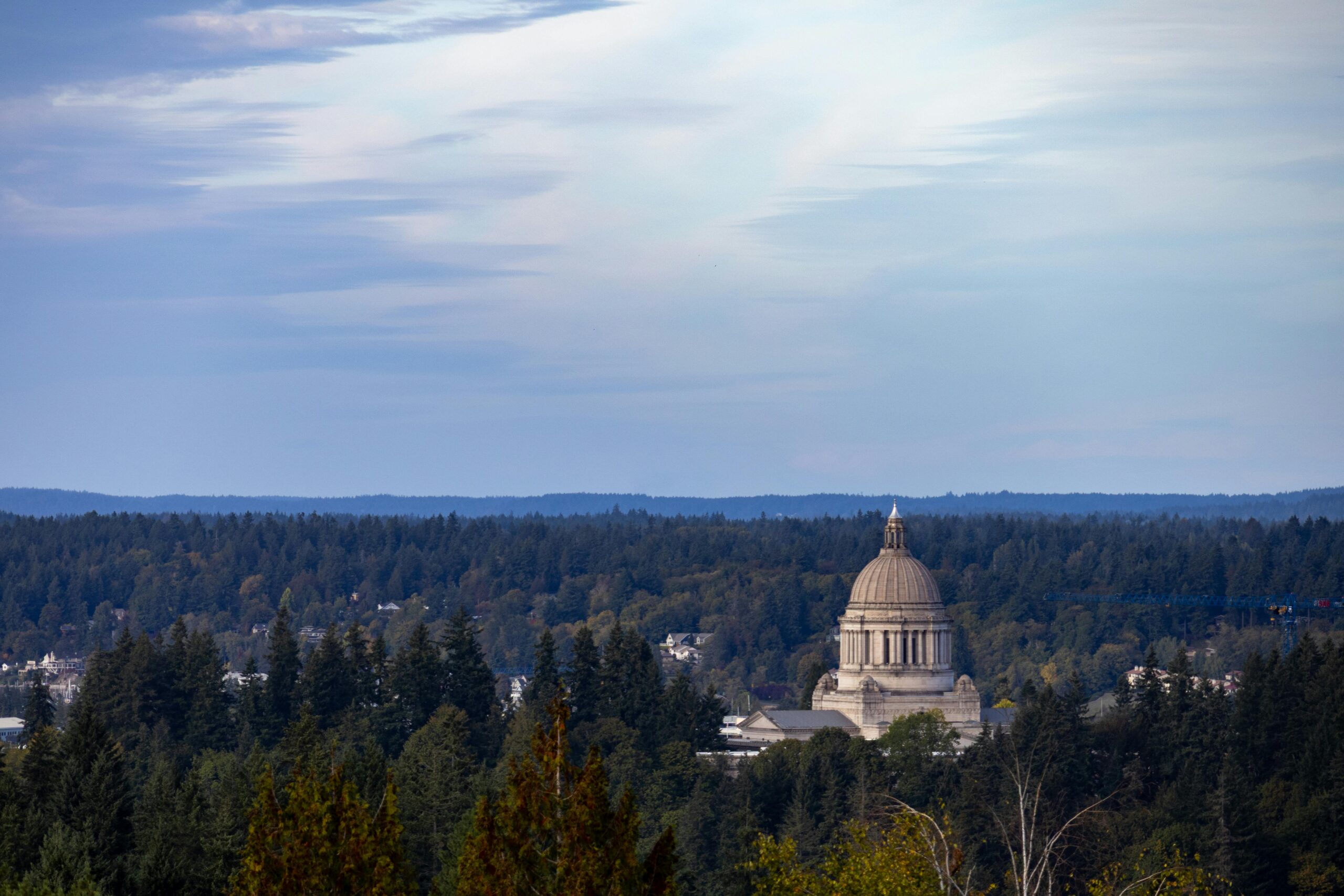
As the United States faces another government shutdown in 2025, the effects are rippling far beyond Washington, D.C. — hitting airports, national parks, and travel services across the country. For millions of visitors, both domestic and international, the shutdown has created confusion, delays, and cancellations that threaten one of America’s largest industries: tourism.
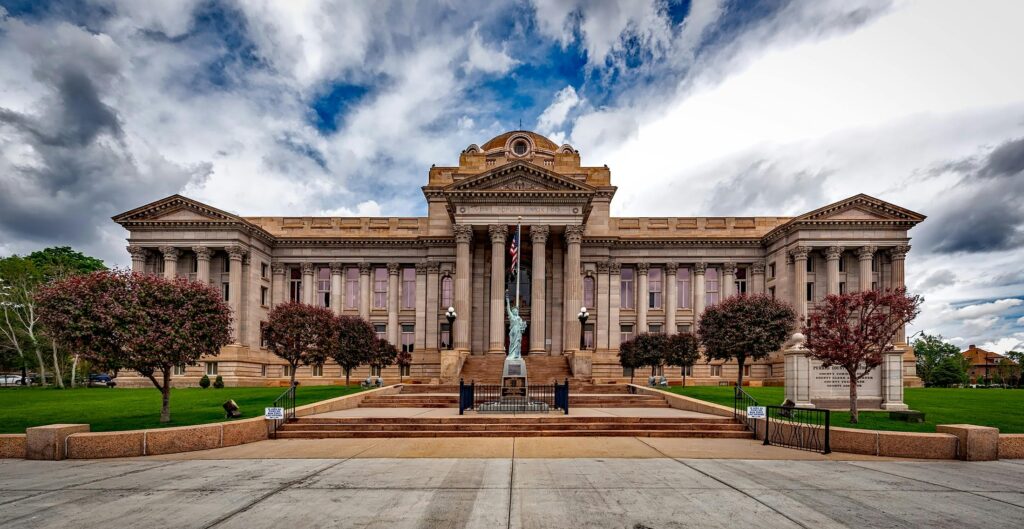
While the political standoff dominates headlines, the real impact is unfolding in airports, parks, and hospitality businesses nationwide.
The Shutdown and Its Scope
A government shutdown occurs when Congress fails to agree on a new spending bill, halting or reducing operations for federally funded agencies. Essential workers — such as air traffic controllers, TSA agents, and customs officers — continue working but without pay. Nonessential services, including national parks, museums, and passport processing, may close or slow down.
This year’s shutdown began on October 1, and its duration remains uncertain. For travelers, that uncertainty translates into logistical headaches, longer wait times, and reduced access to some of the country’s most iconic destinations.
Major Impacts on U.S. Tourism
1. Air Travel Delays and Staffing Strains
Airports remain operational, but many employees — including FAA inspectors and TSA screeners — are working without pay. As fatigue and stress increase, flight delays and cancellations become more common. In prolonged shutdowns, staff shortages could lead to temporary reductions in flight frequency or safety inspections.
2. National Parks and Monuments in Limbo
National parks are among the most visible casualties of any shutdown. While some outdoor areas remain accessible, visitor centers, restrooms, and maintenance operations are closed. Without staff, many parks face issues such as trash buildup, vandalism, and overcrowding in unmanaged areas.
Tourism economies near national parks — from hotel owners in Utah to guides in Arizona — are already reporting lost bookings and reduced income.
3. Passport and Visa Processing Delays
The State Department typically continues limited operations during a shutdown, but non-urgent passport and visa services slow dramatically. Travelers waiting for documentation may face weeks of additional delay, jeopardizing planned trips.
4. Museums, Zoos, and Cultural Sites Closed
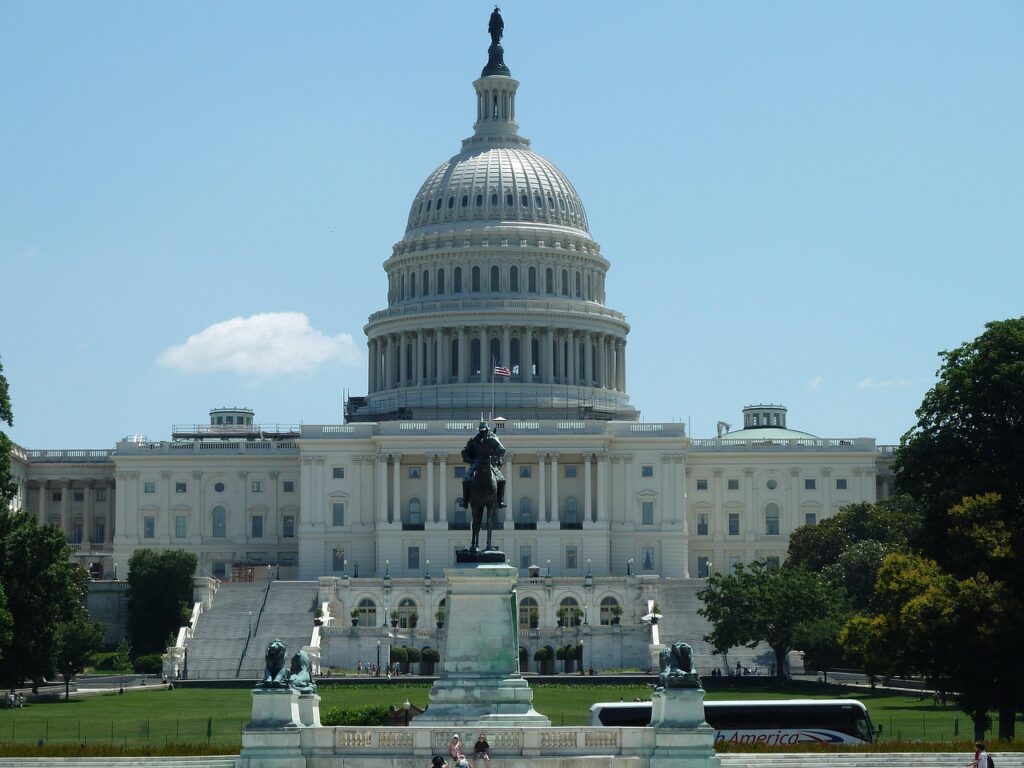
Smithsonian museums, national monuments, and the National Zoo are expected to close if funding remains frozen. These closures impact not only tourists but also local economies in Washington, D.C., and other cultural hubs.
5. Economic Fallout for Tourism-Dependent Regions
Tourism contributes billions to the U.S. economy each week. A lengthy shutdown can cost the industry over a billion dollars weekly in lost revenue — particularly for small businesses that rely on park visitors and international travelers.
Restaurants, hotels, and local attractions in gateway communities such as Yellowstone, Yosemite, and the Grand Canyon are bracing for severe losses.
6. Perception Damage to the U.S. Brand
Frequent government shutdowns erode global confidence in the U.S. as a reliable travel destination. Tour operators report growing concerns from overseas clients about disruptions and unpredictability, especially for once-in-a-lifetime trips.
The Hidden Consequences
Beyond immediate service disruptions, the shutdown poses deeper systemic risks to the tourism sector:
- Deferred infrastructure maintenance: Projects in airports and parks are paused, potentially worsening long-term wear and safety concerns.
- Workforce instability: Federal workers facing financial strain may leave critical positions permanently, reducing institutional capacity.
- Visitor behavior shifts: Travelers may turn to private or state-managed attractions, diverting economic benefits from national sites.
- Insurance disputes: Many travel insurance policies exclude government-related disruptions, leaving tourists to bear financial losses.
These knock-on effects could linger long after the government reopens.
How Travelers Can Adapt
Despite the chaos, travelers can take proactive steps to protect their plans:
- Stay informed: Monitor official travel alerts and local updates for closures and delays.
- Be flexible: Build extra time into itineraries and consider alternate routes or destinations.
- Choose state or private attractions: Many state parks and privately run cultural sites remain open and fully staffed.
- Apply for documents early: If you need a passport or visa, start the process well in advance to avoid shutdown-related delays.
- Review travel insurance: Check if your policy covers government disruptions — most do not.
- Support local businesses: When possible, patronize independent operators in affected regions to help them weather the downturn.
Frequently Asked Questions
| Question | Answer |
|---|---|
| Are U.S. airports open during the shutdown? | Yes, but expect longer lines and potential flight delays due to unpaid or short-staffed personnel. |
| Can I still visit national parks? | Many remain open, but with limited services. Restrooms, visitor centers, and emergency response may be unavailable. |
| What about museums and zoos? | Federally funded institutions like the Smithsonian museums and the National Zoo are closed until funding resumes. |
| Will my passport application be delayed? | Likely yes, especially for non-urgent cases. Emergency services may still operate in select offices. |
| Are U.S. embassies abroad affected? | Consular services may slow, but emergency visa and citizen assistance remain operational. |
| Should I cancel my trip? | Not necessarily. With flexibility and preparation, most travel plans can continue with minimal disruption. |
| Are state parks affected? | No, state-run parks operate independently and remain open. |
| Is it safe to travel to the U.S. during a shutdown? | Yes, but travelers should expect inconveniences and monitor changes daily. |
| Will airlines or hotels offer refunds? | Policies vary. Some may offer partial refunds for canceled activities tied to federal closures. |
| When will the shutdown end? | It depends on Congress. Historically, shutdowns have lasted anywhere from a few days to several weeks. |
The Bigger Picture
The 2025 shutdown underscores how deeply the U.S. tourism ecosystem depends on federal stability. From aviation oversight to public lands, nearly every facet of travel relies on government operations functioning smoothly.
For travelers, the experience is a reminder that even the most advanced infrastructure can be brought to a standstill by political gridlock. For the tourism industry, the lesson is clear: resilience requires diversification, communication, and local empowerment.
If prolonged, this shutdown could do more than disrupt vacations — it could reshape how the world sees and experiences the United States.
Sources The Conversation

