
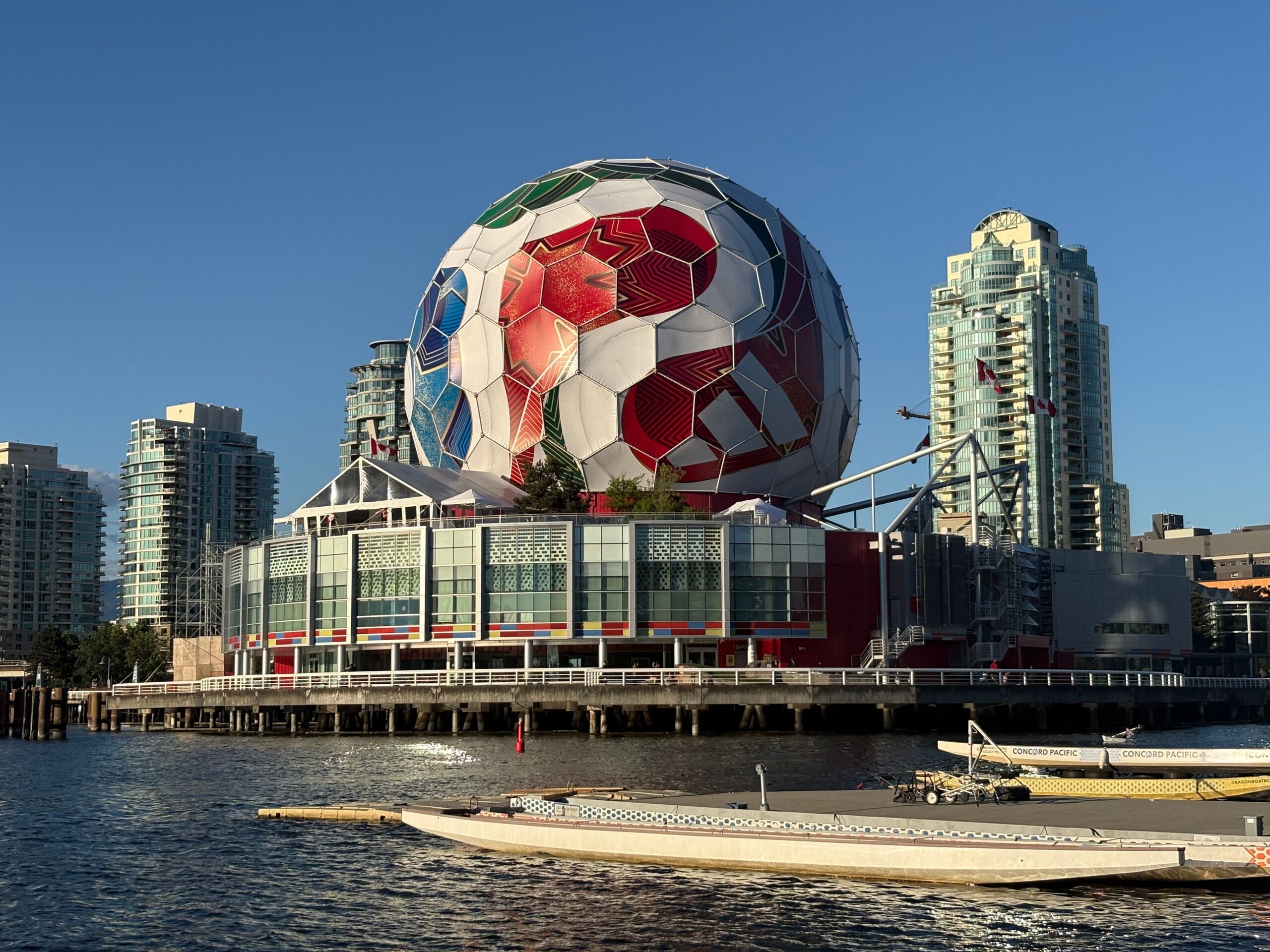
The 2026 FIFA World Cup is more than a sporting event—it is one of the largest tourism experiments ever undertaken.
For the first time, three nations—the United States, Canada, and Mexico—are jointly hosting the tournament. The expanded competition will feature 48 national teams, 104 matches, and millions of visitors traveling across North America over several weeks.
While football fans are eagerly anticipating the action on the pitch, governments, tourism agencies, airlines, hotels, restaurants, and local businesses are preparing for an unprecedented influx of international visitors. The event is expected to generate tens of billions of dollars in economic activity while reshaping how travelers experience North America.
The tournament is not only about determining a world champion. It is also about showcasing three countries, dozens of cities, and countless cultural destinations to a global audience.
Why the 2026 World Cup Is Different
Previous World Cups were hosted by a single nation or, occasionally, two neighboring countries. The 2026 edition introduces several historic firsts:
- First World Cup hosted by three countries.
- First tournament featuring 48 teams.
- Largest number of matches in World Cup history.
- Largest expected attendance in FIFA history.
- Largest geographic footprint ever used for a World Cup.
The tournament stretches across vast distances, from Mexico City in the south to Toronto and Vancouver in the north, creating unique tourism opportunities and logistical challenges.
Unlike previous tournaments concentrated within one country, many fans will travel thousands of miles between matches, effectively turning the World Cup into a multi-country travel experience.
The Economic Impact Could Be Enormous
Economists estimate that the tournament could generate tens of billions of dollars in direct and indirect spending.
Major beneficiaries include:
- Hotels
- Airlines
- Restaurants
- Transportation companies
- Entertainment venues
- Retail businesses
- Local attractions
- Event management companies
Host cities are expected to see significant increases in:
- Hotel occupancy rates
- Tourism spending
- Tax revenue
- Temporary employment
- International investment exposure
For many cities, the World Cup represents a rare opportunity to attract visitors who might never otherwise have considered traveling there.
The Rise of Sports Tourism
Sports tourism has become one of the fastest-growing sectors of the global travel industry.
Modern travelers increasingly organize vacations around:
- Major sporting events
- International tournaments
- Marathons
- Formula One races
- Olympic Games
- Football championships
The World Cup represents the pinnacle of sports tourism.
Many visitors will not simply attend matches. Instead, they will combine football with:
- National park visits
- Cultural attractions
- Culinary tourism
- Road trips
- Music festivals
- Shopping experiences
Tourism boards across North America are actively promoting extended itineraries that encourage visitors to explore beyond host cities.
Host Cities Are Competing for Global Attention
Each host city views the World Cup as an opportunity to strengthen its international brand.
Among the major host cities are:
United States
- New York/New Jersey
- Los Angeles
- Dallas
- Houston
- Atlanta
- Miami
- Seattle
- San Francisco Bay Area
- Boston
- Philadelphia
- Kansas City
Canada
- Toronto
- Vancouver
Mexico
- Mexico City
- Guadalajara
- Monterrey
Each destination is developing marketing campaigns highlighting local culture, cuisine, history, and attractions.
The global television audience is expected to reach billions of viewers, giving cities unprecedented international exposure.
Infrastructure Investments Are Accelerating
One often-overlooked benefit of mega-events is infrastructure development.
In preparation for the World Cup, cities are investing in:
- Airport upgrades
- Public transit improvements
- Road modernization
- Stadium enhancements
- Digital connectivity
- Security systems
- Visitor information services
These improvements can continue benefiting residents and tourists long after the tournament ends.
Historical examples from previous World Cups show that transportation improvements frequently become part of a host city’s long-term development strategy.
Hotels Face Unprecedented Demand
The hospitality industry is preparing for one of the busiest travel periods in recent memory.
Hotel operators expect:
- Record occupancy levels
- Higher room rates
- Increased international bookings
- Extended visitor stays
Luxury hotels, budget accommodations, vacation rentals, and boutique properties are all expected to benefit.
However, experts also warn of potential accommodation shortages in certain host cities during high-demand match periods.
Travelers who wait too long to book may face significantly higher prices.
Airlines Prepare for a Surge
Airlines across North America are expanding capacity and evaluating additional routes to accommodate World Cup demand.
Potential changes include:
- Additional international flights
- Increased domestic connections
- Seasonal route expansions
- Larger aircraft deployment
Airports serving host cities are preparing for elevated passenger volumes that may rival holiday travel peaks.
Cross-border travel between the United States, Canada, and Mexico is expected to increase substantially throughout the tournament.
The Visa and Border Challenge
One of the most significant logistical considerations involves international entry requirements.
Unlike a single-country World Cup, visitors may need to navigate:
- U.S. visa requirements
- Canadian entry regulations
- Mexican immigration procedures
Travel experts recommend that international visitors:
- Verify passport validity well in advance.
- Review visa requirements early.
- Monitor travel advisories.
- Purchase travel insurance.
- Plan sufficient time for border crossings.
Efficient coordination among the three host nations will play a critical role in the visitor experience.
Small Businesses Stand to Benefit
While major corporations often receive attention during mega-events, small businesses may be among the largest beneficiaries.
Potential winners include:
- Local restaurants
- Cafés
- Tour operators
- Souvenir shops
- Transportation providers
- Entertainment venues
- Independent hotels
Many visitors actively seek authentic local experiences, creating opportunities for smaller businesses to showcase regional culture.
Sustainability and Environmental Concerns
Mega-events inevitably raise environmental questions.
Areas of concern include:
- Air travel emissions
- Increased waste generation
- Energy consumption
- Water usage
- Traffic congestion
Organizers are increasingly emphasizing sustainability initiatives such as:
- Public transportation incentives
- Renewable energy programs
- Waste reduction efforts
- Carbon management strategies
- Sustainable venue operations
The geographic scale of the tournament creates additional sustainability challenges compared with previous World Cups.
Cultural Exchange Beyond Football
One of the most valuable outcomes of the World Cup may be cultural exchange.
The tournament will bring together:
- Fans from every continent
- Diverse languages and traditions
- International media organizations
- Global brands and businesses
For many visitors, the World Cup serves as a gateway to discovering new cultures and destinations.
The event will showcase the cultural diversity of North America, from Indigenous heritage and Mexican traditions to Canadian multiculturalism and the regional identities found throughout the United States.
Lessons From Previous World Cups
History suggests that hosting a successful World Cup depends on more than stadiums.
Past tournaments demonstrate the importance of:
- Efficient transportation
- Clear visitor information
- Public safety
- Affordable accommodation
- Positive fan experiences
Cities that successfully manage these factors often enjoy lasting tourism benefits long after the final whistle.
The Long-Term Tourism Legacy
Perhaps the most important question is what happens after 2026.
Tourism officials hope the tournament will:
- Increase repeat visitation.
- Improve destination awareness.
- Encourage international investment.
- Strengthen tourism infrastructure.
- Expand sports tourism markets.
Research from previous mega-events suggests that destinations often benefit from increased visibility for years afterward, provided they effectively capitalize on the global attention generated during the event.
A Defining Moment for North American Tourism
The 2026 FIFA World Cup represents a historic opportunity for the United States, Canada, and Mexico to demonstrate the scale, diversity, and appeal of North American travel.
While the matches themselves will captivate global audiences, the broader story may be the transformation of tourism across the continent. From bustling cities and iconic landmarks to national parks and hidden cultural gems, the tournament is expected to introduce millions of visitors to destinations they might never have otherwise explored.
For travelers, businesses, and host communities alike, the World Cup may become one of the most significant tourism events of the 21st century.
Frequently Asked Questions (FAQs)
1. Why is the 2026 World Cup considered historic?
It is the first World Cup jointly hosted by three countries and the first to feature 48 teams and 104 matches, making it the largest tournament in FIFA history.
2. Which countries are hosting the 2026 World Cup?
The tournament is being hosted by the United States, Canada, and Mexico.
3. How many visitors are expected to travel for the World Cup?
Millions of domestic and international visitors are expected to attend matches and related events throughout the tournament, making it one of the largest tourism events ever staged.
4. Which industries will benefit most from the World Cup?
Hotels, airlines, restaurants, transportation providers, retailers, entertainment venues, and tourism operators are expected to see substantial economic benefits.
5. Will the World Cup have lasting effects after 2026?
Yes. Host cities hope to gain long-term benefits through improved infrastructure, increased international visibility, higher tourism demand, and enhanced global reputation.
Sources The New York Times

