
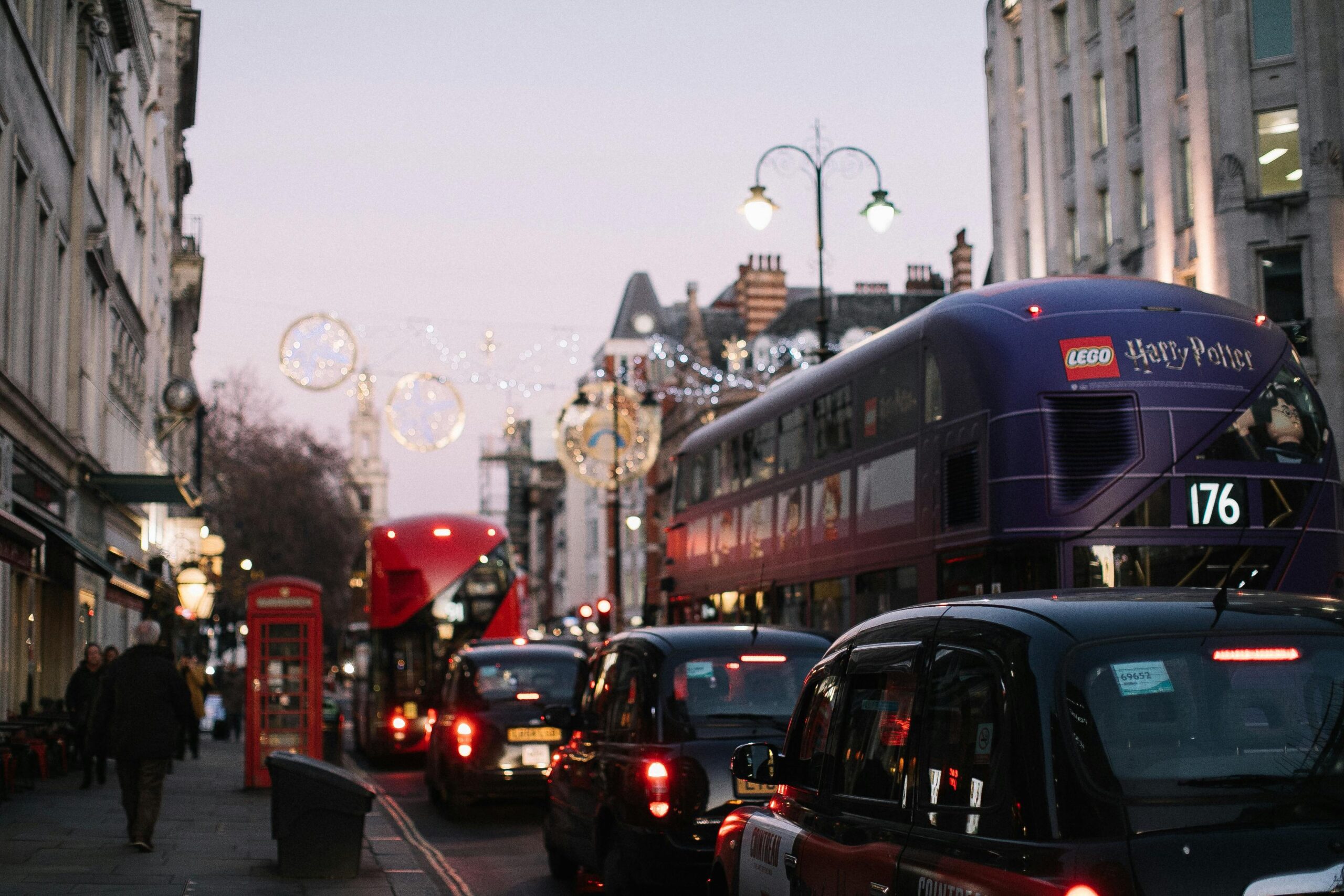
For more than two decades, the Harry Potter franchise has enchanted readers and film fans across the globe. But while the Wizarding World may be magical on screen, the real-world tourism it inspires is proving to be far less charming. From overcrowded streets to environmental damage, “Pottourism” is leaving a mark that many communities are struggling to manage.
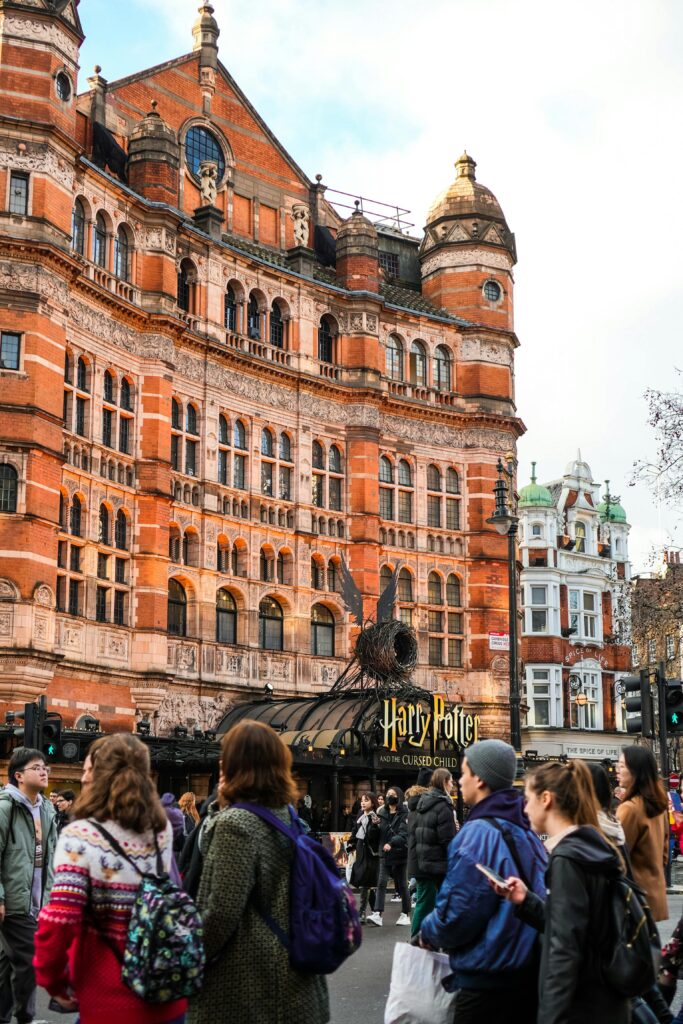
How Harry Potter Took Over Our Streets
Walk down York’s Shambles—often likened to Diagon Alley—or Edinburgh’s cobbled lanes, and you’ll find more wizard-themed shops and tours than locals ever asked for. London’s West End, too, is cluttered with kitschy stores selling overpriced wands and Gryffindor scarves.
While these shops and tours draw crowds, they also contribute to overtourism, making it harder for residents to enjoy their own neighborhoods.
The Hidden Costs of Pottourism
1. Economic vs. Cultural Value
Yes, tourism creates jobs and revenue. But an overconcentration of Harry Potter-themed attractions risks erasing authentic local culture. Instead of celebrating York’s medieval heritage or Edinburgh’s rich literary history, entire streets are dominated by wizard souvenirs.
2. Environmental Damage
Some filming sites have been overwhelmed by fandom. At Freshwater West Beach in Wales—where “Dobby’s grave” was filmed—fans leave painted pebbles, socks, and trinkets that pollute the environment and threaten marine wildlife. What began as a heartfelt tribute has turned into a serious ecological issue.
3. Social & Cultural Pushback
Even guides are pivoting away. In Edinburgh, one well-known tour operator abandoned Harry Potter walks in favor of LGBTQ+ history tours—partly due to discomfort with celebrating an author whose public views have caused controversy, and partly to highlight more meaningful local stories.
How Cities Can Restore Balance
- Relocate Experiences
Encourage fans to visit purpose-built attractions like the Warner Bros. Studio Tour, which can handle high traffic without damaging historic centers. - Diversify Storytelling
Offer tours focused on other cultural highlights—like Edinburgh’s Trainspotting, Bath’s Jane Austen heritage, or Cambridge’s Theory of Everything connections. - Regulate Shops & Merchandise
Cities such as Amsterdam have restricted “tourist trap” shops in favor of locally relevant businesses. The UK could adopt similar protections to preserve character and authenticity.
FAQs: What Fans and Locals Want to Know
Q: Isn’t Harry Potter tourism boosting local economies?
Yes, but at the expense of community identity and infrastructure strain. Economic gains often mask cultural loss.
Q: Why are people critical of Harry Potter tours now?
Because the tours can overshadow other important local stories, and some communities are wary of celebrating an author whose personal views have sparked debate.
Q: What’s happening at Dobby’s grave site?
Fans leave offerings that damage the coastal environment. Authorities are now urging visitors to honor the site responsibly—without leaving physical items.
Q: Are all Harry Potter shops considered a problem?
Not all, but the rapid spread of cookie-cutter souvenir stores often feels disconnected from local heritage and overwhelms small businesses.
Q: What alternatives do fans have?
Plenty. Visitors can enjoy official studio tours, explore other film locations across the UK, or engage in broader cultural walking tours that showcase local history beyond Hogwarts.
Final Thoughts
Harry Potter brought us spells, Quidditch, and the thrill of Platform 9¾—but in our cities, the magic is starting to feel more like a curse. Without balance, wizard tourism risks turning historic streets into theme parks. The solution isn’t to erase the magic—it’s to reimagine it responsibly, so that both fans and locals can thrive.

Sources The Times

