
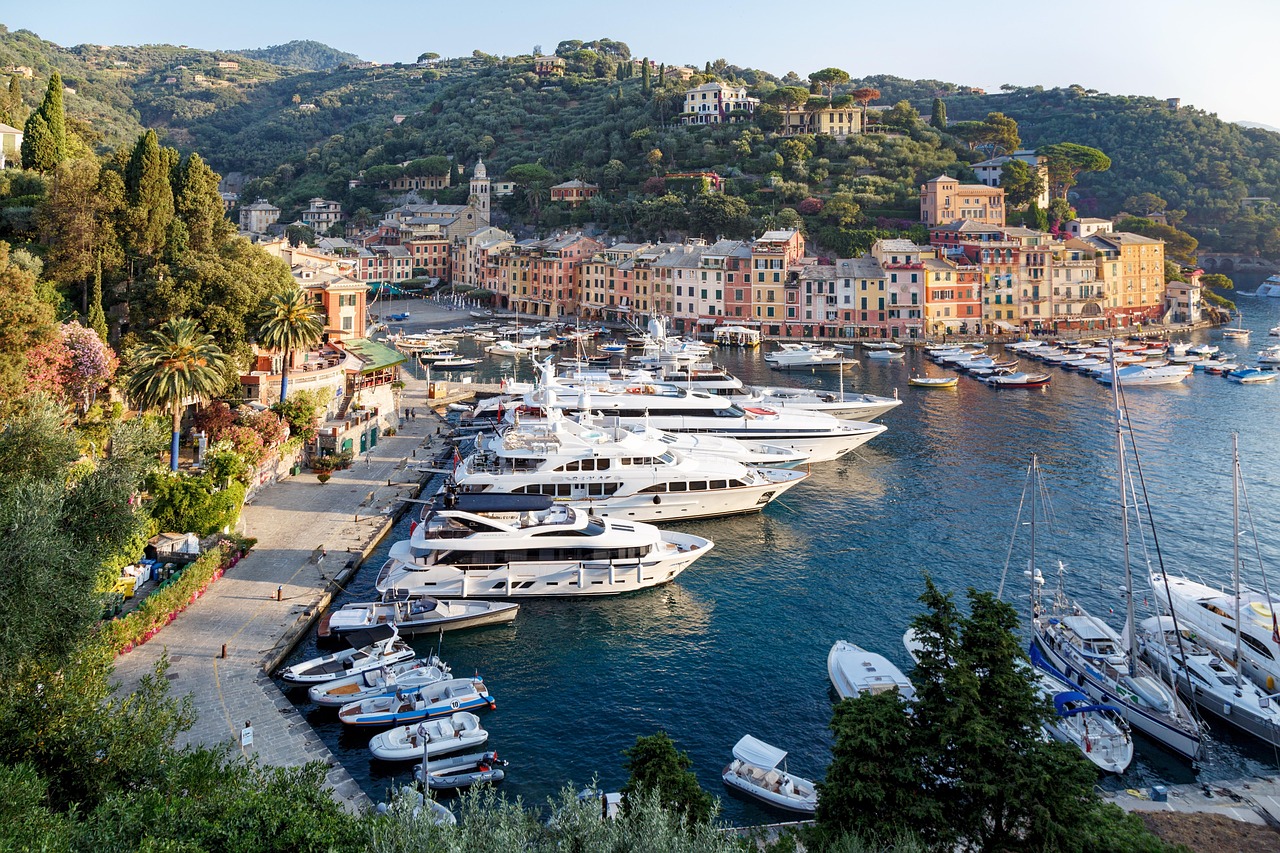
In a seismic shift for global travel, an Italian billionaire has emerged as a key architect in redirecting the flow of international tourists away from London — reshaping the landscape of luxury travel, wealth migration, and destination appeal. Here’s a comprehensive look at what’s happening, how it’s unfolding, and why it matters far beyond one individual or one city.
Who’s Behind the Movement
The story centers on a wealthy Italian entrepreneur leveraging influence in hospitality, luxury tourism, and destination development to challenge the historic “London-first” mindset for high-net-worth travelers.
But beyond one person, there’s a broader movement: Italy’s luxury and tourism ecosystem is undergoing a renaissance. The country is recording unprecedented visitor spending, a revival of high-end travel, and a growing reputation as a haven for global wealth. Italy is actively positioning itself not just as a European staple but as the destination for luxury, exclusivity, culture, and investment appeal.
Wealth migration trends reflect this transformation. Italy is attracting more ultra-high-net-worth individuals (UHNWIs) than ever before, thanks to lifestyle advantages, tax incentives, and a growing ecosystem of luxury tourism. This movement is gradually shifting business, tourism, and investment flows away from London’s long-held dominance.
What’s Really Changing — Tourism and Wealth Migration
1. Destination Power Is Shifting
For decades, London has stood as the gravitational center of global tourism — especially for elite leisure and business travelers. Now, Italy is reshaping that narrative:
- The country is moving beyond being “Europe’s cultural stopover” and positioning itself as a luxury travel powerhouse.
- Smaller Italian cities and regions are being transformed into high-end destinations with boutique hotels, curated local experiences, and personalized services.
- Italy’s tourism strategy emphasizes slow travel, authentic experiences, and sustainable luxury — offering depth, not just glamour.
2. Tourism Meets Wealth Migration
Italy’s new tax regimes for foreign residents, combined with lifestyle and climate appeal, are drawing wealthy individuals who previously favored London. When they relocate, their spending power amplifies Italy’s tourism and real estate sectors.
This creates a unique synergy — tourism, investment, and residence blending into one ecosystem. A billionaire’s move to Milan or Florence doesn’t just shift tax revenue; it changes where people vacation, dine, and invest.
3. The Rise of Strategic Luxury Travel
High-net-worth travelers are no longer satisfied with cookie-cutter luxury. They want exclusivity, privacy, heritage, and story-rich destinations. Italy is capitalizing on this demand by promoting regional experiences, private villas, historic estates, and tailored itineraries.
Luxury tourism is no longer just about five-star hotels — it’s about curated authenticity. That’s a space where Italy thrives.

Deeper Factors That Drive the Shift
While headline stories focus on the billionaire figurehead, several deeper factors are propelling this global rebalancing:
- Tax and Regulatory Advantages: Italy’s favorable residency and tax incentives for foreign investors have made it a magnet for wealth migration, especially as the UK’s tax landscape becomes less accommodating.
- Investment in Infrastructure: Improved airports, transport connectivity, and upgraded tourism amenities have made Italy more accessible to international visitors.
- High-Spend Tourism Focus: Italy is prioritizing quality over quantity—fewer tourists, but higher average spend per visitor.
- London’s Challenges: Post-Brexit regulation, high operating costs, and real estate pressures are prompting many global investors and affluent travelers to diversify their interests elsewhere.
- Sustainability and Authenticity: Wealthy travelers increasingly value destinations that feel real, local, and ethical. Italy’s regional diversity and artisan culture align perfectly with that shift.
- Regional Tourism Revival: Cities like Matera, Lecce, and Verona are emerging as boutique tourism centers, drawing travelers who once confined their trips to London, Paris, or New York.
Why This Matters
Economic Impact for Italy
This transformation boosts employment, small business growth, luxury retail, and hospitality development. The rise in tourism spending stimulates secondary industries such as real estate, art, and gastronomy.
Lessons for London
London remains a global powerhouse, but it faces growing competition. The message is clear: cities can no longer rely on legacy prestige. They must innovate, refine their visitor experience, and offer fresh incentives to retain global appeal.
A New Luxury Map
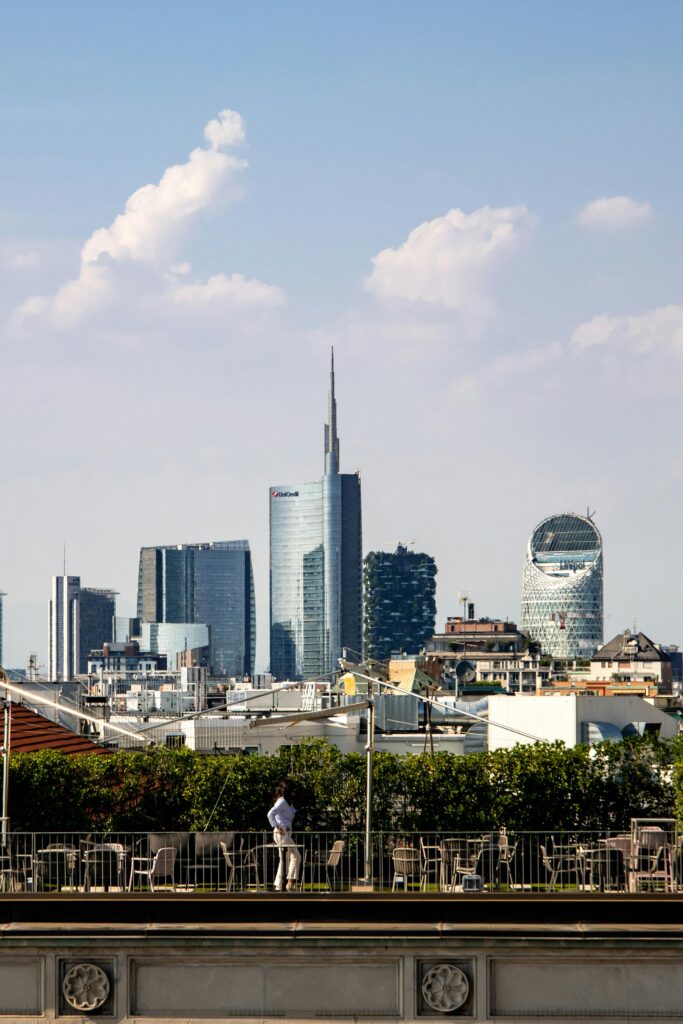
The traditional tourism hierarchy — with cities like London, Paris, and New York dominating — is evolving. Wealth, tourism, and lifestyle trends are decentralizing, giving rise to new “luxury capitals” like Milan, Florence, and Rome.
Frequently Asked Questions
Q1: Is London still the top global tourism destination?
Yes. London remains among the world’s most visited cities. However, Italy’s rapid ascent in luxury and cultural tourism is eroding London’s dominance in the high-spending visitor category.
Q2: Who is the Italian billionaire driving this change?
The article highlights an influential Italian billionaire within the hospitality and luxury investment space. While the individual’s name draws attention, the larger trend reflects Italy’s coordinated effort to redefine itself as the epicenter of global luxury tourism.
Q3: Why is Italy attracting so many wealthy travelers?
Italy combines world-class cuisine, art, and climate with investment-friendly policies and a slower, more experiential approach to tourism. This blend offers both lifestyle and business appeal to wealthy individuals.
Q4: What does “breaking London’s grip” actually mean?
It refers to Italy and other destinations increasingly attracting the type of elite travelers, entrepreneurs, and investors who historically concentrated in London. It’s not a total displacement, but a rebalancing of influence.
Q5: How does this affect everyday travelers?
For most tourists, it means better experiences, improved hospitality standards, and expanded choices. For ultra-luxury travelers, it signals more private, immersive, and sustainable travel options outside the traditional big cities.
Q6: What are the risks for Italy in this shift?
Rapid growth in tourism brings challenges: infrastructure strain, sustainability concerns, and the need to balance high-end development with cultural preservation. Managing growth responsibly will be key.
Q7: How can London respond?
London must continue to innovate, invest in cultural experiences, and refine its value proposition. Embracing sustainability, digital innovation, and local authenticity can help maintain its leadership in global tourism.
Q8: What does this mean for luxury travel in general?
Luxury travel is evolving from status-driven consumption to experience-driven exploration. Personalization, heritage, wellness, and sustainability are replacing opulence as the new symbols of wealth.
Q9: Is this trend permanent?
Yes, to a degree. With structural advantages — tax incentives, lifestyle appeal, and global rebranding — Italy’s position as a luxury tourism hub is set to continue, provided it maintains quality, infrastructure, and sustainability.
Final Thoughts
The rise of Italy as a challenger to London’s global tourism dominance signals more than a shift in destination preference — it’s a reordering of how the world’s wealthy choose to live, travel, and invest.
Luxury is no longer defined by grand hotels and shopping districts but by authenticity, heritage, and emotional connection. Italy understands this — and it’s using that understanding to pull influence, spending, and prestige southward.
As the Italian billionaire at the center of this story demonstrates, global tourism isn’t just about where people go. It’s about where they choose to belong.

Sources The Telegraph

