

Italy’s hospitality and food culture are undergoing a dramatic transformation, propelled by booming tourism, changing tastes, and a restaurant industry racing to adapt. From Venice to Naples, the iconic images of clinking spritz glasses and heaping bowls of carbonara paint a delicious picture—but underneath lies a complex story of culture, economy, and identity in flux.
This article explores how tourism is reshaping Italy’s restaurant world, the deeper consequences beyond the menu, and what it means for locals, travelers, and the future of Italian food.
Feast and Flood: The Surge of Tourism in Italy
In 2025, Italy is on pace for record-breaking tourism numbers. International visitor spending is projected to exceed €60 billion, supporting millions of jobs. With more tourists staying longer and eating out more frequently, Italy’s restaurants—ranging from Michelin-starred establishments to family-run trattorias—are feeling the effects at every level.
This dining boom is both a blessing and a burden. While more diners mean higher revenues, the influx also brings new challenges: staffing shortages, rising food costs, overtourism, and fears of losing local authenticity.
Why “Spritzes” and “Carbonaras”?
The spritz, especially the Aperol spritz, has become symbolic of Italy’s aperitivo culture—light, casual, and perfect for selfies. Carbonara, the Roman pasta staple, is one of the most recognized dishes globally. These two items serve as metaphors for what’s happening: classic Italian staples are now centerpieces of a mass-tourism-driven food culture that’s expanding faster than ever.
Key Trends Reshaping Italy’s Dining Scene
1. Tourist-Driven Menus
In high-traffic areas, restaurants are adapting to cater to foreign tastes:
- Multilingual menus
- Visual aids and QR codes
- Simplified set meals
- “Instagrammable” dishes
While these changes make dining more accessible, they can also dilute culinary authenticity and blur the uniqueness of regional Italian cuisine.
2. Soaring Costs & Staffing Challenges
Rising rents, ingredient costs, and competition for qualified kitchen staff are squeezing restaurant margins. Many establishments struggle to balance quality with volume, and service models are shifting toward part-time work and limited operating hours. Despite record revenues, the industry remains volatile beneath the surface.
3. Overtourism and Local Pushback
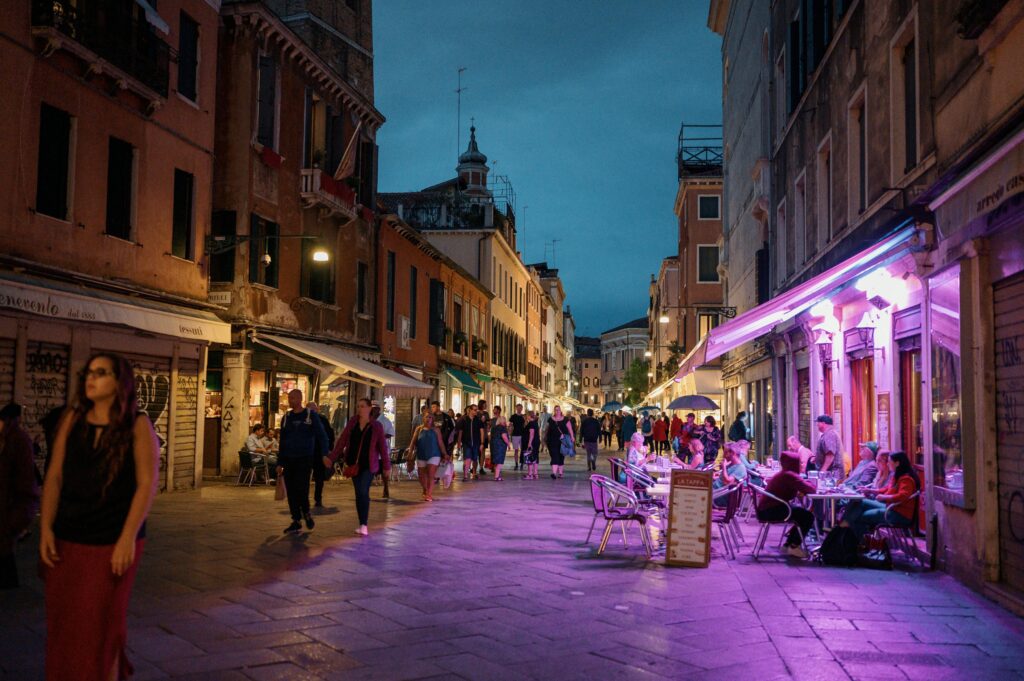
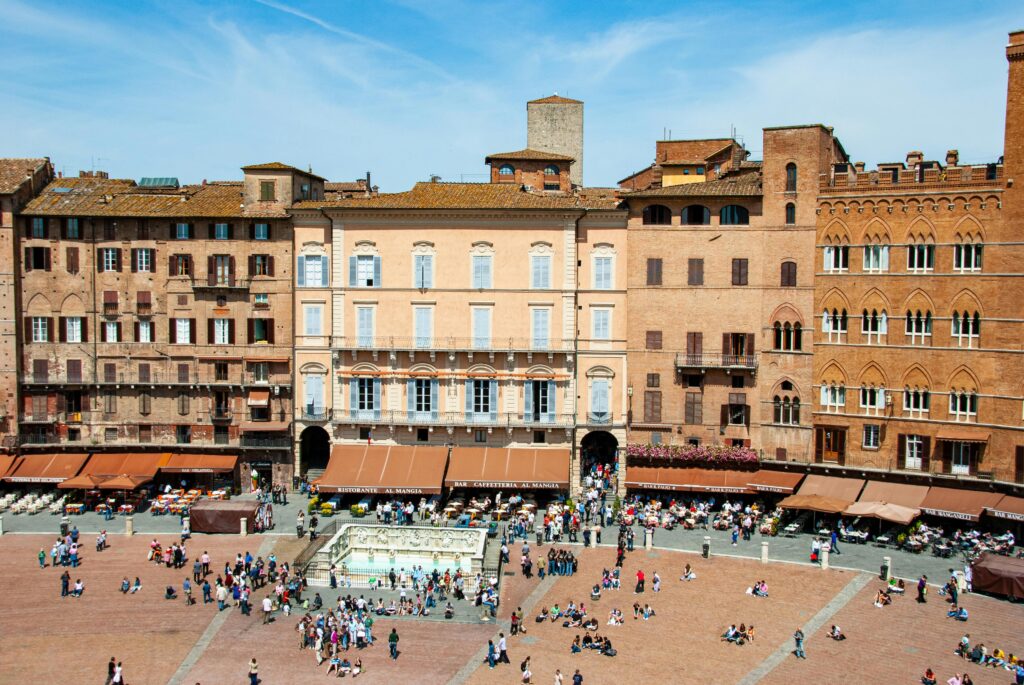
Cities like Venice, Rome, and Florence are experiencing crowding not just in museums and streets—but also in restaurants. Tourists dominate peak hours, and locals often feel priced out or pushed aside in their own neighborhoods. Outdoor seating expansion, longer waits, and uniform tourist menus have led to calls for regulations to protect traditional dining spaces and preserve local access.
4. Experience Over Eating
Tourists are seeking more than just food—they want immersive experiences. Cooking classes, wine tastings, farm-to-table dinners, and food tours are booming. Italy’s regional specialties, slow food movement, and agritourism offerings are now a major part of the travel experience, further blending gastronomy and tourism.
5. Beyond the Big Cities
There’s a growing trend toward lesser-known regions like Abruzzo, Calabria, and Molise. These areas offer rustic cuisine, genuine hospitality, and a slower pace—appealing to travelers looking to escape the crowded tourist corridors. The expansion of culinary tourism into rural areas brings new opportunities but also demands investment in infrastructure and sustainability.
What the Headlines Miss
While popular coverage often focuses on the glamour and growth of Italy’s restaurant boom, several deeper issues go under-reported:
- Labor shortage and job precarity
- Supply chain stress and inflation
- Gentrification of traditional food neighborhoods
- Environmental impacts of mass dining
- Dependence on tourism dollars at the expense of locals
- Concerns about fake reviews and food quality regulation
These complexities underline that Italy’s food boom is not just about bigger portions or better profits—it’s about how a centuries-old food culture balances preservation and modernization in the face of global demand.
What Tourists Should Know
If you’re planning to visit Italy, here’s how to enjoy the best of its food culture without falling into tourist traps:
- Venture off the beaten path: Explore smaller towns and local trattorias.
- Dine at odd hours: Avoid peak tourist times to enjoy quieter, more authentic experiences.
- Ask for the daily special: Regional cuisine changes seasonally—embrace the variety.
- Support agritourism: Consider dining at farm stays or local vineyards.
- Be culturally aware: Learn basic Italian phrases and follow local dining customs.
- Avoid over-reliance on reviews: Word of mouth and personal exploration often lead to hidden gems.
Frequently Asked Questions (FAQ)
Q: Are Italian restaurants getting more expensive?
Yes, particularly in tourist-heavy areas. Rising demand and operational costs have pushed up prices, especially for food, drinks, and service in central city zones.
Q: Is it harder for locals to dine out now?
In some neighborhoods, yes. As restaurants focus more on international guests, prices and reservation systems may alienate locals who once frequented these spots.
Q: Are restaurants changing their menus to suit tourists?
Absolutely. Many menus are simplified, anglicized, or adapted to global tastes, which can come at the cost of regional authenticity.
Q: How can I find real local food experiences?
Look for smaller, family-run establishments, avoid restaurants with aggressive hosts or picture menus, and ask locals for recommendations. Visiting off-peak areas also helps.
Q: Are there any regulations addressing overtourism in dining?
Some cities are experimenting with zoning restrictions, limits on outdoor seating, and new tourism taxes. But enforcement and effectiveness vary widely.
Q: Is culinary tourism helping rural Italy?
Yes, it’s opening up economic opportunities in lesser-visited regions, but sustainable planning is essential to avoid repeating mistakes made in overcrowded cities.
Final Thought
The boom in Italy’s restaurant scene is not just a story of economic success—it’s also a story of cultural tension, adaptation, and the delicate balance between hospitality and heritage.
Tourists are more welcome than ever—but preserving the essence of Italian dining will require thoughtful choices from diners, restaurateurs, and policymakers alike. Whether you’re sipping a spritz in Venice or twirling carbonara in Rome, remember: behind every plate is a complex ecosystem of people, traditions, and places.
Eat well—but eat with care.
Sources The New York Times

