

Rhode Island’s Bold Move
Rhode Island enacted the Non-Owner-Occupied Property Tax Act (nicknamed the “Taylor Swift Tax”) as part of its 2026 budget package. The law targets non-primary residences valued at over $1 million—especially those vacant for more than half the year—with a surcharge of $2.50 per $500 of assessed value above that threshold. The law also allows the $1 million threshold to adjust annually with inflation starting in 2027.
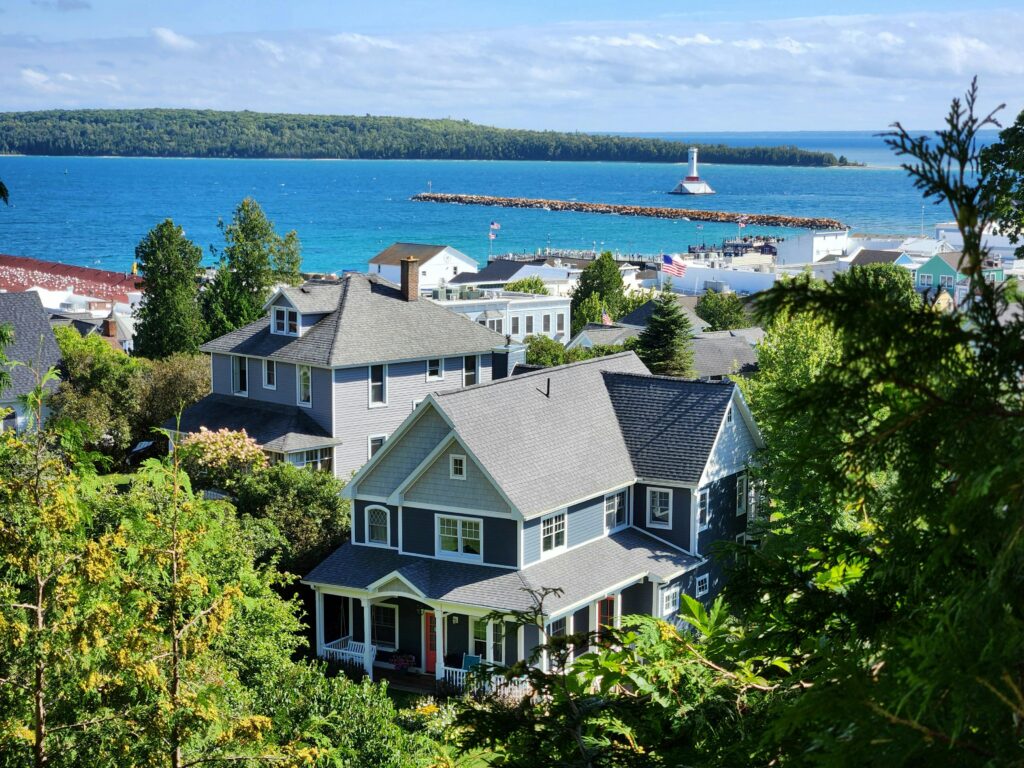
For example:
- A $2 million vacation home could trigger $10,000 extra annually.
- Taylor Swift’s $17 million Watch Hill estate could see taxes spike by approximately $136,000–$140,000 per year.
The goal is twofold: to generate revenue for housing and healthcare needs and to encourage owners to either occupy or rent out their properties.
Why It Matters—and Who’s Pushing Back
Supporters argue:
- Absentee homeowners contribute to inflated housing prices and housing scarcity for locals.
- The tax levels the burden more equitably—low- and middle-income residents already shoulder a higher share of taxes relative to income.
Critics fear:
- Losing affluent part-time residents could harm local economies that once benefited from their coastal spending.
- Represented by real estate professionals, they warn it may discourage investment and displace long-standing family-owned vacation properties.
Policy Ripples Around the Nation
This isn’t an isolated move:
- Montana — Introduced a tiered property tax strategy. It lowers rates for primary residences while taxing second homes and short-term rentals at a flat 1.9% rate.
- Cape Cod (Massachusetts) — Considering a transfer tax on homes over $2 million to support affordability initiatives.
- Los Angeles — Its “mansion tax” on properties above $5 million yielded less revenue than anticipated, raising concerns about scalability.
- Seattle, San Francisco, Vancouver, Toronto — These cities have adopted vacancy or empty-home taxes to discourage speculation and boost housing supply. For instance, Vancouver’s Empty Homes Tax reduced vacant properties by over 50% after implementation.
These moves stem from concerns around housing access, municipal budget gaps, and expanding wealth inequality.

At a Glance: How They Stack Up
| Location | Policy Type | Focus | Goal |
|---|---|---|---|
| Rhode Island | Surcharge on non-owner homes >$1M | Vacant luxury homes | Fund housing & healthcare; reduce vacancy |
| Montana | Flat rate on second homes & short-term rentals | Absentee ownership | Equity in tax burden; support residents |
| Cape Cod | Proposed transfer tax on >$2M homes | High-value property sales | Raise revenue; address housing access |
| LA | Mansion tax on sales >$5M | High-end sales | Revenue generation (underperformed) |
| Major Cities | Vacancy/empty-home taxes (Seattle, SF, Vancouver) | Unused residential properties | Increase housing supply; deter speculation |
Frequently Asked Questions (FAQs)
Q: Why is it dubbed the “Taylor Swift Tax”?
Because Swift’s Watch Hill property epitomizes a luxury vacation home in Rhode Island. While not named after her, the nickname brought national attention.
Q: Who does the tax apply to?
Second-home or vacation-home owners whose properties are valued over $1 million and are not occupied for the majority of the year.
Q: Are there exemptions?
Yes. Properties rented out for more than 183 days in a year are exempt, and owners may appeal assessed value or residency status.
Q: What’s the larger goal?
Raise vital revenue for housing and healthcare and encourage use or rental of potentially idle properties to ease housing strain.
Q: Could the tax drive away wealthy buyers?
Real estate professionals warn that it might deter investment, though others argue revenue gains could offset that impact.
Q: Are similar measures popular elsewhere?
Yes—Montana, Cape Cod, and certain metropolitan areas have adopted or are exploring comparable taxes on expensive or vacant homes.
Final Thoughts
The rise of luxury-vacation-home taxes marks a turning point in local housing and fiscal policy. By targeting high-end absentee ownership, municipalities seek to balance economic vitality against affordability and equity—but the stakes are high, and unintended consequences loom. As more states consider similar approaches, this remains a developing crossroads in real estate policy.

Sources CNBC

