
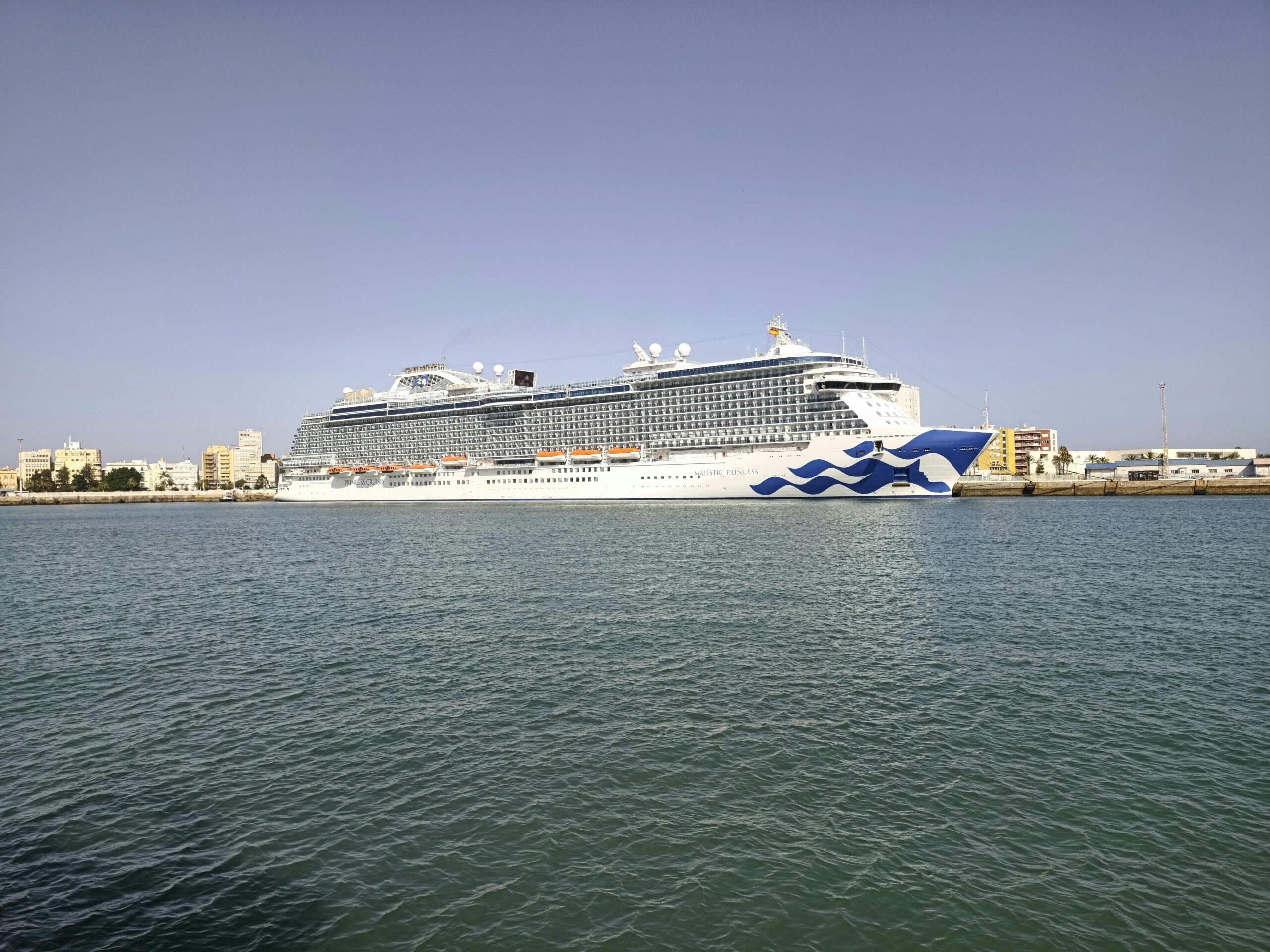
“All‑inclusive” cruises are often advertised as offering a hassle‑free, budget‑predictable, worry‑free vacation: pay once, get most things included, relax, enjoy. But like many things in travel marketing, the reality is more nuanced. What is included can vary widely, and whether you get good value depends heavily on your habits, preferences, and how carefully you read the fine print.
Let’s explore what “all‑inclusive” means aboard cruise ships, what to watch out for, what many sources miss, and how to get the most out of such a trip.
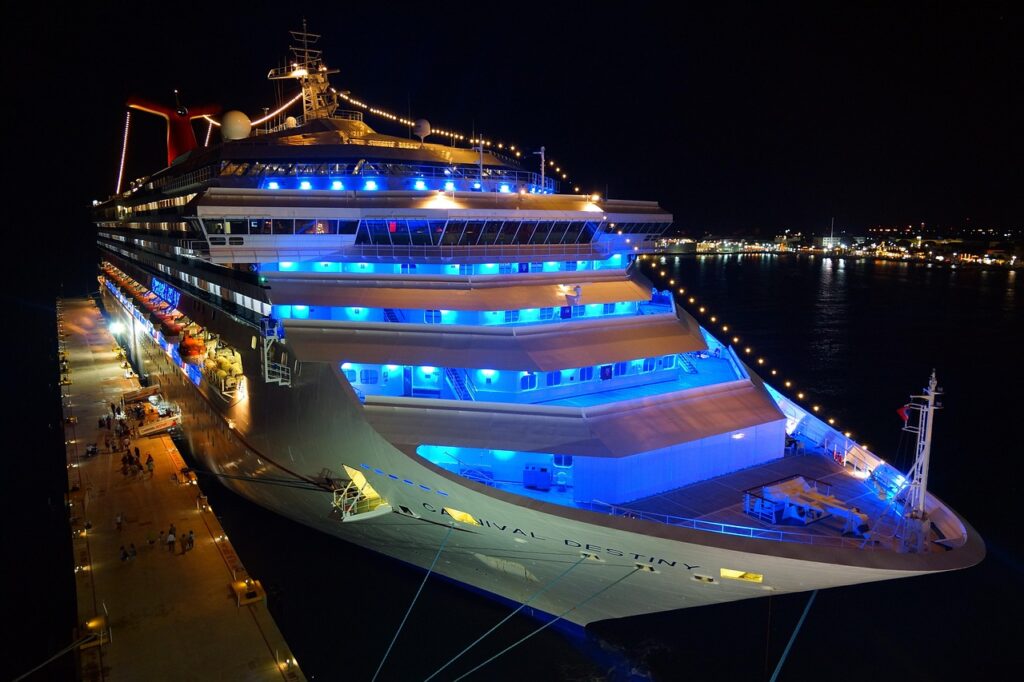
What “All‑Inclusive” on a Cruise Often Means—and Doesn’t
Cruise lines offer different tiers or add‑on packages that bundle various services. Here’s a breakdown of common inclusions and exclusions:
Common Inclusions
- Accommodation: Your cabin/stateroom, bed, bathrooms, housekeeping, basic toiletries, maybe a balcony if you paid for that category.
- Meals: Most dining options (main buffet, the standard dining room) are included. Many ships also include some casual specialty or themed dining, depending on the package.
- Onboard entertainment & activities: This usually includes live shows, musical performances, pool and deck entertainment, fitness classes, non‑motorized water sports, kids/youth programs, etc.
- Basic non‑alcoholic beverages: Water, coffee/tea, some juices, maybe soft drinks.
- Use of ship amenities: Pools, hot tubs, gym, spa (basic access), lounges, etc.
What “All‑Inclusive” Often Excludes
These are the extras for which you will often pay separately or need to select a higher‑tier package:
- Alcoholic drinks, premium drink packages: Cocktails, wine by the glass, imported drinks are usually excluded or only partially included. Beverage packages can add up heavily.
- Specialty dining: Premium/fine dining restaurants on board (steakhouse, specialty cuisine) typically cost extra.
- Wi‑Fi/internet: Basic connectivity may be included, but faster/premium service often costs extra.
- Shore excursions & tours: Visiting destinations while the ship is docked—many are extra; only a few may be included, especially on higher‑end luxury lines.
- Gratuities / service fees / tips: Many cruise lines have automatic service charges, gratuity charges, or mandatory tips for staff; sometimes these are included in a higher‑level “all‑inclusive” fare, but often not in the base fare.
- Spa treatments, premium classes (e.g. cooking, mixology), boutique shops, photos, premium laundry service, etc.
Hidden Costs & What Cruise Advertisers Might Not Highlight
Here are things many travelers don’t realize until after booking or while onboard:
- “All‑inclusive” doesn’t always equal “everything.” Even “premium” all‑inclusive bundles may cap drink prices, limit the number of specialty meals, or only include basic Wi‑Fi.
- Add‑ons can kill the budget. If you regularly enjoy premium drinks, specialty dinners, shore excursions, or spa treatments, these extras can cost more than the bundle difference for some packages.
- Dynamic pricing and “surprise” fees. Taxes, port fees, fuel surcharges, or fees for using certain ship facilities can get added. Also, service charges may tacked on even if gratuities are “included,” sometimes for specialty dining etc.
- Crowding and availability limitations. On popular ships or during peak times, restaurants, spa slots, and shore tours can fill up quickly. Having something “included” does not always guarantee prime access.
- Quality & standard variations. Lower‑priced ships or budget lines may offer “all‑inclusive” packages where quality of food, drink, cabins, or staff service is less luxurious. Photos and marketing can gloss over less appealing details (e.g. small rooms, bland options in specialty restaurants).
- Insurance, health, travel to/from port. The cost of getting to your embarkation port, flights, transport, and travel insurance is usually not included. Sometimes airport transfers are offered only in premium packages.
Advantages of Choosing an All‑Inclusive Cruise
Even with the caveats, there are many benefits:
- Budget certainty: For many costs you care about (meals, many onboard activities, entertainment), you know up front roughly what you’ll pay. Good for avoiding small “nickel and dime” annoyances.
- Convenience & ease: You don’t need to plan every meal or activity individually; itinerary and many onboard options are handled for you.
- Value if you use what’s included: If you drink enough, take advantage of included excursions or credits, use the amenities often, then the all‑inclusive bundle may save you money.
- Avoid surprises: Less need for constant decisions about whether a meal or a drink is worth the extra spend.
What Many Cruise Lines / Travelers Might Miss or Underestimate
These are insights often overlooked in articles or ad materials:
- Some “all‑inclusive” cruise lines or packages are closer to “semi‑inclusive.” There’s a spectrum: from very basic package that just covers meals + cabin + standard entertainment, up to luxury lines where almost everything is included.
- Traveler behavior matters a lot. If you don’t make full use of the inclusions (e.g. don’t drink, don’t go on excursions), then paying for a bundle is less efficient than paying as you go.
- Seasonal and cabin position differences: Premium cabins (balcony, suites) and more recent ships often have better “all‑inclusive” perks included or more generous packages. Older vessels or interior cabins may have more exclusions.
- Comparing apples‑to‑apples: Sometimes paying separately can end up cheaper if you pick a more modest ship or if your travel style is minimal (i.e. you eat modestly, avoid extras).
- The trade‑off of freedom vs package: travelers who like flexibility to explore ports, try local dining, wander off ship may feel constrained if many options are “onboard” or pre‑booked to the all‑inclusive bundle.
How to Decide If It’s Right for You (or How to Avoid Regret)
Here are tips and criteria:
- Estimate your usage.
Think about how much you really drink, eat in specialty restaurants, take shore tours, use spa etc. If you are likely to use most of what might be included, go all‑inclusive; otherwise, you might overpay. - Read the fine print carefully.
What exactly is included? Are drinks limited to certain brands/prices? Are shore excursions included or only credits? Are gratuities included? Is high‑speed Wi‑Fi in the package or extra? - Compare “bundle vs ala carte” costs.
Take a mock budget: cost of base cruise + common extras you expect you’ll use (drinks, one specialty restaurant, two shore tours, Wi‑Fi, gratuities). Compare with what an all‑inclusive bundle costs. - Check cabin category and ship version.
New ships often pack more perks. Higher category cabins often unlock more included amenities. Luxury/“premium” cruise lines may include more in base fare or in bundles. - Watch for sales, promotions, and package upgrades.
Many cruise lines offer early‑booking incentives, “drinks included” promotions, free shore excursions, etc. Upgrading to a package often is significantly cheaper than purchasing extras separately later. - Know your priorities.
- Do you value variety of food & drink or just want standard meals?
- Is onboard entertainment crucial or is spending time off‑ship more appealing?
- Are you comfortable paying extra for comfort, specialty or luxury vs just core essentials?
Pros & Cons Summarized
| Pros | Cons |
|---|---|
| Easier budgeting; fewer surprises | Can be expensive if you don’t use included perks |
| Convenience and simplicity | What’s “included” may be limited or lower quality |
| Many entertainment and activity options | Hidden fees, gratuities, and surcharges can still apply |
| Good value for those who drink, dine, and do excursions | Less flexibility; may feel tied to ship schedule, limited local exploration |
| One‑stop vacation experience; less planning | Cabin / ship amenities may vary; in peak times amenities crowded |
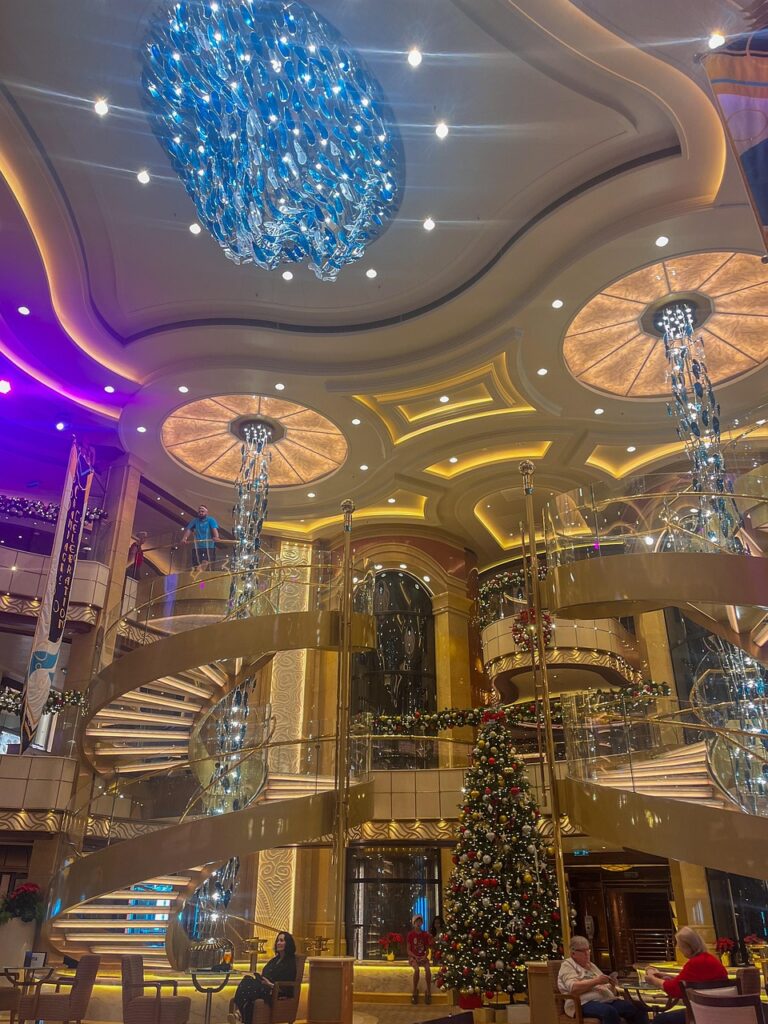
Common Mistakes & What Cruise Lines Usually Don’t Advertise
- Assuming “all‑inclusive” means “everything included” without verifying drink limits, premium vs standard, etc.
- Overlooking “kids fees” or charges for special youth‑oriented programs, or differences in what’s included for children vs adults.
- Forgetting to factor in transport to embarkation port, flights, visas.
- Not pre‑booking specialty dining or shore excursions—even if included or discounted with bundle packages—slots fill fast.
- Underutilizing included features; for example, if spa credit is included but only booked one service vs several, or Wi‑Fi included but you download heavy content and see extra data charges (in some cases).
Additional Perspectives Often Missed
- Environmental impact & sustainability: Bigger ships with more included features can have higher energy, resource usage. Some “all‑inclusive” cruise lines are embracing greener technologies, renewable energy, or more efficient operations—but many travellers don’t check or ask about that.
- Social & local economic impact: When cruise stops at ports, excursions, dining off the ship, local guides etc., the choices you make can influence how much your spend supports local economies vs getting captured by the large cruise industry itself.
- Health / safety / itinerary flexibility: Storms, weather, port closures—if your itinerary is rigid, an all‑inclusive package might not compensate well. Understanding cancellation policies for excursions, refunds when shore stops are canceled, etc., is important.
- Variability by destination: What’s considered “included” or “premium” can vary greatly by region (Caribbean vs Mediterranean vs Alaska vs Asia). Deals can differ depending on distance traveled to port, local taxes, exchange rates.
Final Verdict & Decision Guide
“All‑inclusive” cruise holidays can be excellent value, stress‑free, and very satisfying—especially for travelers who want a lot of amenities, limited planning, and who will use what they pay for. But whether it’s worth it depends a lot on your preferences, how much “extras” you’ll use, how transparent the cruise line is, and how carefully you compare packages.
If I were to give advice, I’d say:
- Go all‑inclusive if you drink, like specialty dining, enjoy onboard entertainment and scheduled shore tours, and want convenience.
- Don’t buy all‑inclusive if you’re more minimalist, like exploring local food in port, eat simply, rarely drink, or prefer flexibility and spontaneity.
Frequently Asked Questions (FAQs)
1. Does “all‑inclusive” really include gratuities/tips?
Sometimes yes, sometimes no. Many base cruise fares don’t include gratuities; “all‑inclusive‑style” bundles may add this in, but always check. If included, check whether gratuities cover specialty dining, bar service, room service, etc.
2. Are shore excursions usually included?
Only in some premium packages. The standard offerings usually limit shore excursions as extras unless the package specifically covers them (or gives credit). Always check what excursions are included or whether “excursion credit” is part of the bundle.
3. Will I save money with an all‑inclusive package?
You might—if you use a lot of what is included (drinks, dining, excursions, etc.). If you don’t, paying as you go might end up being cheaper. Do your own cost‑comparison.
4. What’s the difference between “drinks package” vs “all inclusive”?
A drinks package is usually just one component (drinks, sometimes Wi‑Fi) of “all inclusive”. All inclusive implies a more comprehensive bundle: meals, entertainment, activities, sometimes gratuities. But “all inclusive” can vary greatly—so read what is included.
5. Are luxury cruise lines more likely to offer “true” all‑inclusive packages?
Yes. Luxury and premium lines often include more amenities in their base fare or in higher‑tier bundles. Things like premium dining, more inclusive drinks, multiple shore excursions, superior Wi‑Fi are more likely to be included. But luxury comes at a premium price.
6. How do I avoid being overcharged or disappointed?
- Read the contract/inclusions carefully.
- Ask questions: what brands of drinks are included; how many specialty dinners; what Wi‑Fi speed; what shore excursion credit, etc.
- Research reviews from people who’ve taken the specific bundle you’re considering.
- Map out what you expect you’ll consume (e.g. 2 cocktails/day, 2 specialty dinners, etc.) and compare bundle cost vs paying separately.
- Book early; promotions sometimes include drink or excursion inclusions at better rates.
Sources The Telegraph

