
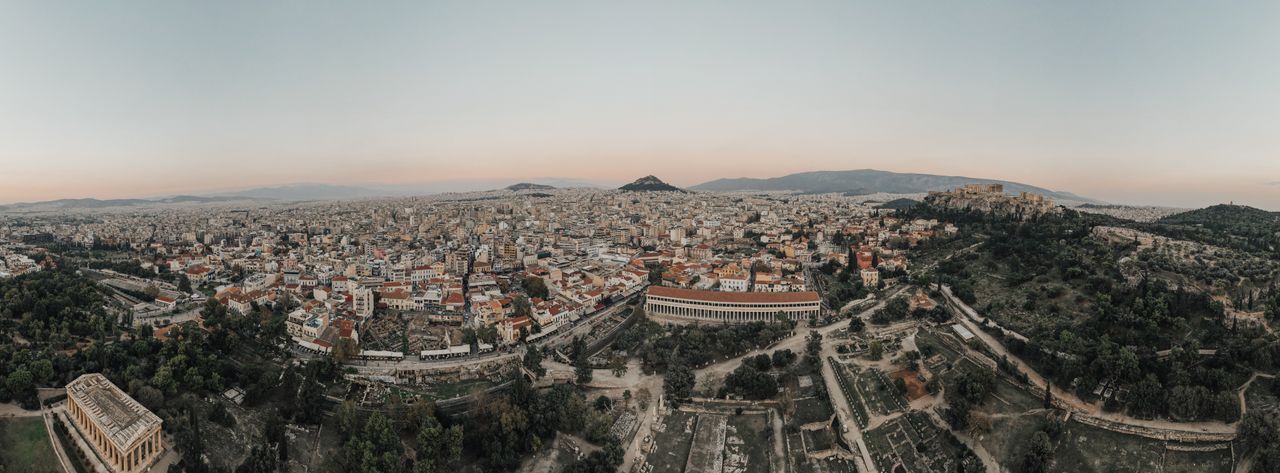
Athens remains one of Europe’s most visited capitals, welcoming millions of travelers each year who come to explore iconic landmarks such as the Acropolis, the Parthenon, and the city’s vibrant neighborhoods. However, like any major metropolitan destination, Athens occasionally experiences criminal incidents that attract international attention, including cases involving visitors.
While isolated violent crimes involving tourists are uncommon compared with the overall number of annual visitors, any serious incident naturally raises questions about public safety, emergency preparedness, and how travelers can protect themselves while exploring unfamiliar destinations.
Understanding the realities of urban travel—rather than relying solely on headlines—helps visitors make informed decisions and enjoy their trips with greater confidence.

Athens Remains One of Europe’s Leading Tourist Destinations
Athens is considered the historical birthplace of democracy and one of the world’s most significant archaeological destinations.
Popular attractions include:
- The Acropolis
- The Parthenon
- Ancient Agora
- Plaka neighborhood
- Monastiraki Square
- National Archaeological Museum
- Lycabettus Hill
- Syntagma Square
The city combines thousands of years of history with modern restaurants, shopping districts, nightlife, museums, and cultural events.
Millions of international visitors safely explore these attractions every year.
Understanding Crime in Major Tourist Cities
Large cities around the world naturally experience varying levels of crime due to their size and population.
Tourist destinations often face challenges such as:
- Pickpocketing
- Bag theft
- Phone theft
- Scams
- Opportunistic robberies
- Occasional violent crime
Serious assaults involving tourists remain relatively uncommon, but they receive widespread media coverage because of their unusual nature and public interest.
Why Tourists Can Be Targeted
Visitors may appear unfamiliar with local surroundings, making them more vulnerable to certain crimes.
Common factors include:
- Carrying valuables
- Using navigation while walking
- Speaking unfamiliar languages
- Visiting crowded attractions
- Traveling late at night
- Displaying expensive electronics
Awareness—not fear—is the most effective defense.
How Authorities Protect Visitors
Cities that depend heavily on tourism often invest significantly in public safety.
Measures may include:
- Increased police patrols
- Tourist police units
- Surveillance cameras
- Emergency response systems
- Public transportation security
- Multilingual visitor assistance
Following serious incidents, authorities may increase patrols or review existing security measures in affected areas.

Practical Safety Tips for Travelers
Most trips to Athens are trouble-free, but visitors can reduce risk by following sensible precautions.
Recommended practices include:
- Stay aware of your surroundings.
- Keep valuables secure and out of sight.
- Avoid poorly lit or isolated areas late at night.
- Use licensed taxis or reputable ride-hailing services.
- Share your itinerary with family or friends.
- Carry copies of important travel documents.
- Learn local emergency contact numbers.
These habits are useful in virtually any major city worldwide.
Emergency Preparedness
Knowing how to respond during an emergency can make a significant difference.
Travelers should:
- Save local emergency numbers on their phone.
- Know the location of nearby hospitals.
- Keep embassy contact information accessible.
- Maintain travel insurance documentation.
- Enable location sharing if appropriate.
Preparation often provides reassurance as well as practical assistance if needed.
The Importance of Travel Insurance
Comprehensive travel insurance can help cover unexpected events, including:
- Medical emergencies
- Hospitalization
- Emergency evacuation
- Lost luggage
- Trip interruptions
- Theft of belongings
Policies vary, so travelers should understand what is included before departure.
Technology Can Improve Travel Safety
Modern technology offers numerous tools that enhance traveler security.
Useful resources include:
- GPS navigation
- Offline maps
- Emergency location sharing
- Translation apps
- Mobile payment systems
- Travel safety alerts
- Embassy registration services
Smartphones have become valuable travel safety companions when used responsibly.
Balancing Awareness With Perspective
High-profile incidents often receive significant media attention.
However, travelers should remember that millions of people visit popular destinations every year without experiencing serious crime.
Making decisions based on reliable information rather than isolated events provides a more balanced perspective.
Government travel advisories, local tourism authorities, and official emergency services remain valuable sources of up-to-date guidance.
Responsible Tourism Also Supports Safety
Respectful behavior contributes to a safer travel environment.
Visitors should:
- Respect local customs
- Follow local laws
- Drink responsibly
- Avoid confrontations
- Protect personal belongings
- Stay informed about neighborhood conditions
Positive interactions with local communities often enhance both safety and travel experiences.

The Role of Local Communities
Tourism supports thousands of businesses across Athens.
Local residents, hotel staff, restaurant employees, tour guides, and shop owners all have a shared interest in maintaining a welcoming environment for visitors.
Community engagement and effective policing help strengthen trust between residents and tourists.
Looking Ahead
Cities worldwide continue investing in smarter public safety systems.
Future developments may include:
- AI-assisted surveillance analysis
- Smart emergency response networks
- Better multilingual emergency services
- Improved visitor information platforms
- Enhanced public transportation security
Technology alone cannot eliminate crime, but it can improve prevention, response times, and communication.
Safe Travel Begins With Preparation
No destination can guarantee complete safety, and isolated criminal incidents can occur in any major city.
The key is to approach travel with awareness rather than anxiety.
Athens remains one of the world’s most rewarding cultural destinations, offering remarkable history, architecture, cuisine, and hospitality. Most visitors complete their journeys without serious problems by following common-sense precautions and staying informed.
By combining responsible tourism, practical safety habits, and respect for local communities, travelers can enjoy memorable experiences while minimizing risks.
Travel is ultimately about exploration, learning, and cultural exchange—and thoughtful preparation helps ensure those experiences remain positive.
Frequently Asked Questions (FAQs)
1. Is Athens generally safe for tourists?
Yes. Athens welcomes millions of visitors annually, and most trips are completed safely. Like any major city, travelers should remain aware of their surroundings and take normal safety precautions.
2. What types of crime most commonly affect tourists?
Petty crimes such as pickpocketing, bag theft, and scams are generally more common than serious violent incidents, particularly in crowded tourist areas.
3. Should I avoid visiting Athens because of isolated criminal incidents?
Individual incidents should be viewed in context. Travelers should monitor official travel advisories, stay informed, and follow sensible safety practices rather than making decisions based solely on isolated events.
4. What should I do in an emergency while traveling in Greece?
Contact local emergency services immediately, seek medical assistance if needed, notify your accommodation provider, and contact your country’s embassy or consulate for additional support when appropriate.
5. How can I make my trip safer?
Keep valuables secure, remain aware of your surroundings, avoid isolated areas at night, use reputable transportation services, carry travel insurance, and stay informed about local conditions throughout your visit.

Sources AP News

