

Divers have recovered the bodies of seven Chinese tourists from the depths of Lake Baikal, one of the world’s most iconic and extreme freshwater environments. The tragedy has drawn international attention not only because of the loss of life but also due to the unique dangers associated with diving in the world’s deepest lake.
While initial reports focused on the recovery operation, the incident also highlights broader concerns surrounding adventure tourism, underwater safety protocols, and the environmental conditions of Lake Baikal — a destination that attracts thousands of international visitors each year.
Lake Baikal: Beauty and Danger Combined
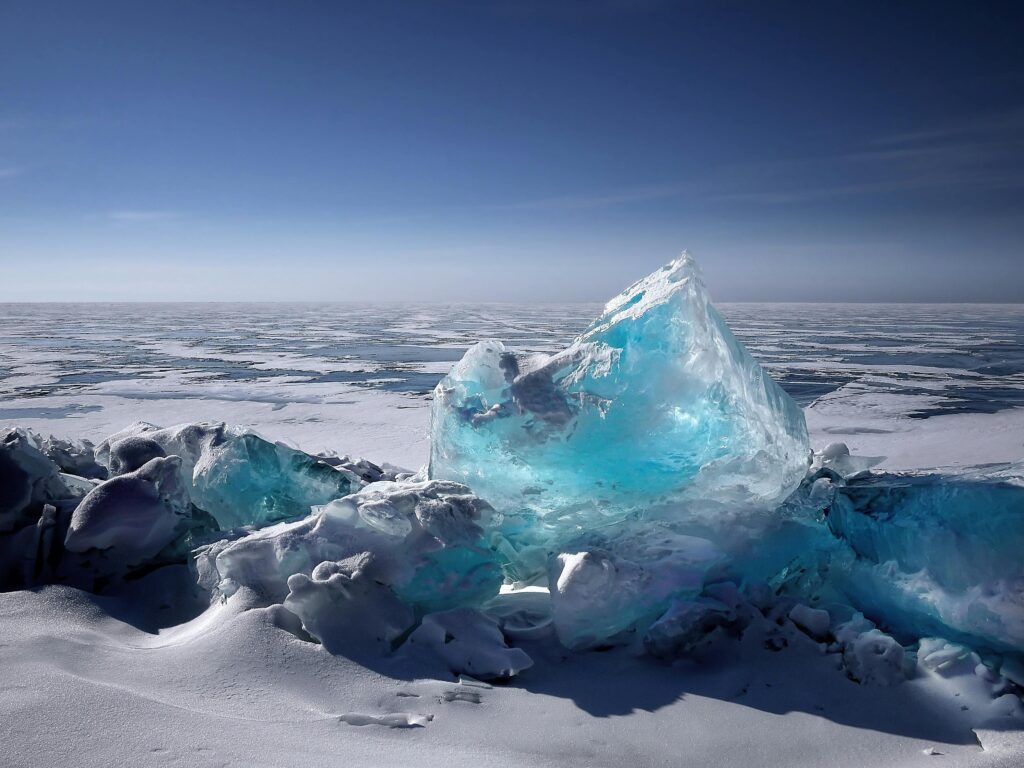
Located in Siberia, Russia, Lake Baikal is the deepest freshwater lake in the world, reaching depths of more than 1,600 meters (over 5,200 feet). It contains approximately 20% of the world’s unfrozen freshwater and is recognized as a UNESCO World Heritage Site.
The lake is renowned for:
- Exceptional water clarity
- Unique endemic wildlife, including the Baikal seal
- Ice diving and winter tourism
- Dramatic underwater rock formations
However, Baikal’s beauty masks extreme environmental conditions. Water temperatures remain dangerously cold year-round, often hovering near freezing even during summer months. Sudden weather changes, strong underwater currents, and limited visibility at greater depths make it a challenging environment for divers.
The Incident and Recovery Efforts
Following the disappearance of the seven Chinese tourists, search and rescue operations were launched involving professional divers and emergency response teams. Recovering bodies from Lake Baikal is particularly difficult due to:
- Extreme depths
- Low water temperatures
- Reduced underwater visibility
- Complex underwater terrain
Cold water significantly slows decomposition, which can affect buoyancy and complicate recovery. Rescue teams must often rely on specialized equipment and experienced deep-water divers to operate safely in such conditions.
Authorities continue to investigate the exact circumstances surrounding the tragedy. Early reports suggest the group may have been participating in organized diving or underwater tourism activities, but official conclusions regarding the cause remain pending.
The Risks of Deep-Water and Cold-Water Diving
Diving in Lake Baikal presents unique risks even for experienced divers. Some of the primary dangers include:
1. Hypothermia
Cold-water exposure can rapidly lower body temperature. Even with protective suits, prolonged immersion in near-freezing water increases the risk of hypothermia, which can impair judgment and physical ability.
2. Equipment Failure in Extreme Conditions
Cold temperatures can affect regulators and breathing systems, increasing the risk of mechanical malfunction.
3. Decompression Sickness
Deep dives require careful ascent planning. Rapid ascent can cause decompression sickness, a potentially fatal condition resulting from nitrogen bubbles forming in the bloodstream.
4. Limited Emergency Response
Remote locations around Lake Baikal can delay emergency medical care. In diving accidents, response time is critical.
5. Environmental Hazards
Strong currents, sudden weather shifts, and underwater obstacles add additional risk layers.
Growing Adventure Tourism in Remote Regions
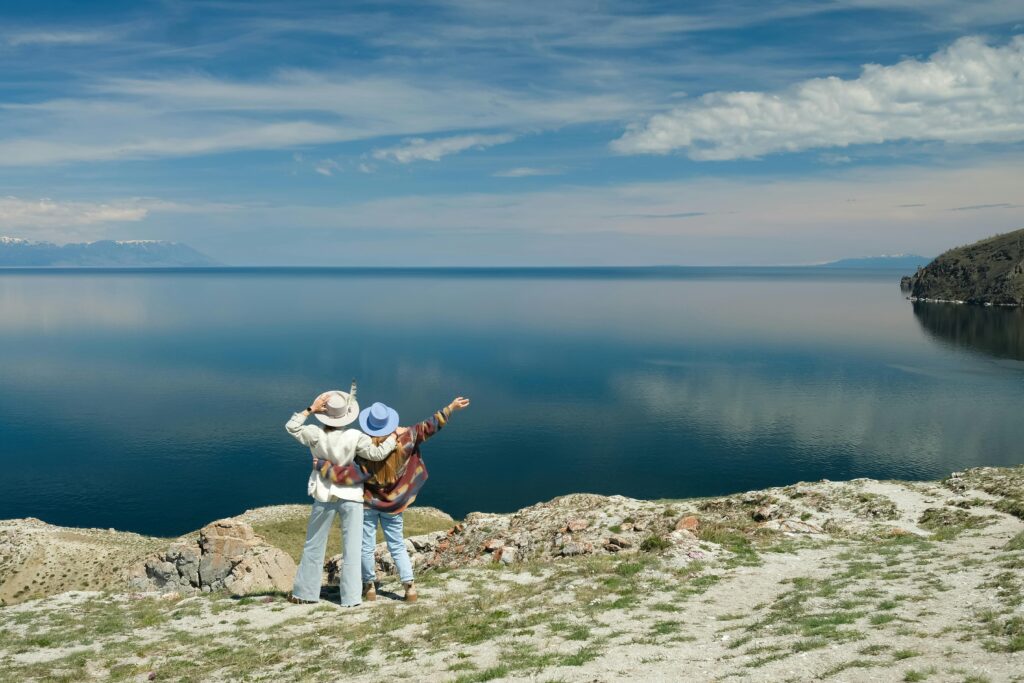
Lake Baikal has seen increasing international tourism, including visitors from China and other Asian countries. Adventure-based tourism — such as ice diving, scuba diving, snowmobiling, and remote wilderness exploration — has grown significantly in recent years.
While tourism contributes to local economies, rapid growth can strain infrastructure and raise safety concerns if:
- Operators lack proper certification
- Tour guides are inadequately trained
- Safety standards vary between providers
- Tourists underestimate environmental risks
This tragedy may prompt renewed scrutiny of licensing, supervision standards, and international safety coordination for foreign visitors.
International Response and Diplomatic Considerations
Incidents involving foreign nationals often require coordination between governments. In such cases, authorities typically work with embassies or consulates to:
- Identify victims
- Notify families
- Facilitate repatriation of remains
- Conduct joint investigations
The recovery of the seven tourists has drawn sympathy from both Russian and Chinese communities, underscoring the global nature of modern tourism.
Environmental and Psychological Challenges of Recovery Operations
Lake Baikal’s extreme depth and cold present unique psychological and operational challenges for rescue teams. Deep-water recovery missions can involve:
- Specialized dry suits and thermal protection
- Advanced underwater navigation systems
- Support divers stationed at staged depths
- Limited dive windows due to weather conditions
The emotional toll on divers and rescue personnel should not be underestimated, particularly when operations involve multiple fatalities.
Could This Have Been Prevented?
At this stage, it remains unclear what factors directly contributed to the tragedy. However, safety experts often emphasize the importance of:
- Strict dive planning and adherence to depth limits
- Thorough equipment checks
- Clear communication between divers and guides
- Monitoring weather and environmental conditions
- Ensuring all participants have appropriate certification and experience
Preventive education and regulation enforcement are key to minimizing risk in extreme tourism environments.
Frequently Asked Questions
Why is Lake Baikal considered dangerous for divers?
Lake Baikal combines extreme depth, freezing temperatures, unpredictable weather, and remote geography. These factors make diving there far more challenging than in typical recreational diving locations.
Was this an organized tour?
While reports indicate the tourists were participating in recreational activities, investigations are ongoing to determine whether the dive was formally organized and whether safety protocols were followed.
How difficult is it to recover bodies from such depths?
Recovery operations in deep, cold water require specialized equipment and trained divers. Cold temperatures slow decomposition, which affects buoyancy and complicates retrieval.
What is decompression sickness?
Decompression sickness occurs when dissolved gases form bubbles in the bloodstream due to rapid ascent from depth. It can cause paralysis, organ damage, or death if not treated quickly.
Are there regulations for diving tourism in Lake Baikal?
Russia has general safety and tourism regulations, but enforcement and oversight can vary depending on the operator and location.
How can tourists ensure safety when engaging in extreme activities abroad?
Travelers should:
- Verify operator certifications
- Confirm guide experience
- Ensure equipment quality
- Obtain travel and diving insurance
- Avoid activities beyond their skill level
- Research environmental conditions beforehand
Does Lake Baikal have a history of diving accidents?
Like many extreme natural environments, Lake Baikal has experienced occasional accidents, particularly related to ice conditions and deep-water activities. However, it remains a popular destination for experienced divers.
A Sobering Reminder
The loss of seven lives at Lake Baikal is a stark reminder that nature, especially in extreme environments, demands respect and preparation. As adventure tourism continues to expand globally, balancing exploration with safety oversight becomes increasingly important.
Lake Baikal remains one of Earth’s most extraordinary natural wonders — but its depth, cold, and remoteness mean that every expedition must be approached with caution, expertise, and rigorous safety standards.

Sources BBC

