
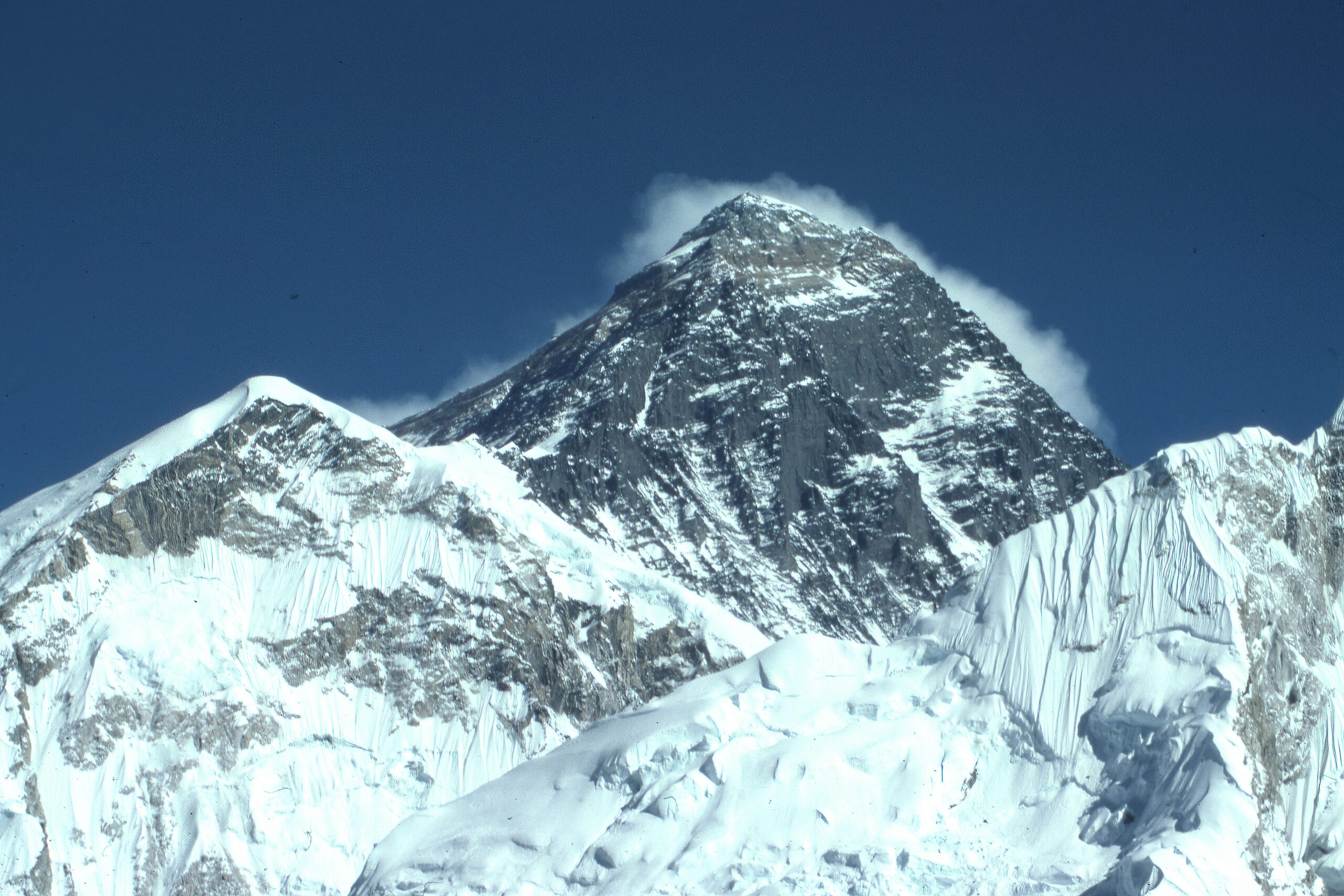
Two climbers—one from India and another from the Philippines—have died while descending Mount Everest, the world’s highest peak, in what’s becoming a growing concern during Nepal’s busy spring climbing season. The fatalities raise fresh questions about overcrowding, weather unpredictability, and safety standards on the Himalayan giant.
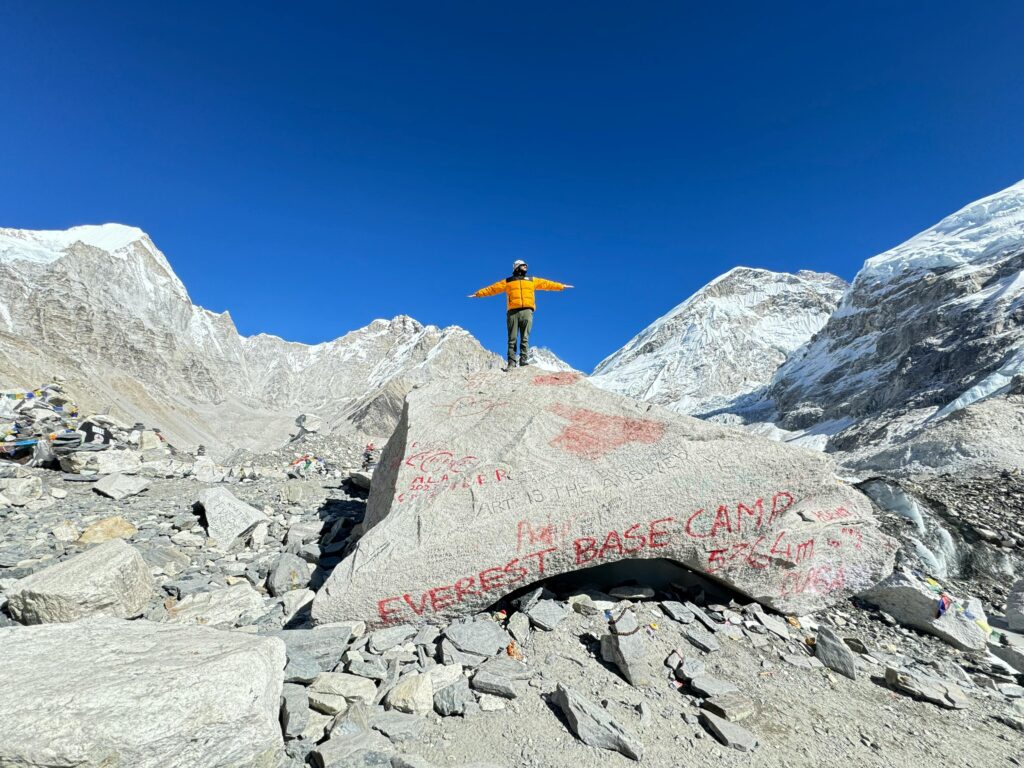
The Victims and Circumstances
- Indian climber: Reportedly died near the summit after developing high-altitude sickness. Despite support from Sherpas, the climber could not be revived during the descent.
- Filipino climber: Died while returning to Camp IV, potentially due to extreme exhaustion and a sudden change in weather. The body is yet to be recovered due to difficult terrain.
Both climbers had successfully summited Everest but collapsed while descending—a dangerous phase when fatigue and altitude-related issues peak.
Everest’s Deadly Season So Far
- As of mid-May 2025, at least four climbers have died on Everest during the spring climbing window.
- Nepal issued over 400 permits this season, each allowing climbers to attempt Everest with the support of local guides and Sherpas.
- Weather conditions on Everest remain volatile—windows for safe ascent are often narrow, leading to crowding on summit days.
The Risk Factors: More Than Just Altitude
- Overcrowding on the Summit Route
Traffic jams at the Hillary Step and narrow ridges can delay descents, increasing exposure to the “death zone” (above 8,000 meters) where oxygen levels are insufficient to sustain human life for long. - Weather Changes
Sudden snow squalls and high winds can trap climbers between camps, making even short descents treacherous. - Physical and Mental Fatigue
Even with oxygen support and guide assistance, descending after a 12–16 hour summit push can push climbers past the edge of survival.
Nepal’s Response and Rescue Operations
Nepalese authorities, including the Department of Tourism, have acknowledged the fatalities and are coordinating recovery missions. Helicopter support, typically used for emergency evacuations, has been grounded at times due to poor visibility.
Calls for Reform
Climbers and experts have renewed calls for stricter permit criteria, including:
- Mandatory high-altitude experience
- Medical fitness screening
- Limitations on daily summit attempts to reduce bottlenecks
Sherpa organizations are also asking for improved insurance, pay, and safety provisions for support staff.
Conclusion
These latest deaths are a stark reminder that while Everest may be more accessible than ever thanks to commercial expeditions, it remains one of Earth’s most extreme environments. For each flag planted at the top of the world, the cost is sometimes measured in human lives—and calls are growing louder to rethink how the world’s tallest mountain is managed.
Frequently Asked Questions (FAQs)
Q1: Why do so many climbers die during descent from Everest?
The descent is often more dangerous than the ascent due to exhaustion, altitude sickness, and deteriorating weather—all of which impair judgment and strength.
Q2: How many people climb Everest each year?
On average, 600–700 climbers reach the summit annually during the spring season (April–May), with a smaller number in autumn.
Q3: What permits are required to climb Everest?
Nepal issues climbing permits costing around $11,000 per climber, not including expedition costs which can exceed $40,000.
Q4: What are “traffic jams” on Everest?
On popular summit days, narrow paths near the top become congested, causing climbers to wait in freezing, oxygen-starved conditions—sometimes for hours.
Q5: Are reforms being made to make Everest safer?
Yes. Discussions continue about limiting permits, requiring proof of prior high-altitude climbs, and improving climber education and guide regulation.
Sources Reuters

