
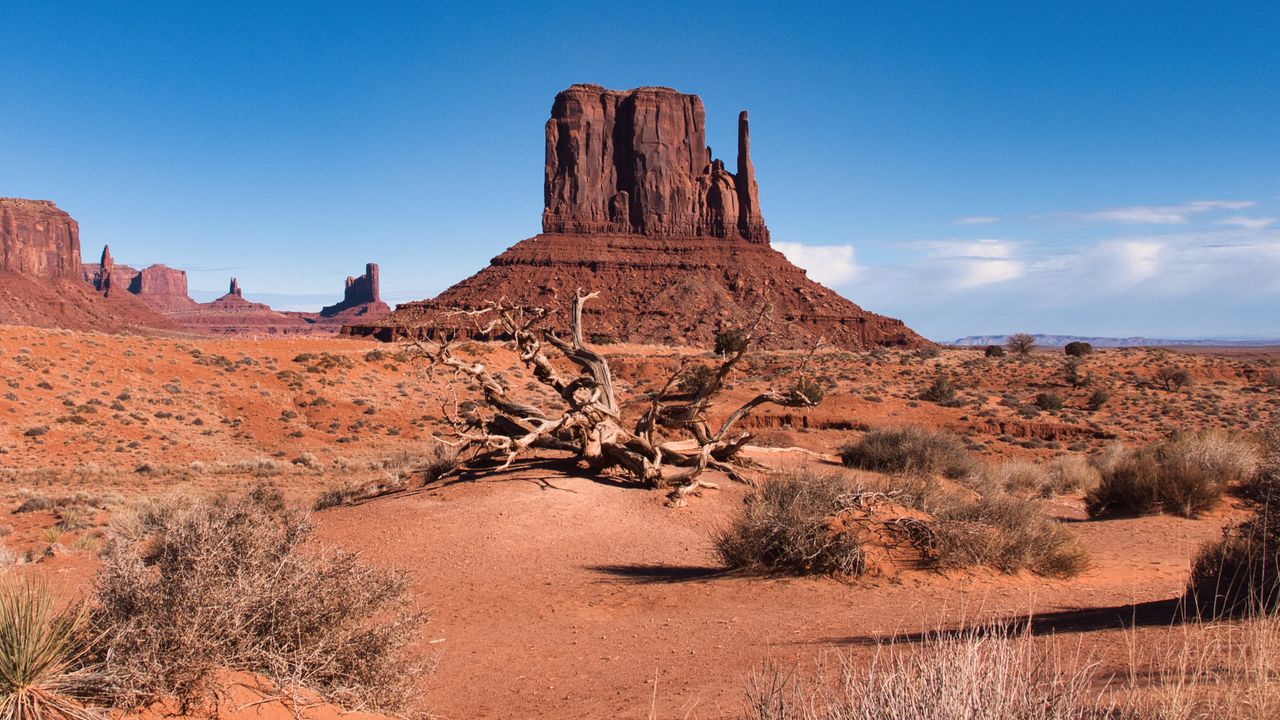
Tucson, Arizona, is entering one of the most important periods of its annual tourism calendar as the brutal summer heat begins to ease and the city prepares for a surge in visitors, festivals, sporting events and outdoor activities.
According to a September 18, 2026 report from KOLD/13 News, Visit Tucson and local officials are using the transition from monsoon season to cooler weather to rebuild tourism momentum after a softer 2025. Destination officials say September is something of a reset period, while October traditionally brings a significant increase in activity as temperatures become more comfortable and larger events return to the city.
The challenge for Tucson is therefore not simply attracting tourists. It is converting the cooler-season surge into sustained visitor spending across hotels, restaurants, retailers, sporting facilities, cultural attractions and locally owned businesses.
The coming months could be particularly important because Tucson has an unusually broad tourism portfolio. Visitors can come for baseball, cycling, food, Indigenous and Mexican-American culture, desert landscapes, festivals, arts, wellness, astronomy and major annual events. That diversification gives the city multiple ways to draw travelers rather than relying on a single attraction.
Why Tucson’s Tourism Season Changes So Dramatically
Tucson’s tourism rhythm is closely tied to its desert climate.
The National Weather Service’s 1991-2020 climate normals show an average September high of 95.1°F, falling to 86.3°F in October, 75.1°F in November and much cooler winter conditions afterward. September is also one of Tucson’s wetter months because of the summer monsoon, while October is considerably drier.
That shift has a direct effect on outdoor tourism.
During the hottest months, hiking and other outdoor activities can become uncomfortable or dangerous during the middle of the day. Saguaro National Park advises visitors to restrict summer outdoor activities to earlier or later hours when temperatures are extreme, while its current conditions information notes that winter daytime temperatures can range from the low 50s to the high 70s.
For Tucson’s tourism industry, cooler temperatures mean more opportunities to schedule outdoor festivals, athletic competitions, walking tours, cycling events and desert excursions.
This is one reason October is so important.
October Marks the Beginning of the Visitor Surge
Visit Tucson CEO Felipe Garcia told KOLD that September is generally a quieter period, in part because families are returning to school and facing back-to-school expenses. October, by contrast, brings cooler weather and larger events that help stimulate overnight visitation and spending.
The calendar immediately demonstrates why.
The Vamos A Tucson Mexican Baseball Fiesta is scheduled for October 1, 2026, at Kino Veterans Memorial Stadium. The event, which celebrates Mexican baseball traditions, has become an international cultural and sporting attraction for Tucson.
Tucson Meet Yourself follows from October 16-18. The free three-day folklife festival brings more than 500 artists, tradition bearers, musicians, dancers and cooks together to showcase the cultures and everyday traditions of the Greater Southwest.
This kind of event programming is significant for tourism because it gives people reasons to travel to Tucson during a period when the weather is becoming increasingly attractive.
Sports Tourism Is Becoming an Important Economic Strategy
One of the clearest themes in the KOLD report is Tucson’s increasing reliance on sports tourism.
Sarah Hanna, director of the Pima County Stadium District, said local soccer tournaments generate about $2 million in tourism dollars. Local officials are also investing in the visitor experience at Kino Veterans Memorial Stadium, including a new $400,000 sound system intended to make the venue more attractive for future events.
The strategy is bigger than one baseball game.
Kino Sports Complex’s 2026 calendar includes soccer, the Mexican Baseball Fiesta and an Arizona Fall League event, among other activities.
Sports tourism can be especially valuable because athletes frequently travel with family members, coaches and other supporters. A tournament therefore has the potential to create demand for hotel rooms, restaurants, transportation, retail purchases and other services beyond the stadium itself.
For a destination trying to fill gaps in its tourism calendar, these events can also be strategically useful because sporting competitions are scheduled in advance and can produce predictable visitor demand.
Tucson’s Tourism Economy Has Been Recovering From a 2025 Dip
The reason local officials are emphasizing marketing becomes clearer when looking at the recent performance of Tucson’s tourism sector.
Visit Tucson said visitation to Tucson and the United States weakened in 2025, contributing to lower hotel occupancy and softer hotel rates. KOLD reported that Tucson retail sales nonetheless increased by nearly 13% year over year, while hotel bookings fell nearly 9% and restaurants experienced about a 2% decline.
The numbers suggest an uneven tourism environment rather than a complete collapse in consumer activity.
Retail spending was stronger, but lodging demand was weaker. That distinction matters because overnight visitors generally generate a broader range of economic activity than day visitors.
A traveler who stays several nights may spend money on accommodations, restaurants, attractions, transportation and shopping. A local resident shopping in Tucson contributes to retail sales but does not necessarily create additional hotel demand.
That is why Visit Tucson is concentrating on filling gaps in the calendar with conferences, sporting events and other out-of-town attractions.
The Tucson Gem Show Shows How Powerful Events Can Be
Tucson already has evidence that major events can produce enormous economic effects.
The 2025 Tucson Gem, Mineral & Fossil Showcase generated approximately $286.3 million in direct spending, including $12.9 million in local tax revenue, according to an economic impact study cited by Visit Tucson.
The event’s influence has grown significantly over time. Visit Tucson says the 2025 study measured a 118% increase in direct spending compared with the $131.4 million recorded in the comparable 2019 study. The number of participating shows increased, vendors grew substantially, and the number of buyers rose sharply.
This makes the Gem Showcase an example of what Tucson’s tourism officials are trying to achieve more broadly: attracting visitors for a specific purpose and encouraging them to spend money throughout the local economy.
Although the Gem Show is primarily associated with the winter tourism season rather than the October kickoff, its economic performance demonstrates why event tourism is so central to Tucson’s strategy.
Tucson’s Fall Calendar Offers More Than Baseball
The city’s fall tourism appeal is built around a dense cultural calendar.
After the Mexican Baseball Fiesta and Tucson Meet Yourself, the All Souls Procession becomes one of the largest visitor draws of the season. Visit Tucson says more than 150,000 people gather for the two-mile, human-powered procession, with the 2026 weekend scheduled for November 6-8.
The event blends remembrance, art, music, performance and community traditions into a distinctive Tucson experience.
DUSK X, Tucson’s two-day music, art and culinary festival, is scheduled for November 13-14, while El Tour de Tucson takes place November 21. Visit Tucson says the cycling event can attract as many as 9,000 riders.
The Fourth Avenue Street Fair is scheduled for December 11-13, followed by the Tucson Marathon on December 13. The Snoop Dogg Arizona Bowl is also scheduled for December 2026.
Collectively, these events help transform Tucson’s tourism season from a simple weather-driven recovery into a multi-month sequence of visitor opportunities.
Cultural Tourism Is One of Tucson’s Strongest Advantages
Tucson is also trying to differentiate itself through culture rather than competing solely on price.
The city’s arts and cultural economy is substantial. A City of Tucson State of Culture report found that Tucson’s broader arts and cultural economy supports approximately 52,000 jobs and generates around $8.4 billion in business revenue. Cultural tourism itself produces approximately $432 million in annual out-of-town visitor spending.
That spending reaches beyond museums and theaters. Cultural travelers purchase food, transportation, lodging, recreation and retail goods.
Food is particularly important.
Tucson was designated a UNESCO Creative City of Gastronomy in 2015, becoming the first U.S. city to receive the designation. Visit Tucson connects the city’s culinary identity to thousands of years of agricultural and Indigenous food traditions, including tepary beans, chiles, squash and other native ingredients.
That gives the city another tool for attracting visitors who are increasingly interested in local food, regional history and cultural experiences.
Outdoor Tourism Remains at the Center of the Tucson Experience
Despite the increasing emphasis on events, the natural environment remains one of Tucson’s defining tourism assets.
Saguaro National Park surrounds the city in two separate districts: the Rincon Mountain District east of Tucson and the Tucson Mountain District to the west. The park provides hiking, scenic drives, desert photography, wildlife viewing and cycling opportunities.
Current National Park Service information lists roads, picnic areas and trails as open in the eastern district and provides ongoing visitor information for both sides of the park.
The park also provides a practical reminder that Tucson tourism depends on responsible interaction with the desert.
Visitors should carry sufficient water, use sun protection, stay on designated trails and watch weather conditions. Monsoon season runs through September, and thunderstorms can create flash-flood hazards in washes and canyons.
The National Park Service specifically warns visitors not to cross flooded roads and advises people to avoid canyons and washes when thunderstorms are occurring nearby.
This is particularly relevant during the transition from September into October, when the monsoon season is ending but weather-related hazards have not necessarily disappeared overnight.
A Visitor Boom Also Requires Better Visitor Management
Attracting more tourists is beneficial to local businesses, but it also creates a management challenge.
Tucson has to balance tourism growth with the quality of life of residents, infrastructure needs, environmental protection and the preservation of cultural assets.
Saguaro National Park already demonstrates how visitor-management issues can affect operations. The National Park Service says a parking lot improvement project in the eastern district is expected to affect visitor-center and loop-drive access through the end of 2026.
Visitors therefore need to check current park conditions rather than assuming every attraction will operate exactly as it did in previous years.
The same principle applies to major festivals. Large events can create temporary congestion, higher lodging demand and increased pressure on restaurants and transportation networks.
For tourism officials, the goal is not merely to maximize the number of people entering the region. It is to maximize the economic value of visitors while maintaining an appealing destination.
Hotel Value Could Be Part of Tucson’s Pitch
Another point emphasized by Visit Tucson is the relative affordability of Tucson accommodations.
Garcia told KOLD that local officials are trying to communicate the value offered by Tucson hotels compared with other destinations.
That message could become increasingly important as travelers remain sensitive to accommodation and transportation costs.
Visit Tucson’s research page lists 151 hotel properties in metro Tucson, with approximately 15,319 rooms.
A sizable hotel inventory gives the destination room to accommodate major events, conferences and seasonal visitors, although demand can still become highly concentrated around the biggest festivals.
Travelers planning to visit during All Souls, Tucson Meet Yourself, major sporting competitions or other high-profile weekends may therefore benefit from booking accommodation well ahead of time.
Tucson’s Transportation Network Also Matters
The airport is a key part of the destination’s ability to attract travelers from outside southern Arizona.
Tucson International Airport handled approximately 3.92 million passengers during fiscal 2025, according to airport traffic statistics, continuing the post-pandemic recovery and slightly exceeding the 2024 figure.
That provides an important foundation for the tourism rebound.
For travelers, however, the best transportation option depends on the itinerary. Tucson is spread across a large metropolitan area, and many desert attractions are easier to access by car. Visitors staying around downtown can also take advantage of the city’s urban amenities and public transportation options.
That combination allows Tucson to serve several different tourism styles, from road-trip visitors exploring Southern Arizona to conference travelers staying near downtown and outdoor tourists heading toward the national park.
Tourism Marketing Is Becoming More Important
Visit Tucson is the official destination marketing organization for the City of Tucson and Pima County. Its role includes attracting leisure travelers, meetings, sports events, group tours and media attention to the region. The organization says overnight tourism creates direct spending and tax revenue that contributes to public services and infrastructure.
The organization also reports that every $1 invested in Visit Tucson generates $24 for the metro Tucson region, illustrating why destination marketing has become an important part of local economic development.
The current emphasis on marketing is therefore not simply about advertising a vacation destination.
It is an economic strategy aimed at influencing when people travel, why they travel and how long they stay.
A visitor arriving for a concert who stays two nights, eats at several local restaurants and visits Saguaro National Park has a different economic impact from someone attending an event for a few hours and immediately leaving town.
The Future May Depend on Extending the Tourism Season
Tucson officials appear to be pursuing a broader tourism model in which different products support each other throughout the year.
The fall brings pleasant weather and cultural festivals. Winter adds outdoor recreation, major conventions and the world-famous Gem Showcase. Spring provides additional opportunities for hiking, cycling, baseball and other outdoor events.
That creates the possibility of a more balanced tourism economy.
Rather than relying on one peak weekend or one spectacular event, Tucson can build a chain of reasons to visit across several months.
This is particularly important following the hotel and restaurant softness reported in 2025. The city does not necessarily need every visitor to arrive at exactly the same time. It needs enough visitors across the calendar to keep businesses operating consistently.
What Travelers Should Expect During Tucson’s 2026-27 Tourism Season
For visitors, the upcoming season could be one of the most attractive times to experience Tucson.
The weather becomes much more comfortable for hiking and sightseeing, the cultural calendar becomes extremely active, and major events are scheduled from October through December.
At the same time, travelers should not assume that Tucson is simply a cooler version of a conventional urban destination.
The city remains closely connected to the Sonoran Desert. Weather can change quickly, outdoor attractions have their own rules and operating conditions, and distances between neighborhoods and attractions can be substantial.
Travelers who plan around the weather, reserve accommodations around major events and allow time for both cultural and outdoor experiences are more likely to see why Tucson is trying to position itself as a year-round destination rather than simply a winter escape.
For local businesses, the hope is that this year’s surge will do more than reverse a temporary dip.
It could help establish a stronger foundation for tourism growth in the years ahead.
5 Frequently Asked Questions About Tucson’s Peak Tourism Season
1. When is Tucson’s peak tourism season?
Tucson’s busiest and most tourism-friendly period generally begins as the extreme summer heat fades, with October serving as an important transition point. Cooler temperatures continue through the fall and winter, making outdoor activities and major events more attractive. KOLD reports that local officials expect tourism activity to rise sharply in October.
2. What major Tucson events are happening in fall 2026?
The 2026 calendar includes the Vamos A Tucson Mexican Baseball Fiesta on October 1, Tucson Meet Yourself on October 16-18, the All Souls Procession weekend on November 6-8, DUSK X on November 13-14 and El Tour de Tucson on November 21. December includes the Fourth Avenue Street Fair, Tucson Marathon and the Snoop Dogg Arizona Bowl.
3. Is Tucson good for outdoor activities in the fall?
Yes. October and November offer considerably more comfortable temperatures than the summer months, although desert conditions still require preparation. Saguaro National Park provides hiking, scenic drives and cycling, but visitors should bring water, monitor weather and take flash-flood warnings seriously during the monsoon transition.
4. How much does it cost to visit Saguaro National Park?
The current standard entrance fee is $25 per private vehicle, $20 per motorcycle or $15 per person entering by bicycle or on foot. The pass is valid for seven days and covers both park districts. The park is cashless and accepts debit or credit cards for in-person payments.
5. Why is tourism so important to Tucson’s economy?
Tourism supports hotels, restaurants, retail, transportation, sports venues and cultural organizations. Major events can have particularly large economic effects. For example, the 2025 Tucson Gem, Mineral & Fossil Showcase generated about $286.3 million in direct spending, while Tucson’s broader cultural tourism economy generates approximately $432 million in annual out-of-town visitor spending.
Tucson’s upcoming peak tourism season is therefore about much more than escaping the summer heat. Cooler weather is arriving at precisely the same time that the city is deploying a packed calendar of festivals, sporting events, cultural celebrations and outdoor experiences. For local officials, the objective is to convert that seasonal advantage into sustained economic activity. For travelers, it creates an opportunity to experience Tucson at a time when the city’s desert environment, food culture and community events are all working together to define the destination.
Sources KOLD