
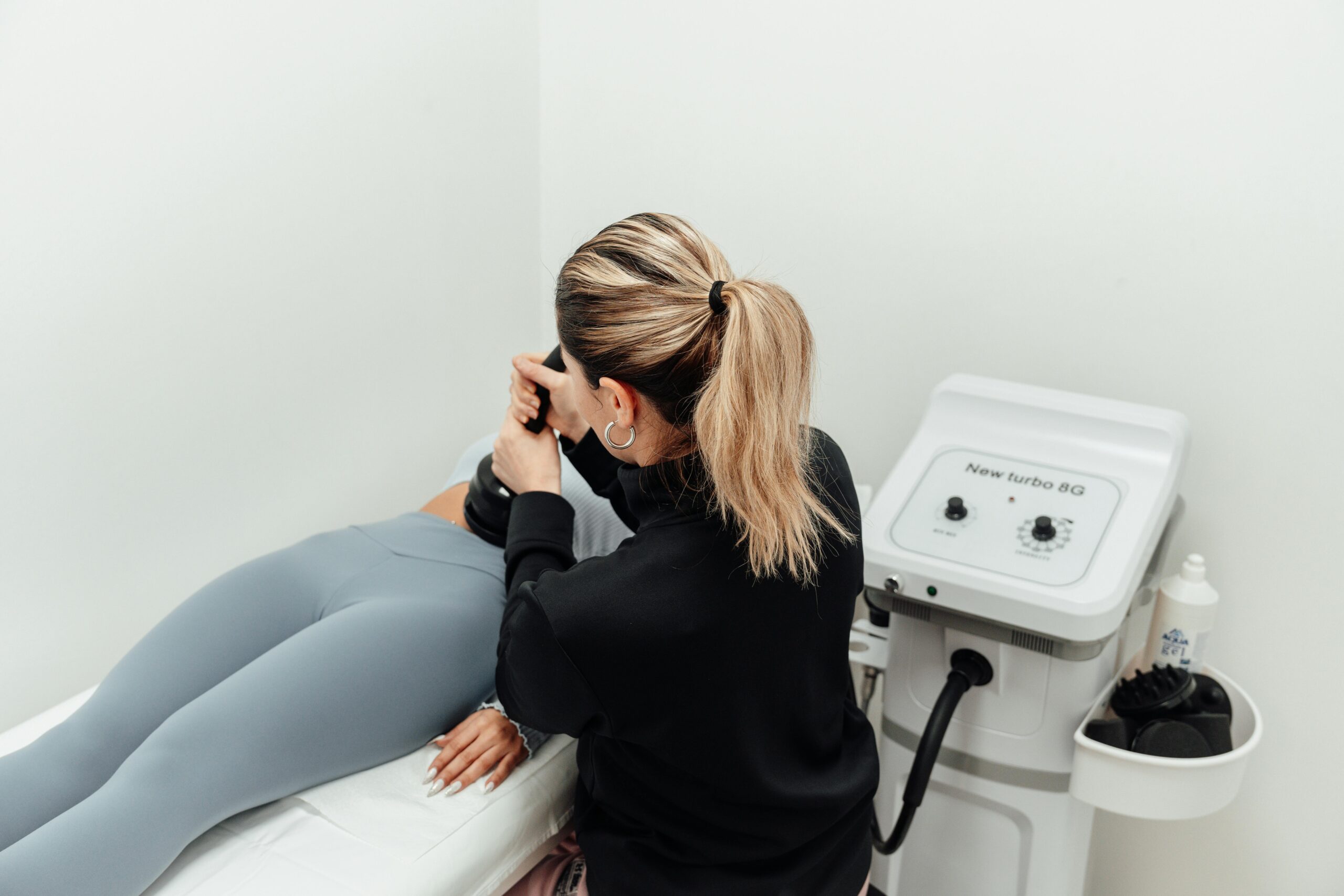
Over the past decade, Turkey has emerged as a global powerhouse in medical tourism, drawing patients from across Europe, the Middle East, Africa, and increasingly North America and Asia. What began as a niche travel segment has expanded into a major economic sector, blending world‑class healthcare, affordability, and tourism appeal — and the country is gearing up for another record year in 2026.
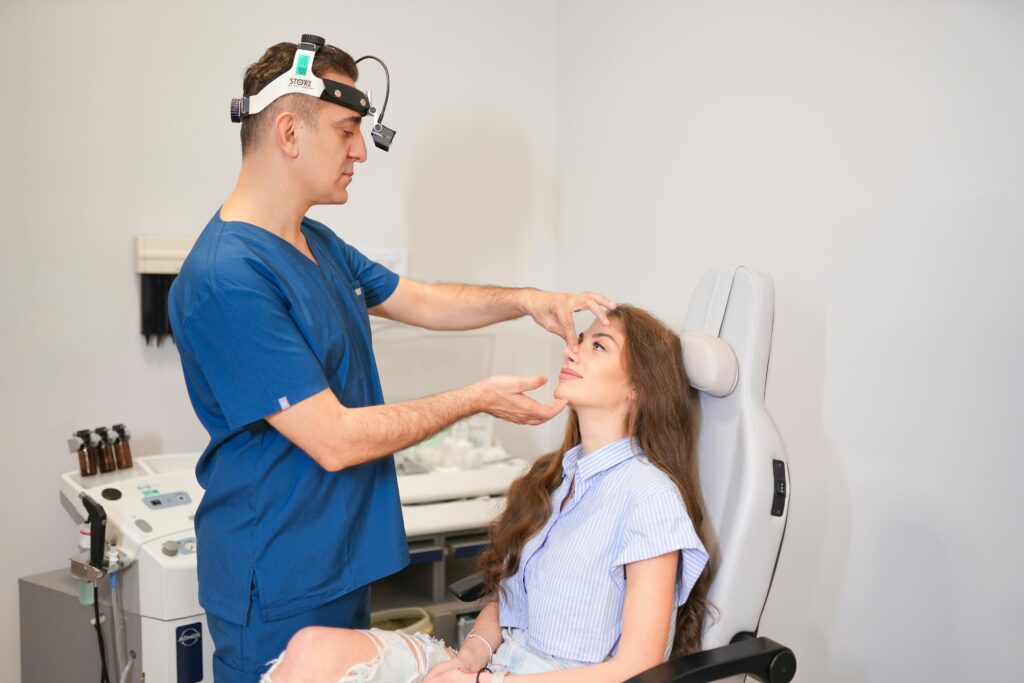
The Rise of Turkey as a Medical Tourism Hub
In the mid‑2010s, Turkey began investing heavily in healthcare infrastructure, private hospital development, and international patient services. Today, the country stands out as one of the most attractive medical destinations globally due to:
1. Affordability Without Compromising Quality
Medical procedures in Turkey are significantly cheaper than in Western Europe, North America, and many Middle Eastern nations — often 40–70% less even though care quality can be comparable. This price gap is a major driver of international demand, especially for elective and cosmetic procedures.
2. World‑Class Healthcare and Accredited Facilities
Turkey hosts dozens of Joint Commission International (JCI) accredited hospitals and clinics, ensuring adherence to high international standards for patient safety, hygiene, and clinical care. Its medical professionals often train in or partner with institutions across Europe and the U.S., enhancing global trust in the system.
3. Strategic Geographic Advantage
Positioned at the crossroads of Europe and Asia, Turkey is easily accessible with major international airports such as Istanbul Airport serving as hubs connecting multiple continents. This accessibility shortens travel time and simplifies logistics for medical tourists.
4. Integration of Healthcare and Tourism
Turkey has successfully combined medical treatment with leisure and recovery experiences. Alongside clinical care, many patients enjoy cultural sites, coastal resorts, wellness retreats, rich cuisine, and unique historical landmarks, making the overall experience more appealing.
Sector Growth: What the Numbers Reveal
Turkey’s medical tourism sector has experienced striking growth:
- The number of international health tourists climbed rapidly from under a million in the early 2020s to an estimated 1.5–2 million annually by 2024–2025.
- Revenue from medical tourism is now measured in billions of dollars, with projections ranging from $7–$15 billion by 2030, depending on methodology.
- Some forecasts suggest the market could reach well above $10 billion by 2032 under sustained growth and expanded services.
These figures reflect not only cosmetic surgery and dental tourism, but also orthopedics, ophthalmology, fertility treatments, advanced surgeries, and other specialties.
Government Role and Regulatory Framework
To support the sector’s development, the Turkish government has implemented new regulatory frameworks, streamlined visa procedures like e‑visas for medical tourists, and encouraged public‑private partnerships. Regulatory reforms in 2025 strengthened service quality standards and digital oversight of providers catering to international patients, enhancing safety and patient confidence.
These reforms aim to standardize services, prioritize patient safety, and ensure transparent pricing — making Turkey more competitive and trustworthy on the global stage.

Popular Procedures and Services
Turkey’s medical tourism market is diverse, but a few categories stand out:
1. Cosmetic and Aesthetic Procedures
Procedures like hair transplants, rhinoplasty, breast augmentation, and liposuction remain among the most sought‑after services for international patients. High‑quality results at lower costs amplify Turkey’s appeal.
2. Dental Tourism
Many patients travel for dental implants, veneers, crowns, and even full mouth reconstructions, with savings often exceeding 60% compared to similar procedures in the U.S. and Western Europe.
3. Orthopedic and Specialized Surgeries
The country also attracts patients for joint replacements, spine surgeries, sports medicine, and ophthalmic procedures, benefiting from modern hospitals and experienced surgeons.
Beyond Healthcare: Recovery and Wellness Tourism
Medical tourism in Turkey often blends treatment with recovery in supportive environments. Cities like Antalya, Bodrum, and Izmir offer warm climates, luxury resorts, and wellness services — including physiotherapy, spa treatments, and guided rehabilitation programs — creating a unique medical + leisure experience that many patients value.
Challenges and Considerations
While the sector’s growth is impressive, it is not without risks and challenges:
1. Safety and Quality Assurance
Although many clinics maintain high standards, isolated incidents have raised concerns. Prospective patients should thoroughly research providers and confirm international accreditations.
2. Aftercare and Follow‑Up
Ensuring quality post‑procedure care — especially once patients return home — is essential. Transparent follow‑up plans and coordination with local healthcare providers can mitigate complications.
3. Regulatory Consistency
As the sector rapidly expands, consistent enforcement of regulations and quality standards is critical to maintain international confidence.
Medical Tourism in 2026 and Beyond
As Turkey’s medical tourism sector enters 2026, several trends are shaping the future:
- Projected increase in international patient numbers, possibly surpassing 2 million annually.
- Digital health and telemedicine advancements, making pre‑procedure consultations and post‑care support more accessible.
- Expansion into new markets — including Western Europe and North America — as Turkey’s reputation continues to grow.
- Stronger integration of wellness and tourism, enhancing the overall patient experience and lengthening stays.
Frequently Asked Questions (FAQs)
1. Why is Turkey a leading destination for medical tourism?
Turkey combines high‑quality medical care, affordable costs, internationally accredited facilities, and tourism infrastructure, making it attractive to patients globally.
2. How many medical tourists visit Turkey annually?
Estimates suggest 1.5–2 million international patients visit Turkey each year for medical procedures, with numbers expected to grow further in 2026.
3. What types of treatments do people seek in Turkey?
Popular procedures include cosmetic surgery, dental treatments, hair transplants, orthopedics, eye care, and other specialized surgical and non‑surgical services.
4. Are medical procedures in Turkey safe?
Many Turkish hospitals and clinics are internationally accredited and uphold strict safety standards, but as with any medical destination, patients should research facilities, verify credentials, and plan follow‑up care.
5. Does Turkey provide good options for post‑treatment recovery?
Yes — the country’s tourism sector supports recovery with wellness services, comfortable accommodation, and scenic locales ideal for recuperation.
Conclusion
Turkey’s medical tourism industry has transformed from a regional player to one of the world’s leading destinations, offering affordable, high‑quality healthcare integrated with global travel experiences. As it heads into 2026, the sector’s growth, strategic government support, and forward‑thinking innovation make Turkey not just a destination for treatment but a model for the future of health‑integrated tourism.

Sources USA Today

