
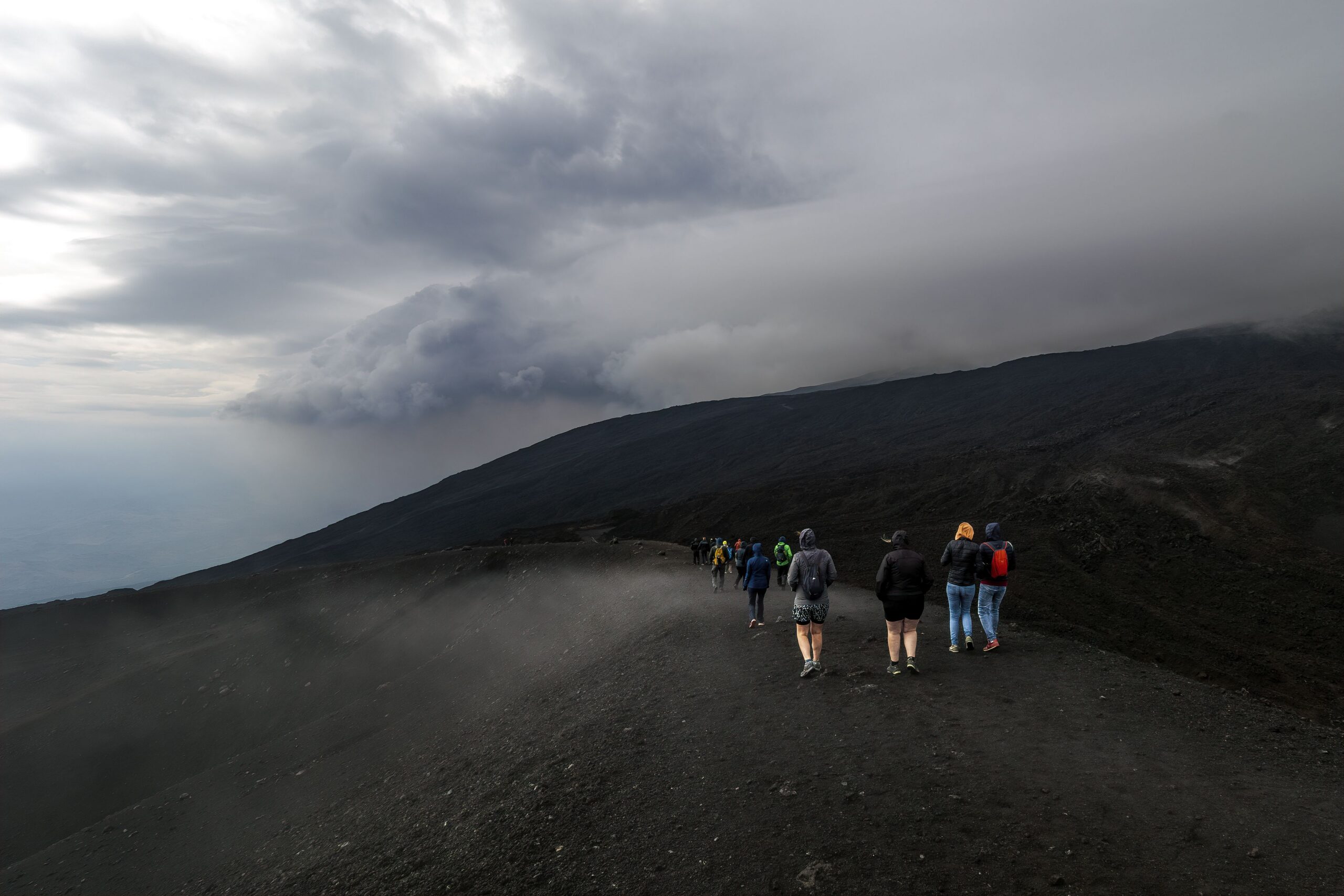
Powerful typhoons, devastating floods, and active volcanoes have always captured the world’s attention. In recent years, dramatic images of these natural events have spread rapidly through global media and social platforms, reminding people of nature’s immense power while also sparking curiosity about some of Earth’s most extraordinary landscapes.
For many travelers, destinations shaped by volcanoes, dramatic coastlines, and unique geological features offer unforgettable experiences. However, increasing climate-related disasters have raised new questions about safety, environmental responsibility, and the ethics of visiting areas recovering from natural catastrophes.
As climate change influences weather patterns and extreme events become more frequent in many regions, governments, scientists, tourism operators, and travelers are rethinking how tourism should coexist with environmental risks. The challenge is no longer simply attracting visitors—it is ensuring that tourism remains safe, sustainable, and respectful of local communities.
Understanding Nature’s Most Powerful Forces
Earth constantly changes through geological and atmospheric processes.
Some of the most significant natural events include:
- Typhoons
- Hurricanes
- Cyclones
- Floods
- Volcanic eruptions
- Earthquakes
- Landslides
- Storm surges
Although these events differ in origin, each has the potential to reshape landscapes, ecosystems, and communities.
What Causes Typhoons?
Typhoons are powerful tropical storms that develop over warm ocean waters in the western Pacific.
They require:
- Warm sea surface temperatures
- Moist air
- Low vertical wind shear
- Atmospheric instability
As ocean temperatures rise, storms may gain additional energy, although scientists continue studying the complex relationship between climate change and tropical cyclone intensity.
Typhoons often bring:
- Strong winds
- Heavy rainfall
- Coastal flooding
- Storm surges
- Infrastructure damage
Why Flooding Is Becoming More Frequent
Flooding remains one of the world’s most common natural disasters.
Contributing factors include:
- Intense rainfall
- River overflow
- Urban development
- Poor drainage
- Deforestation
- Sea level rise
Rapid urbanization has increased flood risk in many cities because paved surfaces reduce the land’s ability to absorb rainwater.
Climate scientists also observe that a warmer atmosphere can hold more moisture, increasing the likelihood of heavier rainfall events in many regions.
Volcanoes Continue to Fascinate Travelers
Volcanoes have become increasingly popular tourist destinations.
Visitors are attracted by:
- Lava landscapes
- Crater lakes
- Geothermal springs
- Volcanic hiking trails
- Unique ecosystems
- Scientific interest
Many active volcanoes safely welcome tourists under carefully monitored conditions.
Local authorities regularly evaluate volcanic activity before allowing public access.
What Is Volcano Tourism?
Volcano tourism involves visiting volcanic landscapes for recreation, education, photography, and scientific interest.
Popular activities include:
- Guided hikes
- Observation platforms
- National park visits
- Geological tours
- Hot spring experiences
- Cultural heritage exploration
Responsible volcano tourism always prioritizes safety and follows guidance from local authorities.
The Rise of Disaster Tourism
Some travelers intentionally visit areas affected by natural disasters.
Known as disaster tourism or dark tourism, this practice remains controversial.
Potential motivations include:
- Education
- Historical understanding
- Scientific curiosity
- Supporting local recovery
- Personal reflection
However, poorly managed visits can interfere with emergency operations or exploit communities recovering from tragedy.
Responsible disaster tourism emphasizes respect, education, and local economic recovery rather than sensationalism.
Climate Change Is Influencing Tourism
Climate change affects tourism in multiple ways.
Examples include:
- Changing weather patterns
- Rising sea levels
- Coral bleaching
- Glacier retreat
- Increased wildfire risk
- More extreme rainfall
- Longer heatwaves
Destinations must increasingly adapt their infrastructure and emergency planning to these evolving conditions.

Emergency Preparedness Matters
Travelers visiting regions vulnerable to natural hazards should prepare before departure.
Important steps include:
- Monitoring weather forecasts
- Registering with travel advisories
- Purchasing travel insurance
- Learning local evacuation routes
- Following official guidance
- Keeping emergency supplies
Preparation can significantly improve traveler safety.
Technology Is Improving Disaster Monitoring
Advances in technology help authorities respond more effectively.
Modern systems include:
- Satellite monitoring
- Weather radar
- AI forecasting
- Drone inspections
- Seismic sensors
- Flood prediction models
- Early warning alerts
Artificial intelligence increasingly assists scientists by analyzing enormous environmental datasets and improving forecasting accuracy.
Tourism Supports Recovery
After disasters, tourism can become an important source of economic recovery.
Responsible visitors may help support:
- Hotels
- Restaurants
- Local guides
- Transportation providers
- Small businesses
- Cultural attractions
However, recovery tourism should only occur when destinations are considered safe and local authorities welcome visitors.
Building Climate-Resilient Tourism
Governments and tourism operators are investing in resilience through:
- Stronger infrastructure
- Coastal protection
- Flood-resistant construction
- Early warning systems
- Emergency evacuation planning
- Environmental conservation
Climate adaptation is becoming an essential part of tourism planning worldwide.
Responsible Travelers Make a Difference
Visitors can contribute positively by:
- Respecting restricted areas
- Supporting local businesses
- Following safety instructions
- Avoiding environmentally sensitive sites
- Reducing waste
- Choosing sustainable accommodations
Responsible behavior benefits both destinations and local communities.
Artificial Intelligence Is Transforming Tourism Safety
AI applications continue expanding across tourism.
Potential uses include:
- Real-time hazard alerts
- Dynamic evacuation planning
- Visitor tracking during emergencies
- Weather prediction
- Infrastructure monitoring
- Personalized travel advisories
Combined with satellite technology, AI may significantly improve disaster preparedness over the coming decade.
The Future of Adventure Tourism
Interest in nature-based tourism continues growing.
Emerging sectors include:
- Volcano tourism
- Geotourism
- Wildlife tourism
- Eco-tourism
- Scientific tourism
- Climate education travel
As demand grows, balancing adventure with environmental responsibility will become increasingly important.
Lessons from Natural Disasters
Natural disasters remind us that tourism depends on healthy ecosystems and resilient communities.
Long-term success requires cooperation among:
- Governments
- Scientists
- Tourism operators
- Emergency services
- Local residents
- Travelers
Sustainable planning can reduce risks while protecting natural and cultural resources.
Conclusion
Typhoons, floods, and volcanic activity are powerful reminders of Earth’s constantly changing environment. While these natural phenomena attract scientific interest and, in some cases, adventurous travelers, they also present serious challenges for communities, infrastructure, and the global tourism industry.
As climate change influences weather patterns and technological advances improve disaster forecasting, tourism is entering a new era in which resilience, sustainability, and preparedness are becoming just as important as destination appeal.
Responsible tourism is not simply about visiting remarkable places—it is about respecting local communities, understanding environmental risks, and supporting destinations in ways that contribute to long-term recovery and conservation. By combining scientific knowledge, modern technology, and thoughtful travel practices, people can continue exploring some of the world’s most extraordinary natural landscapes while helping preserve them for future generations.
Frequently Asked Questions (FAQs)
1. Is it safe to visit active volcanoes?
Many active volcanoes are open to visitors under carefully monitored conditions. Travelers should always follow official guidance, stay within designated areas, and monitor local volcanic activity updates.
2. How does climate change affect tourism?
Climate change influences tourism through stronger storms, rising sea levels, heatwaves, flooding, wildfires, glacier loss, and changing ecosystems, requiring destinations to improve resilience and adaptation.
3. What is disaster tourism?
Disaster tourism involves visiting locations affected by natural or human-made disasters for educational, historical, or personal reasons. Responsible visits should respect local communities and avoid interfering with recovery efforts.
4. How can travelers prepare for destinations vulnerable to natural disasters?
Travelers should monitor weather forecasts, purchase comprehensive travel insurance, understand emergency procedures, follow official advisories, and remain flexible with travel plans.
5. How is artificial intelligence improving disaster preparedness?
AI helps analyze weather data, monitor volcanic activity, predict floods, improve early warning systems, support emergency planning, and provide real-time safety information to authorities and travelers.
Sources The Guardian

