

Tourism has long been one of the world’s most powerful economic engines, connecting people, cultures, and markets across borders. In the Asia-Pacific region, tourism is particularly significant, supporting millions of jobs, generating hundreds of billions of dollars in economic activity, and serving as a vital source of development for both advanced and emerging economies.
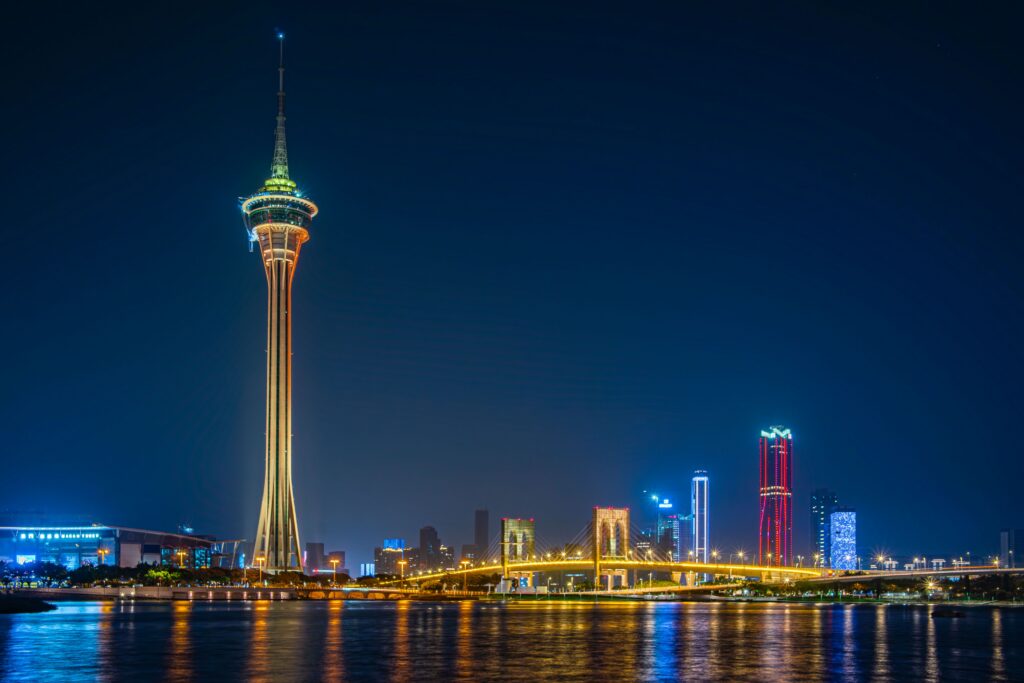
Against this backdrop, representatives from the 21 member economies of the Asia-Pacific Economic Cooperation (APEC) forum gathered in Macau Special Administrative Region (SAR) in June 2026 for the 13th APEC Tourism Ministerial Meeting and the 67th APEC Tourism Working Group Meeting. The gathering provided an opportunity for governments to discuss tourism recovery, sustainability, digital innovation, workforce development, and regional cooperation.
The United States participated in the ministerial process while emphasizing the importance of open tourism markets, innovation, and people-to-people exchanges as drivers of economic growth and regional stability.
What Is APEC?
The Asia-Pacific Economic Cooperation forum is one of the world’s most influential regional economic organizations.
Founded in 1989, APEC includes 21 member economies spanning Asia, Oceania, North America, and South America. Together, APEC economies account for a substantial share of global GDP, international trade, and international tourism activity.
Its members include major tourism destinations such as:
- United States
- China
- Japan
- South Korea
- Australia
- Canada
- Mexico
- Thailand
- Singapore
- Malaysia
- Indonesia
- Peru
- Chile
Rather than functioning as a treaty-based organization, APEC operates through voluntary cooperation and consensus-building, allowing members to collaborate on shared economic challenges while respecting national sovereignty.
Why Tourism Matters to APEC
Tourism is not merely a leisure activity.
It contributes to:
- Economic growth
- Employment creation
- Small business development
- Cultural exchange
- Foreign investment
- Regional connectivity
Before the pandemic, tourism accounted for a significant percentage of GDP in several APEC economies. Many destinations across Southeast Asia, the Pacific Islands, and North America continue to rely heavily on tourism-related industries.
The tourism sector also has a multiplier effect, benefiting:
- Airlines
- Hotels
- Restaurants
- Retail businesses
- Transportation providers
- Event organizers
- Technology companies
As international travel rebounds, tourism policy has become an increasingly important topic within APEC discussions.
Why Macau Hosted the 2026 Tourism Ministerial Meeting
Macau was selected as the venue for the 13th APEC Tourism Ministerial Meeting as part of China’s hosting responsibilities for APEC 2026. The meeting marked the return of the event to Macau, which previously hosted the tourism ministerial gathering in 2014.
The event was held from June 24 to June 28, 2026, bringing together tourism ministers, senior officials, industry representatives, and policy experts from across the Asia-Pacific region.
For Macau, hosting the event served several strategic objectives:
- Showcasing its convention and tourism capabilities
- Promoting international cooperation
- Strengthening its position as a tourism and leisure hub
- Highlighting cultural exchange between East and West
- Supporting broader regional economic integration
More than 200 participants were expected to attend the ministerial and related meetings.
Key Issues Discussed at the Meeting
1. Sustainable Tourism Development
One of the most pressing challenges facing global tourism is balancing visitor growth with environmental protection.
Popular destinations increasingly face issues such as:
- Overtourism
- Resource depletion
- Environmental degradation
- Cultural preservation concerns
APEC economies are exploring ways to promote sustainable tourism that supports economic development without compromising local communities or ecosystems.
Strategies include:
- Visitor management systems
- Sustainable infrastructure
- Green transportation
- Responsible tourism education
- Conservation-focused travel initiatives
2. Digital Transformation of Tourism
Technology is reshaping nearly every aspect of travel.
Topics discussed by policymakers increasingly include:
- Digital visas
- Smart tourism platforms
- AI-powered travel services
- Digital identity systems
- Contactless travel technologies
- Tourism data analytics
Artificial intelligence, in particular, is expected to play a growing role in trip planning, language translation, customer service, and destination management.

3. Workforce Development
The tourism industry continues to face labor shortages in many regions.
Governments and industry leaders are focusing on:
- Skills training
- Hospitality education
- Digital literacy
- Workforce mobility
- Talent retention
Developing a skilled workforce is increasingly viewed as essential to maintaining tourism competitiveness.
4. Crisis Resilience
Recent years have demonstrated how vulnerable tourism can be to disruptions.
Examples include:
- Pandemics
- Natural disasters
- Geopolitical tensions
- Climate-related events
- Economic downturns
APEC members are increasingly focused on building tourism systems that can adapt quickly to unexpected shocks.
The Growing Role of Tourism Diplomacy
Tourism is often overlooked as a diplomatic tool.
Yet travel can strengthen international relationships by:
- Encouraging cultural understanding
- Expanding business networks
- Supporting educational exchanges
- Building people-to-people connections
Tourism diplomacy has become particularly important in an era of increasing geopolitical competition.
Even when governments disagree on political issues, tourism often provides opportunities for continued engagement and cooperation.
Tourism’s Economic Future in the Asia-Pacific
The Asia-Pacific region is expected to remain the fastest-growing tourism market in the world over the coming decades.
Several factors support this growth:
Expanding Middle Classes
Rising incomes across Asia continue to increase demand for international travel.
Improved Air Connectivity
New airline routes and airport investments are making travel more accessible.
Digital Travel Ecosystems
Technology is reducing barriers to booking, planning, and navigating international trips.
Mega Events
Large-scale events such as:
- International expos
- Sporting tournaments
- Cultural festivals
- Business conferences
continue to drive tourism growth throughout the region.
Emerging Challenges Facing Tourism
Despite strong growth prospects, tourism faces significant challenges.
Climate Change
Rising temperatures, extreme weather events, and sea-level rise threaten many tourism destinations.
Infrastructure Pressure
Popular destinations must invest heavily in transportation, housing, and public services.
Overtourism
Some cities and cultural sites struggle to balance visitor demand with local quality of life.
Geopolitical Uncertainty
Diplomatic tensions and travel restrictions can quickly affect tourism flows.
These challenges require coordinated responses that extend beyond individual national policies.
Why U.S. Engagement Matters
The United States remains one of the world’s largest tourism economies.
It serves as:
- A major source of outbound travelers
- A leading destination for international visitors
- A center for travel technology innovation
- A key participant in global tourism policy discussions
American participation in APEC tourism initiatives helps shape conversations around:
- Travel facilitation
- Innovation
- Sustainability
- Economic growth
- Workforce development
Continued engagement supports both regional cooperation and global tourism recovery.
The Future of APEC Tourism Cooperation
Looking ahead, APEC’s tourism agenda is likely to focus increasingly on:
- Sustainable development
- Digital transformation
- Climate resilience
- Inclusive tourism growth
- Workforce modernization
- Cross-border connectivity
As tourism becomes more interconnected with technology, environmental policy, and economic development, regional cooperation will become even more important.
The 2026 Tourism Ministerial Meeting highlights how tourism is evolving from a simple economic sector into a strategic pillar of international cooperation.
Conclusion
The APEC 2026 Tourism Ministerial Meeting in Macau represented more than a routine diplomatic gathering. It reflected a broader effort by Asia-Pacific economies to build a tourism industry that is more resilient, innovative, sustainable, and inclusive.
For the United States and other APEC members, tourism remains a powerful driver of economic opportunity and cultural exchange. As global travel continues to recover and evolve, the decisions made through forums like APEC will help shape how billions of people experience international travel in the years ahead.
The future of tourism will depend not only on attracting visitors but also on creating systems that benefit local communities, protect cultural heritage, embrace technological innovation, and strengthen international cooperation across one of the world’s most dynamic regions.

Sources US Department of State

