

Uzbekistan has quietly emerged as one of the world’s fastest-growing tourism destinations, earning global recognition for its rapid rise in visitor numbers and international appeal. According to recent UN tourism rankings, the Central Asian nation is no longer a niche stop for adventurous travelers — it is becoming a mainstream destination blending history, culture, affordability, and strategic reform.
Beyond the headlines, Uzbekistan’s tourism boom reflects years of policy change, infrastructure investment, cultural reopening, and geopolitical repositioning. This article explores why tourism is growing so quickly, what makes Uzbekistan attractive today, what challenges remain, and what the future may hold.
Why Uzbekistan’s Tourism Is Growing So Fast
Uzbekistan’s rise is not accidental. Several powerful factors are converging at once.
1. Visa Liberalization Changed Everything
One of the biggest drivers has been simplified visa policies. Uzbekistan has:
- introduced visa-free access for dozens of countries
- expanded e-visa systems
- reduced bureaucratic hurdles for travelers
These reforms transformed Uzbekistan from a hard-to-enter country into one of the most accessible destinations in Central Asia.
2. Rediscovery of the Silk Road
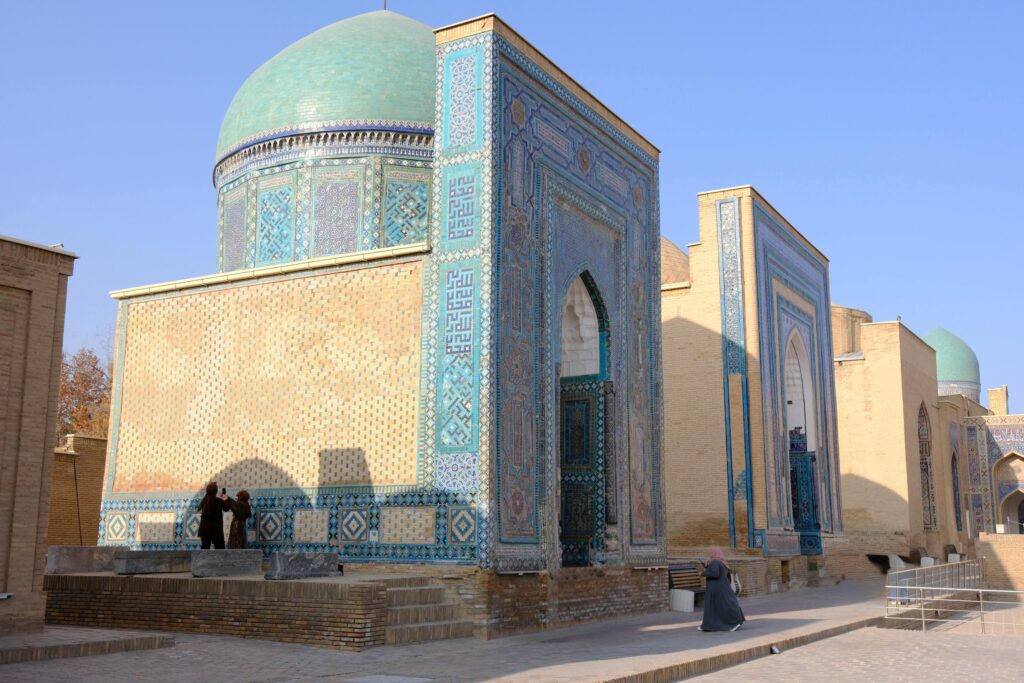
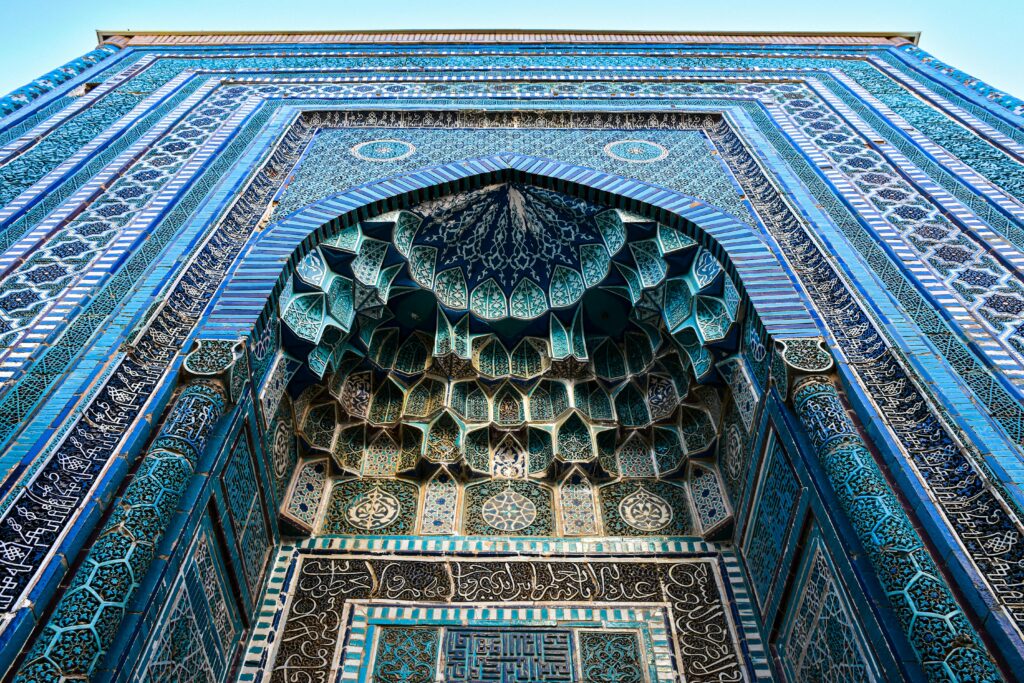
Cities like Samarkand, Bukhara, and Khiva are among the most historically significant urban centers in the world. Once crucial hubs of the Silk Road, they offer:
- UNESCO World Heritage architecture
- ancient mosques, madrasas, and caravanserais
- living traditions of craftsmanship and trade
As interest in cultural and heritage tourism grows globally, Uzbekistan’s historical depth has become a major competitive advantage.
3. Strong Government Investment in Tourism
The Uzbek government has treated tourism as a strategic economic pillar by:
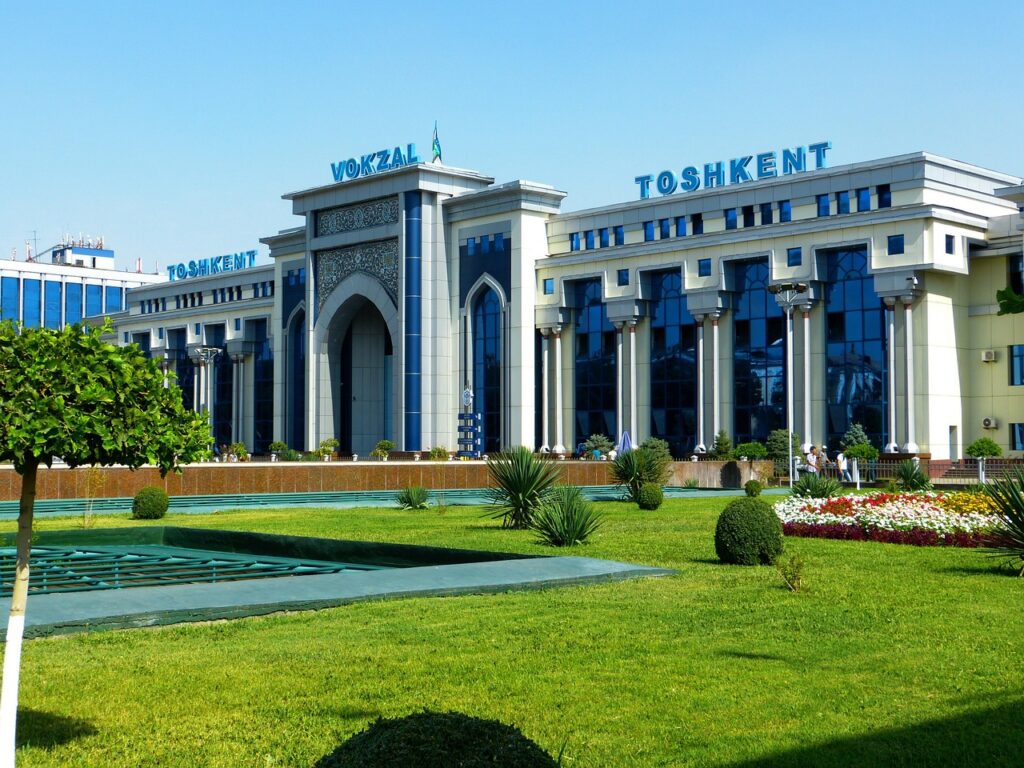
- modernizing airports and rail networks
- upgrading hotels and public spaces
- restoring historical monuments
- promoting tourism internationally
High-speed rail links between major cities have made travel easier and more comfortable for visitors.
What Makes Uzbekistan Especially Appealing to Modern Travelers
Affordability
Compared with Europe or East Asia, Uzbekistan offers:
- low accommodation costs
- inexpensive food and transport
- strong value for guided tours
This makes it attractive to budget travelers, families, and long-stay visitors.
Authenticity
Unlike many over-touristed destinations, Uzbekistan still feels largely undiscovered. Visitors often highlight:
- genuine local hospitality
- limited crowds outside peak seasons
- intact traditions and everyday life
For travelers seeking meaningful cultural experiences, this authenticity is a major draw.
Safety and Stability
Uzbekistan has actively promoted itself as a safe destination, improving policing, tourist services, and multilingual support — helping to counter outdated perceptions of the region.
What the Original Coverage Often Misses
A. Regional Tourism Integration
Uzbekistan is positioning itself as a gateway to Central Asia, encouraging multi-country travel with neighbors such as Kazakhstan, Kyrgyzstan, and Tajikistan. This regional approach boosts longer itineraries and repeat visits.
B. Growth Beyond Heritage Tourism
While Silk Road cities dominate headlines, Uzbekistan is expanding into:
- eco-tourism in deserts and mountains
- adventure travel
- culinary tourism
- wellness and spa tourism
Diversification reduces reliance on a single travel segment.
C. Digital and Service Transformation
Tourism growth is also driven by:
- improved online booking systems
- better English-language signage
- digital payments and mobile apps
- hospitality training programs
Service quality has improved significantly over the past decade.
D. Youth and Workforce Impact
Tourism has become a major employer for young people, creating jobs in:
- hospitality
- guiding and translation
- transportation
- crafts and cultural industries
This has social as well as economic implications.
Challenges Uzbekistan Still Faces
Despite rapid growth, several issues remain:
Infrastructure Gaps
Outside major cities, roads, accommodations, and tourist facilities can still be limited.
Seasonality
Extreme summer heat and cold winters affect travel patterns, making spring and autumn peak seasons.
Overtourism Risk
As popularity grows, historic centers face pressure from crowding, prompting calls for:
- visitor management strategies
- preservation safeguards
- sustainable tourism planning
Skills and Language Barriers
While improving, shortages of multilingual staff and trained guides persist in some regions.
Why Uzbekistan’s Rise Matters Globally
Uzbekistan’s tourism success illustrates a broader trend:
- emerging destinations can compete globally with the right reforms
- cultural heritage remains a powerful travel motivator
- visa openness strongly influences traveler behavior
It also highlights how tourism can drive economic diversification in post-Soviet and developing economies.
What the Future Holds for Uzbek Tourism
Looking ahead, Uzbekistan aims to:
- attract higher-spending travelers
- extend average length of stay
- strengthen sustainability standards
- expand regional and international connectivity
If managed carefully, the country could become one of Asia’s most compelling long-term tourism success stories.
Frequently Asked Questions
Why is Uzbekistan considered a fast-growing tourism destination?
Because of visa reforms, infrastructure investment, cultural appeal, and growing international awareness.
Do tourists need a visa to visit Uzbekistan?
Many nationalities now enjoy visa-free entry or easy e-visa access.
What are the top places to visit?
Samarkand, Bukhara, Khiva, Tashkent, and the surrounding Silk Road regions.
Is Uzbekistan safe for tourists?
Yes. It is widely regarded as safe, with improving tourist services and infrastructure.
Is Uzbekistan expensive to visit?
No. It is considered affordable compared with many global destinations.
What type of tourism is growing fastest?
Cultural heritage tourism remains dominant, but eco-tourism and adventure travel are growing.
Could overtourism become a problem?
Potentially, especially in historic centers, making sustainable planning essential.
Final Thoughts
Uzbekistan’s tourism boom is the result of strategic openness, cultural confidence, and long-term investment. By reconnecting the world with its Silk Road heritage while modernizing access and services, the country has repositioned itself on the global travel map.
If growth is managed sustainably, Uzbekistan’s rise may prove that some of the world’s most exciting travel stories are unfolding far from traditional tourism hotspots — in places where history, hospitality, and ambition meet.
Sources Euro News

