

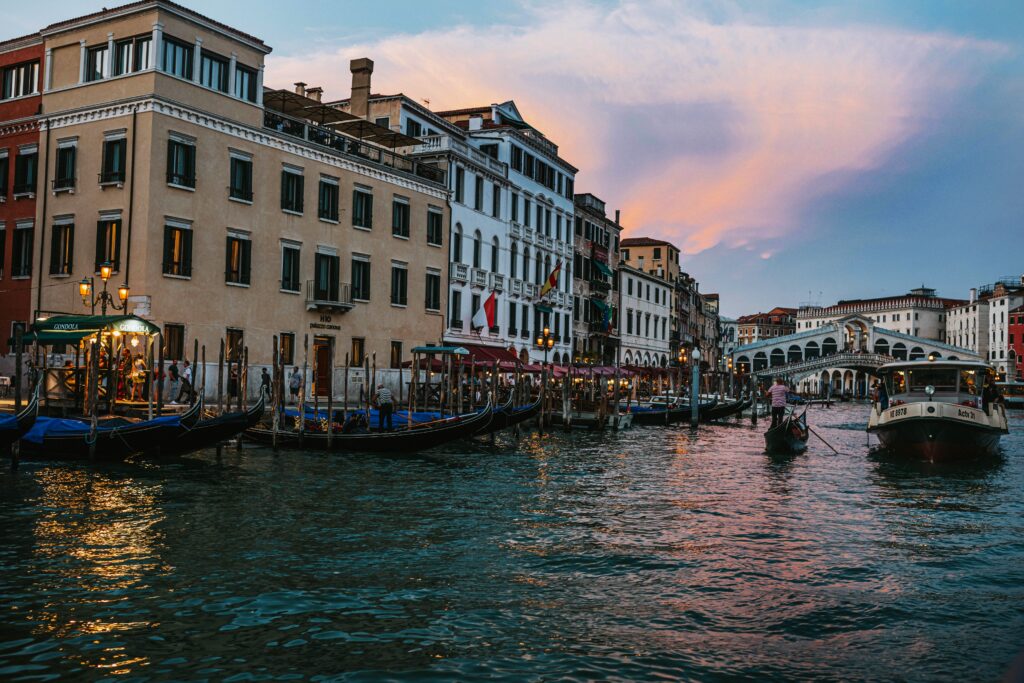
Few cities in the world attract as much admiration as Venice. Built across more than 100 small islands connected by canals and historic bridges, the Italian city has welcomed visitors for centuries. Yet its immense popularity has also become one of its greatest challenges.
After introducing one of the world’s first tourist entry fee systems for day visitors, Venice is now exploring an even more sophisticated approach: dynamic pricing. Under the proposal, entry fees would vary depending on demand, visitor numbers, and travel periods, with higher charges during peak times and lower fees during quieter periods.
The idea reflects a broader shift in tourism management, where cities are increasingly using technology and economic incentives to control overcrowding while preserving cultural heritage and improving residents’ quality of life.
Why Venice Is Facing a Tourism Challenge
Venice is one of Europe’s most visited destinations.
Every year, millions of tourists arrive to experience:
- Historic canals
- Gondola rides
- Renaissance architecture
- Museums
- Churches
- Festivals
- Local cuisine
- UNESCO World Heritage sites
While tourism generates enormous economic benefits, the city’s permanent population has steadily declined over the past several decades.
Many residents point to:
- Rising housing costs
- Crowded public spaces
- Limited local services
- Growth of short-term rentals
- High living expenses
These pressures have fueled ongoing discussions about how to make tourism more sustainable.
What Is the Venice Entry Fee?
Unlike a hotel tax, Venice’s entry fee applies primarily to certain day visitors who enter the historic city without staying overnight.
The system was introduced to:
- Reduce overcrowding
- Encourage advance trip planning
- Generate funds for city maintenance
- Improve visitor management
- Protect historic infrastructure
Overnight guests staying in registered accommodations generally pay separate tourist taxes through their hotels and are typically exempt from the day-entry charge.
What Is Dynamic Pricing?
Dynamic pricing adjusts prices according to demand.
It is already widely used by:
- Airlines
- Hotels
- Ride-sharing services
- Concert organizers
- Theme parks
- Sports events
Applied to tourism, dynamic pricing would mean visitors pay different entry fees depending on factors such as:
- Expected visitor numbers
- Time of year
- Holidays
- Weekends
- Special events
- Booking dates
For example, a visitor arriving during a quiet weekday in winter could pay significantly less than someone visiting during a busy summer weekend.
Why Venice Is Considering Variable Pricing
City officials hope flexible pricing could achieve several goals simultaneously.
Reduce Peak Crowds
Higher prices during busy periods may encourage some visitors to choose less crowded dates.
Spread Tourism Throughout the Year
Lower prices during quieter seasons could attract visitors outside traditional peak months.
Improve Visitor Experience
Less congestion allows tourists to enjoy attractions more comfortably.
Protect Cultural Heritage
Reducing excessive foot traffic helps preserve fragile historic buildings, bridges, and public spaces.
How Overtourism Affects Venice
Venice has become one of the world’s best-known examples of overtourism.
Challenges include:
- Congested streets
- Long queues
- Pressure on public transportation
- Wear on historic landmarks
- Increased waste management costs
- Environmental impacts
- Housing shortages
- Declining residential population
Large cruise ships, although now more heavily regulated near the historic center, have also contributed to long-standing debates about sustainable tourism.
Technology Makes Dynamic Pricing Possible
Modern visitor management systems rely on digital technologies.
Potential tools include:
- Online reservations
- QR-code entry passes
- Mobile payment systems
- Real-time visitor monitoring
- Artificial intelligence
- Demand forecasting
- Data analytics
These technologies allow authorities to estimate demand and adjust pricing accordingly.

Benefits for Tourists
Although paying an entry fee may seem inconvenient, travelers could also benefit.
Potential advantages include:
- Less crowded attractions
- Shorter waiting times
- More enjoyable sightseeing
- Better public transportation
- Improved safety
- Cleaner public spaces
Visitors who choose off-peak dates may also save money through lower accommodation and transportation costs.
Benefits for Residents
For local communities, better visitor management could mean:
- Reduced congestion
- Improved quality of life
- Better maintenance of historic areas
- Increased funding for public services
- More sustainable tourism growth
Many residents have argued that preserving Venice as a living city is just as important as protecting it as a tourist destination.
Economic Concerns
Not everyone supports dynamic pricing.
Critics argue it could:
- Discourage budget travelers
- Reduce spontaneous tourism
- Affect small businesses
- Create administrative complexity
- Raise fairness concerns
Some also question whether higher fees alone can significantly reduce overcrowding if visitor demand remains exceptionally strong.
Lessons from Other Destinations
Venice is not the only destination experimenting with visitor management.
Other cities and attractions have introduced measures such as:
- Tourist taxes
- Timed-entry tickets
- Reservation systems
- Visitor caps
- Environmental fees
- Cruise ship restrictions
Examples include destinations in Spain, Greece, Japan, Bhutan, and several U.S. national parks, all of which are exploring ways to balance tourism with conservation and community well-being.
Sustainable Tourism Is Becoming the New Standard
International tourism organizations increasingly promote sustainable tourism practices.
These include:
- Protecting cultural heritage
- Reducing environmental impact
- Supporting local communities
- Managing visitor flows
- Encouraging responsible travel
- Investing tourism revenue into infrastructure
Dynamic pricing represents one of many tools available to help achieve these objectives.
What Travelers Should Know
If Venice adopts a variable pricing system, visitors may benefit from planning ahead.
Practical tips include:
- Book visits early.
- Avoid major holidays when possible.
- Visit during shoulder seasons.
- Check official entry requirements before traveling.
- Consider staying overnight if appropriate.
- Explore lesser-known neighborhoods beyond the busiest attractions.
These strategies can improve both travel experiences and affordability.
The Future of Smart Tourism
Venice’s proposal reflects a broader movement toward “smart tourism.”
Future destination management may include:
- AI-powered crowd forecasting
- Digital visitor passes
- Personalized travel recommendations
- Real-time occupancy information
- Smart transportation systems
- Environmental monitoring
Cities around the world are increasingly using technology to improve tourism while protecting local communities and cultural heritage.
Finding the Right Balance
The central challenge facing Venice is balancing three important goals:
- Supporting the local economy.
- Preserving one of the world’s most valuable cultural treasures.
- Maintaining a livable city for residents.
No single policy can solve every tourism challenge, but dynamic pricing could become an important part of a broader strategy that includes improved infrastructure, stronger regulation of short-term rentals, sustainable transportation, and continued investment in heritage conservation.
Conclusion
Venice’s consideration of dynamic tourist entry fees marks another step in the evolution of sustainable tourism management. Rather than simply charging all visitors the same amount, the city hopes variable pricing will encourage travel during quieter periods, reduce overcrowding, and generate resources to protect its unique cultural and historical assets.
As global tourism continues to grow, destinations around the world are closely watching Venice’s experiment. If successful, dynamic pricing could become a model for other heavily visited cities seeking to balance economic benefits with environmental preservation, cultural protection, and residents’ quality of life.
Ultimately, the future of tourism may depend not on attracting more visitors—but on managing them more intelligently.
Frequently Asked Questions (FAQs)
1. What is Venice’s tourist entry fee?
It is a fee charged to certain day visitors entering Venice’s historic center. It is separate from the tourist taxes typically paid by overnight guests staying in registered accommodations.
2. What is dynamic pricing?
Dynamic pricing adjusts costs based on demand. Visitors may pay more during peak travel periods and less during quieter times, helping distribute tourism more evenly throughout the year.
3. Why is Venice introducing variable pricing?
The city hopes to reduce overcrowding, improve visitor experiences, protect historic sites, support sustainable tourism, and generate funding for infrastructure and conservation.
4. Will the new pricing affect all visitors?
Current proposals primarily focus on eligible day visitors. Overnight guests generally follow separate accommodation tax rules, although exact regulations depend on the final policy adopted by city authorities.
5. Could other tourist destinations adopt similar systems?
Yes. Many popular destinations are exploring visitor caps, reservation systems, tourist taxes, environmental fees, and dynamic pricing as part of broader efforts to promote sustainable tourism and protect local communities.

Sources CBS News

