
The Incident
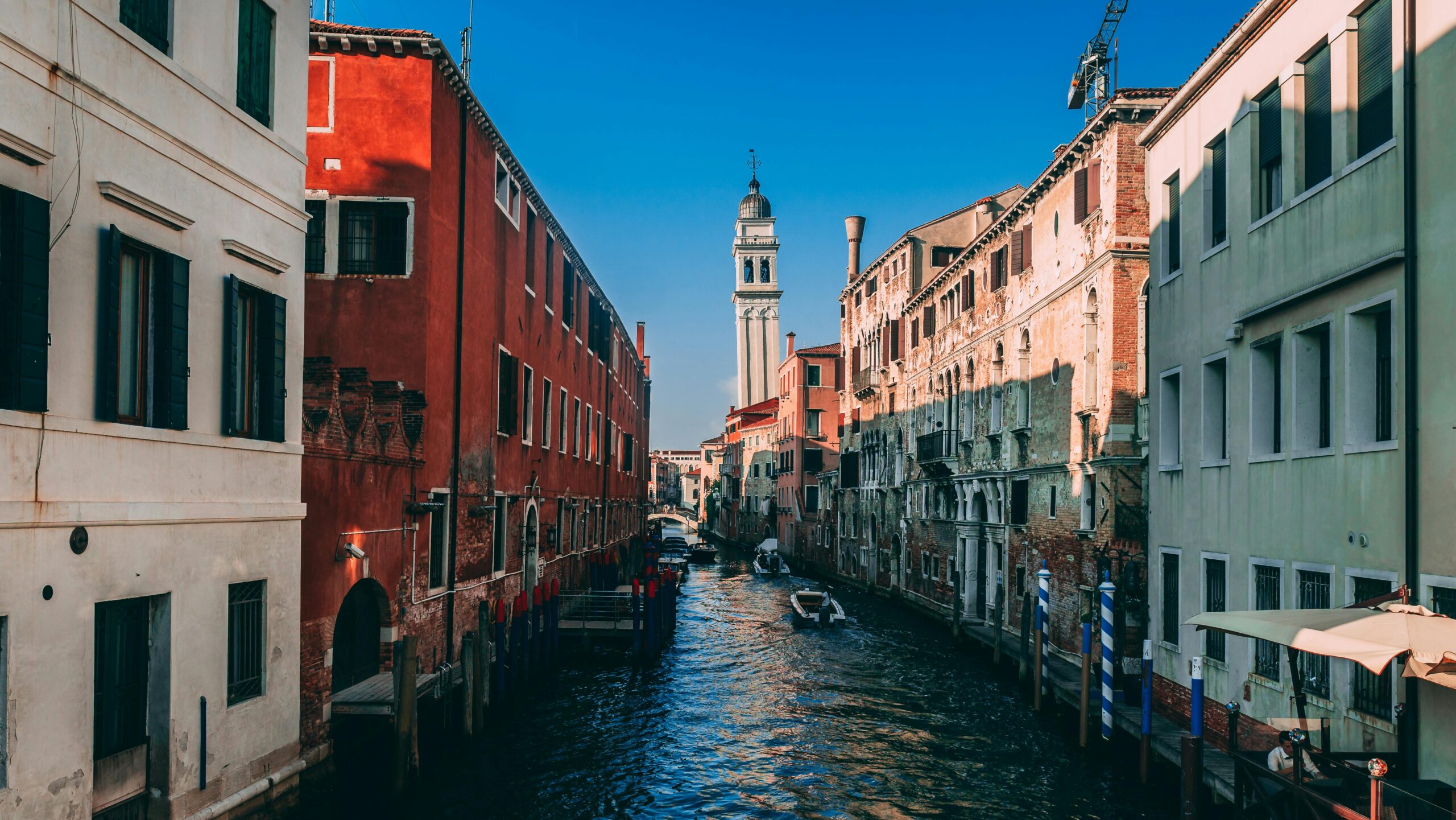
On September 11, 2025, a couple (a 35-year-old British man and his 25-year-old Romanian girlfriend) were seen swimming in the Grand Canal in Venice, near the Accademia Bridge. Gondoliers witnessed the behavior and alerted authorities. Each was fined €450 and expelled from Venice for 48 hours, cutting short their visit.
This was not an isolated event. As of 2025, Venice police had already issued more than 1,100 expulsion orders for “uncivilised behavior,” including swimming, jumping from bridges, and other activities considered disruptive to city life.
Why the Rule Exists
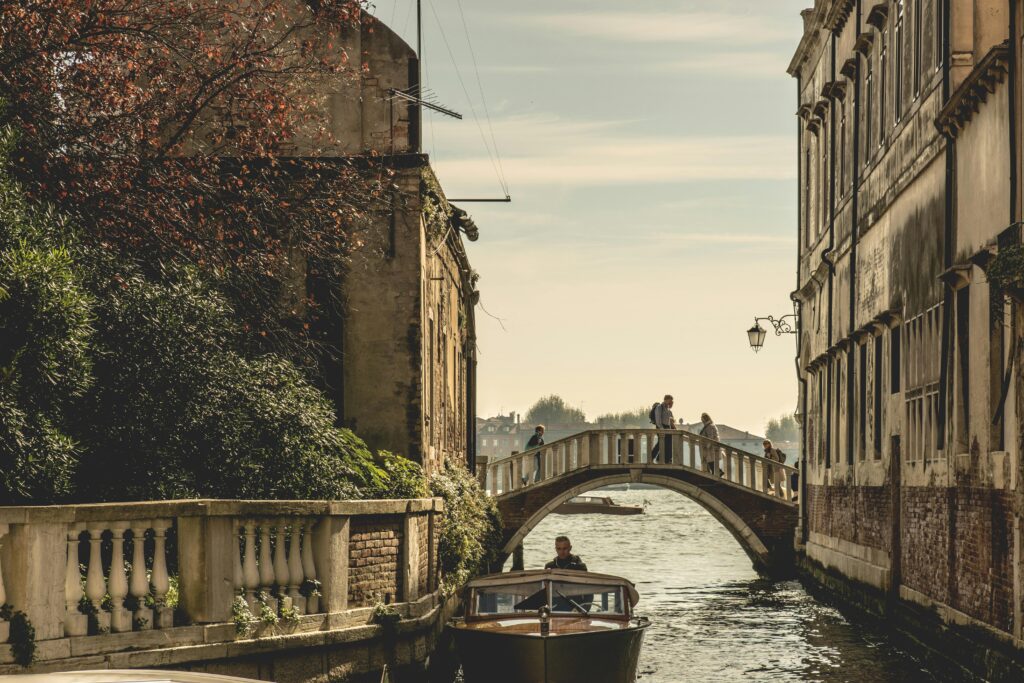
Swimming in Venice’s canals has long been illegal due to:
- Safety – The canals are crowded with gondolas, water buses, and delivery boats, making swimming dangerous.
- Water quality – Pollutants, sewage, and runoff make the water unsafe for direct contact.
- Preservation of heritage – As a UNESCO World Heritage site, Venice enforces strict rules to protect its fragile environment and cultural identity.
What’s Changed
- Stricter enforcement – Fines are high, and bans are issued more often than in the past.
- New regulations – Beyond swimming, Venice has restricted large tour groups, introduced daily visitor caps, and rolled out a day-visitor fee to curb overtourism.
What Reports Often Miss
- Pollution data – Authorities cite safety and hygiene, but up-to-date scientific data on water quality is rarely shared.
- Penalty differences – Not all infractions carry the same fines; jumping from bridges, for example, can sometimes be penalized differently than swimming.
- Tourist awareness – Many visitors claim they weren’t aware of the ban, raising questions about multilingual signage and education.
- Alternatives – Venice rarely highlights nearby safe swimming options such as the beaches at Lido di Venezia.
- Local perspective – For Venetians, the issue isn’t just swimming — it’s part of a wider struggle with overtourism and maintaining a livable city.
The Rules in Brief
- Swimming, bathing, or diving in canals is strictly prohibited.
- Typical fines range from €350–€450.
- Offenders may be banned from the city for up to 48 hours or longer.

Reactions
- Tourists: Many express shock or anger at being fined, often claiming ignorance of the rules.
- Locals: Strong support for enforcement, with frustration at tourists treating Venice like an amusement park.
- Authorities: Determined to protect Venice’s image, heritage, and livability by enforcing strict codes of behavior.
Frequently Asked Questions
| Question | Answer |
|---|---|
| Can you swim in Venice’s canals? | No. Swimming, diving, or bathing in canals is illegal. |
| How much is the fine? | Around €450 per person in recent cases. |
| What happens besides a fine? | Offenders may also be expelled from the city, often for 48 hours. |
| Why is swimming banned? | For safety (boat traffic), hygiene (pollution), and heritage preservation. |
| Is the water safe to swim in? | No. The water is polluted and poses health risks. |
| What alternatives exist? | Beaches such as Lido di Venezia are safe and legal places to swim. |
| How are rules enforced? | Gondoliers, locals, and police report violations. Expulsion orders are common. |
| Do many people get fined? | Yes. Thousands of expulsion orders are issued each year, though only a portion are for swimming. |
| Are penalties getting stricter? | Yes. Venice is tightening rules to combat overtourism and preserve city life. |
| How can visitors avoid problems? | Respect local laws, look for official notices, and plan ahead for legal swimming spots. |
Take-Away Advice for Visitors
- Don’t swim in the canals — fines and bans are strictly enforced.
- Plan a beach day — Lido di Venezia and nearby islands offer safe, legal swimming.
- Respect Venice’s heritage — treat canals as historic waterways, not a public pool.
Conclusion
Venice’s crackdown on canal swimming highlights a broader issue: the tension between overtourism and local life in one of the world’s most fragile heritage cities. The rules are clear, the penalties are strict, and enforcement is only increasing.
For visitors, the lesson is simple: admire the canals, ride in a gondola, but save your swim for the Adriatic Sea.
Sources CNN

