
Vermont Wants More Tourists, but Local Businesses Are Asking What Comes Next
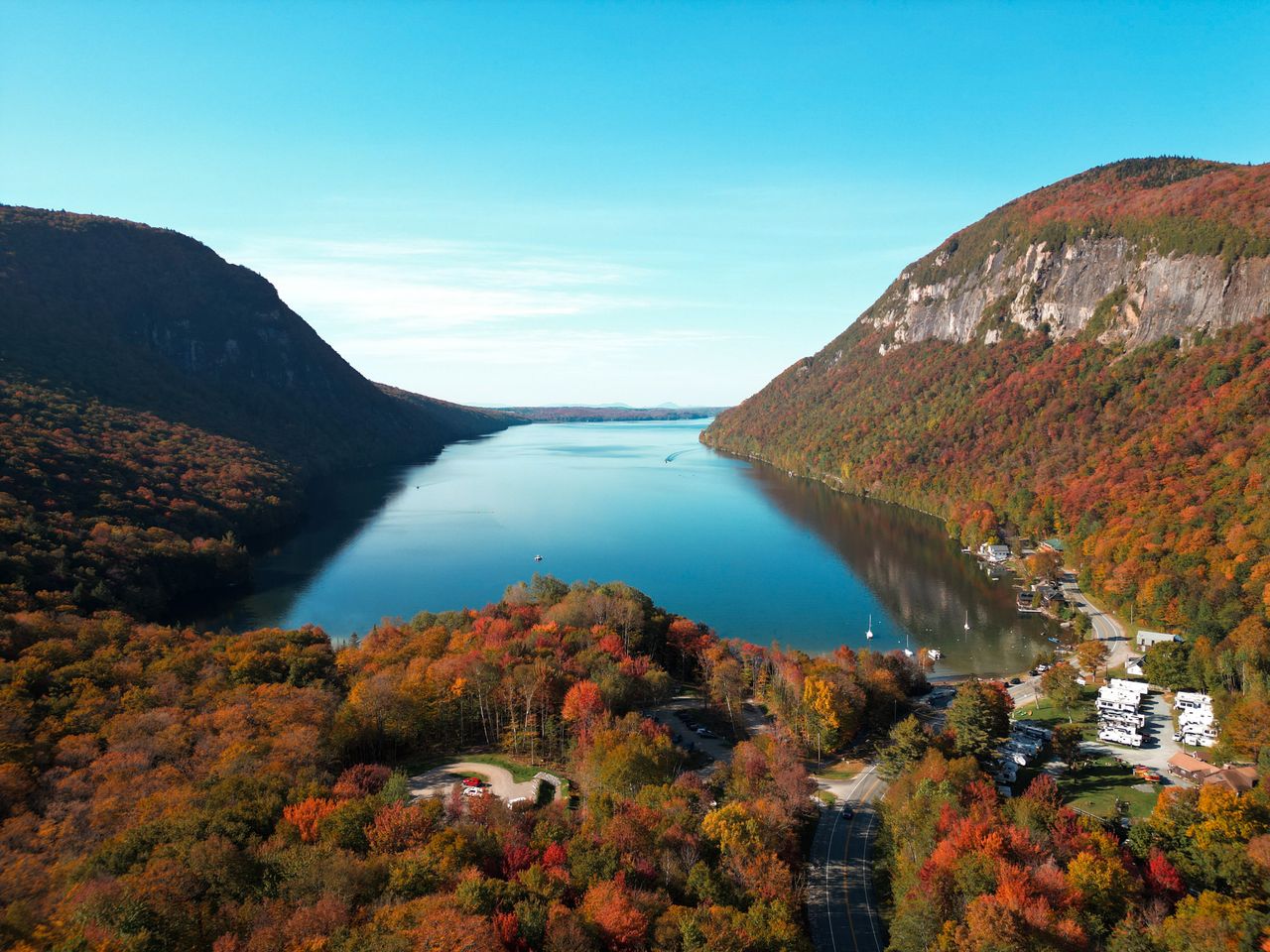
Vermont has something many travel destinations spend millions trying to create: a recognisable identity built around beautiful landscapes, independent businesses, outdoor recreation, distinctive food, historic towns and a strong sense of local character.
Yet having an attractive destination does not automatically mean travellers know where to go, what to experience or which local businesses deserve a visit.
That is the challenge behind Vermont’s expanding tourism marketing efforts. Through a partnership between the Vermont Chamber of Commerce and the Vermont Department of Tourism and Marketing (VDTM), businesses can gain exposure through official statewide promotional channels, including the Vermont Inspiration Guide and the VermontVacation.com Stay & Play Directory.
For businesses in the Upper Valley, which stretches across parts of eastern Vermont and western New Hampshire, the opportunity is potentially significant. The region contains cultural attractions, outdoor recreation, independent retailers, restaurants, educational institutions and distinctive rural communities.
However, local interest in tourism growth comes with reservations. Business owners and community leaders must consider whether additional visitors will strengthen the regional economy or add pressure to an area already dealing with expensive housing, limited infrastructure and concerns about the changing character of its towns.
The debate is therefore not simply about whether Vermont should advertise more aggressively. It is about deciding what kind of tourism economy local communities actually want.
What Is Vermont’s Tourism Marketing Program?
The Vermont Tourism Marketing Program is a partnership between the Vermont Chamber of Commerce and the Vermont Department of Tourism and Marketing.
Its purpose is to connect tourism-related businesses with travellers researching where to stay, eat, shop and explore.
Instead of requiring every small business to develop its own expensive national advertising campaign, the programme provides access to shared marketing channels supported by the state’s broader promotional efforts.
Participating businesses can gain visibility through several major products.
1. The Vermont Inspiration Guide
The Vermont Inspiration Guide is an annual visitor publication featuring the state’s natural attractions, outdoor activities, food, cultural experiences, communities and accommodation options.
The guide has a reported circulation of approximately 90,000 copies and is distributed through welcome centres, hospitality businesses and important travel markets, including the Northeast and areas extending towards Washington, D.C.
For a small Upper Valley business, appearing in a publication distributed beyond its immediate community could help introduce the business to travellers who might otherwise never discover it.
A restaurant, independent retailer, outdoor recreation operator or accommodation provider can benefit from being presented as part of a larger Vermont travel experience.
2. The VermontVacation.com Stay & Play Directory
The digital component is equally important.
VermontVacation.com is the state’s official tourism website, helping visitors research destinations, accommodation, attractions and activities before travelling.
The Vermont Chamber’s programme page reports that the online directory received more than 193,000 page views in 2025 and generated 46,000 outbound clicks to business websites.
The directory offers search filters, business information, direct-booking features and priority sorting. These tools are intended to help visitors move from general travel inspiration towards actual bookings and purchases.
This matters because a tourist discovering a destination is only the beginning. The economic value comes when that person books a room, reserves a restaurant table, buys a product or pays for an experience.
3. Group Tour Marketing
The programme also includes group tourism promotion through the Vermont Tourism Network.
This channel targets the motorcoach and organised-tour industry, giving businesses an opportunity to reach tour operators planning itineraries for groups.
Group travel can be valuable for attractions, museums, restaurants, cultural venues and destinations capable of accommodating larger visitor numbers.
For smaller Upper Valley businesses, participation may require advance planning around group capacity, parking, staffing, meal service and operating hours.
4. Statewide advertising support
The programme’s wider advantage is that individual businesses can benefit from the state’s overall tourism promotion.
The Vermont Department of Tourism and Marketing invests in paid advertising, digital campaigns, media relations and other promotional activities designed to make Vermont more visible to potential visitors.
The Vermont Chamber describes the programme as a way for businesses to connect with an audience that includes approximately 80 million people living within a day’s drive of Vermont and beyond.
That reach is difficult for many independent businesses to achieve on their own.
Why the Upper Valley Is Being Considered for More Tourism
The Upper Valley is an unusual tourism market because it is not traditionally defined by a single major resort or internationally recognised attraction.
Instead, it is a collection of communities and experiences spread across the Connecticut River region, including parts of Orange and Windsor counties in Vermont and Grafton and Sullivan counties in New Hampshire.
The area has a mixture of rural villages, historic sites, cultural organisations, outdoor recreation, independent businesses and educational institutions.
A regional research project involving Cooperative Extension researchers from the University of Vermont, the University of New Hampshire, West Virginia University and Penn State University examined the potential for rural tourism development.
The research identified substantial existing resources that could support tourism, even though the region does not consistently promote itself as a unified visitor destination.
The findings were presented to business owners, town officials and nonprofit representatives at a meeting in Lebanon, New Hampshire, in October 2026.
The discussion raised an important question: could the Upper Valley attract more visitors by presenting its attractions as part of a coordinated regional experience rather than leaving individual organisations to promote themselves separately?
Attractions that could form a regional tourism network
The Upper Valley already has several recognisable attractions.
Woodstock: One of Vermont’s best-known villages, Woodstock attracts visitors through its historic architecture, independent shops, restaurants, scenic surroundings and seasonal atmosphere.
Quechee Gorge: Often called Vermont’s Little Grand Canyon, Quechee Gorge offers dramatic scenery and outdoor recreation opportunities.
Vermont Institute of Natural Science (VINS): Located in Quechee, VINS provides educational experiences focused on birds, wildlife and environmental conservation.
King Arthur Baking Company: Based in Norwich, King Arthur Baking attracts baking enthusiasts through its retail store, educational activities and food-related experiences.
Montshire Museum of Science: Located in Norwich, the museum offers interactive science exhibitions and educational programmes that appeal to families and school groups.
Appalachian Trail: The famous long-distance hiking route passes through the wider region, creating opportunities for outdoor recreation and nature-based tourism.
Opera North: The cultural organisation has been working to expand the Upper Valley’s summer appeal through performances and the development of Blow-Me-Down Farm in Cornish, New Hampshire, in partnership with Saint-Gaudens National Historical Park.
Individually, these attractions appeal to different audiences. Together, they could support a regional tourism identity built around culture, food, outdoor activities, education and small-town experiences.
Why Some Businesses See Tourism Marketing as a Valuable Opportunity
For many independent businesses, attracting customers from outside the immediate community is essential to long-term growth.
A restaurant may depend on weekend visitors. An independent clothing shop may benefit from travellers exploring a historic town. A museum may need visitors from neighbouring states to support exhibitions and educational programmes.
Tourism marketing can help businesses reach these customers without requiring each organisation to build a sophisticated advertising operation.
More visibility for small businesses
A business can be excellent at what it does and still struggle to attract customers because potential visitors do not know it exists.
Being included in an official tourism directory or visitor guide can increase its chances of being discovered during the travel-planning process.
This is especially relevant for businesses located away from major highways or outside the most recognisable tourist centres.
Longer visitor stays
Regional tourism promotion could encourage visitors to stay for several days rather than treating the Upper Valley as a short stop.
For example, a traveller visiting Woodstock could also explore Quechee Gorge, attend a cultural performance, visit a museum and dine at independent restaurants.
The longer visitors remain, the more opportunities local businesses have to benefit from their spending.
More customers outside peak seasons
Tourism businesses often face uneven demand.
Autumn foliage and winter recreation can attract large numbers of visitors, but quieter periods may leave accommodation providers, restaurants and attractions struggling to maintain revenue.
Marketing the Upper Valley as a year-round destination could help promote spring hiking, summer performances, farm experiences, museum visits and culinary activities.
That would be particularly valuable for businesses seeking more consistent income and employment.
Stronger cooperation between businesses
A regional approach could also encourage businesses to collaborate.
Hotels might partner with museums, restaurants and outdoor guides to create packages. Cultural organisations could coordinate performance schedules with local accommodation providers. Independent retailers could participate in themed shopping or food events.
Instead of competing exclusively for the same visitors, businesses could help create a larger visitor experience that benefits the region as a whole.
Vermont’s Wider Tourism Economy Makes the Opportunity Significant
Tourism is an important economic sector for Vermont.
The Vermont Chamber’s current marketing materials cite approximately 16 million annual visitors, $4.2 billion in visitor spending and $1.5 billion in lodging spending.
These figures illustrate why the state continues to invest in tourism promotion.
Visitor spending supports accommodation, restaurants, retail businesses, attractions, entertainment, transportation and outdoor recreation. It also generates employment and tax revenue.
The economic effects extend beyond businesses that directly serve tourists.
A visitor staying in a hotel may purchase groceries, visit a local shop, pay for parking, attend an event and buy products from local producers.
This wider spending creates connections across the regional economy.
However, statewide figures should not be mistaken for guaranteed benefits to every community. The Upper Valley’s share of visitor spending will depend on whether travellers actually visit its towns, how long they stay and how much of their spending remains with locally owned businesses.
The central challenge is converting statewide tourism interest into measurable local economic activity.
Vermont’s New Tourism Brand: The State of Inspiration
The marketing programme also operates within a broader shift in how Vermont presents itself to potential visitors.
In July 2026, the state launched its first dedicated tourism brand under the positioning “State of Inspiration.”
The brand was developed following research that identified a gap between how travellers viewed Vermont and how likely they were to consider visiting.
Research found that 79% of US travellers considered Vermont appealing, but only 15% spontaneously identified it as a destination they intended to visit.
Vermont also ranked 30th nationally for advertising recall, trailing some neighbouring states in visibility.
The new brand aims to give travellers a clearer reason to choose Vermont rather than relying only on its traditional image of mountains, autumn leaves and rural scenery.
Its message highlights discovery, creativity, outdoor experiences, local culture and the possibility of leaving a visit with a fresh perspective.
This approach could benefit the Upper Valley because the region has more to offer than its familiar postcard attractions.
It can promote educational experiences, independent businesses, food culture, performing arts, outdoor recreation and small-town discoveries.
The challenge will be ensuring that statewide marketing reflects the actual experiences available in individual communities.
The Biggest Concern: Tourism Growth Could Make Housing Less Affordable
Despite the economic potential, tourism expansion creates difficult questions for residents.
The Upper Valley already faces housing affordability problems, and tourism-related demand can make these challenges worse if growth is poorly managed.
A regional study highlighted an increase in short-term rental properties across the four counties included in its research.
Between 2019 and 2025, the number of short-term rentals increased from 5,256 to 7,105, a rise of approximately 35%.
The researchers also identified particular housing concerns in Sullivan County, New Hampshire, where a significant share of renters were considered cost-burdened.
The concern is that additional tourism demand could encourage property owners to convert long-term housing into short-term visitor accommodation.
If this happens without sufficient new housing construction, local workers may find it increasingly difficult to live near their jobs.
Second homes and property prices
Tourism can also influence property markets through demand for second homes.
Affluent buyers may purchase properties in attractive rural communities for seasonal use, holiday accommodation or investment.
Although these purchases can bring money into local economies, they may also increase competition for housing and make homeownership less accessible to local residents.
The problem becomes particularly sensitive when people working in restaurants, shops, hotels, schools and healthcare cannot afford to live in the communities they serve.
Short-term rentals and the housing supply
Short-term rentals are not automatically harmful. They can provide income for property owners and accommodation options for visitors.
However, a rapid increase in holiday rentals may reduce the supply of homes available for permanent residents.
Local authorities therefore need to consider how rental regulations, housing development and tourism planning interact.
A successful visitor economy cannot depend on making it impossible for the local workforce to live in the destination.
Overtourism: Why More Visitors Are Not Always Better
Another concern is the effect of tourism on the everyday experience of residents.
Woodstock, for example, is already a popular destination during the autumn foliage season.
Large visitor numbers can create congestion, parking problems, crowded streets and pressure on local services.
For businesses, busy periods can be financially rewarding. For residents, they can make ordinary activities more difficult.
This tension is one reason some Upper Valley residents are cautious about turning the region into a more heavily promoted tourist destination.
The issue is not necessarily that visitors are unwelcome. Rather, residents want to know whether the economic benefits justify the inconvenience and whether tourism development will preserve the qualities that make the region attractive.
Tourism can also create environmental pressures through increased traffic, waste, trail erosion, water use and development around sensitive landscapes.
The OECD has warned that poorly managed tourism can contribute to resident displacement, infrastructure overload, environmental degradation and social tensions.
The lesson is straightforward: marketing should not run ahead of a community’s ability to manage the visitors it attracts.
What Would Sustainable Tourism Look Like in the Upper Valley?
The Upper Valley does not necessarily need to become a mass-tourism destination to benefit from stronger marketing.
A more practical strategy would focus on attracting visitors who contribute to local businesses while respecting the region’s residential character.
Several approaches could help.
1. Promote experiences rather than simply visitor numbers
Rather than advertising the region as a place that everyone should visit at once, businesses could promote specific experiences.
Examples include guided nature walks, small cultural festivals, baking workshops, local food tours, historic-site visits and outdoor recreation packages.
This approach encourages visitors to engage with the region rather than simply pass through.
2. Encourage longer stays
A visitor who spends three nights in the Upper Valley may generate more local economic activity than someone who arrives for a few hours.
Businesses could work together to develop itineraries connecting accommodation, restaurants, cultural attractions and outdoor activities.
3. Spread visitors across the calendar
Seasonal marketing could encourage visits during spring and summer, helping businesses reduce dependence on autumn foliage and winter recreation.
The region’s cultural organisations, museums, farms and outdoor attractions provide opportunities to build a more balanced tourism calendar.
4. Protect long-term housing
Tourism strategies should be coordinated with housing policies.
Local governments can examine short-term rental rules, encourage appropriate housing development and monitor the effect of visitor accommodation on residential supply.
5. Ensure local businesses receive the benefits
A strong regional strategy should give independent businesses, local producers and community organisations opportunities to participate.
Marketing should not concentrate visitor spending in a small number of large establishments.
6. Involve residents in decision-making
Residents should have a meaningful role in deciding how tourism develops.
Community consultation can identify areas where additional visitors would be welcome and locations where growth could damage the environment or disrupt everyday life.
How Businesses Can Measure Whether Tourism Marketing Works
Marketing participation should be evaluated through business results rather than impressions alone.
A business appearing in a visitor guide may receive additional exposure, but exposure does not automatically translate into customers.
Upper Valley businesses considering participation should monitor several indicators:
- Website traffic and enquiries from outside the region.
- Bookings and reservations attributed to tourism directories.
- Changes in visitor numbers during quieter seasons.
- Average customer spending.
- Length of visitor stays.
- Referral traffic from official tourism websites.
- Revenue generated by promotional packages.
- Repeat visits and customer recommendations.
Businesses should also compare participation costs with the additional revenue generated.
For a small business, a marketing opportunity is worthwhile only if the financial and operational benefits justify the investment.
The Vermont Chamber’s 2027 programme provides a framework for reaching potential visitors, but businesses should review the current media kit and participation terms to understand the available placement options and costs.
Other Opportunities: Agritourism, Food and Cultural Experiences
The Upper Valley could also benefit from tourism trends that go beyond traditional sightseeing.
Agritourism
Vermont has a strong agricultural identity, and farm-based experiences can connect visitors with local producers.
The state’s Seek & Savor campaign, launched in 2026 and scheduled to run through fall 2027, aims to improve the visibility of farms, food producers and agritourism destinations.
Experiences may include farm visits, food trails, seasonal activities and direct connections with local agricultural businesses.
Culinary tourism
Food can become a reason to visit a region rather than simply something visitors do after arriving.
Independent restaurants, bakeries, farm shops and food producers could collaborate to promote regional flavours and local ingredients.
Cultural tourism
Performing arts, museums, historic properties and festivals can attract visitors outside traditional outdoor recreation seasons.
Opera North’s work at Blow-Me-Down Farm is one example of how cultural development could contribute to the Upper Valley’s summer visitor economy.
Educational tourism
The region’s educational institutions and science-related attractions offer another distinctive opportunity.
Educational experiences can appeal to families, school groups and visitors interested in science, history and learning.
This could help the Upper Valley differentiate itself from destinations that depend primarily on scenery and outdoor recreation.
The Business Opportunity and the Community Question
Vermont’s Tourism Marketing Program offers Upper Valley businesses a practical route into a wider statewide promotional network.
The Vermont Inspiration Guide, online directory and group-tour marketing channels can help businesses reach travellers who are already researching trips to the state.
At the same time, the regional debate shows why tourism growth should not be measured only by visitor arrivals or spending.
The Upper Valley has housing constraints, seasonal pressures and communities that value their rural character. These concerns cannot be solved by advertising campaigns.
The region’s opportunity lies in building a tourism economy that supports independent businesses, strengthens cultural and outdoor attractions, creates more year-round economic activity and protects the quality of life of residents.
That requires cooperation between businesses, town governments, tourism organisations, housing advocates and community groups.
Conclusion: Vermont’s Tourism Future Depends on Getting the Balance Right
Vermont’s tourism marketing strategy is designed to help businesses reach more travellers and strengthen the state’s position as a four-season destination.
For the Upper Valley, the potential benefits are real. A coordinated regional approach could bring more customers to independent businesses, increase visitor spending, support cultural organisations and encourage longer stays.
But the region must avoid assuming that more tourists automatically mean a stronger community.
Housing affordability, traffic, environmental protection, seasonal employment and resident well-being must remain central to the discussion.
The best outcome may not be to turn the Upper Valley into a mass-tourism destination. It may be to help more visitors discover its attractions in ways that support local businesses without overwhelming the towns and landscapes that make the region special.
Ultimately, the question is not whether the Upper Valley can attract tourists. It is whether it can do so on terms that residents and businesses genuinely want.
Frequently Asked Questions
1. What is Vermont’s Tourism Marketing Program?
The Vermont Tourism Marketing Program is a partnership between the Vermont Chamber of Commerce and the Vermont Department of Tourism and Marketing. It helps tourism-related businesses gain exposure through official promotional materials, including the Vermont Inspiration Guide, the VermontVacation.com Stay & Play Directory and group-tour marketing initiatives.
2. How can Upper Valley businesses benefit from the programme?
Businesses can reach travellers researching accommodation, restaurants, attractions, shopping and activities in Vermont. Increased visibility may generate website visits, enquiries, bookings and customer traffic. The programme can be particularly useful for independent businesses that cannot afford extensive national advertising campaigns.
3. What are the main tourist attractions in the Upper Valley?
Popular attractions and experiences include Woodstock, Quechee Gorge, the Vermont Institute of Natural Science, King Arthur Baking Company, the Montshire Museum of Science, the Appalachian Trail and cultural activities organised by Opera North. Together, they provide opportunities for nature, education, food and cultural tourism.
4. Why are some Upper Valley residents concerned about tourism growth?
Residents are concerned that additional visitors could increase traffic, overcrowding, environmental pressure and demand for short-term accommodation. Housing affordability is a particularly important issue, as the growth of holiday rentals and second homes may make it harder for local workers and families to find affordable permanent housing.
5. How can the Upper Valley develop sustainable tourism?
The region can focus on attracting visitors throughout the year, promoting locally owned businesses, developing cultural and agricultural experiences, encouraging longer stays and protecting natural attractions. Tourism planning should also include residents, address housing pressures and measure the economic benefits received by local communities.
Sources Valley News