
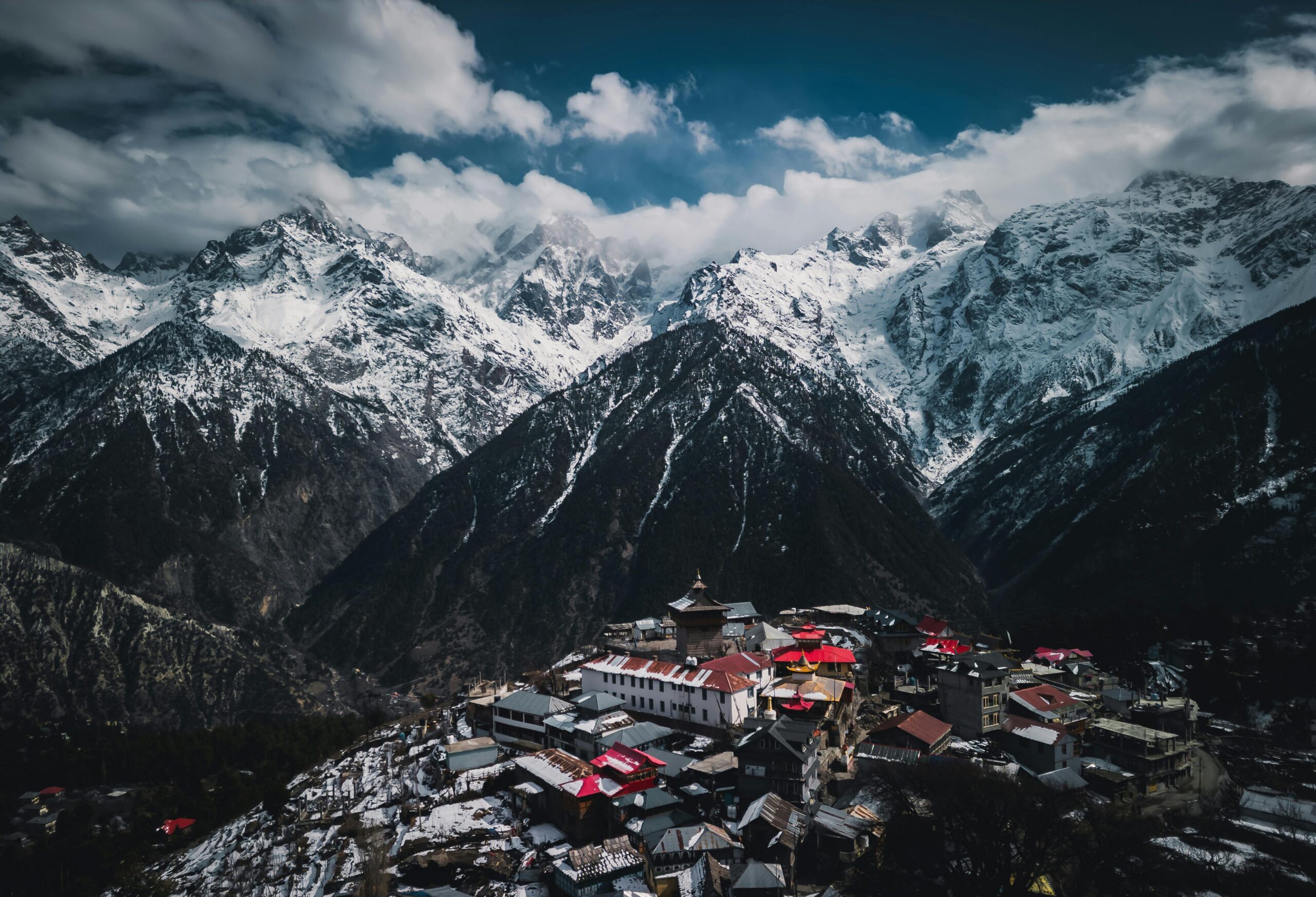
High in the foothills of the Indian Himalayas, where winding footpaths connect terraced farms and stone houses cling to steep mountain slopes, a unique tourism initiative is reshaping how travelers experience rural India. The Village Ways community tourism project offers visitors the opportunity to trek between remote Himalayan villages while staying in locally run guesthouses and engaging directly with residents.
Unlike conventional tourism that often concentrates profits in large hotels and tour companies, Village Ways focuses on community ownership, cultural preservation, and sustainable development. The initiative demonstrates how tourism can provide economic opportunities in rural areas while protecting fragile mountain ecosystems and traditional ways of life.
As interest in responsible travel grows globally, projects like Village Ways are becoming an important model for sustainable tourism in remote regions.

The Himalayan Setting: Uttarakhand’s Mountain Villages
Village Ways operates primarily in Uttarakhand, a northern Indian state located along the Himalayan range. Often called the “Land of the Gods,” the region is known for its spiritual sites, dramatic landscapes, and centuries-old villages.
The area is characterized by:
- Dense forests of oak, rhododendron, and pine
- Snow-covered Himalayan peaks visible from mountain ridges
- Narrow walking trails linking isolated settlements
- Traditional farming terraces carved into the mountainsides
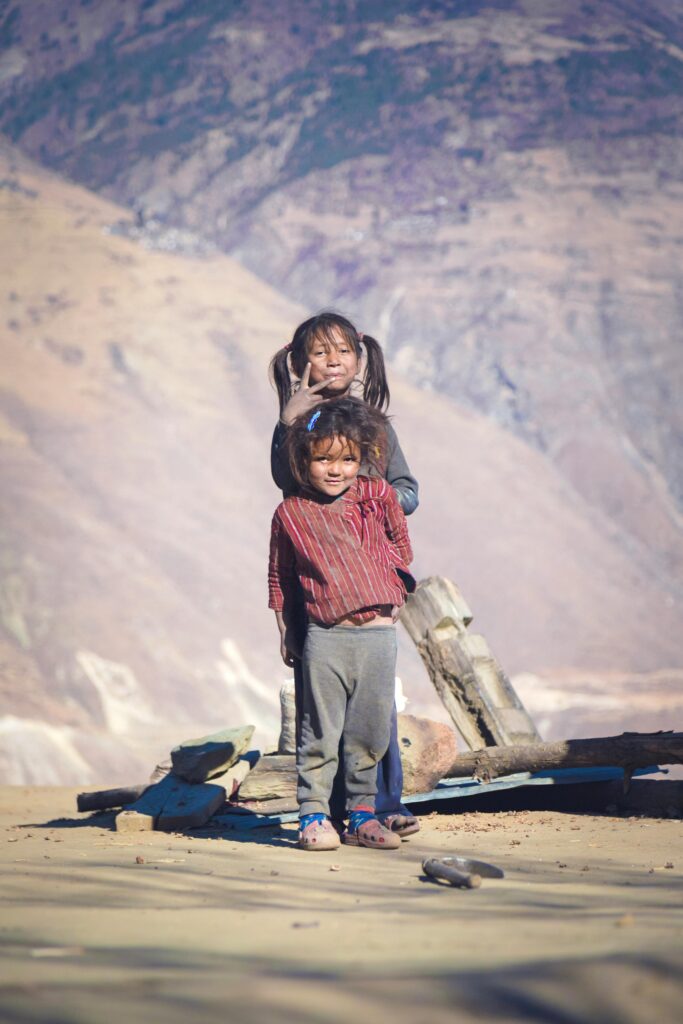
Despite its natural beauty, many villages in Uttarakhand face economic challenges. Limited employment opportunities have led many young residents to migrate to larger cities in search of work.
Community tourism projects like Village Ways aim to provide local livelihoods that allow residents to remain in their villages while sharing their culture with visitors.
What Makes Village Ways Different from Conventional Tourism?
Traditional tourism in mountainous regions often relies on large hotels, commercial tour operators, and infrastructure that can disrupt local environments and communities.
Village Ways takes a different approach by focusing on small-scale, community-led tourism.
Key features of the project include:
- Walking holidays between villages rather than vehicle-based tourism
- Village-owned guesthouses instead of commercial hotels
- Local guides and cooks hired from the community
- Small group sizes to reduce environmental impact
- Revenue sharing that benefits the entire village
Visitors typically travel in small groups, trekking through forests and farmland while stopping at villages where they stay overnight with local hosts.
This creates a slower, more immersive travel experience.
How the Village Ways Model Supports Rural Economies
One of the central goals of community tourism is to ensure that tourism income stays within the local community.
The Village Ways model distributes benefits through several channels:
Guesthouses and Homestays
Village residents operate small guesthouses where travelers stay during their trekking journeys. Income from accommodation goes directly to the households managing these facilities.
Local Employment
Villagers work as:
- Trekking guides
- Cooks preparing traditional meals
- Porters and logistics coordinators
- Cultural interpreters for visitors
This creates jobs in areas where formal employment opportunities are often scarce.
Community Funds
A portion of tourism revenue may be reinvested in community projects such as:
- Village infrastructure improvements
- Educational programs
- Environmental conservation initiatives
This approach helps ensure that tourism contributes to long-term community development.
Cultural Exchange: A Core Element of the Experience
Village Ways tourism emphasizes genuine cultural interaction between travelers and local residents.
Visitors may experience daily village life through activities such as:
- Cooking traditional Himalayan dishes
- Learning about local agricultural practices
- Visiting village temples and cultural landmarks
- Participating in seasonal festivals
Travelers also gain insight into the region’s rich cultural traditions, including folklore, music, and storytelling.
Unlike mass tourism, which can isolate visitors from local communities, this model encourages mutual learning and respect.
Environmental Sustainability in the Himalayas
The Himalayan region is one of the most environmentally sensitive ecosystems on Earth.
Rapid tourism development in some mountain destinations has led to problems such as:
- Waste accumulation on trekking routes
- Pressure on water resources
- Habitat disruption
- Trail erosion
Village Ways promotes low-impact travel practices, including:
- Small group sizes
- Use of existing village infrastructure
- Responsible waste management
- Support for environmental awareness
Because trekking routes follow traditional footpaths used by villagers for generations, the tourism activity integrates naturally into local landscapes.
Women’s Role in Community Tourism
Community tourism initiatives often create opportunities for women’s economic participation in rural areas.
In Himalayan villages, women frequently play key roles in hospitality by:
- Managing guesthouses
- Preparing meals for visitors
- Organizing cultural experiences
- Producing local handicrafts for sale
These opportunities can increase household income and promote greater financial independence for women in rural communities.
The Challenges of Community Tourism
Although community-based tourism offers many benefits, it also presents challenges that must be carefully managed.
Some of the key challenges include:
Limited Infrastructure
Remote villages may have limited access to roads, healthcare, and communication networks.
Seasonal Tourism
Mountain tourism often depends on favorable weather conditions, which can lead to seasonal income fluctuations.
Cultural Sensitivity
Maintaining authentic traditions while accommodating visitors requires careful balance.
Equitable Revenue Distribution
Ensuring that tourism benefits are shared fairly across the community is essential for long-term success.
Organizations working with community tourism projects must address these issues through careful planning and community participation.
The Growing Global Demand for Responsible Travel
Modern travelers are increasingly seeking travel experiences that align with values such as sustainability and cultural respect.
Many travelers today prioritize:
- Environmental conservation
- Cultural immersion
- Supporting local economies
- Small-scale, authentic experiences
Community tourism initiatives like Village Ways respond directly to these preferences.
By offering meaningful connections with local cultures and landscapes, these projects provide alternatives to mass tourism.
Frequently Asked Questions
What is Village Ways?
Village Ways is a community tourism initiative that organizes walking holidays through Himalayan villages in northern India.
Where does the project operate?
The program mainly operates in the Indian state of Uttarakhand in the Himalayan region.
What do travelers do during a Village Ways trip?
Visitors trek between villages, stay in locally run guesthouses, eat traditional meals, and interact with local communities.
How does the project help local residents?
Tourism income provides employment opportunities and supports community development projects.
Is the tourism environmentally sustainable?
Yes. The project emphasizes small-group travel and low-impact trekking practices.
Do travelers need trekking experience?
Most routes are accessible to moderately fit travelers and do not require advanced mountaineering skills.
Why is community tourism important in mountain regions?
It helps generate income while preserving local culture and protecting fragile ecosystems.
Conclusion
The Village Ways project in the Indian Himalayas demonstrates how tourism can be a force for positive change when it is guided by principles of sustainability and community empowerment.
By placing local residents at the center of tourism development, the initiative ensures that economic benefits remain in the villages while preserving traditional lifestyles and protecting the mountain environment.
For travelers seeking meaningful experiences beyond crowded tourist destinations, community tourism in the Himalayas offers a powerful reminder that travel can build connections—not only between places, but between people and cultures.
Sources The Guardian

