
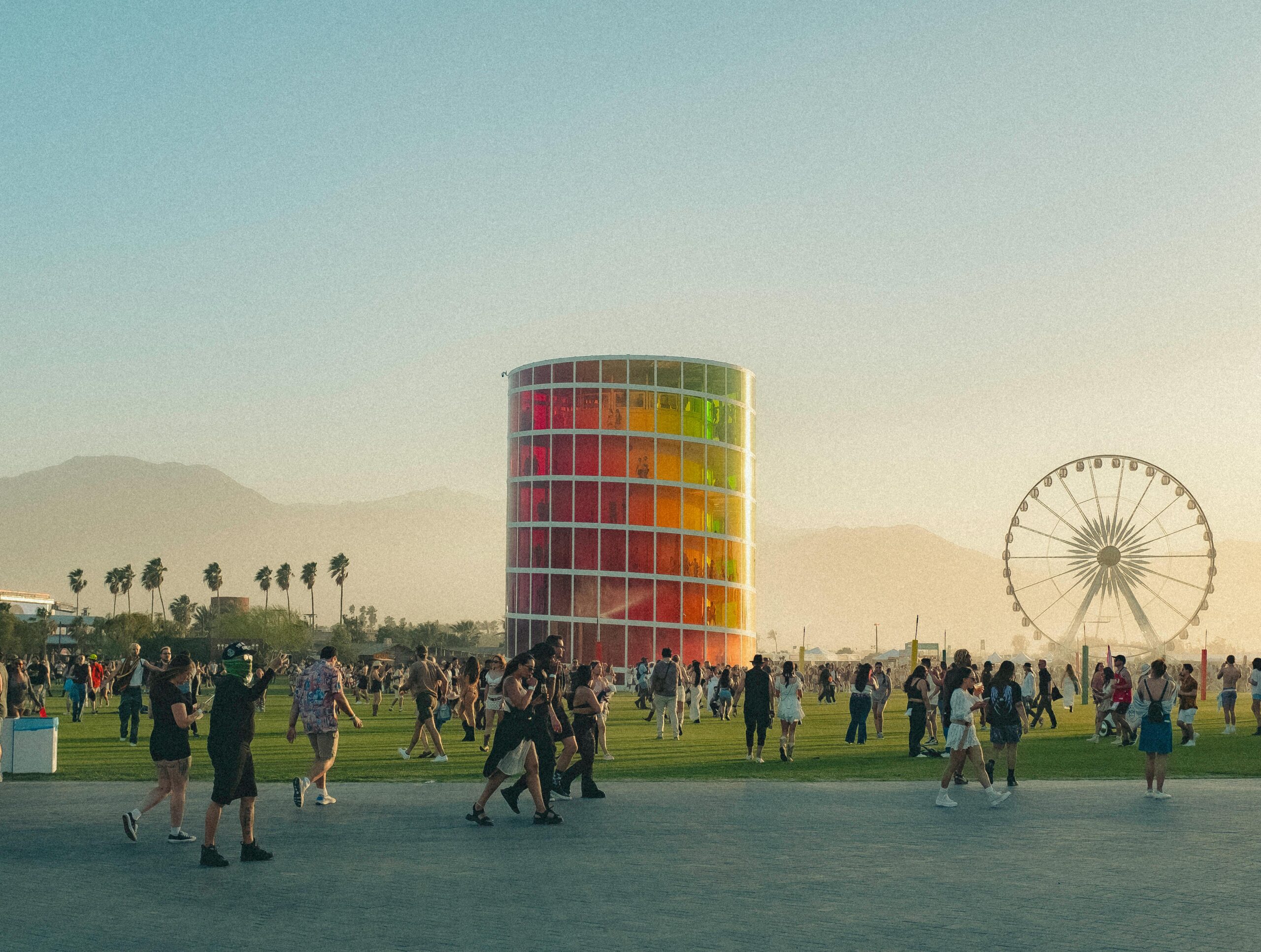
In a world where experiences increasingly trump possessions, the intersection of tourism and the music industry is heating up. A recent announcement from the World Tourism Organization (UN WTO) and the International Music Council (IMC) flags a new strategic partnership aimed at harnessing music‑led entertainment as a driver of tourism, economic development and community opportunity. But the story is much bigger than a press release—there are layers of opportunity, complexity and risk that destinations, tour‑operators and local communities must understand if they plan to orchestrate the perfect harmony.

The Big Picture: What’s Being Promoted
- The partnership highlights how live concerts, music festivals, heritage music sites and music‑story tourism (fans travelling for genre‑specific experiences) are now central to destination strategies.
- Tourism bodies are identifying music as a tool to:
- Extend visitor stays (beyond a weekend)
- Attract higher‑spending travellers (festival travel, VIP packages)
- Spread tourism benefits geographically (taking festivals to non‑typical destinations)
- Reinforce destination branding (“City of Sound”, “Jazz Capital”, etc.)
- Music + tourism = economic linkage: hotel bookings, food & beverage, transport, local suppliers, and brand visibility feed into multiplier effects.
- The UNWTO‑IMC message frames this as a development‑tool not just a party‑theme: including skills‑training for local music professionals, intellectual‑property support for music heritage, inclusive access and cultural‑rights perspectives.
What the Announcement Missed (But Is Critical)
To translate aspirational frameworks into real impact, the following deeper dimensions deserve attention:
1. Local Capacity & Music Ecosystems
It’s one thing to host a big festival or bring in an international artist; it’s another to have a sustainable local music culture already in place. Many destinations lack:
- Professional studios/human talent
- Venues and acoustically‑designed spaces
- Music management and promoter networks
Developing these takes years. If overtly focused on “imported star acts”, destinations risk building dependency rather than sustainable local value chains.
2. Infrastructure & Event Readiness
Music‑driven tourism isn’t just about sound‑systems and stages. It requires:
- Reliable transport (airports, trains, roads)
- Lodging scaled for event peaks
- Crowd‑management, safety, medical services
- Local supplier readiness (F&B, security, tech)
Without this, the risk is that the music event crumbles under pressure or leaves a negative visitor impression.
3. Seasonality & Spill‑over Value
Many music tourism events happen in narrow time windows (summer festival, winter concert season). Unless destinations build follow‑on products (music heritage tours, local music trails, night‑economy clusters) the economic gains may spike briefly and then fade.
4. Culture, Ownership & Authenticity
Music isn’t just entertainment—it’s identity. The partnership’s focus on “development” is promising, but:
- Who owns the music heritage?
- Are local musicians paid fairly or displaced by visiting acts?
- Does the music tourism model amplify local culture or dilute it into “theme‑park entertainment”?
Ethics and local‑rights issues matter if the strategy is to be inclusive.
5. Environmental & Social Externalities
Big music events can strain neighbourhoods: noise, traffic, waste, and tourism “pop‑ups” burden communities. If destinations ignore the “social licence to host” they risk backlash. The tourism‑music link must embed sustainability.

Unlocking the Opportunity: Strategic Moves for Destinations
If a tourism‑board, city, or region wants to harness music‑led tourism, these strategic considerations are crucial:
- Map the music ecosystem: Identify local talent, venues, genres, music‑heritage assets; invest in building up these so that visitors engage with place not just product.
- Align music events with tourism strategy: Use concerts/festivals as anchor points, but build multi‑day visitor flows; create packages (festival + local sightseeing + music‑heritage tour).
- Broaden benefit distribution: Ensure local hotels, guest‑houses, craftspeople, transport services capture value; not just the headline promoter.
- Think year‑round and diversify: Embed smaller scale music experiences through the year rather than concentrating all in one major festival.
- Ensure infrastructure readiness: From lodging capacity to audio‑visual equipment, from public transport to crowd‑control, every aspect must be prepared.
- Protect culture, environment & community: Adopt certifications or standards for event‑hosting; support local music rights; apply noise‑/waste‑reduction protocols.
- Measure, monitor & learn: Track not just attendance numbers, but visitor spending patterns, local employment, community attitudes, repeat visitation—and use those metrics to refine strategy.
Why this Matters
- For destinations: Music‑tourism offers a path to diversify beyond “sun‑and‑beach” models; build identity, attract new segments (music‑fans, experience‑seekers).
- For music industry: Opens new markets, venues and partnerships in tourism‑rich destinations.
- For communities: If done well, can enhance local culture, generate income, and raise skills; if done poorly, can displace local musicians or degrade culture.
- For tourism recovery: Post‑pandemic, experiences matter more than ever; travel motivated by live music or unique cultural events is resurging faster than generic leisure trips.
Frequently Asked Questions (FAQs)
Q1: What counts as “music‑led tourism”?
It encompasses travel where music is a primary motivation—concerts, festivals, heritage music destinations, music‑themed tours, or fans travelling to see a specific artist or genre.
Q2: How big is the opportunity?
While precise global numbers vary, recent studies show music tourism and event tourism are among the fastest‑growing segments. For example, music festivals have generated hundreds of millions of USD in single destinations in peak years.
Q3: Can small destinations benefit, or just major cities?
Yes—they can. But they must leverage niche genres, local music heritage, off‑beat venues, and connect with regional tourism flows. The challenge of infrastructure is greater, though.
Q4: What are the risks for destinations?
Over‑reliance on a single big event, mismatch of infrastructure, local community backlash, environmental strain, commodification of culture, and failure to build long‑term diversified tourism products.
Q5: What should a tourism board do first if it wants to develop this area?
Start by auditing local music assets and visitor realities; engage stakeholders in music and hospitality; invest in infrastructure readiness; create a pilot event or tourism product; and monitor outcomes.
Q6: How do music events compare to other tourism attractions?
They offer strong “pull” factors (fans travel for them), tend to produce high spikes of spending, and generate marketing visibility. But they also require more dynamic infrastructure and skilled event‑management compared to standard sightseeing tourism.
Q7: Does hosting a festival guarantee tourism growth?
No. Without integration into broader destination strategy, the visitor spike may not stick. The lasting impact depends on building extra products, managing infrastructure and retaining visitor interest beyond the event.
Q8: How can local musicians and communities be protected or benefit?
Ensure fair pay, local content quotas, training programmes, opportunities for emerging artists, reinvestment of tourism revenues into local music education, and community involvement in festival/design decisions.
Q9: What role do digital tools have in music‑tourism?
Increasingly important: AR/VR experiences of music heritage, live‑streaming as teaser to travel, social‑media amplification of experiences, apps for music‑heritage trails. These add depth and reach.
Q10: How should success be measured?
Look beyond attendance: measure visitor spend, length of stay, bookings that extend beyond the event, local employment generated, local business growth, repeat visitation, and community satisfaction.
By aligning music and tourism, destinations have the potential to orchestrate something transformative—if they balance ambition with strategy, culture with commerce, and growth with respect. The partnership between global tourism and music authorities may have set the framework—but the real‑world performance rests on local notes played with care.

Sources Hospitalitynet

