
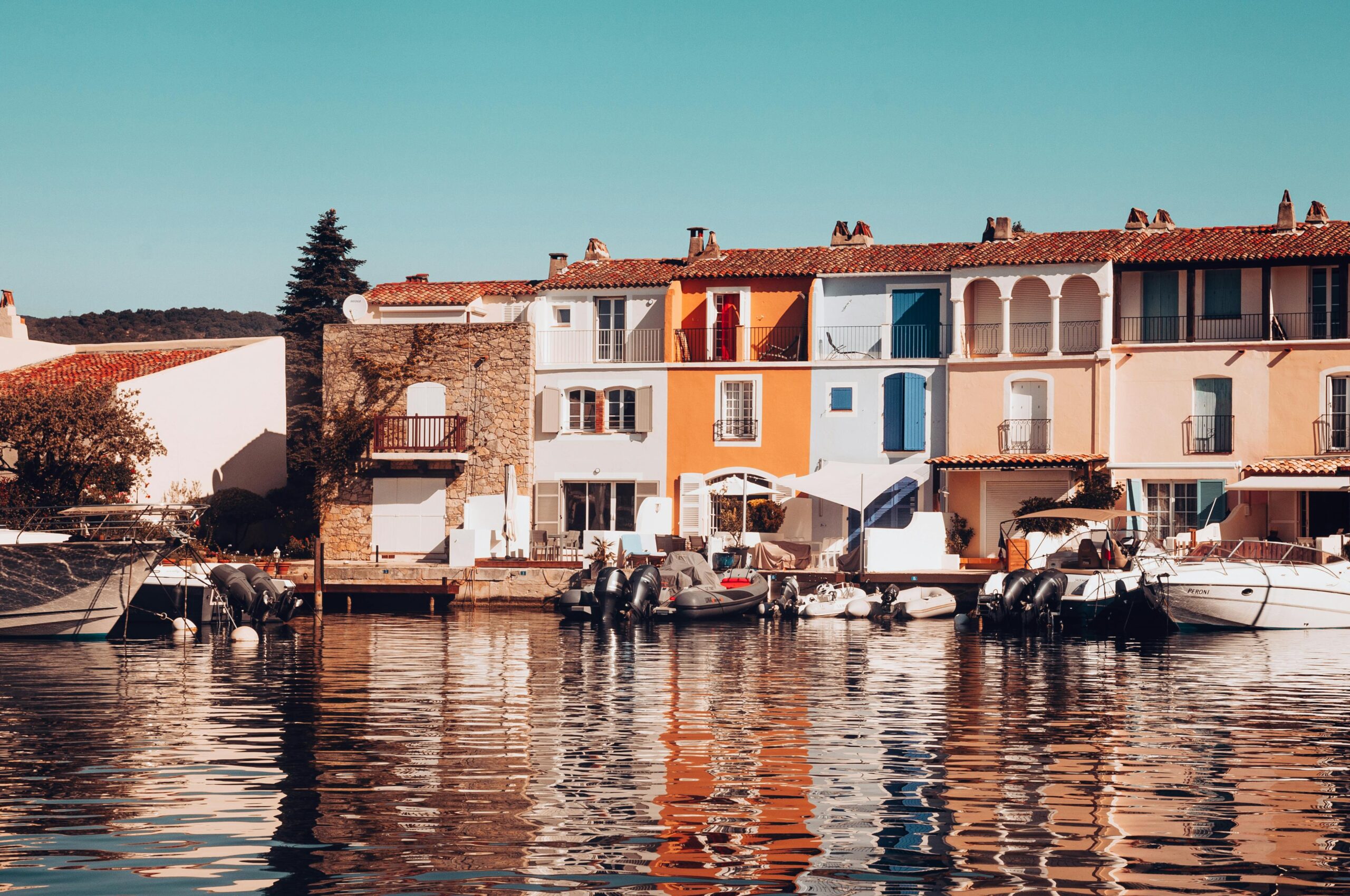
Across Europe, postcard-perfect villages once celebrated as hidden gems are now grappling with an uncomfortable reality: too many visitors chasing the same experience, and too little benefit for local communities. From medieval hill towns to alpine hamlets and coastal villages, residents say tourists increasingly “want one thing” — the photo, the fantasy, the moment — without engaging meaningfully with the place or the people who live there.
What began as an economic opportunity has, in many cases, become a social, cultural, and environmental strain. The growing backlash from locals signals a wider reckoning about how tourism should function in small, fragile destinations.
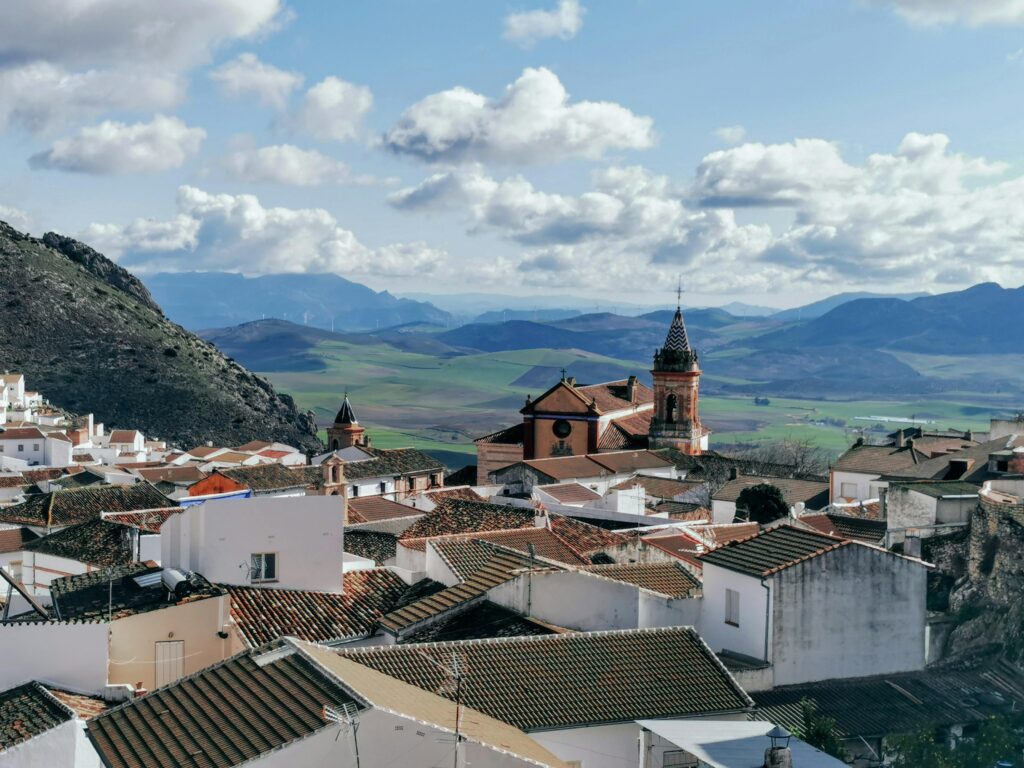
What Tourists Are Really Looking For
The Instagram Effect
Many tiny European villages have gone viral through social media, travel blogs, and influencer content. Visitors arrive seeking:
- A specific viewpoint or landmark
- A single iconic street or balcony
- A photo that matches what they’ve seen online
This “checklist tourism” often results in short visits with minimal local spending, overwhelming public spaces while contributing little to the local economy.
Fantasy Over Reality
Tourists are often drawn to an idealized version of village life:
- Quiet, timeless, picturesque
- Free of modern inconvenience
- Existing mainly as a backdrop
Locals, meanwhile, are trying to live ordinary lives — going to work, taking children to school, maintaining homes — within spaces that have effectively become open-air stages.
Why Locals Have Had Enough
Overcrowding Without Infrastructure
Small villages were not designed to handle:
- Thousands of daily visitors
- Tour buses on narrow roads
- Sudden spikes in waste and water use
Public toilets, parking, and transport systems are often insufficient, pushing costs onto local governments and residents.
Rising Costs and Housing Pressure
Tourism demand has driven:
- Growth in short-term rentals
- Rising property prices
- Declining availability of housing for locals
In some villages, young residents are being priced out, accelerating depopulation — the very problem tourism was supposed to solve.
Loss of Community and Privacy
Residents report feeling like:
- Spectators in their own homes
- Attractions rather than people
- Subjects of unsolicited photography
This erosion of privacy and dignity fuels resentment, even in communities that once welcomed visitors warmly.
Economic Benefits Are Uneven
While some businesses profit from tourism, others see little gain. Day-trippers often:
- Bring their own food
- Spend little or nothing locally
- Leave congestion behind
Meanwhile, municipalities bear the costs of maintenance, policing, and infrastructure upgrades.
Examples Across Europe
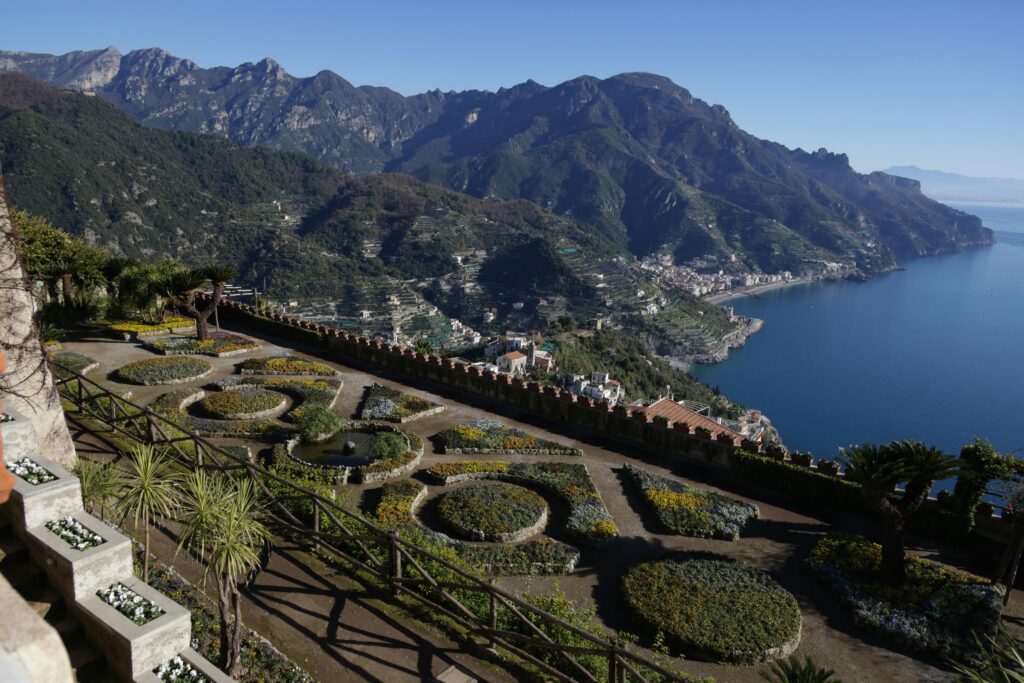
- Italian hill towns overwhelmed by tour buses stopping for 30-minute photo breaks
- Spanish villages near major cities flooded on weekends
- Alpine hamlets facing trail erosion and overcrowded viewpoints
- Coastal villages strained by seasonal visitor surges
Though geographically different, these places share the same core problem: tourism intensity far beyond local capacity.
How Villages Are Fighting Back
Visitor Limits and Access Controls
Some destinations have introduced:
- Daily caps on visitor numbers
- Timed entry systems
- Restrictions on tour buses
These measures aim to protect quality of life rather than eliminate tourism entirely.
Tourism Taxes and Fees
Charging entry or sustainability fees helps:
- Fund infrastructure
- Support conservation
- Discourage ultra-short visits
The goal is fewer visitors who stay longer and spend more locally.
Reframing the Narrative
Villages are pushing back against being marketed as “untouched” or “frozen in time.” Instead, they emphasize:
- Living communities
- Local traditions and crafts
- Respectful, slower travel
Encouraging Responsible Tourism
Some communities promote:
- Guided visits led by locals
- Cultural workshops and experiences
- Overnight stays instead of day trips
This shifts tourism from extraction to exchange.
The Bigger Picture: A European Tourism Reckoning
The backlash in small villages reflects broader trends:
- Fatigue with overtourism
- Demand for community-centered travel
- Growing awareness of tourism’s social costs
Europe’s most fragile destinations are effectively asking a question the entire industry must answer: Who is tourism really for?
What Travelers Can Do Differently
- Stay overnight instead of visiting for an hour
- Spend money at local businesses
- Learn basic cultural norms and respect privacy
- Avoid peak hours and seasons
- Choose lesser-known alternatives when possible
Responsible travel is not about guilt — it’s about balance.
Frequently Asked Questions (FAQs)
1. Why are locals in small villages angry about tourism?
Because visitor numbers often exceed what villages can handle, disrupting daily life, driving up costs, and offering limited economic benefit in return.
2. Are tourists being banned from these villages?
Generally no. Most places are trying to manage tourism, not eliminate it, through limits, fees, and regulations.
3. Isn’t tourism good for rural economies?
It can be, but only when visitor numbers, spending, and infrastructure are balanced. Mass day tourism often benefits outsiders more than locals.
4. What kind of tourism do villages prefer?
Longer stays, respectful behavior, cultural engagement, and visitors who contribute to the local economy rather than just taking photos.
5. Will this backlash spread to more destinations?
Yes. As overtourism grows, more communities are likely to demand controls and rethink how they welcome visitors.
Conclusion
Tiny European villages are not rejecting visitors — they are rejecting being reduced to backdrops. Their message is increasingly clear: tourism must respect the people who live in these places, not just the image that attracts outsiders.
The future of travel in Europe may depend less on discovering the next hidden gem, and more on learning how to visit well-known places with humility, patience, and respect.
Sources Euro News

