
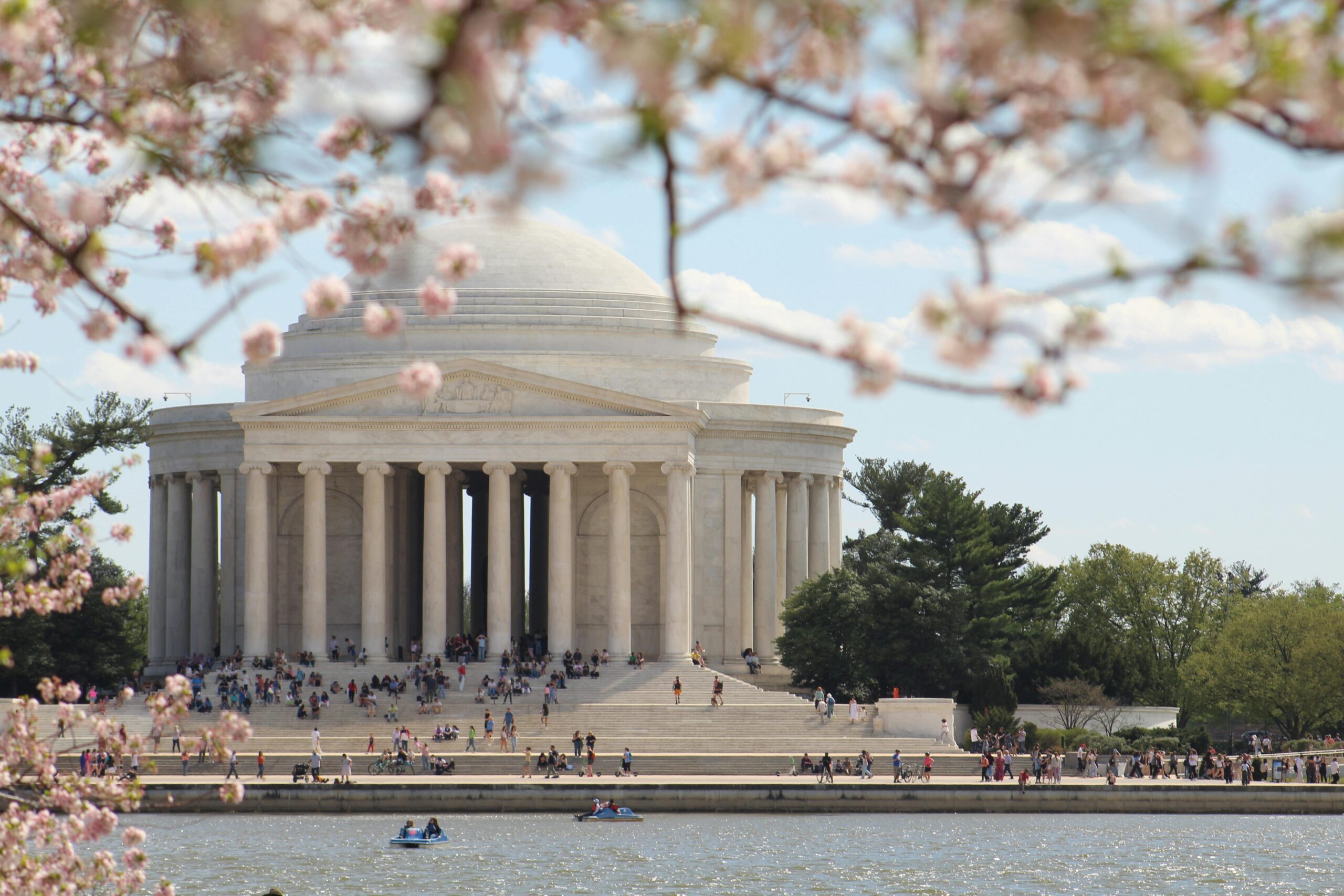
President Trump’s month-long “crime surge” in Washington, D.C.—which federalized the local police and deployed over 2,000 National Guard troops—has yielded mixed outcomes. Yes, violent crime dropped. But the cost, both culturally and economically, may have been high.

What Has Changed—and What Hasn’t
Crime Decline Meets Federal Control
Official data shows significant reductions in violent crime—up to 39% lower year-over-year, homicides down 53%, and other indicators like carjackings plummeting by up to 87%. Authorities report 2,100+ arrests and over 200 firearms seized.
Yet, experts caution that crime was already trending downward prior to the federal intervention—making it difficult to attribute improvements solely to the federal surge.
Tourism, Not Just Crime, Takes a Beating
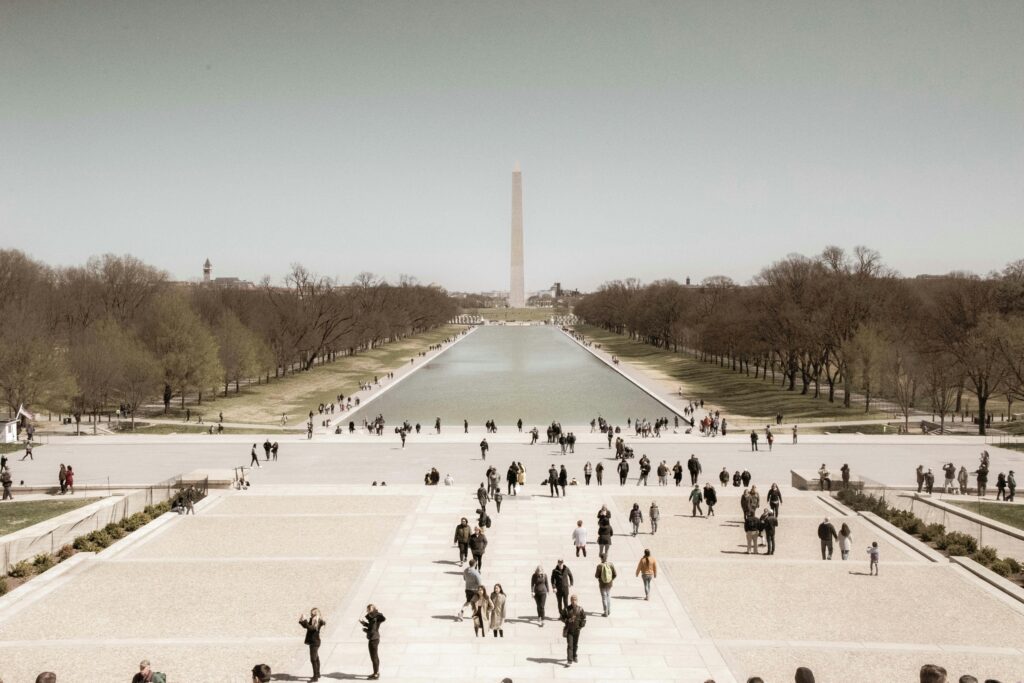
Despite public safety gains, the tourism industry is reeling. Foot traffic at major sites like the National Mall and Union Station declined sharply. Hotel occupancy and tour bookings dropped, and 41 conferences slated for 2026 were canceled—potentially costing the city over $50 million in revenue.
Restaurants also feel the pressure. ICE arrests of immigrant workers—including kitchen staff—increased unease, disrupting operations and shaking the hospitality sector’s fragile recovery.
The Human and Legal Fallout
Community Alarm and Morale Issues
Internal National Guard documents reveal widespread public discomfort—even troop unease—about the deployment. Guardsmen expressed confusion over why they were deployed and shame about their non-security roles, like landscaping or clearing camps, which deepened local distrust.
Lawsuits and Legal Boundaries
Washington’s Attorney General filed a lawsuit challenging the deployment as unconstitutional and potentially violating the Home Rule Act and Posse Comitatus. Critics, including veterans’ groups and civil liberties advocates, argue these actions plow new ground in federal overreach and erosion of local authority.
Divide in Public Opinion
Public sentiment remains polarized: about 38% of Americans approve of the federal takeover, while 46% disapprove. As it often does, the divide splits by political affiliation—76% of Republicans support it versus just 8% of Democrats.
FAQs: Your Questions Answered
1. Did crime actually go down in D.C.?
Yes—during the deployment, violent crime dropped significantly, though much of the decline began before federal forces arrived.
2. Can tourists trust that D.C. is safe enough to visit?
Local officials reassure visitors that the city remains safe—especially as crime retreated in many areas—but the ongoing presence of troops and ICE has unsettled travelers and dented the city’s welcoming image.
3. How long will the National Guard stay?
The initial emergency order was set for 30 days. However, Guard members’ orders have been extended through December for administrative reasons—not necessarily reflecting continued street presence. Yet the actual timeline remains uncertain.
4. What was the National Guard doing in D.C.?
Beyond law enforcement, troops handled tasks like clearing homeless encampments, maintaining parks, and even leaf raking—blurring lines between military and civic duties.
5. Did this impact minority or immigrant communities differently?
Yes—ICE ramped up arrests of undocumented immigrants, triggering community fear. Residents report avoiding public spaces altogether, afraid of detainment.
6. Is this deployment even legal?
The city has filed a court challenge, arguing the federal takeover violates local autonomy and domestic law enforcement limits under the Posse Comitatus Act.
7. What’s next for D.C.?
As the legal battle unfolds, officials continue pushing marketing campaigns to reframe the city—promoting its historic neighborhoods and local stories to reshape perceptions and revitalize tourism.
Final Thoughts
Trump’s federal takeover of D.C. underscores the complexity of balancing public safety with civil liberties and economic health. Though crime numbers budged in the right direction, the tourism collapse, erosion of trust, and legal backlash raise a critical question: what is the real cost of security, and who bears it?
Sources CNN

