

Irish (Gaeilge) is more than just a means of communication — it is a living embodiment of Ireland’s history, culture, and identity. Yet, it has increasingly become a political flashpoint. As modern Ireland grapples with questions of identity, equality, and belonging, the Irish language finds itself caught in the middle of what some describe as a “culture war.”
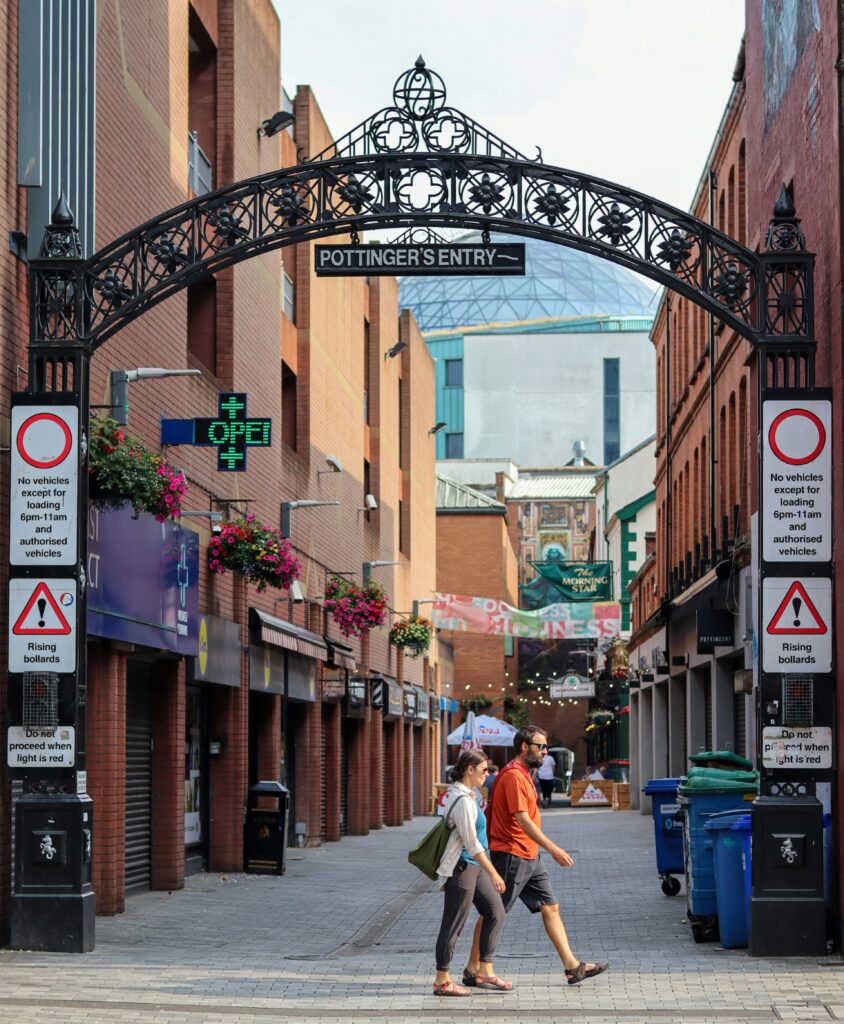
Politicians, activists, and communities are divided not only over policy but over what the language itself represents. Is Irish a unifying symbol of heritage, or a political tool? This debate — now spilling into parliaments, councils, schools, and courts — reveals deeper anxieties about power, inclusion, and national identity.
The “Culture War” Over Irish: What’s Really at Stake
The phrase “culture war” may sound exaggerated, but it captures how language debates have moved beyond education or public policy into the realm of identity politics.
In both the Republic of Ireland and Northern Ireland, the Irish language has come to symbolize competing visions of national belonging. On one side, advocates see it as an essential part of Irish culture that deserves protection and revitalization. On the other, critics argue that it is being politicized, used as a symbol of nationalism, or unfairly prioritized in public policy.
At the heart of this tension lies a question: Can Irish thrive as a shared cultural heritage without becoming a political weapon?
Historical Roots of the Conflict
To understand the current disputes, one must revisit Ireland’s complex linguistic history.
For centuries under British rule, Irish was suppressed in schools, courts, and administration. By the late 19th century, English had become dominant, and the Gaelic Revival movement emerged to rescue Irish from extinction. After independence in 1922, the new Irish state declared Irish its first official language, introducing it in schools and public life.
In Northern Ireland, however, Irish became entangled with nationalism and was viewed by many in the unionist community as politically loaded. During the Troubles, Irish was often seen as an identity marker — and that association lingers.
The Republic continued to promote Irish through compulsory schooling, official signage, and media, while Northern Ireland only recognized the language officially much later. Even today, debates over Irish-language rights remain charged with historical and political meaning.
Flashpoints in the Modern Debate
1. Bilingual Signage and Public Services
Disputes over bilingual road signs and government documents are among the most visible signs of the divide. Supporters say bilingualism promotes inclusivity and cultural respect; opponents argue it’s unnecessary or divisive, especially in areas where Irish is rarely spoken.
2. The Legal System
There are ongoing calls for individuals to be able to use Irish freely in courts in Northern Ireland and in certain jurisdictions in the Republic. Supporters say this is a basic linguistic right; opponents say it would add cost and bureaucracy.
3. Irish in Education
In the Republic, Irish remains a compulsory subject throughout primary and secondary school. Critics argue that the approach focuses on rote learning rather than conversational ability, alienating many students. Others call for reform — not abolition — emphasizing the need to teach Irish as a living language rather than a school requirement.
Meanwhile, Irish-language schools (Gaelscoileanna) continue to grow in popularity, producing fluent young speakers and creating a network of communities using Irish daily.
4. Funding and Political Commitment
Language promotion requires consistent investment — from teacher training and community initiatives to media and translation services. Supporters argue that funding often falls short, while critics see some spending as excessive or symbolic rather than practical.
5. The Northern Ireland Dimension
In Northern Ireland, the issue is particularly complex. The 2022 Identity and Language Act granted official recognition to Irish and Ulster Scots. While this was seen as a milestone, implementation remains contested. Some unionist voices see Irish-language promotion as part of a nationalist agenda, while others call for a more balanced cultural approach that respects all identities.
Why Opposition Persists
Opposition to Irish-language policies comes from a variety of perspectives — not all rooted in hostility to the language itself.
- Economic concerns: Expanding Irish-language services and translation efforts can be expensive, especially for small councils or schools.
- Practicality: Many argue that English remains universally understood and functional for public life.
- Cultural fear: In the North, some communities associate the language with one side of the political divide.
- Perceived elitism: Some critics claim that the language revival movement caters to urban intellectuals rather than ordinary people.
- Symbolic politics: Others believe Irish is used more as a political badge than as a practical effort to increase fluency and daily use.
This complexity means that the debate is rarely just about language — it’s about what the language represents in an evolving, multi-identity Ireland.
The Future of Irish: Between Politics and Culture
Despite the friction, Irish remains resilient. Across the island, new generations are rediscovering the language in creative, non-political ways. Social media, contemporary music, and television have given Irish new life. From Irish-language rap and podcasts to viral TikTok content, younger speakers are reshaping how the language is used and perceived.
Moreover, community-led initiatives — not just government policy — are driving revitalization. Local classes, digital resources, and online communities are breaking down barriers of access.
The danger, as warned by political figures like Naomi Long, is that political polarization could undo this cultural progress. If Irish continues to be framed as a marker of division, it risks alienating those who might otherwise embrace it. But if it’s reclaimed as a shared heritage — open to all, regardless of background — it could strengthen social cohesion and cultural pride.
What a Balanced Path Might Look Like
- Depoliticize the conversation: Treat Irish as a cultural and educational asset, not a political trophy.
- Support practical fluency: Shift from rote school instruction to conversational use and community engagement.
- Promote inclusivity: Encourage participation across political, religious, and regional divides.
- Sustain long-term funding: Language revival requires consistent investment in education, media, and community networks.
- Recognize diversity: Support both Irish and Ulster Scots as part of a shared linguistic landscape.
A balanced approach would see Irish not as a tool of one side, but as a reflection of Ireland’s collective identity — North and South, nationalist and unionist, young and old.
Frequently Asked Questions
| Question | Answer |
|---|---|
| Why is the Irish language controversial? | Because it has long been tied to national identity, politics, and cultural history, particularly in Northern Ireland, where it intersects with unionist–nationalist divisions. |
| Is Irish compulsory in schools? | In the Republic of Ireland, yes — it’s mandatory at primary and secondary levels. Some call for reform to focus more on spoken fluency. |
| How many people speak Irish today? | Roughly 40% of Ireland’s population claims some knowledge of Irish, but only a small percentage use it daily outside education. |
| What is being done to revive the language? | Expanded Irish-medium schools, new media content, bilingual initiatives, and cultural programs are helping to promote everyday use. |
| Why do some politicians oppose Irish-language promotion? | Reasons include cost concerns, practicality, and fears of politicization or cultural imbalance. |
| Can Irish be used in courts? | In the Republic, yes; in Northern Ireland, it’s possible but still politically sensitive and limited in practice. |
| What is the Identity and Language Act? | A 2022 law that officially recognized Irish and Ulster Scots in Northern Ireland, marking a significant step for cultural rights. |
| Is the Irish language dying? | It’s not dying, but it’s fragile. Daily use is limited, though revitalization efforts and cultural enthusiasm are growing. |
| How do people in Northern Ireland view Irish? | Opinions vary: nationalists often see it as heritage, while some unionists perceive it as politically charged — though attitudes are slowly softening. |
| Can Irish become a unifying force? | Yes, if it’s presented as an inclusive, apolitical cultural treasure rather than a partisan issue. |
Conclusion
The Irish language stands at a crossroads — both a source of pride and a point of tension. Its survival will depend not only on policies or funding but on whether it can rise above the political noise.
If Irish becomes a bridge rather than a battlefield, it could represent the best of Ireland’s future — a language that carries not only the memory of the past but the promise of unity, creativity, and shared belonging.
Sources BBC

