
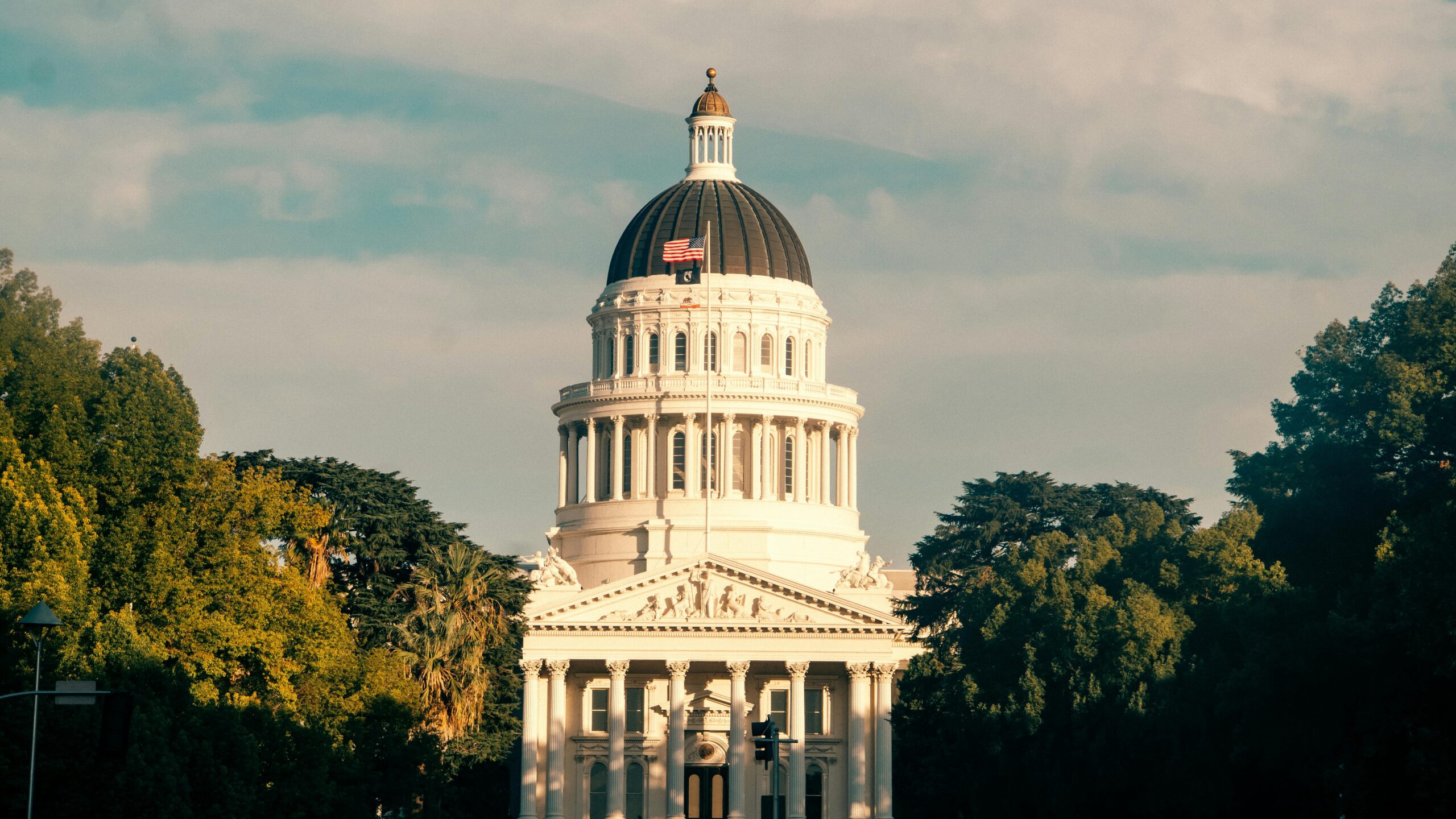
When government programs pause, it’s not only federal employees who feel it — Washington, D.C., the nation’s capital and a global tourist magnet, also bears the brunt. Museums, monuments, national parks, and cultural landmarks define Washington’s appeal. As the 2025 U.S. government shutdown drags on, the capital is confronting a tourism crisis of its own.
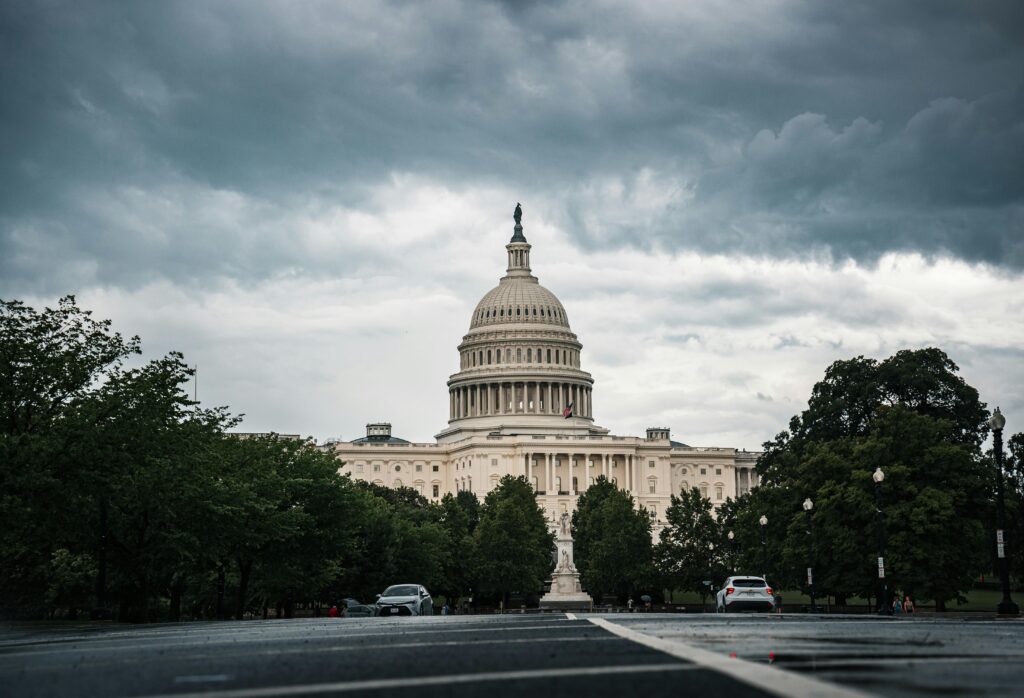
This isn’t just about closures. The deeper challenge is reputational damage, revenue loss, and rethinking how a city built on federal presence survives when the Fed goes dark.
What’s Affected, What’s Open — and What’s Unclear
Smithsonian Museums & National Cultural Institutions
Many of Washington’s crown jewels — the Smithsonian museums, the National Zoo, the National Gallery, and memorials — are federally funded. During a shutdown, visitor centers, galleries, guided tours, and indoor spaces are often shuttered. In 2025, as funding lapses, these closures are expected again. Some outdoor monuments may remain accessible, but without staff, restrooms, interpretation services, or security.
National Monuments, Parks & Open Spaces
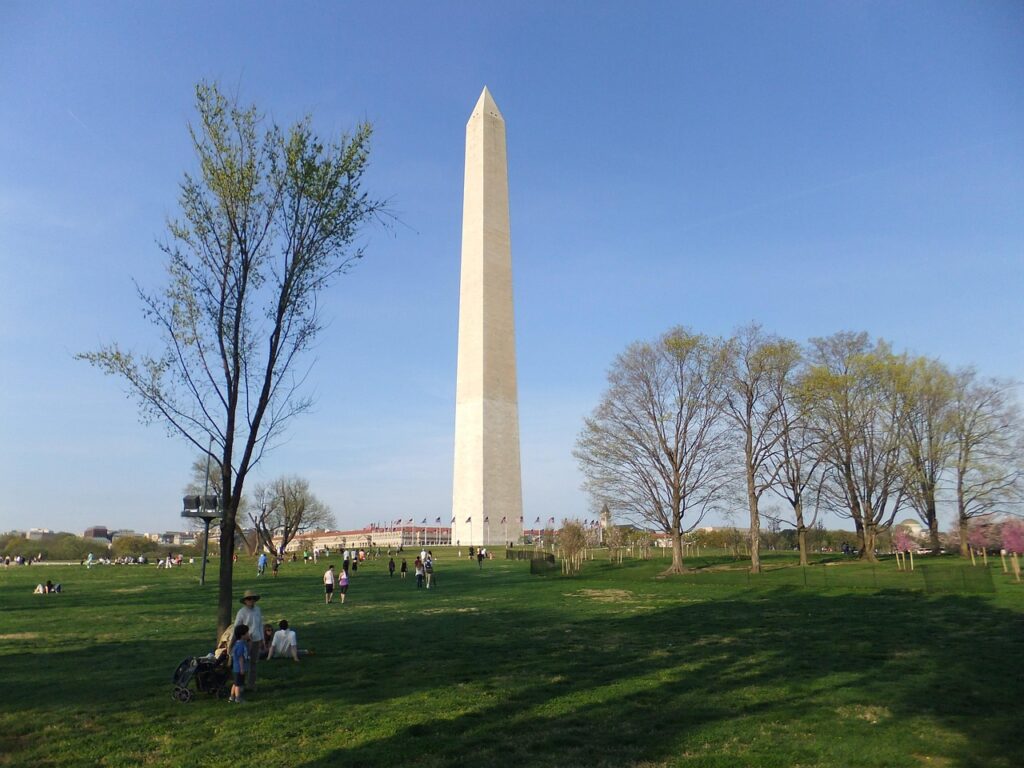
Washington’s National Mall and various memorials (Lincoln, Vietnam, WWII, etc.) may remain physically accessible, but without maintenance or staff oversight, safety hazards accumulate. Groundskeeping, trash removal, and restroom services are often suspended.
Air Travel, Security & Airport Operations
Airports continue operating, but essential federal staff (TSA, air traffic control) work without pay. Over time, fatigue, absenteeism, or attrition may degrade performance. Delays and disruptions become more probable.
Local Attractions & Private Institutions
Some privately funded museums, local venues, and commercial attractions are insulated from federal budget decisions and stay open. However, these depend on visitor flow, which may dwindle if tourists perceive closures are widespread.
Hospitality & Ancillary Services
Hotels, restaurants, transit providers, tour operators, and souvenir vendors feel immediate pain. Lower foot traffic in core tourist districts (Penn Quarter, National Mall, Georgetown) can cascade into reduced occupancy, layoffs, and business closures.
Losses in Dollars, Trust & Momentum
Economic Losses
Tourism is a pillar of the D.C. economy. Shutdowns threaten tens to hundreds of millions in lost visitor spending — lodging, dining, retail, tours, transport. Local governments lose tax receipts. Businesses may cut hours or staff, amplifying economic stress.
Brand & Reputation Damage
D.C. is globally known as a place of monuments and museums. Frequent shutdown-induced closures erode confidence among international visitors and travel planners. Over time, itineraries may shift to more stable capitals (London, Paris, Vienna).
Visitor Disappointment & Social Media Backlash
Tourists who arrive to find closed museums or memorials feel shortchanged. Negative reviews, social media complaints, and word-of-mouth deter future visits and complicate recovery.
Human & Institutional Fatigue
Staff furloughs erode institutional memory. When closures recur, museums and services may lose seasoned staff or delay needed maintenance — setting back recovery long after the shutdown ends.
Missed Angles & Deeper Risks
- Insurance & Refund Issues: Many travel packages or tour bookings may not cover closures caused by government shutdowns. Travelers may demand refunds or compensation, pressuring operators.
- Equity & Community Impact: Neighborhoods outside core tourist zones often rely on spillover visitation. Their businesses feel declines but lack visibility in public discourse.
- Infrastructure & Deferred Maintenance Backlog: Projects funded by federal grants (renovations, upgrades, exhibit expansions) are delayed, compounding long-term deterioration.
- Security, Vandalism & Liability: Without staff, monuments and open areas become vulnerable to vandalism, safety hazards, or trespassing. Liability risks rise for parks and municipalities.
- Visitor Behavior Shift: Prolonged shutdowns may teach travelers to avoid D.C. during uncertain periods, reducing peak demand and resilience.
- Intergovernmental Tension: Local and state authorities may beg to fund “stopgap” reopening of key museums — raising political, budgeting, and constitutional issues.
Possible Responses: How Washington Can Mitigate Damage
- Partial Reopening via Local Funds
D.C. or Maryland/Virginia governments (or philanthropic partners) might step in to fund minimal staffing or operations for core museums during shutdowns. - Virtual & Digital Engagement
Institutions can ramp up online tours, digital exhibits, and virtual programming to maintain engagement and brand presence even during physical closures. - Flexibility in Ticketing & Assurance Policies
Museums, tour operators, and hotels might adopt “shutdown guarantee” policies allowing refunds or rescheduling if closures occur. - Communication & Transparency
Clear public messaging about what is open, what is closed, and expectations can reduce frustration. Mobile updates, signage, and visitor alerts help manage expectations. - Offloadless Dependence on Federal Visitors
Diversify visitor base: attract more international, regional, business, and educational travelers less affected by federal adhesion. - Advance Planning & Budget Reserves
Institutions can establish contingency funds or staffing reserves to bridge limited shutdown windows. - Advocacy & Diplomacy
Cultural and tourism bodies can lobby Congress and federal leadership to prioritize reopening cultural institutions or granting short-term operating funds.
Frequently Asked Questions
| Question | Answer |
|---|---|
| Are all museums in D.C. closed during the shutdown? | Many federally funded museums and cultural institutions close public spaces, though some outdoor memorials may remain accessible without staff. |
| Will monuments and memorials be shut down? | Usually not fully. Outdoor memorials along the Mall may remain open, but amenities (restrooms, water, staff presence) are suspended. |
| Do airports and flights stop operating? | No. Air travel remains, but delays and service issues may increase as staff work without pay. |
| Can local or state governments reopen closed attractions? | They sometimes do, through emergency funding or partnerships — but jurisdictional, budgetary, and legal hurdles make this complicated. |
| Are visitors entitled to refunds? | It depends on the terms of tickets, bookings, or travel packages. Many operators may offer rescheduling, but not all refund automatically. |
| Is it safe to travel to D.C. during a shutdown? | Generally yes, but visitors should expect disruptions, closures, and limited services — especially in core federal areas. |
| How long do closures usually last? | It varies, from a few days to several weeks, depending on Congressional negotiations. Recovery is gradual. |
| Do private museums remain open? | Yes, privately funded institutions often remain open, provided their operations aren’t directly reliant on federal funding. |
| Will this deter future tourism to D.C.? | Repeated or prolonged shutdowns may erode confidence and shift travel patterns away from D.C. |
| What can visitors do to prepare? | Check museum and attraction websites ahead of time, build flexibility into itineraries, and consider prioritizing private or local attractions. |
Conclusion
Washington, D.C. is built on the idea of permanence: iconic museums, national memorials, and cultural institutions that survive centuries. But the 2025 shutdown exposes vulnerabilities: when the federal mechanism falters, the very soul of the city — its museums, monuments, and memory — becomes hostage to politics.
For D.C. to weather repeated pressures, it must reinvent resilience: diversify its visitors, create design contingencies, deepen digital presence, and ensure that the capital’s cultural heartbeat can survive even when the government powers down.
The stakes are high. Every day monuments sit empty, they lose relevance, revenue, and connection with the world. The risk is not only dimmed lights on the Mall, but a fading of Washington’s role as a global cultural capital.
Sources Fortune

