
From Bushfire-Burnt Ranges to Botanical Artistry
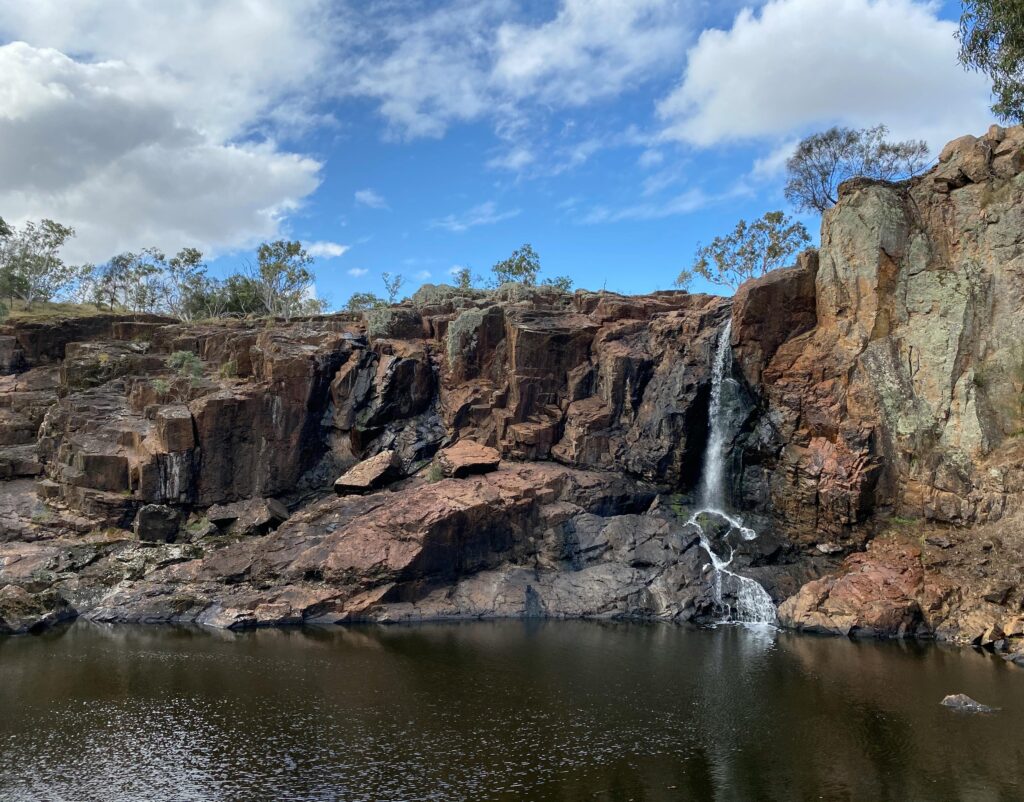
Nestled in Australia’s rich landscape of the Grampians—known in Aboriginal tongues as Gariwerd—a transformative cultural project is unfolding. The Wama Foundation’s new National Centre for Environmental Art has officially opened, offering a fusion of environmental art, conservation, Indigenous heritage, and tourism revitalization at Halls Gap.
A Living Gallery: 16 Hectares of Art, Flora, and Connection
Spanning 16 hectares at the Grampians’ foothills, the Where Art Meets Nature (WAMA) precinct is Victoria’s first dedicated environmental art centre. It unites multiple elements:
- A climate-controlled gallery, designed to blend with the surrounding environment.
- The Gariwerd/Grampians Endemic Botanic Garden, showcasing over 500 plants from nearly 60 species—more than half of which are endemic to the region.
- Native grasslands and ephemeral wetlands, complemented by outdoor sculptures and nature-inspired installations.
- On-site café, retail space, event rooms, hiking paths, and plans for future boardwalks and sculpture trails.
This artistic and environmental hub is supported by significant public investment and highlights both cultural engagement and tourism potential.
Art That Confronts Global Crises
The inaugural exhibition, End & Being by Western Australian artist Jacobus Capone, sets a powerful tone. Capone spent 89 days immersed in the Bossons Glacier in the Mont Blanc massif, producing photographs, videos, and installations that confront glacial retreat and climate change.
The exhibition creates an emotional bridge between melting ice in Europe and fire-scarred peaks in Victoria. For curator José Da Silva and WAMA CEO Pippa Mott—who was personally displaced by recent fires—this art is both a reflection and a call to action.
Protecting a Biodiversity Hotspot
The Grampians region hosts one-third of Victoria’s native plants, alongside immense Aboriginal cultural significance. The new botanic garden serves as a living seed bank for endangered flora, including rare species like Grevillea gariwerdensis and Thryptomene calycina.
Following the devastating bushfires in 2024, conservationists have worked urgently to propagate these species, protect genetic diversity, and restore ecological balance.
Architecture That Reflects Landscape
The centre’s design isn’t just practical—it’s poetic. The gallery building is shaped to echo the landscape’s natural ridges, and it intentionally blurs the boundaries between indoors and out. Visitors walk into a space that feels open to the elements, spiritually connected to the sandstone formations and native bushland.

Reviving Tourism & Cultural Connection
This project represents more than art—it’s a strategic tourism driver. With the Grampians drawing over two million annual visitors, the WAMA centre is designed to increase both visitation and community engagement.
Visitors will have access to artist workshops, nature-based learning, guided cultural walks, and future expansions like sculpture trails and accessible nature play areas.
Frequently Asked Questions
1. What is the Wama Foundation?
It is the organization behind the development of the environmental art precinct in Halls Gap, focused on uniting art, ecology, and education.
2. What is the National Centre for Environmental Art?
Australia’s first gallery dedicated solely to environmental art, featuring exhibitions, outdoor installations, and nature-immersed experiences.
3. Who is Jacobus Capone and what is his exhibition about?
He is a Western Australian artist known for immersive, performance-based works. His exhibition explores themes of glacial melting and climate urgency.
4. Why is the endemic botanic garden important?
It showcases and conserves rare and endangered plant species found only in the Grampians, serving both educational and ecological functions.
5. How does the architecture reflect its environment?
The building mirrors the surrounding landscape, using natural materials and design to harmonize with the Grampians’ iconic features.
6. What’s planned for future development?
Upcoming additions include boardwalks, sculpture trails, educational spaces, and play areas—all designed to deepen visitor engagement with the land.
7. How does this project benefit tourism and culture?
It positions the Grampians as a destination for ecological learning, artistic inspiration, and sustainable travel—while honoring Aboriginal culture and biodiversity.
In Summary
The Wama Foundation’s vision is more than a gallery—it’s a movement. A meeting point for nature and creativity, this initiative seeks to heal landscapes, inspire action, and welcome the world into a new kind of storytelling—one rooted in country, community, and conservation.
Whether you’re an artist, botanist, nature lover, or traveler, the Grampians’ new centre offers a uniquely powerful reason to return—or to see this majestic land for the first time.
Sources The Guardian

