

Rain-soaked streets, rolling grey skies, mist-covered hills—Britain’s weather has long been the subject of jokes and complaints. Yet, paradoxically, this very unpredictability and gloominess have become part of the country’s unique charm. While many destinations market sunshine and blue skies, Britain offers something different: atmosphere, mood, and authenticity.
Far from being a drawback, Britain’s weather plays a central role in shaping its landscapes, culture, and tourism appeal. This article explores why what many call “miserable weather” is, in fact, one of Britain’s most compelling attractions—and why travelers are increasingly embracing it.
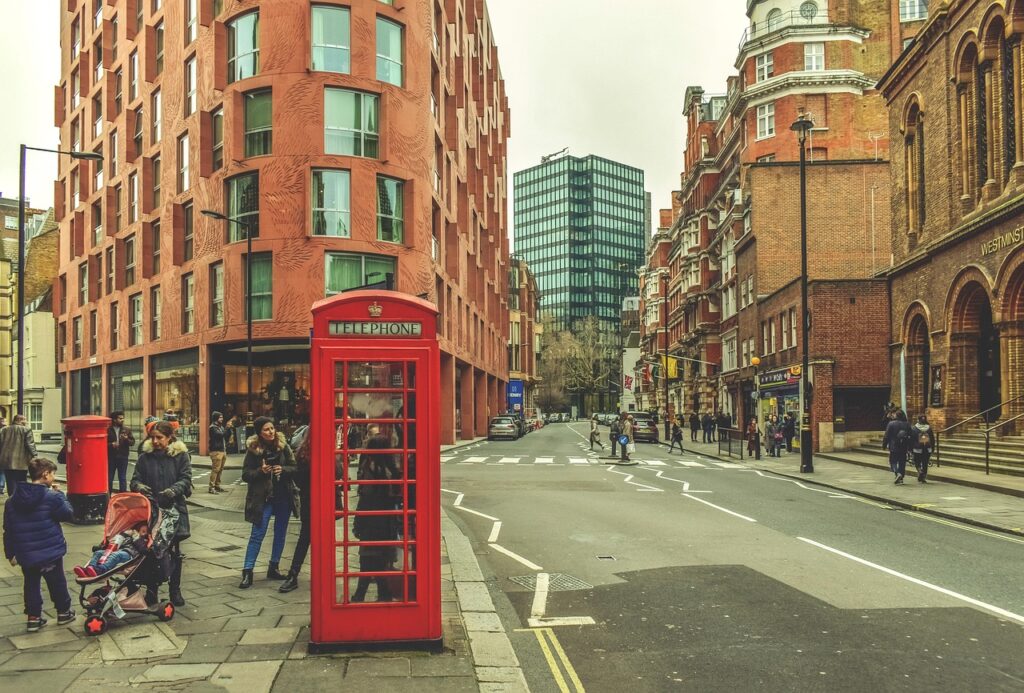
The Allure of Atmospheric Travel
In an age of curated Instagram perfection, travelers are beginning to seek experiences over aesthetics. Britain’s weather provides exactly that.
1. Mood Over Sunshine
Rain and fog create:
- Dramatic scenery in the Scottish Highlands
- Haunting beauty in places like the Lake District
- Cinematic streetscapes in London and Edinburgh
Rather than flattening the experience, overcast skies add depth and emotion, turning ordinary views into something evocative and memorable.
The Role of Weather in Britain’s Landscape
Britain’s lush countryside exists because of its climate.
1. Green and Alive
Frequent rainfall sustains:
- Rolling green hills in England
- Mossy forests in Wales
- Rugged, misty mountains in Scotland
Without this weather, Britain wouldn’t have its iconic “storybook” landscapes.
2. Ever-Changing Scenery
British weather is famously unpredictable. You might experience:
- Sunshine, rain, and wind—all in one afternoon
- Sudden fog rolling over hills
- Dramatic cloud formations over coastlines
This constant change ensures that no two visits are ever the same.
Cultural Identity Shaped by Weather
Britain’s weather isn’t just environmental—it’s deeply cultural.
1. The Birth of Cozy Culture
Rainy days have contributed to:
- The tradition of afternoon tea
- Cozy pubs with fireplaces
- Literature filled with introspection and atmosphere
The concept of “hygge” may be Danish, but Britain has its own version rooted in rainy-day comfort.
2. Weather as a Social Connector
Talking about the weather is a national pastime. It:
- Breaks the ice in conversations
- Reflects shared experiences
- Builds a subtle sense of community
Tourism Experiences Enhanced by Weather
Certain experiences are actually better because of Britain’s weather.
1. Historic Sites and Castles
Mist and drizzle enhance:
- Medieval castles
- Ancient ruins like Stonehenge
- Gothic cathedrals
They feel more authentic—almost as if time has stood still.
2. Literary and Film Tourism
Britain’s weather has inspired countless works:
- Sherlock Holmes’ foggy London
- Harry Potter’s moody Hogwarts
- Wuthering Heights’ windswept moors
Visitors often seek to experience these settings as they were imagined—not under bright sunshine.
3. Urban Exploration
Rain transforms cities:
- Reflections on wet pavements create stunning visuals
- Cafés and bookstores become inviting refuges
- Museums and galleries become central experiences
The Rise of “Weather-Based Tourism”
A growing trend in travel is embracing natural conditions rather than avoiding them.
Why Travelers Are Drawn to It:
- Authentic, less “manufactured” experiences
- Fewer crowds compared to peak sunny destinations
- A break from predictable, resort-style vacations
Britain is perfectly positioned for this trend.

Practical Advantages of Visiting Britain’s Climate
1. Less Extreme Heat
Compared to many global destinations:
- Summers are mild and comfortable
- Ideal for walking tours and outdoor exploration
2. Year-Round Appeal
Britain doesn’t rely on a single “perfect season”:
- Spring: blooming gardens and fresh greenery
- Summer: long daylight hours
- Autumn: golden landscapes and misty mornings
- Winter: festive markets and cozy interiors
3. Lower Seasonal Pressure
Because the weather is unpredictable:
- Tourism is more evenly distributed
- Visitors can enjoy attractions without peak-season overcrowding
The Psychology of Rainy Travel
Interestingly, rain can enhance emotional experiences.
1. Slowing Down
Rain encourages:
- Reflection
- Mindfulness
- Deeper engagement with surroundings
2. Memory Formation
Unusual or atmospheric conditions often create stronger memories than perfect weather.
A rainy walk through London or a foggy hike in Scotland is more likely to be remembered than a generic sunny day elsewhere.
Sustainability and Climate Awareness
Britain’s climate also aligns with growing interest in sustainable tourism.
- Cooler temperatures reduce reliance on air conditioning
- Encourages walking, public transport, and indoor cultural activities
- Promotes appreciation of natural weather patterns rather than artificial environments
Challenges and How to Embrace Them
Of course, Britain’s weather can still be challenging—but preparation makes all the difference.
Tips for Travelers:
- Pack waterproof clothing and layers
- Embrace flexibility in your itinerary
- Plan indoor alternatives (museums, cafés, galleries)
- View rain as part of the experience, not a disruption
The Future of Weather as a Travel Asset
As climate change impacts global travel:
- Extremely hot destinations may become less comfortable
- Cooler, temperate climates like Britain’s may become more appealing
Britain’s weather, once seen as a drawback, could become a competitive advantage in global tourism.
Frequently Asked Questions (FAQs)
1. Is Britain always rainy?
No. While rain is frequent, it’s often light and intermittent. You can still experience sunny periods—even within the same day.
2. What is the best time to visit Britain?
Late spring (May–June) and early autumn (September) offer a balance of mild weather and fewer crowds, but Britain is a year-round destination.
3. How should I pack for British weather?
Bring:
- A waterproof jacket
- Comfortable walking shoes
- Layers for changing temperatures
- A compact umbrella
4. Does rain ruin travel plans in Britain?
Not at all. Many attractions are indoors, and rain often enhances outdoor scenery rather than detracts from it.
5. Why do people enjoy gloomy weather when traveling?
It creates atmosphere, encourages slower travel, and offers a unique emotional experience that sunny destinations often lack.
6. Are there regions in Britain with better weather?
Southern England tends to be slightly drier and warmer, but weather varies widely across the country.
7. Is Britain a good destination for first-time travelers?
Yes. Its compact geography, rich history, and diverse attractions—combined with manageable weather—make it highly accessible.
Conclusion
Britain’s weather is more than just a backdrop—it’s a defining feature of the travel experience. From misty landscapes to cozy cultural traditions, it shapes how visitors see, feel, and remember the country.
Rather than chasing perfect skies, Britain invites travelers to embrace imperfection—and in doing so, discover a deeper, more meaningful kind of beauty.

Sources CNN

