
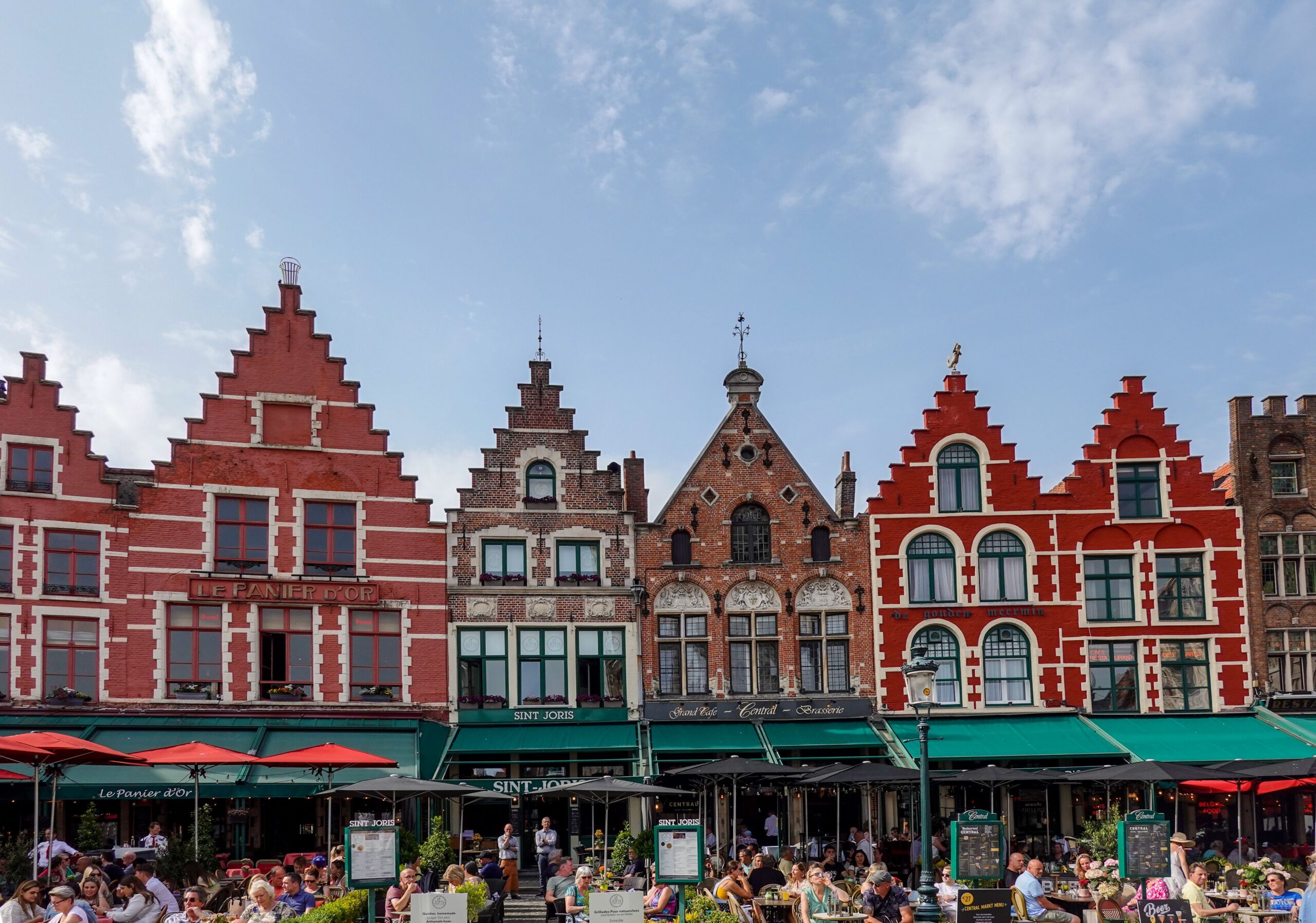
For decades, Europe has been the world’s most visited region, attracting hundreds of millions of international travelers each year. From the canals of Venice and the beaches of Spain to the historic streets of Paris and the Greek islands, Europe has long depended on tourism as a major driver of economic growth.
However, the success of tourism has created an unexpected challenge. In many destinations, record-breaking visitor numbers have led to overcrowded streets, rising housing costs, environmental degradation, pressure on public infrastructure, and growing frustration among local residents. As a result, governments across Europe are increasingly introducing measures to manage visitor numbers rather than simply encouraging more arrivals.
These policies are not necessarily designed to discourage tourism altogether. Instead, they represent a broader shift toward sustainable tourism, where the goal is to balance economic benefits with environmental protection, cultural preservation, and quality of life for local communities.

Why Europe Is Introducing Tourism Restrictions
International tourism has recovered strongly in recent years, with many destinations welcoming visitor numbers equal to or exceeding pre-pandemic levels.
While this recovery has benefited hotels, restaurants, airlines, retailers, and cultural attractions, it has also intensified long-standing issues, including:
- Overcrowded city centers
- Rising rental prices
- Growth of short-term vacation rentals
- Traffic congestion
- Pressure on public transportation
- Increased waste generation
- Damage to historic sites
- Water and energy consumption
For residents living in popular destinations, these pressures have become increasingly difficult to ignore
Understanding Overtourism
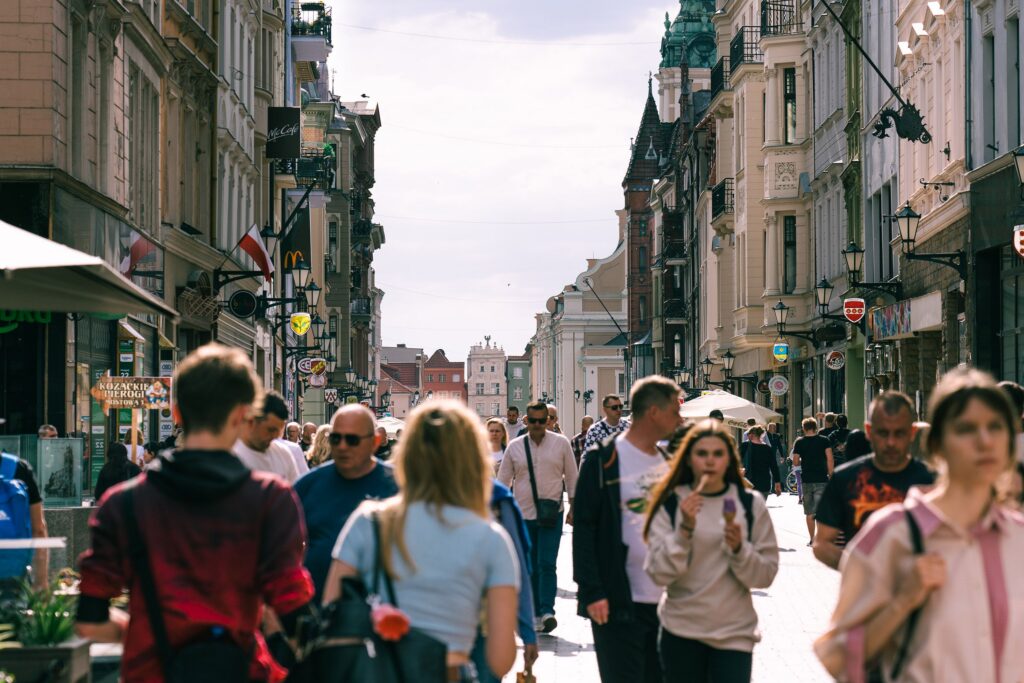
Overtourism occurs when the number of visitors exceeds a destination’s ability to manage them sustainably.
Common consequences include:
- Long queues at attractions
- Congested streets
- Noise pollution
- Environmental damage
- Reduced quality of life for residents
- Loss of local businesses
- Increased housing costs
- Wear and tear on historic monuments
Many European cities now view overtourism as one of their most significant urban planning challenges.
Popular Destinations Leading the Change
Several destinations have introduced or proposed measures aimed at managing tourism more effectively.
Examples include:
Venice, Italy
Venice has implemented entry fees for certain day visitors and continues exploring dynamic pricing models to reduce congestion during peak travel periods.
Barcelona, Spain
Authorities have introduced tighter regulations on short-term vacation rentals and are expanding efforts to preserve residential housing.
Amsterdam, Netherlands
The city has reduced promotional campaigns targeting mass tourism while implementing measures to improve neighborhood livability.
Santorini and Mykonos, Greece
Officials have considered visitor management strategies during peak cruise seasons to reduce overcrowding.
Dubrovnik, Croatia
The city has introduced visitor monitoring systems and cruise ship scheduling limits to protect its UNESCO-listed historic center.
Although each destination faces unique circumstances, the common objective is to improve long-term sustainability.
Tourism Remains Economically Important
Despite growing restrictions, tourism continues to play a vital role in Europe’s economy.
The industry supports millions of jobs across sectors including:
- Hospitality
- Transportation
- Retail
- Food services
- Entertainment
- Cultural institutions
- Tour operators
- Aviation
Tourism also generates tax revenue that supports infrastructure, heritage conservation, and public services.
The challenge lies in maintaining these economic benefits while reducing the negative impacts of excessive visitor numbers.
Housing Has Become a Major Issue
One of the most significant concerns involves housing affordability.
In many popular destinations, short-term rental platforms have encouraged property owners to convert residential housing into vacation accommodations.
This can reduce the supply of long-term housing and contribute to higher rents for local residents.
Many governments are responding through measures such as:
- Rental licensing systems
- Caps on short-term rentals
- Registration requirements
- Increased enforcement
- Higher tourism taxes
These policies aim to preserve housing availability while allowing tourism businesses to continue operating.
Environmental Sustainability Is Driving Policy
Tourism affects natural resources in numerous ways.
High visitor numbers can increase:
- Water consumption
- Energy demand
- Carbon emissions
- Waste production
- Air pollution
- Coastal erosion
- Wildlife disturbance
Governments are increasingly encouraging environmentally responsible tourism through:
- Public transportation
- Cycling infrastructure
- Protected natural areas
- Recycling programs
- Renewable energy
- Visitor education
Sustainability has become a central objective of modern destination management.
Technology Is Improving Visitor Management
Many European destinations now use digital technologies to monitor tourism.
Examples include:
- AI-powered crowd forecasting
- Digital reservation systems
- Timed-entry tickets
- Smart tourism apps
- Mobile visitor passes
- Real-time occupancy monitoring
- Data analytics
- Contactless payments
These systems help distribute visitor flows more evenly throughout the day and across different attractions.
The Rise of Quality Tourism
Rather than pursuing unlimited visitor growth, many destinations now emphasize “quality tourism.”
This approach encourages:
- Longer stays
- Higher visitor spending
- Cultural experiences
- Responsible travel
- Off-season visits
- Local business support
The goal is not necessarily fewer tourists but more sustainable economic value from tourism.
Travelers Are Adapting
Many visitors are changing their own travel habits.
Growing trends include:
- Shoulder-season travel
- Rural tourism
- Smaller destinations
- Eco-tourism
- Cultural immersion
- Slow travel
- Walking vacations
- Community-based tourism
These alternatives help reduce pressure on the continent’s busiest cities while creating opportunities for lesser-known regions.
Cruise Tourism Faces Greater Scrutiny
Cruise ships have become another focus of tourism management.
Large numbers of passengers arriving simultaneously can overwhelm historic city centers.
Several destinations have introduced measures including:
- Passenger limits
- Port restrictions
- Environmental regulations
- Arrival scheduling
- Emission controls
The objective is to balance cruise tourism with local infrastructure capacity.
The Role of Artificial Intelligence
Artificial intelligence is becoming an increasingly valuable tool for tourism authorities.
AI can assist with:
- Visitor forecasting
- Traffic management
- Environmental monitoring
- Dynamic pricing
- Personalized travel recommendations
- Emergency response planning
- Infrastructure optimization
These technologies support smarter destination management without relying solely on broad restrictions.
What Travelers Should Expect
Future visitors to Europe may encounter:
- Advance reservation requirements
- Tourist entry fees
- Timed admission slots
- Visitor caps
- Seasonal pricing
- Environmental taxes
- Greater emphasis on public transportation
Planning ahead will become increasingly important, particularly during peak travel seasons.
Sustainable Tourism Benefits Everyone
Responsible tourism creates advantages for all stakeholders.
Visitors enjoy:
- Shorter queues
- Better experiences
- Cleaner destinations
- Improved transportation
- Less congestion
Residents benefit from:
- Better housing availability
- Reduced overcrowding
- Stronger local communities
- Environmental protection
Businesses gain from more stable, year-round tourism rather than extreme seasonal peaks.
The Future of European Tourism
Experts expect several trends to shape the coming decade.
These include:
- Smart tourism technologies
- AI-assisted destination management
- Climate-conscious travel
- Carbon reduction initiatives
- Digital visitor management
- Sustainable accommodations
- Local cultural experiences
- Regional tourism diversification
Europe is likely to remain one of the world’s leading tourism destinations, but success will increasingly be measured by sustainability rather than visitor numbers alone.
Conclusion
Europe’s growing use of tourism restrictions reflects a fundamental shift in how destinations approach travel. Instead of focusing exclusively on attracting ever-larger numbers of visitors, governments are increasingly seeking to balance tourism with environmental protection, housing affordability, cultural preservation, and residents’ quality of life.
These policies are not intended to end tourism but to ensure that it remains sustainable for future generations. Through smarter planning, digital technology, responsible travel practices, and continued investment in local communities, Europe is working toward a model in which tourism supports—not overwhelms—the places people come to experience.
As travelers adapt to new regulations and embrace more thoughtful ways of exploring the continent, the future of European tourism may become not only more sustainable but also more rewarding for visitors and residents alike.
Frequently Asked Questions (FAQs)
1. Why are some European destinations restricting tourism?
Many destinations are responding to overtourism, which has contributed to overcrowding, housing shortages, environmental pressures, and declining quality of life for local residents.
2. Are tourists still welcome in Europe?
Yes. Most destinations continue to welcome international visitors but are implementing measures to manage tourism more sustainably through reservation systems, visitor caps, entry fees, and environmental policies.
3. Which European destinations have introduced tourism management measures?
Cities and regions such as Venice, Barcelona, Amsterdam, Dubrovnik, and several Greek islands have introduced or proposed various strategies to manage visitor numbers and protect local communities.
4. How will these policies affect future travelers?
Visitors may need to book attractions in advance, pay entry or environmental fees, travel during less crowded periods, or comply with reservation systems designed to improve visitor experiences.
5. What is the long-term goal of these tourism policies?
The primary objective is to create a sustainable tourism model that protects cultural heritage, preserves the environment, supports local economies, and ensures that both residents and visitors can continue to enjoy Europe’s most popular destinations for generations to come.
Sources The Washington Post

