
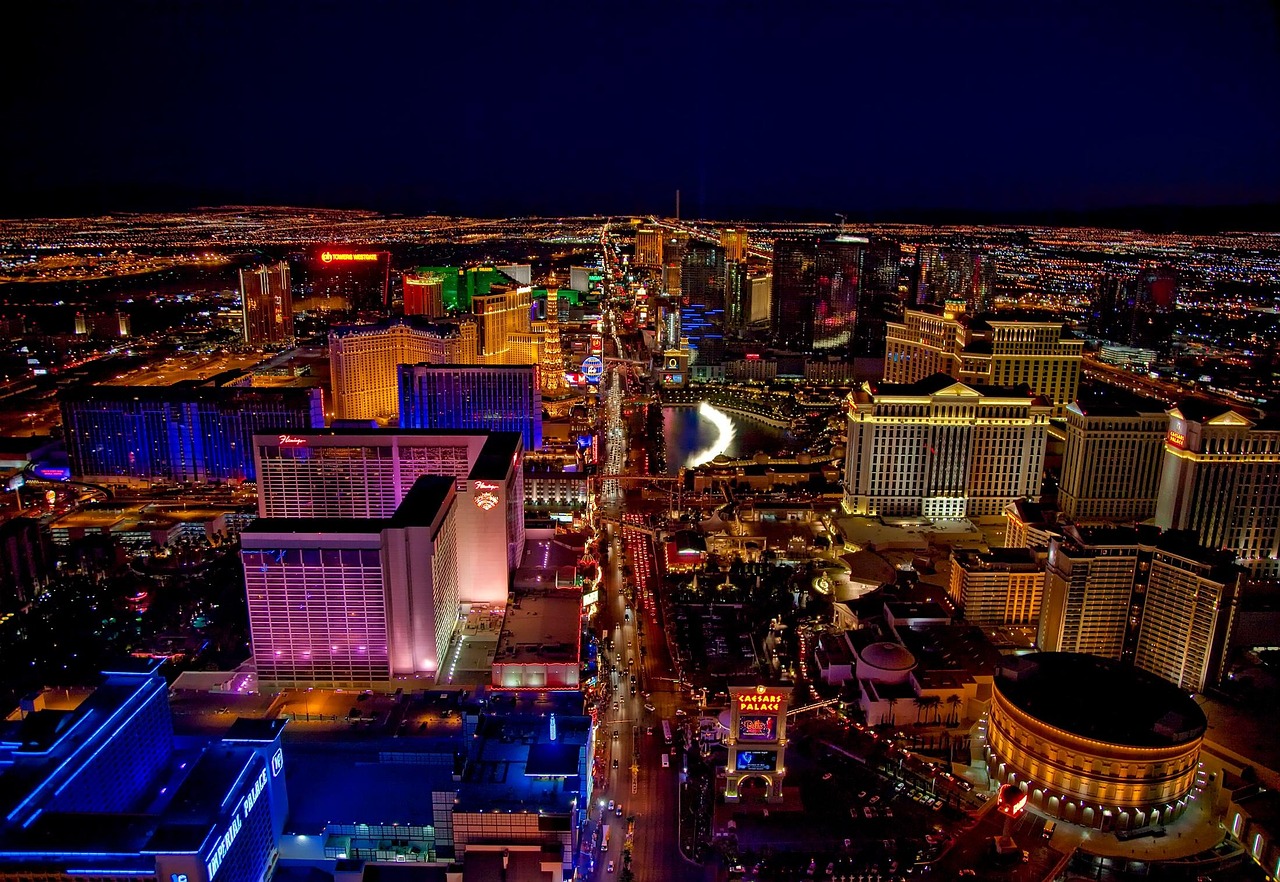
When people think of Las Vegas, images of casinos, luxury resorts, world-class entertainment, and the famous Strip often come to mind. Yet one of the city’s most powerful economic engines operates largely behind the scenes: the meetings and conventions industry.
In 2026, Las Vegas earned the top spot in U.S. News & World Report’s inaugural ranking of America’s Best Conference Cities, outperforming dozens of major destinations across the country. The recognition highlights a side of Las Vegas that extends far beyond leisure tourism and underscores the city’s growing importance as a global hub for business events, trade shows, conventions, and corporate gatherings.
While tourism remains central to Las Vegas’ identity, convention travel has become one of the most strategic components of the region’s economy, generating billions of dollars in visitor spending, supporting thousands of jobs, and helping the city maintain year-round demand for hotels, restaurants, transportation, and entertainment.

What Makes Las Vegas the Top Conference City?
According to the ranking, Las Vegas excelled in multiple categories, including:
- Meeting and event space
- Accessibility
- Destination appeal
- Affordability
- Infrastructure
- Sustainability initiatives
- Visitor experience
The city offers nearly 15 million square feet of meeting and exhibition space, making it one of the largest convention destinations in the world. It is also home to three of the ten largest convention facilities in the United States, including the massive Las Vegas Convention Center.
Combined with more than 150,000 hotel rooms and direct flights to over 150 destinations, Las Vegas has built an infrastructure ecosystem specifically designed to support large-scale events.
The Rise of Convention Tourism
Convention tourism refers to travel associated with:
- Business meetings
- Industry conferences
- Trade exhibitions
- Corporate events
- Professional associations
- Academic conferences
- Product launches
Unlike leisure travelers, convention attendees often travel because their employer or organization sponsors attendance. As a result, these visitors typically spend more per day than traditional tourists.
Their spending includes:
- Hotel accommodations
- Restaurants
- Local transportation
- Entertainment
- Retail shopping
- Event registrations
For destinations like Las Vegas, convention visitors represent a highly valuable market segment.
Why Convention Visitors Matter Economically
Business travelers often generate higher economic returns than vacation tourists.
Studies across the hospitality industry consistently show that convention attendees:
- Stay in higher-end accommodations
- Spend more on dining
- Book longer stays around events
- Visit during weekdays
- Travel throughout the year
This helps stabilize tourism demand.
Traditional leisure destinations often experience seasonal fluctuations. Conventions help fill hotel rooms during slower periods and distribute visitor spending more evenly across the calendar.
In Las Vegas, convention attendance has become so important that major industry events routinely bring tens of thousands of attendees at a time.
The Evolution of Las Vegas Beyond Gambling
Las Vegas was not always known as a convention capital.
For much of the twentieth century, its reputation centered primarily on:
- Casinos
- Gambling
- Nightlife
- Entertainment
Over time, city leaders recognized the need to diversify the local economy.
The result was a long-term strategy focused on expanding:
- Convention infrastructure
- Hospitality services
- Business tourism
- International accessibility
Researchers studying Las Vegas’ growth have identified diversification as one of the key reasons the city has remained resilient through economic downturns and changing travel patterns.
Today, many visitors arrive not for gaming but for professional events, trade shows, sporting events, concerts, and business networking opportunities.
The Las Vegas Convention Center Advantage
A major factor behind the city’s success is the scale of its convention facilities.
The Las Vegas Convention Center has undergone significant modernization in recent years, expanding its exhibition capacity and incorporating advanced technology to support large-scale events.
Key advantages include:
- Massive exhibition halls
- Advanced digital infrastructure
- Flexible meeting spaces
- Transportation connectivity
- Integrated hospitality services
These features make Las Vegas particularly attractive for industries that require large trade-show floors, product demonstrations, and international attendance.
Accessibility Drives Attendance
One of the biggest challenges for conference organizers is ensuring attendees can reach a destination easily.
Las Vegas benefits from:
- A major international airport
- Extensive domestic flight connections
- Competitive airfare options
- Strong transportation infrastructure
The city reports that many event organizers experience increased attendance when moving conferences to Las Vegas due to its convenience and broad appeal.
For attendees, a destination that is easy to reach often translates into higher participation rates.
The “Bleisure” Travel Trend
One of the fastest-growing trends in business travel is “bleisure” travel—a combination of business and leisure.
Many conference attendees now extend work trips to enjoy personal travel experiences.
Las Vegas is particularly well-positioned to benefit because visitors can easily combine:
- Industry events
- Fine dining
- Entertainment
- Sporting events
- Shopping
- Outdoor recreation
This creates additional economic value beyond the conference itself.
A three-day convention can become a week-long trip when attendees choose to stay before or after an event.
Technology Is Reshaping Conferences
The convention industry has undergone major changes since the pandemic era.
Today’s events increasingly incorporate:
- Hybrid attendance models
- Virtual participation
- AI-powered networking tools
- Event analytics
- Mobile engagement platforms
- Digital registration systems
While virtual meetings initially appeared to threaten business travel, many organizations have discovered that in-person events continue to provide unique benefits.
Face-to-face interactions often lead to:
- Stronger business relationships
- Better networking opportunities
- More effective sales discussions
- Greater attendee engagement
As a result, large-scale conferences remain an important part of corporate strategy.
Sustainability Becomes a Competitive Advantage
Environmental responsibility is becoming increasingly important in event planning.
Conference organizers now evaluate destinations based on:
- Energy efficiency
- Waste reduction programs
- Public transportation options
- Sustainable venue operations
- Carbon reduction initiatives
Las Vegas has invested heavily in sustainability programs to remain competitive in this evolving marketplace.
As environmental reporting requirements expand, sustainability may become an even more important factor in future conference city rankings.
Challenges Facing Convention Tourism
Despite its success, the convention industry faces several challenges.
These include:
Rising Costs
Businesses are increasingly scrutinizing travel budgets.
Economic Uncertainty
Recessions often reduce corporate event spending.
Hybrid Competition
Virtual participation options continue to evolve.
International Travel Complexity
Visa requirements and geopolitical issues can affect attendance.
Destinations must continuously innovate to remain competitive.
The Future of Las Vegas as a Conference Destination
Las Vegas appears well-positioned for continued leadership in convention tourism.
Several trends support its future growth:
- Expansion of business travel
- Growth in technology conferences
- Increased international participation
- Continued infrastructure investment
- Rising demand for experiential events
The city’s ability to blend business functionality with entertainment value gives it a competitive advantage that few destinations can replicate.
As industries increasingly prioritize networking, collaboration, and live experiences, Las Vegas is likely to remain one of the most influential conference destinations in the world.
Beyond Tourism: A Broader Economic Impact
The significance of convention tourism extends beyond hotels and casinos.
Large events generate demand for:
- Construction
- Technology services
- Catering
- Security
- Transportation
- Marketing
- Event production
This creates a multiplier effect throughout the regional economy.
Every major conference supports a wide network of businesses and workers, making convention tourism one of the most impactful sectors in Southern Nevada’s economic landscape.
Conclusion
Las Vegas’ ranking as America’s top conference city reflects decades of strategic investment, infrastructure development, and economic diversification. While the city remains famous for entertainment and leisure travel, its convention industry has become one of its most valuable assets.
By combining world-class facilities, extensive hotel capacity, strong transportation links, and a destination experience unmatched by most competitors, Las Vegas has positioned itself at the center of the modern meetings industry.
As business travel evolves and organizations continue seeking meaningful in-person engagement, conventions are likely to remain a cornerstone of Las Vegas’ success for years to come.
Frequently Asked Questions (FAQs)
1. Why was Las Vegas ranked the top conference city in the United States?
Las Vegas ranked first due to its extensive meeting space, accessibility, hotel capacity, destination appeal, affordability, and convention infrastructure.
2. How much convention space does Las Vegas offer?
The city provides nearly 15 million square feet of meeting and exhibition space, including several of the largest convention facilities in the country.
3. Why are convention visitors important to the economy?
Convention attendees typically spend more than leisure tourists and support hotels, restaurants, transportation providers, entertainment venues, retailers, and numerous local businesses.
4. What is bleisure travel?
Bleisure travel combines business and leisure activities, allowing conference attendees to extend work trips for vacation experiences before or after events.
5. Will virtual meetings replace conferences?
Most industry experts believe virtual events will complement rather than replace in-person conferences. Face-to-face networking, relationship building, and live experiences continue to provide unique advantages that virtual platforms cannot fully replicate.
Sources Las Vegas Review Journal

